The Importance of Regular Hearing Aid Checkups
Understand why regular checkups for your hearing aids are crucial. Ensure your devices are functioning correctly and your hearing needs are met.
Understand why regular checkups for your hearing aids are crucial. Ensure your devices are functioning correctly and your hearing needs are met.
The Importance of Regular Hearing Aid Checkups
Hey there! So, you've got your hearing aids, and they're doing a fantastic job, right? You're hearing better, connecting with loved ones, and generally enjoying life more. That's awesome! But here's a little secret that many people overlook: getting regular checkups for your hearing aids is just as important as those initial fitting appointments. Think of it like taking your car in for an oil change or getting a routine dental checkup. You wouldn't skip those, would you? Your hearing health and the performance of your devices deserve the same attention.
In this comprehensive guide, we're going to dive deep into why these checkups are non-negotiable. We'll cover everything from maintaining optimal sound quality to extending the lifespan of your devices, ensuring your hearing prescription is still accurate, and even exploring new technologies that could further enhance your listening experience. We'll also look at what typically happens during these appointments, how often you should schedule them, and even recommend some top-tier clinics and products that prioritize ongoing care. So, let's get started and make sure your hearing journey remains as clear and vibrant as possible!
Why Regular Hearing Aid Maintenance and Checkups Matter for Optimal Performance
You might be thinking, 'My hearing aids are working fine, why bother with a checkup?' Well, just like any sophisticated piece of technology, hearing aids benefit immensely from regular professional attention. Over time, even the best devices can experience wear and tear, accumulate debris, or simply drift out of optimal calibration. A routine checkup ensures that your hearing aids are always performing at their peak, delivering the clear, crisp sound you rely on.
Ensuring Consistent Sound Quality and Clarity
One of the primary reasons for regular checkups is to maintain consistent sound quality. Your hearing aids are finely tuned instruments designed to compensate for your specific hearing loss. However, factors like earwax buildup in the receiver, moisture damage, or even minor component shifts can subtly degrade sound quality. You might not even notice the gradual decline until it's significantly impacting your listening experience. During a checkup, your audiologist will thoroughly clean the devices, check all components, and perform acoustic tests to ensure they're delivering sound precisely as intended. This proactive approach prevents minor issues from becoming major problems, keeping your world sounding its best.
Extending the Lifespan of Your Hearing Aid Devices
Hearing aids are a significant investment, and you want them to last as long as possible. Regular maintenance and checkups are key to extending their lifespan. Think about it: your hearing aids are exposed to a challenging environment daily – moisture, earwax, skin oils, and even dust. Without proper cleaning and inspection, these elements can cause corrosion, blockages, and premature component failure. An audiologist can identify potential issues early, perform necessary repairs or replacements, and provide expert cleaning that goes beyond what you can do at home. This preventative care can save you money in the long run by delaying the need for costly repairs or early replacement.
Verifying Your Hearing Prescription and Audiogram Accuracy
Your hearing isn't static; it can change over time. While hearing aids are programmed based on your initial audiogram, your hearing loss might progress or fluctuate. Regular checkups often include a quick hearing screening or a full audiogram if needed, to ensure that your hearing aid prescription is still accurate and appropriate for your current hearing levels. If there's been a change, your audiologist can reprogram your devices to match your updated needs, ensuring you're always getting the most effective amplification. This personalized adjustment is crucial for maintaining optimal hearing health and preventing under- or over-amplification.
Identifying and Addressing Minor Issues Before They Become Major Problems
Imagine a tiny crack in your car's windshield. If you ignore it, it can spread and become a much bigger, more expensive problem. The same principle applies to hearing aids. A loose wire, a slightly clogged vent, or a worn-out dome might seem insignificant, but if left unaddressed, they can lead to device malfunction or complete failure. During a checkup, your audiologist has the expertise and specialized tools to spot these minor issues. They can perform quick fixes, replace small parts, or recommend more extensive repairs, preventing inconvenient breakdowns and costly emergency visits.
What Happens During a Typical Hearing Aid Checkup Appointment
So, you've decided to schedule that checkup – great choice! But what can you expect when you walk into the clinic? A typical hearing aid checkup is a comprehensive process designed to assess both your hearing health and the performance of your devices. It's usually a relaxed and informative session where you can ask questions and get expert advice.
Thorough Cleaning and Inspection of Devices
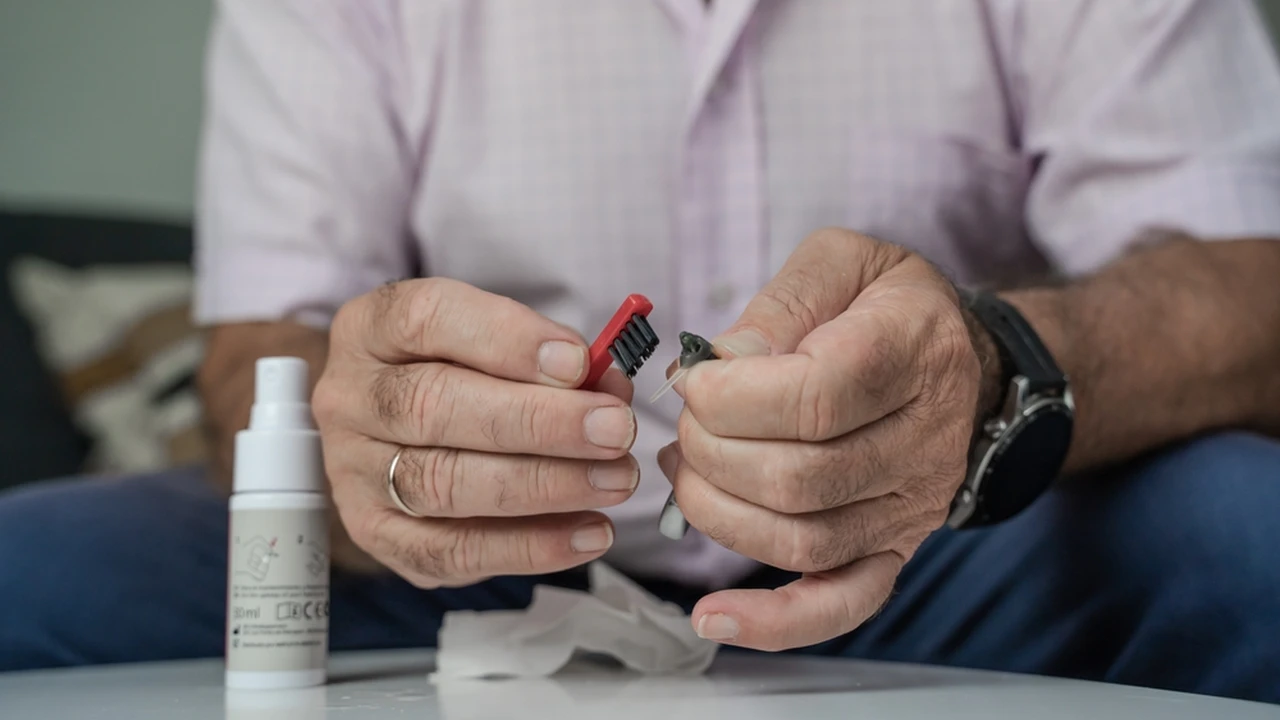
The first thing your audiologist will likely do is take your hearing aids and perform a meticulous cleaning. This isn't just a quick wipe-down; they'll use specialized tools like vacuum pumps, brushes, and cleaning solutions to remove earwax, debris, and moisture from all the nooks and crannies, including the microphone ports, receivers, and vents. They'll also visually inspect the casing, tubing, domes, and battery contacts for any signs of wear, damage, or corrosion. This deep clean is vital for optimal sound transmission and device hygiene.
Acoustic Performance Testing and Calibration
Once cleaned, your audiologist will often place your hearing aids in a test box or use specialized equipment to measure their acoustic output. This verifies that the devices are amplifying sound correctly and consistently across different frequencies, matching the manufacturer's specifications and your prescribed settings. If any discrepancies are found, they can recalibrate the devices to ensure they're performing optimally. This step is crucial for confirming that your hearing aids are delivering the precise amplification you need.
Earwax Removal and Otoscopic Examination
It's not just about the devices; your ears play a huge role too! During a checkup, your audiologist will perform an otoscopic examination, looking into your ear canals to check for earwax buildup, infections, or any other issues that might be affecting your hearing or the fit of your hearing aids. If excessive earwax is present, they can safely remove it, which can significantly improve sound quality and prevent feedback. This holistic approach ensures that both your ears and your devices are in top condition.
Discussion of Your Hearing Experience and Any Concerns
This is your opportunity to talk! Your audiologist will ask about your recent hearing experiences. Are you noticing any difficulties in specific environments? Is the sound quality different? Are you experiencing feedback or discomfort? This open discussion is vital for tailoring any adjustments. Don't hold back – even minor annoyances can often be easily resolved with a simple programming tweak or a change in dome size. Your feedback helps your audiologist fine-tune your devices to your current needs and preferences.
Reprogramming and Adjustments Based on Current Needs
Based on your feedback, the acoustic tests, and any updated hearing screenings, your audiologist can make precise adjustments to your hearing aid programming. This might involve increasing or decreasing amplification at certain frequencies, adjusting noise reduction settings, modifying directional microphone behavior, or even adding new programs for specific listening environments. These personalized adjustments ensure that your hearing aids are always optimized for your unique hearing profile and lifestyle.
How Often Should You Schedule Hearing Aid Checkups
The frequency of your hearing aid checkups can vary depending on several factors, but generally, there's a recommended schedule to follow. Think of it as a personalized maintenance plan for your hearing health.
General Recommendations for Annual or Bi-Annual Visits
For most hearing aid users, an annual checkup is a good baseline. This allows your audiologist to perform all the necessary cleaning, testing, and adjustments to keep your devices in top shape and monitor your hearing health. However, some audiologists recommend bi-annual visits (every six months), especially for newer users, those with rapidly changing hearing loss, or individuals who are particularly active or prone to earwax buildup. It's always best to discuss the ideal frequency with your audiologist based on your individual circumstances.
Factors Influencing Checkup Frequency
- Type of Hearing Loss: If your hearing loss is progressive or fluctuating, more frequent checkups might be necessary to ensure your devices are always accurately programmed.
- Age of Devices: Older hearing aids might benefit from more frequent checks as components can wear down over time.
- Lifestyle: If you're very active, work in dusty environments, or spend a lot of time in humid climates, your hearing aids might require more frequent cleaning and inspection.
- Earwax Production: Individuals who produce a lot of earwax may need more frequent visits for professional cleaning and earwax removal.
- New User Status: If you're new to hearing aids, more frequent follow-ups are common in the first year to ensure proper adaptation and address any initial challenges.
- Specific Concerns: If you're experiencing persistent issues like feedback, discomfort, or changes in sound quality, don't wait for your next scheduled appointment – book a visit right away!
Benefits Beyond Maintenance Exploring New Hearing Aid Technology
Regular checkups aren't just about fixing problems; they're also an opportunity to stay informed about the exciting advancements in hearing aid technology. The world of hearing aids is constantly evolving, with new features and capabilities emerging all the time.
Staying Updated on Latest Hearing Aid Innovations
During your checkup, your audiologist can inform you about the latest innovations that might benefit you. This could include new noise reduction algorithms, improved speech clarity features, enhanced Bluetooth connectivity, or even AI-powered personalization. They can explain how these new technologies work and whether they would be a good fit for your specific needs and lifestyle. This keeps you from missing out on features that could significantly improve your hearing experience.
Considering Upgrades and New Features
If your current hearing aids are several years old, a checkup might be the perfect time to discuss potential upgrades. Newer models often offer significant improvements in sound processing, battery life, and connectivity. Your audiologist can help you compare your current devices with newer options, explaining the benefits of features like:
- Rechargeable Batteries: Eliminating the hassle of frequent battery changes.
- Direct Streaming: Connecting directly to your smartphone, TV, or other devices for crystal-clear audio.
- Advanced Noise Cancellation: Better performance in challenging listening environments like crowded restaurants.
- Telehealth Capabilities: Remote adjustments from your audiologist.
- Health Tracking: Some modern hearing aids can even track steps and monitor brain health.
Recommended Clinics and Products for Ongoing Hearing Aid Care
Choosing the right clinic and understanding which products support ongoing care is just as important as selecting your initial hearing aids. Here are some general recommendations and types of products to look for.
Top-Tier Audiology Clinics Prioritizing Aftercare
When looking for a clinic, prioritize those that emphasize comprehensive aftercare. Look for:
- Comprehensive Service Packages: Many reputable clinics offer service packages that include regular checkups, cleanings, and minor repairs for a set period after purchase. This provides peace of mind and ensures consistent care.
- Experienced Audiologists: Ensure the clinic employs licensed and experienced audiologists who are up-to-date with the latest technologies and best practices in hearing care.
- State-of-the-Art Equipment: A good clinic will have modern diagnostic and fitting equipment to ensure accurate assessments and precise adjustments.
- Positive Patient Reviews: Check online reviews and testimonials to gauge other patients' experiences with their aftercare services.
- Telehealth Options: Some clinics now offer remote adjustments and consultations, which can be incredibly convenient for minor tweaks.
While I can't recommend specific clinics without knowing your location, some well-known national and international chains that often have strong aftercare programs include Amplifon, Connect Hearing (part of Sonova), and independent audiology practices affiliated with professional organizations like the American Academy of Audiology (AAA) or the British Academy of Audiology (BAA). Always check local listings and reviews.
Essential Hearing Aid Care Products for Home Maintenance
Beyond professional checkups, there are several products you should have at home to keep your hearing aids in good condition between visits:
- Hearing Aid Cleaning Kit: These typically include a wax pick, brush, and vent cleaner. Brands like Miracle-Ear and Phonak offer excellent kits. (Approx. Cost: $10-$30)
- Drying Box or Dehumidifier: Essential for removing moisture, especially in humid climates. Electronic drying boxes (e.g., Dry & Store, PerfectDry Lux) are highly recommended. (Approx. Cost: $50-$150)
- Cleaning Wipes or Sprays: Alcohol-free, hearing aid-specific wipes or sprays for daily cleaning of the outer casing. (Approx. Cost: $5-$15)
- Replacement Domes/Wax Guards: Have a supply of these on hand as they need regular replacement. Your audiologist can advise on the correct type for your devices. (Approx. Cost: $10-$20 for a pack)
- Battery Tester (for disposable batteries): A simple tool to check battery life. (Approx. Cost: $5-$10)
Hearing Aid Brands Known for Robust Support and Service
Many leading hearing aid manufacturers also offer excellent support and service through their network of providers. When considering a brand, ask about their warranty, repair services, and how they support their audiologists in providing ongoing care.
- Phonak: Known for innovation and a wide range of devices, Phonak (a Sonova brand) has a strong global presence and supports its providers with extensive training and resources for aftercare. Their Audéo Lumity and Naída Paradise lines are popular, offering excellent sound quality and connectivity. Prices typically range from $1,500 to $4,000 per aid, depending on technology level.
- Oticon: A Danish company renowned for its 'BrainHearing' technology, Oticon offers devices like the Oticon More and Oticon Real, which focus on providing a more natural soundscape. They have a strong network of audiologists who provide comprehensive support. Prices are generally in the $1,800 to $4,500 per aid range.
- Resound: Resound (part of GN Group) is known for its smart hearing aids and excellent connectivity features, such as the Resound Omnia. They often provide robust apps for user control and remote care options through their providers. Expect prices from $1,600 to $3,800 per aid.
- Signia: Formerly Siemens, Signia offers a diverse portfolio, including discreet in-the-ear models and advanced BTEs like the Signia Pure Charge&Go AX. They emphasize personalized hearing and often have strong support programs for their clinics. Prices typically fall between $1,700 and $4,200 per aid.
- Starkey: An American company, Starkey is known for its custom-fit devices and innovative features, including health tracking in their Evolv AI and Genesis AI lines. They have a strong focus on patient care and support for their network. Prices range from $1,900 to $4,500 per aid.
Important Note on Pricing: The prices listed above are estimates per hearing aid and can vary significantly based on the technology level (basic, mid-range, premium), the clinic's service package, your location, and whether professional fitting and follow-up care are bundled into the cost. Always get a detailed quote from your audiologist.
The Long-Term Impact of Neglecting Hearing Aid Checkups
While it might seem like a minor inconvenience to schedule a checkup, neglecting this crucial step can have significant long-term consequences, not just for your devices but for your overall hearing health and quality of life.
Reduced Effectiveness and Poor Sound Quality
Without regular cleaning and calibration, your hearing aids will gradually become less effective. Earwax buildup can block sound, leading to muffled or distorted audio. Components can wear out, causing inconsistent amplification or feedback. This means you'll start missing out on conversations again, struggling in noisy environments, and generally not getting the full benefit from your investment. The very reason you got hearing aids – to hear better – will be compromised.
Increased Risk of Device Malfunction and Costly Repairs
Minor issues that could have been easily fixed during a routine checkup can escalate into major malfunctions if ignored. A small crack can lead to moisture ingress, damaging internal electronics. A clogged vent can strain the receiver, leading to premature failure. These larger problems often result in more expensive repairs or even the need for early replacement, costing you more time and money in the long run. Preventative care is always cheaper than reactive repairs.
Potential for Further Hearing Deterioration or Mismanagement
Your hearing loss isn't static. Without regular checkups, any changes in your hearing might go unnoticed. If your hearing aids are no longer programmed to your current needs, you could be under-amplified, which means your brain isn't getting the auditory stimulation it requires. This can potentially contribute to further auditory deprivation and even accelerate cognitive decline. Regular audiograms ensure your devices are always perfectly matched to your evolving hearing profile, supporting your brain's health.
Impact on Your Overall Quality of Life and Communication
Ultimately, neglecting hearing aid checkups impacts your quality of life. When your devices aren't performing optimally, communication becomes a struggle again. This can lead to social withdrawal, frustration, and a decline in confidence. You might find yourself avoiding social gatherings, struggling at work, or feeling isolated from loved ones. Regular checkups ensure your hearing aids continue to empower you to live a full, connected life, maintaining your independence and well-being.
Making Hearing Aid Checkups a Priority
So, there you have it. Regular hearing aid checkups are far more than just a formality; they are a cornerstone of effective hearing loss management and a vital part of maintaining your overall health and well-being. From ensuring crystal-clear sound and extending the life of your valuable devices to keeping your hearing prescription up-to-date and exploring exciting new technologies, these appointments offer a wealth of benefits.
Don't wait until you notice a problem. Be proactive about your hearing health. Schedule those annual or bi-annual visits with your audiologist. Think of it as an investment in your ability to connect with the world, enjoy conversations, and live life to the fullest. Your ears, your brain, and your hearing aids will thank you for it. Stay tuned, stay connected, and keep hearing beautifully!
:max_bytes(150000):strip_icc()/277019-baked-pork-chops-with-cream-of-mushroom-soup-DDMFS-beauty-4x3-BG-7505-5762b731cf30447d9cbbbbbf387beafa.jpg)