A detailed comparison of the 6 best Bluetooth-enabled hearing aids. Evaluate their connectivity, streaming quality, and smartphone integration.
A detailed comparison of the 6 best Bluetooth-enabled hearing aids. Evaluate their connectivity, streaming quality, and smartphone integration.
Comparing The Top 6 Bluetooth Hearing Aids
Why Bluetooth Hearing Aids Are a Game Changer for Connectivity and Convenience
Bluetooth hearing aids have revolutionized how people with hearing loss interact with their digital world. Gone are the days of struggling to hear phone calls, missing out on TV dialogue, or being unable to enjoy music directly through your hearing devices. With Bluetooth connectivity, your hearing aids transform into high-tech wireless headphones, seamlessly connecting to a myriad of devices. This means clearer phone conversations, immersive audio streaming from your smartphone, tablet, or computer, and even direct connections to smart TVs. For many, this technology isn't just about better hearing; it's about regaining a sense of connection, convenience, and control over their auditory experience. It enhances communication, entertainment, and overall quality of life, making everyday tasks simpler and more enjoyable. Whether you're a busy professional, a music lover, or someone who enjoys staying connected with family and friends, Bluetooth hearing aids offer unparalleled versatility and a significant upgrade to your hearing journey.
Understanding Bluetooth Hearing Aid Technology How It Works
At its core, Bluetooth hearing aid technology leverages short-range wireless radio technology to exchange data between devices. In the context of hearing aids, this typically involves connecting your hearing aids to a smartphone, tablet, or other Bluetooth-enabled audio source. There are generally two main types of Bluetooth connectivity you'll encounter: Made for iPhone (MFi) and Android ASHA (Audio Streaming for Hearing Aids), as well as standard Bluetooth Low Energy (LE) Audio which is becoming more prevalent. MFi and ASHA allow for direct streaming of audio from compatible iOS and Android devices, respectively, without the need for an intermediary streaming device. Standard Bluetooth, especially with the advent of LE Audio, aims to offer universal compatibility, lower power consumption, and higher audio quality across a broader range of devices. When you stream audio, the sound bypasses the hearing aid's microphones and goes directly into your ears, often resulting in a much clearer and more personalized listening experience, free from background noise interference. This direct audio input is then processed by the hearing aid's advanced sound processing chips, often customized to your specific hearing loss prescription, ensuring optimal clarity and comfort.
Key Features to Look for in Bluetooth Hearing Aids Enhancing Your Experience
When you're in the market for Bluetooth hearing aids, several key features can significantly impact your experience. First and foremost is direct streaming capability. Can the hearing aids connect directly to your smartphone (iPhone or Android) without an additional accessory? This is a huge convenience factor. Next, consider battery life and charging options. Streaming audio consumes more power, so look for models with robust rechargeable batteries or efficient power management. App control and personalization are also crucial. Most modern Bluetooth hearing aids come with companion smartphone apps that allow you to adjust volume, change programs, fine-tune sound settings, and even locate lost hearing aids. Telecoil functionality, while not directly Bluetooth, is often integrated and can be very useful for connecting to public loop systems. Noise reduction and speech enhancement technologies are vital for clear communication, especially when streaming in challenging environments. Finally, consider multi-device connectivity. Can the hearing aids pair with multiple devices simultaneously, allowing for seamless switching between your phone, tablet, and computer? These features collectively contribute to a more versatile, user-friendly, and effective hearing aid experience.
Top 6 Bluetooth Hearing Aids A Detailed Comparison of Models and Manufacturers
Let's dive into some of the leading Bluetooth hearing aids on the market, comparing their features, connectivity, and what makes them stand out.
1. Phonak Paradise Series P90 The Ultimate Connectivity Champion
* Manufacturer: Phonak
* Key Features: The Phonak Paradise P90 is renowned for its universal Bluetooth connectivity, meaning it can connect to virtually any Bluetooth-enabled device, including both iOS and Android phones, tablets, and even older Bluetooth devices. It supports up to eight paired devices and can be actively connected to two simultaneously, allowing for seamless switching between, say, your phone and your laptop. It boasts excellent sound quality, enhanced speech understanding in noise, and a motion sensor hearing feature that adapts to your environment. The MyPhonak app offers extensive personalization options, including remote support. It also features Tap Control for answering calls or pausing streaming with a simple tap.
* Streaming Quality: Exceptional. Users consistently praise the clear, rich audio streaming for phone calls, music, and podcasts. The ability to use the hearing aids as a hands-free headset for phone calls is a major plus.
* Smartphone Integration: Excellent, with universal compatibility. The MyPhonak app is intuitive and offers a wide range of controls.
* Typical Use Cases: Ideal for tech-savvy individuals, professionals who frequently use multiple devices, and anyone who values seamless, universal connectivity for calls, music, and TV.
* Estimated Price Range: $2,500 - $4,000 per hearing aid, depending on the provider and included services.
2. Oticon More MiniRITE R The BrainHearing Advantage with Bluetooth
* Manufacturer: Oticon
* Key Features: Oticon More hearing aids are built on the BrainHearing™ philosophy, aiming to give your brain more of the soundscape, not just speech, to process sounds naturally. The More MiniRITE R is a rechargeable RIC (Receiver-In-Canal) model that offers direct streaming from iPhone and compatible Android devices (ASHA). It features a deep neural network (DNN) that has learned from 12 million real-life sound scenes to provide a more balanced and clear sound experience. It also includes a telecoil and a convenient charger.
* Streaming Quality: Very good, especially for speech and music. The BrainHearing approach aims for a more natural and less fatiguing listening experience, even when streaming.
* Smartphone Integration: Strong for MFi and ASHA compatible Android devices. The Oticon ON app provides comprehensive control over settings, programs, and streaming.
* Typical Use Cases: Great for individuals who prioritize a natural sound experience, those with active lifestyles, and users who primarily stream from their smartphones.
* Estimated Price Range: $2,300 - $3,800 per hearing aid.
3. ReSound ONE Rechargeable The All-Around Performer with M&RIE
* Manufacturer: ReSound
* Key Features: The ReSound ONE introduces the M&RIE (Microphone & Receiver-In-Ear) design, which places a third microphone directly in the ear canal, leveraging the ear's natural shape to collect sound. This aims to provide a more natural sound localization and a richer sound experience. It offers direct streaming from iPhone and Android (ASHA) devices. The ReSound Smart 3D app is highly rated for its intuitive interface and personalization options, including a 'Hear in Noise' feature. It's also rechargeable and comes in various power levels.
* Streaming Quality: Excellent, particularly noted for its natural sound and spatial awareness, which benefits music streaming. Phone calls are clear and direct.
* Smartphone Integration: Seamless with MFi and ASHA. The Smart 3D app is user-friendly and offers advanced customization.
* Typical Use Cases: Ideal for users seeking a natural sound experience, those who enjoy music, and individuals who appreciate advanced app control and personalization.
* Estimated Price Range: $2,200 - $3,700 per hearing aid.
4. Starkey Evolv AI The Smart Hearing Aid with Advanced Features
* Manufacturer: Starkey
* Key Features: Starkey Evolv AI hearing aids are packed with artificial intelligence and advanced features. They offer direct streaming from both iPhone and Android devices. Beyond standard streaming, Evolv AI includes health tracking features (like activity and engagement tracking), fall detection, and translation capabilities. The Edge Mode feature uses AI to optimize sound in challenging listening environments with a simple tap. They are rechargeable and come in various styles, including custom in-the-ear options.
* Streaming Quality: Very good, with AI-driven sound processing enhancing clarity for both calls and media. The hands-free calling feature is a significant advantage.
* Smartphone Integration: Strong for both MFi and ASHA. The Thrive Hearing Control app is comprehensive, offering not just hearing aid adjustments but also access to the health and wellness features.
* Typical Use Cases: Best for users who want more than just hearing amplification, valuing health tracking, smart features, and advanced AI-driven sound optimization. Great for active seniors.
* Estimated Price Range: $2,400 - $4,200 per hearing aid.
5. Widex Moment Sheer The Pure Sound Experience with Bluetooth
* Manufacturer: Widex
* Key Features: Widex Moment Sheer hearing aids are known for their 'PureSound' technology, which aims to eliminate the delay in sound processing that can make amplified sound feel unnatural. This results in a very clear, natural, and 'in-the-moment' sound experience. They offer direct streaming from iPhone and compatible Android devices (ASHA). The Sheer models are particularly discreet and rechargeable, focusing on aesthetics and comfort. The Widex Moment app allows for personalized sound adjustments and remote care.
* Streaming Quality: Excellent, especially for music and speech, due to the PureSound processing. Users often report a very natural and undistorted audio experience.
* Smartphone Integration: Good for MFi and ASHA. The Widex Moment app is intuitive for controlling settings and streaming.
* Typical Use Cases: Ideal for individuals who prioritize natural sound quality, especially music lovers, and those who want a discreet yet powerful hearing solution.
* Estimated Price Range: $2,300 - $3,900 per hearing aid.
6. Signia Pure Charge&Go AX The Augmented Xperience with Bluetooth
* Manufacturer: Signia
* Key Features: Signia Pure Charge&Go AX hearing aids utilize Augmented Xperience (AX) technology, which processes speech and background noise separately, then recombines them to create a clear contrast. This aims to deliver outstanding speech clarity in noisy environments. They offer direct streaming from iPhone and compatible Android devices (ASHA). These rechargeable RIC devices come with a portable charging case and offer a high level of personalization through the Signia app, including AI-powered Signia Assistant for real-time adjustments.
* Streaming Quality: Very good, with a focus on making streamed speech and music stand out against any ambient noise. The separate processing of sound elements contributes to clarity.
* Smartphone Integration: Strong for MFi and ASHA. The Signia app is comprehensive, offering remote control, AI assistance, and even telecare options.
* Typical Use Cases: Excellent for individuals who frequently find themselves in challenging listening environments, such as busy restaurants or social gatherings, and those who value advanced sound processing for speech clarity.
* Estimated Price Range: $2,400 - $4,100 per hearing aid.
Comparing Bluetooth Hearing Aids Across Key Metrics What Matters Most
When you're looking at different Bluetooth hearing aids, it's helpful to compare them across a few critical metrics to find the best fit for your lifestyle and hearing needs.
Connectivity and Compatibility Ensuring Seamless Device Integration
This is perhaps the most crucial aspect of Bluetooth hearing aids. You want to know if they'll connect to your specific devices. Phonak stands out with its universal Bluetooth, offering the broadest compatibility. Oticon, ReSound, Starkey, Widex, and Signia primarily focus on Made for iPhone (MFi) and ASHA (Audio Streaming for Hearing Aids) for Android. If you have an older Android phone or a non-smartphone device, Phonak might be your best bet. For iPhone users, most premium brands offer excellent direct streaming. Consider how many devices you need to connect to and if simultaneous connections are important to you. Some brands allow pairing with multiple devices but only active connection to one, while others, like Phonak, allow two active connections.
Sound Quality and Clarity Experiencing Audio at Its Best
While all these top-tier brands offer excellent sound quality, there are subtle differences. Widex is often praised for its 'PureSound' which aims for a very natural, unprocessed sound, making it a favorite for music lovers. Oticon's BrainHearing approach focuses on providing a full soundscape to the brain for natural processing. Signia's AX technology excels at separating speech from noise for enhanced clarity in complex environments. Phonak and ReSound also deliver high-fidelity audio. When evaluating sound quality, consider what you'll be streaming most: phone calls, music, podcasts, or TV. A demo with your audiologist, streaming your preferred content, can be very insightful.
Battery Life and Charging Solutions Powering Your Day
Bluetooth streaming consumes more power than standard hearing aid use. Therefore, rechargeable options are highly recommended for Bluetooth hearing aids. Most premium models now come with integrated rechargeable batteries and convenient charging cases. Look at the stated battery life with streaming – some might offer 24 hours of use with 4-5 hours of streaming, while others might be less. Consider the charging time and if the charger offers portable power for on-the-go charging. Fast charging capabilities can also be a lifesaver if you forget to charge overnight.
Smartphone App Control and Personalization Tailoring Your Hearing
Modern hearing aid apps are incredibly powerful. They allow you to adjust volume, change programs, fine-tune bass and treble, and even create custom programs for specific environments. ReSound's Smart 3D app is known for its intuitive interface and advanced customization. Starkey's Thrive app integrates health tracking and AI features. Phonak's MyPhonak app offers remote support and extensive control. Evaluate the app's ease of use, the range of adjustments it offers, and any unique features like remote care, fall detection, or translation services that might appeal to you.
Comfort and Design Finding Your Perfect Fit
While not directly related to Bluetooth, the physical comfort and design of your hearing aids are paramount. Most of the models listed are Receiver-In-Canal (RIC) or Behind-The-Ear (BTE) styles, which are generally discreet and comfortable. Custom In-The-Ear (ITE) or Completely-In-Canal (CIC) options are also available from some manufacturers, though they might have limitations on battery size and advanced features due to their smaller size. Consider the size, weight, and how the hearing aid sits on or in your ear. A comfortable fit ensures you'll wear them consistently, which is key to getting the most out of your investment.
Real-World Scenarios How Bluetooth Hearing Aids Enhance Daily Life
Bluetooth hearing aids aren't just about technology; they're about improving your everyday experiences. Let's look at some common scenarios where they truly shine.
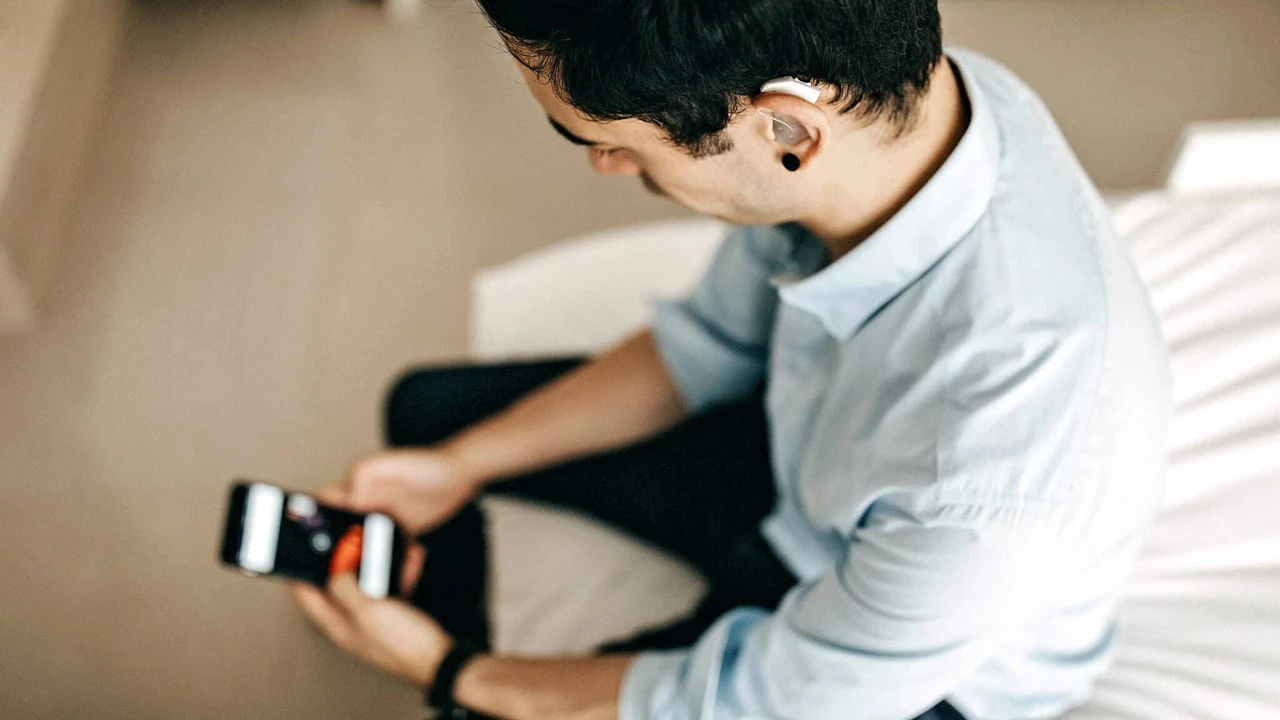
Imagine taking a phone call and hearing the voice of your loved one or colleague directly and clearly in both ears, without holding your phone to your ear or struggling with external speakers. This is the reality with Bluetooth hearing aids. For many, this feature alone is a game-changer, making phone calls less stressful and more enjoyable. Whether you're chatting with family, conducting business calls, or simply ordering takeout, the clarity and convenience are unparalleled. Some models, like Phonak and Starkey, even offer hands-free calling, turning your hearing aids into a true wireless headset.
Immersive Audio Streaming Enjoying Music Podcasts and More
Music lovers can rejoice! Bluetooth hearing aids allow you to stream your favorite tunes directly from your smartphone or tablet, transforming your hearing aids into high-quality stereo headphones. The sound is often customized to your hearing loss, meaning you'll hear details you might have missed before. Podcasts, audiobooks, and even YouTube videos become more engaging. This direct streaming bypasses the hearing aid microphones, reducing background noise and providing a much clearer, more personal listening experience. It's like having a private concert or lecture delivered straight to your ears.
Enhanced TV Viewing Never Miss a Word Again
Struggling to hear the TV? Bluetooth hearing aids, often paired with a TV connector accessory, can stream the audio directly to your hearing aids. This means you can set the TV volume at a comfortable level for others in the room while enjoying crystal-clear dialogue and sound effects directly in your ears. No more blasting the TV or constantly asking 'What did they say?' It creates a more harmonious viewing experience for everyone in the household and ensures you don't miss any crucial plot points or witty banter.
Navigating Public Spaces with Confidence Clear Directions and Announcements
When you're out and about, Bluetooth hearing aids can connect to public address systems via telecoil (if available and activated) or stream navigation directions directly from your phone. Imagine walking through a busy airport and hearing flight announcements clearly in your ears, or getting turn-by-turn directions streamed directly, without having to constantly look at your phone or struggle to hear over traffic. This enhances safety, independence, and reduces the stress of navigating unfamiliar or noisy environments.
Remote Adjustments and Telecare Getting Support from Anywhere
Many Bluetooth hearing aids come with companion apps that enable remote adjustments by your audiologist. This means you can have your hearing aids fine-tuned from the comfort of your home, without needing an in-person visit. This 'telecare' feature is incredibly convenient, especially for follow-up appointments or minor adjustments. It saves time, travel, and ensures you're always getting the optimal performance from your devices, no matter where you are.
Making Your Decision Factors Beyond Price
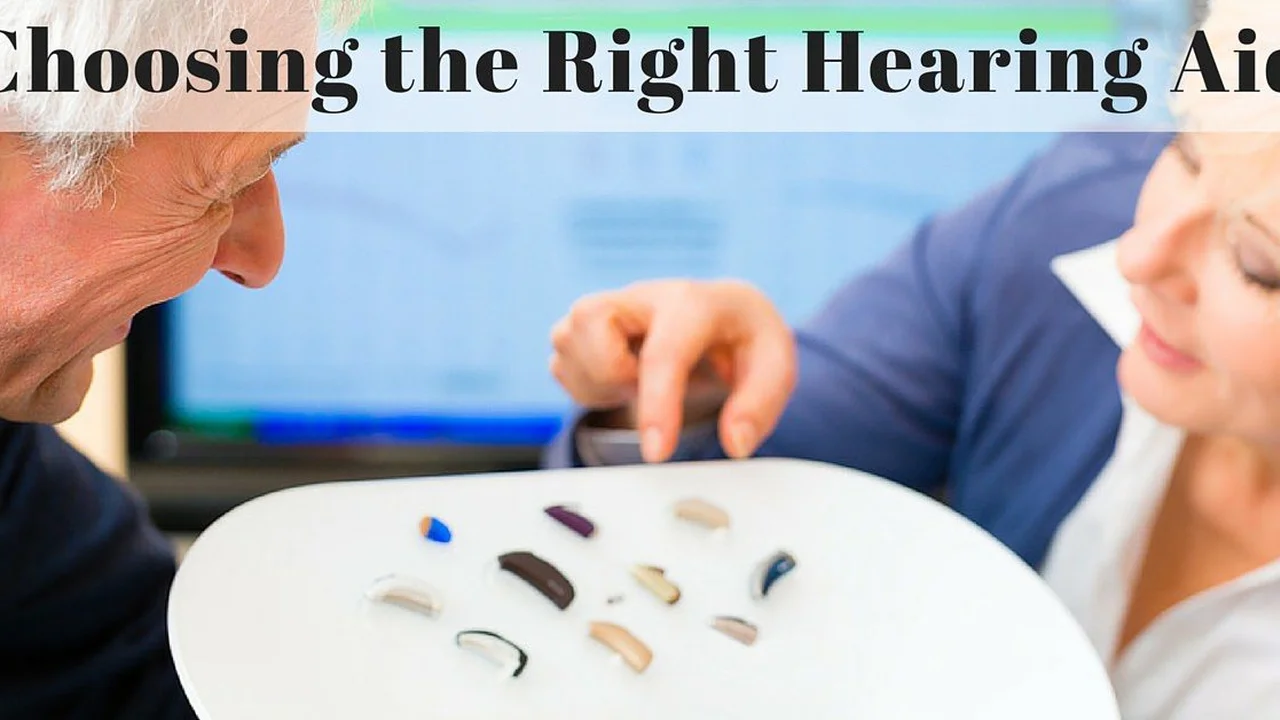
Choosing the right Bluetooth hearing aid involves more than just looking at the price tag. While budget is certainly a consideration, focusing solely on cost might lead you to miss out on features that could significantly improve your quality of life. Think about your daily routine: Are you constantly on the phone? Do you love listening to music or podcasts? Do you struggle with TV dialogue? Your answers will help prioritize features like universal connectivity, hands-free calling, or exceptional music streaming quality.
Consider the level of support and aftercare offered by your audiologist. A professional fitting and ongoing adjustments are crucial for maximizing the benefits of any hearing aid, especially advanced Bluetooth models. A good relationship with your hearing care professional ensures your devices are always optimized for your unique hearing loss and lifestyle. Also, don't underestimate the importance of a trial period. Most reputable clinics offer a trial period, allowing you to test the hearing aids in your real-world environments. This is your chance to experience the Bluetooth connectivity, streaming quality, and overall comfort before making a final commitment. Take advantage of it to stream your favorite music, make phone calls, and watch TV to ensure the chosen model truly meets your expectations.
:max_bytes(150000):strip_icc()/277019-baked-pork-chops-with-cream-of-mushroom-soup-DDMFS-beauty-4x3-BG-7505-5762b731cf30447d9cbbbbbf387beafa.jpg)