Trial Periods For Hearing Aids What To Expect
Understand hearing aid trial periods. Learn what to expect during your trial, how to evaluate devices, and your rights as a consumer.
Understand hearing aid trial periods. Learn what to expect during your trial, how to evaluate devices, and your rights as a consumer.
Trial Periods For Hearing Aids What To Expect
Hey there! So, you're thinking about getting hearing aids, or maybe you've just been fitted with a new pair. That's fantastic! It's a big step towards better hearing and a better quality of life. But let's be real, it's also a significant investment, both financially and emotionally. That's where the hearing aid trial period comes in – it's your golden ticket to making sure you've found the perfect match for your ears and your lifestyle. Think of it like test-driving a car, but for your hearing. You wouldn't buy a car without taking it for a spin, right? The same goes for something as personal and important as hearing aids.
Many people don't fully understand what a trial period entails, what their rights are, or how to make the most of this crucial time. And that's totally okay! We're here to break it all down for you. We'll cover everything from what to expect during your trial, how to effectively evaluate the devices, and even touch upon some specific product recommendations and scenarios to help you navigate this journey. Our goal is to empower you with the knowledge to confidently choose the best hearing aids for your unique needs, ensuring you get the most bang for your buck and, more importantly, the best hearing experience possible.
Understanding Hearing Aid Trial Periods Your Consumer Rights and Expectations
First things first, let's talk about what a trial period actually is. Essentially, it's a designated timeframe, usually mandated by state or federal law in many places, during which you can try out your new hearing aids in your everyday life. If, for any reason, you're not satisfied, you typically have the right to return them for a refund, though a reasonable return fee might apply. This fee usually covers the audiologist's time, fitting services, and sometimes a restocking fee for the manufacturer. It's super important to clarify these terms with your hearing care professional before you even start the trial. Ask about the exact duration of the trial, any associated fees, and the refund policy. Don't be shy – this is your hearing we're talking about!
The length of a trial period can vary, but it's commonly around 30 to 45 days. Some providers might offer longer periods, while others might have slightly shorter ones. The key is that it should be long enough for you to experience the hearing aids in a variety of real-world situations. You need time to adjust, to try them in noisy restaurants, quiet conversations, while watching TV, and even during your favorite hobbies. It's not just about how they feel in the clinic; it's about how they perform in your life.
During this period, you'll likely have follow-up appointments with your audiologist. These appointments are incredibly important! They're your chance to discuss any issues, discomforts, or listening challenges you're experiencing. Your audiologist can then make adjustments to the programming, fit, or even suggest different features or models if necessary. Think of it as fine-tuning the instrument to perfectly match your unique hearing symphony.
Maximizing Your Hearing Aid Trial Period Practical Tips and Evaluation Strategies
So, you've got your new hearing aids and the trial period has begun. Now what? This isn't a passive process; it requires your active participation to get the best results. Here are some practical tips and evaluation strategies to help you make the most of it:
Keep a Hearing Journal Documenting Your Experiences with New Hearing Aids
This is probably the most underrated tip, but it's incredibly effective. Get a small notebook or use a notes app on your phone. Every day, jot down your experiences. What situations did you find challenging? Where did the hearing aids perform exceptionally well? Did you notice any discomfort? For example, you might write: 'Day 5: Dinner with friends at noisy restaurant. Struggled to hear Sarah across the table, but heard John next to me clearly. Felt a slight pressure behind my left ear.' Or 'Day 10: Watched TV, heard dialogue much clearer, didn't need subtitles! Felt comfortable all day.' This journal will be invaluable during your follow-up appointments, providing concrete examples for your audiologist to work with.
Test in Diverse Environments Real World Hearing Aid Performance
Don't just wear them at home! Your hearing aids need to prove themselves in the real world. Take them to:
- Noisy Restaurants/Cafes: This is often the biggest challenge for hearing aid users. How well do they help you focus on conversations amidst background chatter?
- Social Gatherings: Parties, family dinners, group meetings. Can you follow multiple conversations?
- Workplace: Meetings, phone calls, interacting with colleagues. Are they helping you be more productive?
- Outdoors: Parks, busy streets, nature walks. How do they handle wind noise or traffic?
- Entertainment: Movies, concerts, theater. Do you enjoy these experiences more?
- Quiet Settings: Even in quiet, listen for subtle sounds you might have missed before, like the refrigerator humming or birds chirping.
Evaluate Comfort and Fit Long Term Wearability of Hearing Aids
Comfort is paramount. If your hearing aids aren't comfortable, you won't wear them. Pay attention to:
- Physical Sensation: Do they feel too tight, too loose, or cause any soreness?
- Itching or Irritation: Is your ear canal getting irritated?
- Secure Fit: Do they feel like they might fall out when you move your head or chew?
- Occlusion Effect: Do you feel like your own voice sounds hollow or boomy? This is common but can often be adjusted.
Assess Sound Quality and Clarity Optimizing Your Hearing Experience
This is the core purpose of hearing aids. Ask yourself:
- Speech Clarity: Can you understand speech better, especially in challenging environments?
- Natural Sound: Do sounds feel natural, or do they sound artificial or tinny?
- Volume Control: Is the volume appropriate, and can you easily adjust it when needed?
- Feedback: Are you experiencing any whistling or squealing sounds? This is usually fixable.
- Directionality: Can you tell where sounds are coming from?
Utilize All Features Exploring Advanced Hearing Aid Technologies
Modern hearing aids come packed with features. Don't let them go to waste! If your hearing aids have:
- Bluetooth Connectivity: Try streaming phone calls, music, or podcasts directly to your ears. How's the sound quality? Is it easy to connect?
- Smartphone App Control: Experiment with changing programs, adjusting volume, or even using geo-tagging features. Is the app intuitive?
- Rechargeable Batteries: How long do they last on a single charge? Is the charging process convenient?
- Different Programs: Many hearing aids have programs for noisy environments, music, or quiet settings. Make sure to switch between them and see which works best where.
Specific Product Recommendations and Use Cases Choosing the Right Hearing Aids
While a trial period is about *your* experience, it's helpful to know about some popular and well-regarded models that often perform well in trials. Remember, what works for one person might not work for another, but these can give you a starting point for discussion with your audiologist. Prices are approximate and can vary widely based on technology level, provider, and location.
For the Tech Savvy User Advanced Connectivity and Features
If you're someone who loves gadgets and wants seamless integration with your digital life, look for models with robust Bluetooth capabilities and intuitive smartphone apps.
Phonak Paradise P90 Hearing Aids Seamless Connectivity and Sound Quality
- Key Features: Universal Bluetooth connectivity (connects to almost any Bluetooth device, not just Apple), excellent sound quality, motion sensors for adaptive sound processing, tap control for calls/voice assistant.
- Use Case: Perfect for professionals who take many calls, music lovers, or anyone who wants to stream audio directly from their phone, laptop, or TV. The motion sensor is great for active individuals.
- Trial Focus: Test phone call clarity, music streaming quality, and how well the motion sensor adapts to different environments (e.g., walking vs. sitting).
- Approximate Price: $3,000 - $7,000 per pair, depending on the technology level and provider.
Oticon More 1 Hearing Aids BrainHearing Technology and AI Integration
- Key Features: Utilizes a Deep Neural Network (DNN) trained with millions of sound scenes to provide a more natural sound experience, 360-degree sound processing, direct streaming from iPhone and select Android devices.
- Use Case: Ideal for individuals who prioritize a natural soundscape and want to hear all sounds around them, not just speech in front. Great for social situations and enjoying complex sound environments.
- Trial Focus: Evaluate how well you perceive sounds from all directions, especially in busy environments. Test the clarity of speech in group conversations.
- Approximate Price: $3,500 - $7,500 per pair.
For the Discreet Wearer Invisible and Comfortable Hearing Solutions
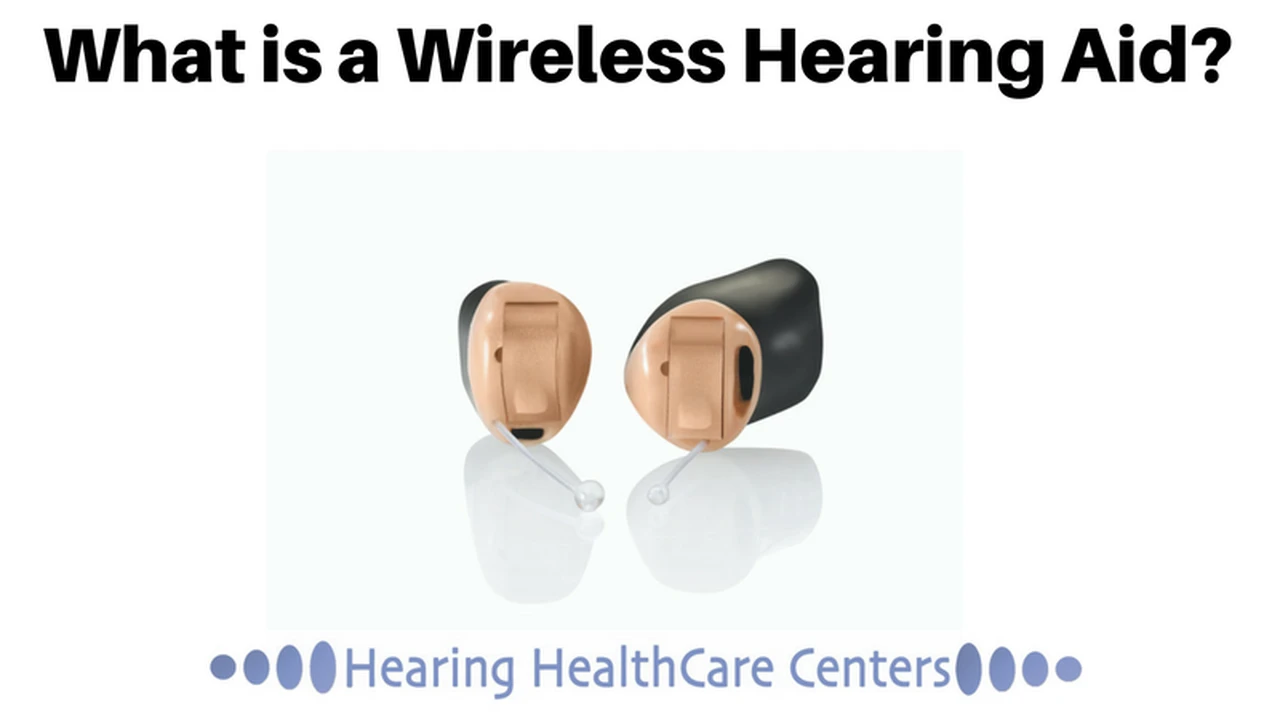
If discretion is your top priority, you'll want to explore In-The-Canal (ITC) or Completely-In-Canal (CIC) models, or even some very small Receiver-In-Canal (RIC) options.
Starkey Evolv AI CIC Hearing Aids Custom Fit and Discreet Design
- Key Features: Custom-molded for your ear canal, very discreet, AI features for personalized sound, fall detection, and activity tracking (in some models).
- Use Case: Excellent for those who want their hearing aids to be virtually unnoticeable. Good for mild to moderate hearing loss.
- Trial Focus: Assess the physical comfort of the custom fit over long periods. Check for any occlusion effect and how well they perform in various listening situations despite their small size.
- Approximate Price: $2,500 - $6,500 per pair.
Signia Pure Charge&Go AX RIC Hearing Aids Small Form Factor and Rechargeable
- Key Features: Very small RIC design, rechargeable, split processing of speech and background noise for enhanced clarity, direct streaming.
- Use Case: A great option for those who want discretion but also the benefits of a RIC (like external receiver for better sound quality and power). Suitable for a wide range of hearing losses.
- Trial Focus: Evaluate the balance between discretion and sound performance. Test the battery life and ease of charging.
- Approximate Price: $3,000 - $7,000 per pair.
For Those Prioritizing Value and Simplicity Affordable and User Friendly Hearing Aids
Not everyone needs or wants all the bells and whistles. Sometimes, a reliable, easy-to-use device is all you need. Over-The-Counter (OTC) options are also becoming more prevalent for mild to moderate hearing loss.
Jabra Enhance Plus OTC Hearing Aids Simplicity and Affordability
- Key Features: Designed for mild to moderate hearing loss, combines hearing enhancement with premium earbuds, controlled via a smartphone app, rechargeable.
- Use Case: Ideal for first-time users with mild to moderate hearing loss who want an affordable, easy-to-use solution that also functions as high-quality earbuds for music and calls.
- Trial Focus: Assess the ease of setup and use with the app. Evaluate sound quality for both hearing enhancement and media streaming. Note that OTC devices typically don't come with professional fitting services, so your 'trial' is more about self-assessment.
- Approximate Price: $799 - $1,199 per pair (often sold as a single unit).
Lexie B2 Powered by Bose OTC Hearing Aids User Friendly and Accessible
- Key Features: Self-fitting via a smartphone app, rechargeable, designed for mild to moderate hearing loss, offers personalized sound settings.
- Use Case: Another excellent OTC option for those seeking an accessible and user-friendly device without the need for an audiologist visit. Good for individuals comfortable with technology.
- Trial Focus: Focus on the self-fitting process and how well the app guides you. Test the sound quality in various everyday situations.
- Approximate Price: $999 - $1,199 per pair.
Troubleshooting During Your Hearing Aid Trial Common Issues and Solutions
It's rare for a trial period to go perfectly smoothly from day one. You're likely to encounter some minor issues, and that's completely normal! The key is to communicate these to your audiologist. Here are some common challenges and how to approach them:
Feedback or Whistling Sounds Addressing Hearing Aid Feedback
This is one of the most common complaints. It can be caused by a poor fit, earwax buildup, or the hearing aid being too close to an object (like your hand or a phone). Don't just live with it! Note it in your journal and discuss it with your audiologist. They can often adjust the fit, clean your ears, or modify the programming to reduce or eliminate feedback.
Discomfort or Soreness Ensuring Comfortable Hearing Aid Fit
If your hearing aids are causing physical pain, pressure, or irritation, they need to be adjusted. This could be a simple tweak to the dome or earmold, or it might indicate that a different style or size is needed. Your audiologist can assess the fit and make the necessary changes. Remember, comfort is non-negotiable for consistent wear.
Difficulty in Noisy Environments Improving Speech Understanding in Noise
While modern hearing aids are much better in noise, it's still a challenging environment. If you're struggling, your audiologist can adjust the noise reduction settings, directional microphone settings, or even program a specific 'noisy environment' program for you. Sometimes, it's also about learning new communication strategies, like positioning yourself better in a conversation.
Sound Quality Issues Naturalness and Clarity of Hearing Aids
If sounds seem unnatural, tinny, or too loud/soft, these are all programming issues that can be addressed. Your audiologist can fine-tune the amplification levels across different frequencies to make sounds more natural and comfortable for you. Be specific in your journal about what sounds unnatural (e.g., 'my own voice sounds boomy,' 'music sounds distorted').
Battery Life Concerns Maximizing Hearing Aid Battery Performance
If you have rechargeable hearing aids and they're not lasting the full day, or if disposable batteries are dying too quickly, discuss this. It could be due to excessive streaming, a faulty battery, or simply that your usage patterns require a different battery type or charging routine. Your audiologist can offer solutions or advise on expected battery life.
Making Your Final Decision Concluding Your Hearing Aid Trial
As your trial period draws to a close, you'll need to make a decision. Have you found the right hearing aids? Here's how to approach it:
Review Your Hearing Journal Reflecting on Your Trial Experience
Go back through your journal. What were the consistent positives? What were the persistent negatives? This objective record will be your best friend in making an informed decision.
Discuss With Your Audiologist Final Adjustments and Recommendations
Schedule a final consultation. Share your journal, discuss all your experiences, and ask any lingering questions. Your audiologist can provide their professional opinion, make any last-minute adjustments, or even suggest trying a different model or brand if the current ones aren't meeting your needs. Don't feel pressured to keep something that isn't working for you.
Consider Your Lifestyle and Budget Long Term Hearing Aid Investment
Think about how the hearing aids fit into your daily life. Are they comfortable enough for all-day wear? Do they help you in the situations that matter most to you? And, of course, consider the financial aspect. Does the benefit you're receiving justify the cost? Remember, better hearing is an investment in your overall well-being.
Your Rights to Return or Exchange Understanding Consumer Protections
If, after all adjustments and considerations, you're still not satisfied, remember your right to return the hearing aids. Be clear about your decision and understand the return process and any associated fees. Sometimes, exchanging for a different model or even a different type of hearing aid (e.g., from RIC to BTE) might be the best solution, and a good audiologist will support you in finding what truly works.
The hearing aid trial period is a critical phase in your journey to better hearing. By actively participating, documenting your experiences, and openly communicating with your audiologist, you significantly increase your chances of finding the perfect hearing aids that will enhance your life for years to come. So, embrace the trial, be patient with yourself, and listen to your ears – they'll tell you what's right!
:max_bytes(150000):strip_icc()/277019-baked-pork-chops-with-cream-of-mushroom-soup-DDMFS-beauty-4x3-BG-7505-5762b731cf30447d9cbbbbbf387beafa.jpg)