Ototoxic Medications That Can Cause Hearing Loss
Identify ototoxic medications that can damage your hearing. Learn which drugs to be aware of and how to protect your ears from drug-induced hearing loss.
Identify ototoxic medications that can damage your hearing. Learn which drugs to be aware of and how to protect your ears from drug-induced hearing loss.
Ototoxic Medications That Can Cause Hearing Loss
Hey there! Have you ever wondered if the medications you're taking could be affecting your hearing? It's a pretty important question, especially since many common drugs have a side effect known as ototoxicity. This fancy word simply means 'ear poisoning,' and it refers to drugs that can damage the inner ear, leading to hearing loss, tinnitus (ringing in the ears), or balance problems. It's not something most doctors bring up unless you ask, so being informed is key to protecting your precious hearing.
We're going to dive deep into the world of ototoxic medications. We'll cover what they are, how they can harm your ears, and most importantly, which specific drugs you should be aware of. We'll also chat about what you can do to protect yourself, what to look out for, and when to talk to your doctor. This isn't about scaring anyone, but empowering you with knowledge so you can have informed conversations with your healthcare providers. Let's get started!
Understanding Ototoxicity How Drugs Harm Your Ears
So, how exactly do these medications mess with your hearing? Well, the inner ear is a super delicate and complex organ. It contains tiny hair cells in the cochlea that convert sound vibrations into electrical signals for your brain, and other structures that help with balance. Ototoxic drugs can damage these hair cells, the nerves that transmit signals, or even the blood supply to the inner ear. Once these hair cells are damaged, they usually don't grow back, which means the hearing loss can be permanent. However, in some cases, if the drug is stopped early enough, the damage might be reversible or partially reversible.
The severity and type of hearing loss depend on several factors: the specific drug, the dosage, how long you take it, your individual susceptibility, and whether you're taking other ototoxic drugs at the same time. Some drugs cause temporary hearing loss that resolves once you stop taking them, while others can lead to permanent damage. Tinnitus is also a very common symptom, often preceding or accompanying hearing loss. Balance issues, like dizziness or vertigo, can also occur if the vestibular system (the part of the inner ear responsible for balance) is affected.
Common Culprits Identifying Key Ototoxic Drug Classes
Let's get down to brass tacks and talk about the main categories of medications known to be ototoxic. This isn't an exhaustive list, but it covers the most common and potent offenders. Always remember to check the patient information leaflet for any medication you're prescribed, and discuss concerns with your doctor or pharmacist.
Aminoglycoside Antibiotics Hearing Loss Risk
These are a powerful class of antibiotics often used to treat serious bacterial infections, especially in hospitals. While they're life-savers in many situations, they are also highly ototoxic. Examples include:
- Gentamicin: This is probably the most well-known. It can cause significant and often irreversible hearing loss and balance problems.
- Tobramycin: Similar to gentamicin, it carries a high risk of ototoxicity.
- Amikacin: Another strong antibiotic with ototoxic potential.
- Streptomycin: Historically used for tuberculosis, it's also known for its ototoxic effects.
These drugs are usually administered intravenously, and doctors typically monitor blood levels to minimize the risk of toxicity. If you're on one of these, regular hearing tests might be recommended.
Loop Diuretics Diuretics and Hearing Health
Often called 'water pills,' loop diuretics are used to treat conditions like heart failure, kidney disease, and high blood pressure by helping your body get rid of excess fluid. While generally safe, high doses or rapid intravenous administration can lead to temporary or, less commonly, permanent hearing loss. Key examples include:
- Furosemide (Lasix): A very common loop diuretic.
- Bumetanide (Bumex): Another potent loop diuretic.
- Torsemide (Demadex): Also carries an ototoxic risk.
The risk is higher if you have kidney problems or are also taking other ototoxic drugs. The hearing loss from loop diuretics is often reversible once the medication is stopped.
NSAIDs Nonsteroidal Anti-Inflammatory Drugs and Hearing
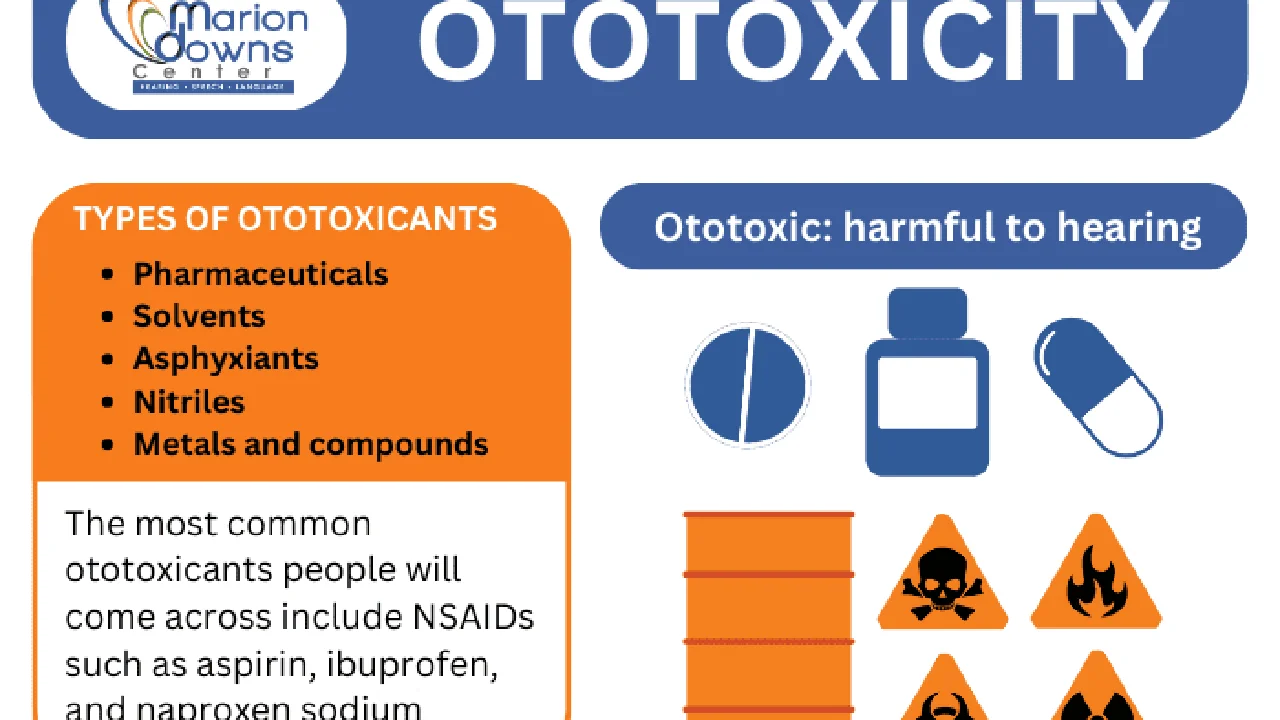
This one might surprise many people, as NSAIDs are incredibly common over-the-counter pain relievers. While the risk is generally lower than with aminoglycosides, prolonged use of high doses can be ototoxic, often causing temporary hearing loss or tinnitus. Examples include:
- Aspirin: High doses, especially for conditions like rheumatoid arthritis, are known to cause tinnitus and reversible hearing loss.
- Ibuprofen (Advil, Motrin): Long-term, high-dose use can be a factor.
- Naproxen (Aleve): Similar to ibuprofen, prolonged use can pose a risk.
The good news is that hearing usually returns to normal once you stop taking these medications. However, if you rely on them regularly, it's worth discussing with your doctor.
Chemotherapy Drugs Cancer Treatment and Hearing Loss
Many chemotherapy agents, while crucial for fighting cancer, are highly toxic to the inner ear. The damage can be severe and permanent. This is a significant concern for cancer patients, especially children. Important examples include:
- Cisplatin: One of the most ototoxic chemotherapy drugs, often causing high-frequency hearing loss.
- Carboplatin: Also carries a risk, though generally less severe than cisplatin.
- Oxaliplatin: Can cause ototoxicity, though less frequently than cisplatin.
For patients undergoing chemotherapy with these drugs, regular audiometric monitoring is often part of the treatment protocol to detect and manage hearing loss early.
Antimalarial Drugs Quinine and Hearing Effects
Certain drugs used to treat or prevent malaria can also be ototoxic. The most prominent is:
- Quinine: Can cause temporary hearing loss, tinnitus, and vertigo. These symptoms usually resolve once the drug is discontinued.
- Chloroquine and Hydroxychloroquine: While less common, long-term use, especially at high doses, has been linked to ototoxicity.
If you're traveling to a malaria-prone area and are prescribed these, be aware of the potential side effects.
Other Medications to Be Aware Of
Beyond these major categories, several other drugs can have ototoxic effects, though perhaps less frequently or with different mechanisms:
- Erythromycin (and other Macrolide Antibiotics): High doses, especially intravenously, can cause temporary hearing loss.
- Vancomycin: Another antibiotic with potential ototoxicity, particularly when combined with aminoglycosides.
- Sildenafil (Viagra) and Tadalafil (Cialis): There have been reports of sudden hearing loss associated with these erectile dysfunction drugs, though the mechanism isn't fully understood.
- Tricyclic Antidepressants: Some reports link these to tinnitus.
- Benzodiazepines (e.g., Xanax, Valium): Can sometimes cause tinnitus or exacerbate existing tinnitus.
Protecting Your Hearing Strategies and Precautions
So, what can you do to protect your hearing if you need to take one of these medications? It's all about being proactive and having open communication with your healthcare team.
Discuss With Your Doctor Medication Review
Before starting any new medication, or if you're concerned about one you're already taking, have a frank discussion with your doctor. Ask specific questions:
- "Is this medication ototoxic?"
- "What are the risks of hearing loss or tinnitus with this drug?"
- "Are there alternative medications that are less ototoxic?"
- "What symptoms should I watch out for?"
- "Do I need a baseline hearing test before starting this medication?"
It's especially important to mention if you already have hearing loss, tinnitus, or a family history of hearing problems, as this might increase your susceptibility.
Dosage and Duration Minimizing Exposure
Often, the risk of ototoxicity is dose-dependent. Your doctor will aim to prescribe the lowest effective dose for the shortest necessary duration. Don't adjust your dosage yourself, but discuss any concerns about prolonged use or high doses with your physician. For some drugs, like aminoglycosides, therapeutic drug monitoring (checking blood levels) is done to ensure the drug is effective without reaching toxic levels.
Baseline and Monitoring Hearing Tests
If you're prescribed a highly ototoxic medication, especially for a long period or at high doses, your doctor might recommend a baseline audiogram (a hearing test) before you start treatment. This provides a reference point. Then, regular follow-up audiograms can help detect any changes in your hearing early on. Early detection means your doctor can potentially adjust your treatment plan before significant, irreversible damage occurs.
Avoid Concurrent Ototoxic Drugs Combination Risks
Taking multiple ototoxic drugs at the same time can significantly increase the risk of hearing damage. For example, combining an aminoglycoside antibiotic with a loop diuretic is a known risk factor. Always inform your doctor about ALL medications you are taking, including over-the-counter drugs, supplements, and herbal remedies, to avoid dangerous interactions.
Stay Hydrated and Maintain Kidney Function
For some drugs, particularly loop diuretics and certain antibiotics, good kidney function is important for clearing the drug from your system. Dehydration or impaired kidney function can lead to higher concentrations of the drug in your body, increasing the risk of ototoxicity. Staying well-hydrated and managing any underlying kidney conditions can be beneficial.
Listen to Your Body Recognizing Symptoms
Be vigilant for any changes in your hearing or balance. Symptoms to watch out for include:
- New or worsening tinnitus: Ringing, buzzing, hissing, or roaring sounds in your ears.
- Hearing loss: Difficulty understanding speech, needing to turn up the TV volume, missing parts of conversations. This often starts with high-frequency sounds.
- Dizziness or vertigo: A sensation of spinning, unsteadiness, or lightheadedness.
- Fullness or pressure in the ears.
If you experience any of these symptoms while on medication, contact your doctor immediately. Don't wait!
Specific Product Recommendations and Considerations
While we can't recommend specific medications (that's your doctor's job!), we can talk about how different types of hearing aids and assistive listening devices can help if you do experience drug-induced hearing loss. The best 'product' here is prevention and early intervention, but if damage occurs, technology can certainly help.
Hearing Aids For Drug Induced Hearing Loss
If ototoxic medications have caused permanent hearing loss, hearing aids are often the primary solution. The type and severity of hearing loss will dictate the best choice. Here are some general considerations and product types:
Behind-The-Ear BTE Hearing Aids
Description: These are the most common type, with the main unit sitting behind the ear and a tube connecting to an earmold or dome in the ear canal. They come in various sizes, from mini-BTEs to power BTEs. Use Case: Suitable for almost all types and degrees of hearing loss, from mild to profound. Power BTEs are excellent for severe to profound losses, which can sometimes result from ototoxicity. Pros: Very durable, easy to handle, longer battery life, can accommodate larger batteries and more features, good for children. Cons: More visible than other types. Example Products/Brands:
- Phonak Naída Paradise P90-UP: Known for its powerful amplification and excellent sound quality, ideal for severe to profound hearing loss. Features include Bluetooth connectivity and a robust design. Price Range: $2,500 - $4,000 per aid.
- Oticon Xceed: Specifically designed for severe to profound hearing loss, offering 360-degree sound and advanced noise management. Price Range: $2,800 - $4,500 per aid.
Receiver-In-Canal RIC Hearing Aids
Description: Similar to BTEs, but the receiver (speaker) is placed directly in the ear canal, connected by a thin wire. This makes them smaller and often more discreet. Use Case: Mild to severe hearing loss. Very popular due to their comfort and sound quality. Pros: Discreet, comfortable, natural sound quality, often rechargeable. Cons: Receiver in the ear canal can be prone to wax buildup, slightly less powerful than some BTEs. Example Products/Brands:
- Resound ONE: Features an extra microphone in the ear for a more natural sound experience, excellent for speech understanding in noise. Rechargeable options available. Price Range: $2,000 - $3,500 per aid.
- Starkey Livio Edge AI: Offers advanced AI features for sound processing, fall detection, and language translation. Available in rechargeable RIC models. Price Range: $2,500 - $4,000 per aid.
In-The-Ear ITE Hearing Aids
Description: Custom-made to fit entirely within the outer ear bowl. They are larger than canal aids but still quite discreet. Use Case: Mild to severe hearing loss. Pros: Easy to handle, good battery life, can accommodate features like directional microphones, less prone to wind noise. Cons: More visible than canal aids, can feel occluding. Example Products/Brands:
- Widex Moment ITE: Known for its pure, natural sound processing, minimizing delay for a more immediate listening experience. Custom-made for a perfect fit. Price Range: $2,000 - $3,800 per aid.
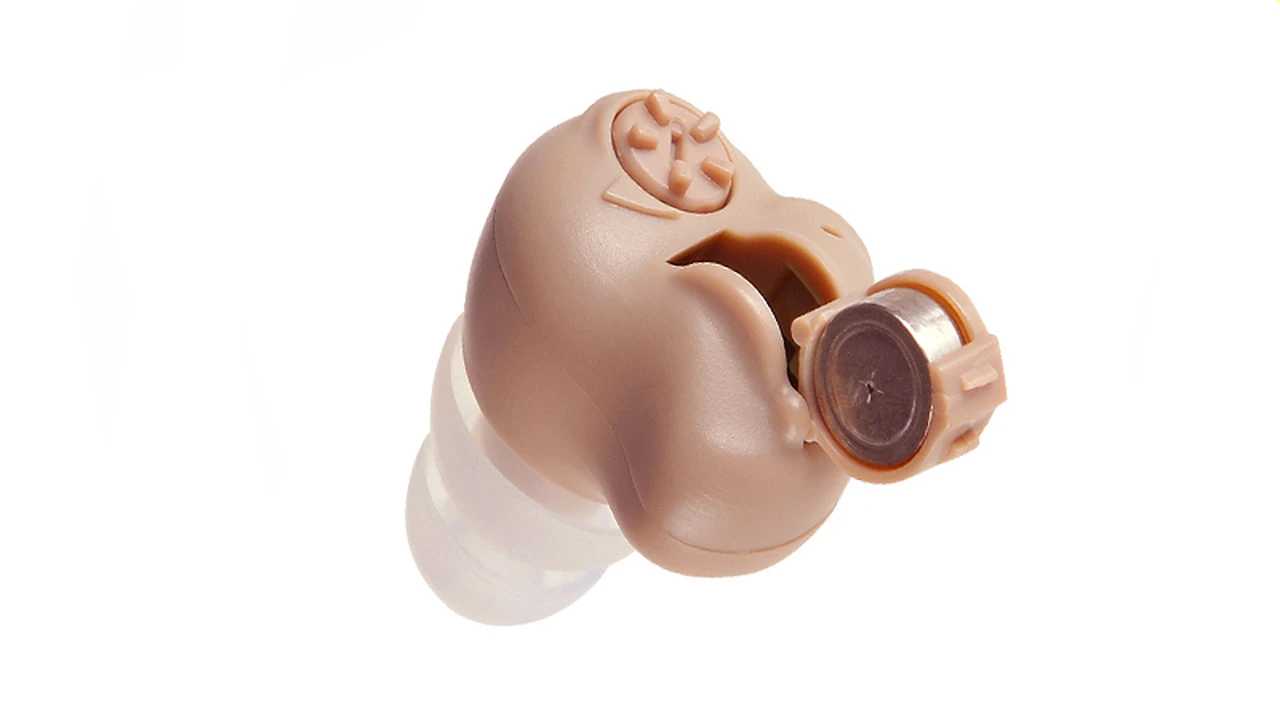
Completely-In-Canal CIC and Invisible-In-Canal IIC Hearing Aids
Description: These are the smallest and most discreet hearing aids, custom-made to fit deep inside the ear canal, making them virtually invisible. Use Case: Mild to moderate hearing loss. Not suitable for severe losses or those with very narrow ear canals. Pros: Extremely discreet, natural sound localization. Cons: Shorter battery life, no room for advanced features like directional microphones or rechargeable batteries, can be difficult to handle for those with dexterity issues. Example Products/Brands:
- Signia Silk X: A ready-to-wear CIC option that doesn't require a custom impression, offering immediate discreet hearing. Price Range: $1,800 - $3,000 per aid.
- Lyric (by Phonak): An extended-wear, 100% invisible hearing aid that stays in your ear for months at a time. It's a subscription-based model. Price Range: Subscription fees vary, often $2,000 - $3,000 per ear per year.
Assistive Listening Devices ALDs and Accessories
Beyond traditional hearing aids, ALDs can significantly enhance communication, especially in challenging listening environments or for specific tasks.
Personal Amplifiers Pocket Talkers
Description: Small, portable devices with a microphone that picks up sound and amplifies it through headphones or earbuds. They are simple, affordable, and easy to use. Use Case: Temporary hearing difficulties, one-on-one conversations, or for those who find hearing aids too complex. Can be a good interim solution. Pros: Inexpensive, immediate amplification, no fitting required. Cons: Not as sophisticated as hearing aids, can look conspicuous. Example Product: Pocketalker Ultra Duo Personal Amplifier. Price: $150 - $250.
TV Listeners Wireless TV Headphones
Description: Systems that wirelessly transmit audio from your TV directly to headphones or hearing aids (via a streamer), allowing you to hear the TV clearly without turning up the volume for others. Use Case: Improving TV listening experience without disturbing family members. Pros: Clear TV audio, adjustable volume for the user, often compatible with hearing aids. Cons: Can be an additional device to manage. Example Product: Sennheiser RS 5000 Digital Wireless Headphone System. Price: $200 - $300.
Remote Microphones For Enhanced Speech
Description: Small, portable microphones that a speaker can wear or place near a sound source. They wirelessly stream the audio directly to your hearing aids, significantly improving speech understanding in noisy environments or at a distance. Use Case: Restaurants, lectures, meetings, group conversations. Pros: Dramatically improves signal-to-noise ratio, easy to use. Cons: Requires compatible hearing aids, an additional device to carry. Example Products:
- Phonak Roger On: A versatile remote microphone that can be used in various modes (pointing, table, presenter). Price: $800 - $1,200.
- Oticon ConnectClip: Functions as a remote microphone, hands-free phone calls, and a remote control for Oticon hearing aids. Price: $300 - $500.
Living with Drug-Induced Hearing Loss Support and Resources
If you do experience hearing loss due to ototoxic medications, it's not the end of the world. There's a lot of support and many resources available to help you adapt and continue living a full life.
Audiological Rehabilitation Post-Diagnosis Support
An audiologist can be your best friend here. They will not only help you select and fit appropriate hearing aids but also provide audiological rehabilitation. This can include:
- Counseling: Helping you understand your hearing loss and its impact.
- Communication strategies: Teaching you tips and tricks for better communication in various situations.
- Assistive listening device training: Showing you how to use ALDs effectively.
- Tinnitus management: If tinnitus is a problem, they can offer strategies like sound therapy or cognitive behavioral therapy.
Support Groups and Community Connection
Connecting with others who have hearing loss can be incredibly empowering. Support groups, both online and in-person, offer a safe space to share experiences, learn coping mechanisms, and feel less alone. Organizations like the Hearing Loss Association of America (HLAA) or local deaf and hard-of-hearing associations can provide valuable resources and community.
Advocacy and Awareness Informing Others
Being aware of ototoxic medications also means you can advocate for yourself and help inform others. Share this knowledge with friends and family, especially if they are on long-term medications or undergoing treatments that carry a risk. The more people who are informed, the better we can collectively protect our hearing health.
Ultimately, while the thought of medication-induced hearing loss can be daunting, knowledge is power. By understanding the risks, communicating openly with your healthcare providers, and being vigilant about your hearing, you can take significant steps to protect one of your most vital senses. And if hearing loss does occur, remember that modern technology and a strong support system can help you navigate the challenges and continue to enjoy the sounds of life.
:max_bytes(150000):strip_icc()/277019-baked-pork-chops-with-cream-of-mushroom-soup-DDMFS-beauty-4x3-BG-7505-5762b731cf30447d9cbbbbbf387beafa.jpg)