Comparing The Best OTC Hearing Aids Available
A comprehensive comparison of the best over-the-counter hearing aids. Evaluate ease of use, features, and suitability for mild to moderate hearing loss.
A comprehensive comparison of the best over-the-counter hearing aids. Evaluate ease of use, features, and suitability for mild to moderate hearing loss.
Comparing The Best OTC Hearing Aids Available
Hey there! If you're experiencing mild to moderate hearing loss and are looking for a more accessible and often more affordable solution than traditional prescription hearing aids, you've landed in the right place. Over-the-counter (OTC) hearing aids have really shaken up the market, making it easier for many people to get the help they need without multiple audiologist visits. But with so many options popping up, how do you choose the best one for you? That's exactly what we're going to dive into today. We'll compare some of the top OTC hearing aids, looking at their ease of use, features, and who they're best suited for. Let's get started!
Understanding OTC Hearing Aids What You Need to Know
Before we jump into specific products, let's quickly cover what OTC hearing aids are all about. These devices are designed for adults aged 18 and older with perceived mild to moderate hearing loss. This means if you sometimes struggle to hear conversations in noisy places, need to turn up the TV volume more than others, or miss soft sounds, an OTC hearing aid might be a good fit. They're regulated by the FDA, ensuring a certain level of safety and effectiveness. The big difference from prescription aids is that you can buy them directly from stores or online without needing a doctor's referral or a professional fitting by an audiologist. However, many still offer app-based customization to help you fine-tune them to your specific hearing needs.
Key Features to Look For in OTC Hearing Aids
When you're shopping for OTC hearing aids, it's easy to get overwhelmed by all the tech jargon. To simplify things, here are some crucial features to keep an eye out for:
- Ease of Use and Setup: How simple is it to get them up and running? Do they require a smartphone app for setup, or can you adjust them directly on the device?
- Sound Quality and Clarity: This is paramount, right? Look for devices that offer clear sound, especially in different environments.
- Noise Reduction and Directionality: Can they help you focus on conversations in noisy restaurants or crowded places? Good noise reduction is a game-changer.
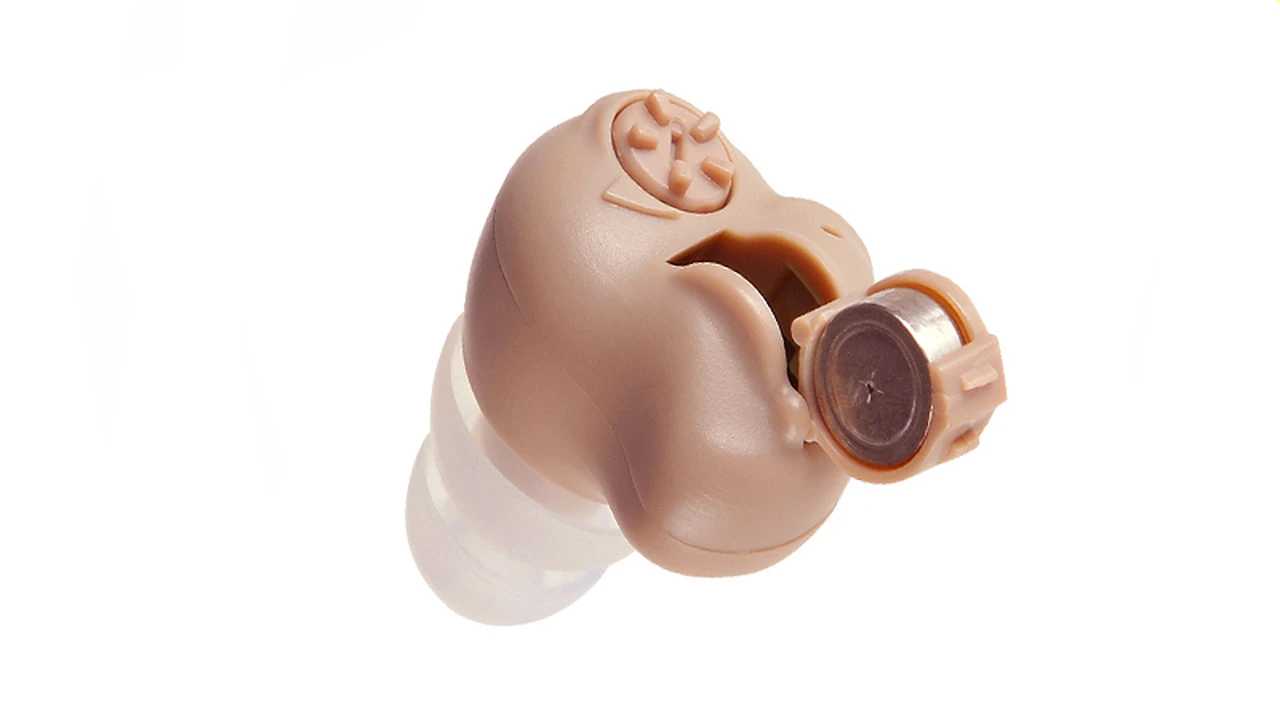
- Battery Life and Type: Are they rechargeable, or do they use disposable batteries? How long do they last on a single charge or set of batteries?
- Comfort and Fit: Hearing aids need to be comfortable for all-day wear. Do they come with different ear tip sizes? Are they discreet?
- Smartphone App Integration: Many OTC aids come with companion apps that allow for personalized adjustments, volume control, and even hearing tests.
- Bluetooth Connectivity: Can you stream calls, music, or podcasts directly to your hearing aids? This is a huge convenience for many.
- Customer Support and Warranty: What kind of support is available if you run into issues? What's the warranty period?
Top Contenders in the OTC Hearing Aid Market A Detailed Comparison
Alright, let's get to the good stuff! We've picked out some of the most popular and highly-rated OTC hearing aids to compare. Keep in mind that prices can fluctuate, and features might vary slightly between models or generations.
Jabra Enhance Select 500 The Smart Choice for Customization
The Jabra Enhance Select line, especially the 500 model, is a fantastic option if you're looking for a blend of professional support and OTC convenience. While they are technically self-fitting, Jabra offers optional access to audiologist support for remote adjustments, which is a huge plus for peace of mind.
- Key Features: These are RIC (Receiver-In-Canal) style, offering a comfortable and discreet fit. They boast excellent sound quality, advanced noise reduction, and impressive speech clarity. The companion app is intuitive, allowing for personalized sound profiles based on an in-app hearing test. Bluetooth streaming for calls and music is seamless. They are rechargeable, offering up to 30 hours of battery life on a single charge.
- Ease of Use: The initial setup involves an in-app hearing test and personalization. While it's self-guided, the option for professional remote adjustments makes it very user-friendly, especially for first-time users.
- Target User: Ideal for individuals with mild to moderate hearing loss who appreciate the flexibility of OTC but also value the option of professional guidance. Great for those who are tech-savvy enough to use a smartphone app for adjustments.
- Pros: Excellent sound quality, strong noise reduction, optional professional remote support, comfortable RIC design, long battery life, good Bluetooth connectivity.
- Cons: Higher price point compared to some other OTC options, requires a smartphone for full customization.
- Estimated Price: Around $1,600 - $2,000 per pair, depending on the service package chosen.
- Usage Scenario: Perfect for someone who wants to confidently navigate noisy social gatherings, enjoy clear conversations with family, and stream their favorite audio directly to their ears.
Lexie B2 Powered by Bose The User-Friendly Option
Lexie Hearing, in partnership with Bose, has created the Lexie B2, an OTC hearing aid that prioritizes simplicity and ease of use. It's designed to be very accessible for those who might be new to hearing aids.
- Key Features: These are also RIC style. They focus on clear sound and offer a simple, app-based self-fitting process. The Bose technology contributes to a natural sound experience. They include directional microphones to help focus on speech in noisy environments. Rechargeable with up to 18 hours of battery life.
- Ease of Use: The Lexie app guides you through a simple setup process, allowing you to adjust volume and switch between different environmental settings (e.g., restaurant, TV). No professional fitting is required, making it truly OTC.
- Target User: Excellent for individuals with mild to moderate hearing loss who want a straightforward, easy-to-use device without complex features or professional intervention. Great for those who prioritize simplicity.
- Pros: Very user-friendly app, natural sound quality, comfortable fit, good for everyday listening, relatively affordable.
- Cons: Less advanced features compared to some premium OTC models, shorter battery life than some competitors, no direct streaming for music (only calls on some models).
- Estimated Price: Around $999 - $1,099 per pair.
- Usage Scenario: Ideal for someone who wants to improve their hearing in daily conversations, watch TV more comfortably, and feel more connected in family gatherings without a steep learning curve.
Sony CRE-C10 and CRE-E10 The Discreet and Feature-Rich Choices
Sony has entered the OTC market with two distinct models: the CRE-C10, which is super discreet, and the CRE-E10, which offers more features like Bluetooth streaming.
Sony CRE-C10 The Nearly Invisible Aid
- Key Features: This is a completely-in-canal (CIC) style hearing aid, making it incredibly discreet. It's designed for those who prioritize invisibility. It offers good sound quality for its size and uses disposable size 10 batteries, lasting about 70 hours. The app allows for basic personalization.
- Ease of Use: The app guides you through a simple setup. Its small size means it's easy to insert and remove, but adjustments are primarily app-based.
- Target User: Perfect for individuals with mild to moderate hearing loss who want the most discreet option possible and don't necessarily need advanced streaming features.
- Pros: Extremely discreet, comfortable for many, good sound quality for its size, simple app control.
- Cons: No Bluetooth streaming, uses disposable batteries (which some find less convenient), may not be suitable for those with dexterity issues due to its small size, less powerful than RIC models.
- Estimated Price: Around $999 - $1,199 per pair.
- Usage Scenario: Great for someone who is self-conscious about wearing hearing aids and wants a subtle boost in hearing for one-on-one conversations and quiet environments.
Sony CRE-E10 The Feature-Packed Earbud Style
- Key Features: These look more like traditional earbuds, offering a modern aesthetic. They are rechargeable and provide excellent sound quality with advanced noise reduction. Crucially, they offer full Bluetooth streaming for music, calls, and podcasts, making them a true hybrid device.
- Ease of Use: Similar to the C10, the E10 uses an app for setup and personalization. The earbud-like design makes them familiar to many users.
- Target User: Ideal for individuals with mild to moderate hearing loss who want a modern-looking device that doubles as high-quality Bluetooth earbuds. Great for those who value streaming capabilities.
- Pros: Excellent sound quality, full Bluetooth streaming, rechargeable, modern earbud design, good noise reduction.
- Cons: Less discreet than the C10, higher price point, battery life can be shorter with heavy streaming.
- Estimated Price: Around $1,299 - $1,499 per pair.
- Usage Scenario: Perfect for a younger or more tech-savvy individual who wants to seamlessly integrate hearing assistance into their daily life, enjoying both improved hearing and high-quality audio streaming.
Eargo 7 The Innovative In-Ear Solution
Eargo has always focused on discreet, virtually invisible hearing aids, and the Eargo 7 continues this tradition with some impressive upgrades.
- Key Features: These are completely-in-canal (CIC) devices, known for their unique 'Flexi Fibers' that allow air to pass through, reducing the occluded feeling. They are rechargeable and come with a portable charging case. The Eargo 7 introduces Sound Adjust with Clarifier technology, which automatically optimizes sound based on your environment. They also offer personalized support from Eargo's team.
- Ease of Use: The Eargo app guides you through a personalized sound profile setup. The devices are designed to be easy to insert and remove. While self-fitting, Eargo provides access to licensed hearing professionals for remote adjustments and support.
- Target User: Best for individuals with mild to moderate hearing loss who prioritize discretion and a natural listening experience. Great for those who want a rechargeable, nearly invisible option with good support.
- Pros: Extremely discreet, comfortable open-fit design, rechargeable, good sound quality, automatic sound adjustments, professional support included.
- Cons: Higher price point, no Bluetooth streaming for calls/music, not suitable for severe hearing loss.
- Estimated Price: Around $2,950 per pair.
- Usage Scenario: Excellent for someone who wants a truly invisible hearing solution that adapts to different soundscapes automatically, without the need for constant manual adjustments, and appreciates ongoing support.
Audien Atom Pro The Ultra-Affordable Option
Audien Hearing has made a name for itself by offering incredibly affordable hearing aids. The Atom Pro is one of their more advanced models, still maintaining a very low price point.
- Key Features: These are small, in-the-canal (ITC) style devices. They are rechargeable and come with a portable charging case. They offer basic amplification and some noise reduction. The focus here is on providing essential hearing assistance at a fraction of the cost of other options.
- Ease of Use: Very simple, often with just a few buttons for volume control. No complex app-based customization, making them very straightforward for those who prefer minimal tech.
- Target User: Ideal for individuals with mild to moderate hearing loss who are on a very tight budget and need basic amplification without advanced features like Bluetooth or extensive customization.
- Pros: Extremely affordable, rechargeable, simple to use, discreet ITC design.
- Cons: Limited features, less sophisticated sound processing and noise reduction compared to premium options, no app control or Bluetooth, customer support can be less comprehensive.
- Estimated Price: Around $249 - $299 per pair.
- Usage Scenario: A good entry-level option for someone who is just starting to notice hearing difficulties and wants to try out hearing amplification without a significant financial commitment. Best for quiet environments and one-on-one conversations.
Choosing Your Perfect OTC Hearing Aid Making the Right Decision
So, how do you pick the best OTC hearing aid for you? It really boils down to a few personal factors:
Your Hearing Needs and Lifestyle Considerations
Think about your daily life. Do you spend a lot of time in noisy environments, or are your challenges mostly in quiet settings? Do you need to hear better at work, or is it more about family conversations and TV? If you're very active or spend a lot of time outdoors, you might prioritize durability and sweat resistance. If you're a music lover or frequently on calls, Bluetooth streaming will be a big deal.
Budget and Value for Money Understanding the Investment
OTC hearing aids range widely in price. While Audien offers very basic amplification for a couple of hundred dollars, premium OTC options like Jabra Enhance Select or Eargo can run into the thousands. Consider what features are essential for you and what you're willing to pay for. Remember, the cheapest option isn't always the best value if it doesn't meet your needs, and the most expensive isn't always necessary if your hearing loss is very mild.
Comfort and Discretion Finding Your Fit
Hearing aids are worn for many hours a day, so comfort is non-negotiable. Some people prefer the nearly invisible CIC style (like Sony CRE-C10 or Eargo), while others find the RIC style (Jabra, Lexie) more comfortable and easier to handle. If discretion is your top priority, lean towards smaller, in-ear models. If you don't mind a slightly more visible device for better features or battery life, RICs are great.
Technology and Features What Matters Most to You
Are you a tech enthusiast who loves customizing settings via an app and streaming audio? Then devices like the Jabra Enhance Select 500 or Sony CRE-E10 will be right up your alley. If you prefer a 'set it and forget it' approach with minimal fuss, Lexie B2 or Audien Atom Pro might be more appealing. Advanced noise reduction is crucial if you frequently find yourself in challenging listening environments.
Support and Warranty Peace of Mind
Even with OTC devices, good customer support and a solid warranty are important. Some brands, like Jabra and Eargo, offer professional remote support, which can be incredibly helpful for fine-tuning and troubleshooting. Check the return policy too – most reputable brands offer a trial period, allowing you to return the devices if they don't work out for you.
Tips for Getting the Most Out of Your OTC Hearing Aids Maximizing Your Experience
Once you've chosen your OTC hearing aids, here are a few tips to ensure you get the best experience:
- Start Slowly: Don't expect to wear them all day, every day, right from the start. Begin with a few hours a day in quiet environments and gradually increase your wearing time and exposure to more complex soundscapes.
- Be Patient: Your brain needs time to adjust to hearing new sounds or sounds differently. This adaptation period can take several weeks.
- Use the App: If your hearing aids come with a companion app, use it! Experiment with different settings and programs to find what works best for various situations.
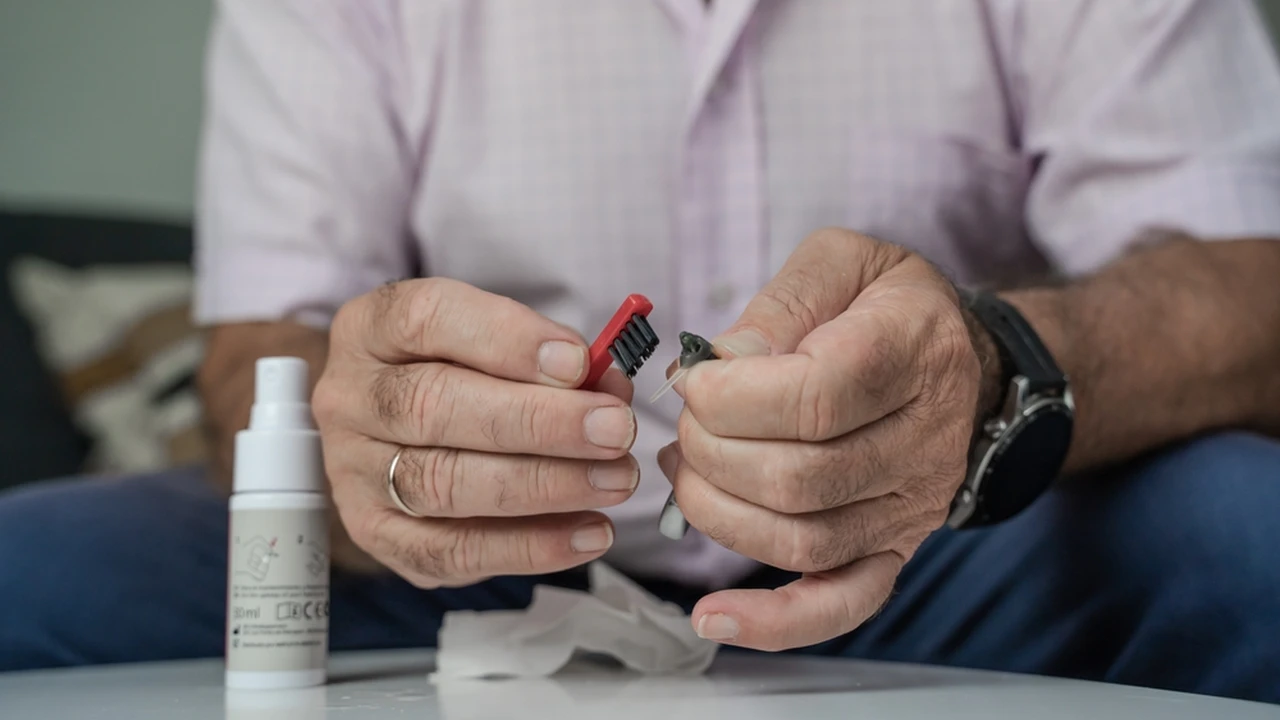
- Clean Regularly: Keep your hearing aids clean according to the manufacturer's instructions. This prevents wax buildup and ensures optimal performance.
- Don't Be Afraid to Adjust: If something doesn't sound right, make small adjustments. That's the beauty of OTC aids – you have control. If you have access to professional support, utilize it.
- Manage Expectations: OTC hearing aids are fantastic for mild to moderate hearing loss, but they won't restore your hearing to perfect levels. They are designed to improve your ability to hear and understand speech.
The Future of OTC Hearing Aids What's Next
The OTC hearing aid market is still relatively new and is evolving rapidly. We can expect to see even more innovation in the coming years, including:
- More Advanced AI and Machine Learning: Expect even smarter devices that can adapt more seamlessly to different environments and learn your preferences over time.
- Enhanced Personalization: Apps will likely become even more sophisticated, offering deeper levels of customization based on individual hearing profiles and lifestyle.
- Improved Connectivity: Better and more reliable Bluetooth streaming, potentially with new wireless standards, will become standard.
- Smaller and More Powerful Designs: Manufacturers will continue to push the boundaries of miniaturization, creating even more discreet yet powerful devices.
- Integration with Health Tracking: We might see hearing aids that also monitor heart rate, steps, or even detect falls, integrating into a broader health ecosystem.
The availability of OTC hearing aids is a huge step forward in making hearing healthcare more accessible and affordable. By understanding your needs and carefully comparing the options, you can find a device that significantly improves your quality of life. Happy hearing!
:max_bytes(150000):strip_icc()/277019-baked-pork-chops-with-cream-of-mushroom-soup-DDMFS-beauty-4x3-BG-7505-5762b731cf30447d9cbbbbbf387beafa.jpg)