Hearing Loss and Cardiovascular Health Link
Investigate the connection between cardiovascular health and hearing loss. Understand how heart health impacts blood flow to the inner ear.
Investigate the connection between cardiovascular health and hearing loss. Understand how heart health impacts blood flow to the inner ear.
Hearing Loss and Cardiovascular Health Link
The Surprising Connection Between Your Heart and Your Ears
Hey there! You might be wondering what your heart has to do with your hearing, right? It sounds a bit odd at first, but there's actually a really strong and increasingly recognized link between your cardiovascular health and your ability to hear. It's not just about your heart pumping blood; it's about how efficiently that blood reaches every tiny part of your body, including the super delicate structures in your inner ear. Think of your body as a complex network of roads, and your blood vessels are those roads. If the roads get clogged or damaged, traffic slows down, and some areas might not get the supplies they need. The same goes for your ears!
How Blood Flow Impacts Your Inner Ear Health
Let's get a little bit into the science without making it too complicated. Your inner ear, specifically the cochlea, is home to thousands of tiny hair cells. These hair cells are absolutely crucial for converting sound vibrations into electrical signals that your brain can understand. They're incredibly sensitive and require a constant, robust supply of oxygen and nutrients to function properly. And guess what delivers that oxygen and nutrients? You got it – your blood! The blood vessels supplying the cochlea are among the smallest in your body, making them particularly vulnerable to any issues with your cardiovascular system.
When your heart isn't working optimally, or if your blood vessels are narrowed or hardened (a condition called atherosclerosis), the blood flow to these tiny vessels in your inner ear can be compromised. This reduced blood flow can damage those delicate hair cells over time, leading to sensorineural hearing loss. It's like a slow starvation for your ear cells, and unfortunately, once these hair cells are damaged, they don't grow back.
Common Cardiovascular Conditions and Their Hearing Implications
So, what specific heart-related conditions should you be aware of? Let's break down a few of the big ones:
High Blood Pressure Hypertension and Hearing Loss Risk
High blood pressure, or hypertension, is a major culprit. When your blood pressure is consistently too high, it puts a lot of strain on your blood vessel walls, causing them to stiffen and narrow. This can restrict blood flow to the inner ear. Studies have shown a clear correlation between long-term hypertension and an increased risk of hearing loss. It's a silent killer for your hearing, just as it is for other organs.
Heart Disease Atherosclerosis and Inner Ear Damage
Conditions like coronary artery disease, where plaque builds up in your arteries (atherosclerosis), can also severely impact hearing. This plaque buildup reduces the diameter of your blood vessels, making it harder for blood to reach the inner ear. If the blood supply is consistently insufficient, those vital hair cells start to suffer and eventually die off, leading to progressive hearing loss.
Stroke and Sudden Hearing Loss Connections
While less common, a stroke can sometimes directly affect hearing. If a stroke occurs in the part of the brain responsible for processing auditory information, or if it impacts the blood supply to the inner ear, it can lead to sudden hearing loss, often in one ear. This is a medical emergency and requires immediate attention.
Diabetes and Microvascular Complications Affecting Hearing
Although diabetes isn't strictly a cardiovascular disease, it's closely linked to heart health and has a significant impact on blood vessels. High blood sugar levels can damage small blood vessels throughout the body, including those in the inner ear. This microvascular damage is a well-known cause of hearing loss in people with diabetes, often mirroring the damage seen in the eyes and kidneys.
Research and Studies Supporting the Heart-Hearing Link
This isn't just a theory; there's a growing body of scientific evidence backing this connection. Numerous studies have explored the relationship between cardiovascular health markers and hearing function. For instance, research published in journals like the Journal of the American Geriatrics Society and Circulation has consistently found that individuals with poorer cardiovascular health tend to have worse hearing thresholds. Some studies even suggest that hearing loss could be an early indicator of underlying cardiovascular disease, prompting doctors to consider hearing tests as part of a broader health assessment.
One notable study, for example, followed a large group of adults over many years and found that those with risk factors for heart disease, such as high cholesterol and obesity, were significantly more likely to develop hearing loss later in life. This kind of longitudinal research really strengthens the argument that what's good for your heart is also good for your ears.
Preventative Measures for Both Heart and Hearing Health
The good news is that many of the things you can do to protect your heart also protect your hearing! It's a win-win situation. Here are some key strategies:
Maintain a Healthy Diet for Cardiovascular and Auditory Wellness
Eating a balanced diet rich in fruits, vegetables, whole grains, and lean proteins is crucial. Foods high in antioxidants, like berries and leafy greens, can help protect your blood vessels from damage. Limiting processed foods, excessive sugar, and unhealthy fats can prevent plaque buildup and keep your arteries clear, ensuring good blood flow to your ears.
Regular Exercise Benefits Your Heart and Hearing
Physical activity strengthens your heart, improves circulation, and helps maintain a healthy weight. Aim for at least 150 minutes of moderate-intensity exercise per week. Whether it's brisk walking, swimming, or cycling, getting your heart rate up regularly will benefit your entire circulatory system, including those tiny vessels in your inner ear.
Manage Blood Pressure and Cholesterol Levels Effectively
If you have high blood pressure or high cholesterol, work closely with your doctor to manage these conditions. This might involve lifestyle changes, medication, or a combination of both. Keeping these numbers in check is vital for preventing damage to your blood vessels and preserving your hearing.
Quit Smoking for Better Heart and Hearing Health
Smoking is incredibly detrimental to your cardiovascular system. It damages blood vessel walls, reduces oxygen in your blood, and significantly increases your risk of heart disease and stroke. Quitting smoking is one of the best things you can do for both your heart and your hearing.
Regular Health Checkups and Hearing Screenings
Don't skip your annual physicals! Regular checkups allow your doctor to monitor your cardiovascular health and catch any issues early. And if you're concerned about your hearing, or if you have cardiovascular risk factors, consider getting regular hearing screenings. Early detection of hearing loss can lead to earlier intervention, which is always better.
When to Consider Hearing Aids for Cardiovascular-Related Hearing Loss
If you've been diagnosed with hearing loss, especially if you also have cardiovascular issues, hearing aids can make a significant difference. They don't cure the underlying cause, but they can effectively amplify sounds and improve your ability to communicate and engage with the world around you. This, in turn, can reduce the cognitive load on your brain and improve your overall quality of life.
Recommended Hearing Aid Products for Various Needs
When it comes to choosing hearing aids, there's a vast array of options, and the 'best' one really depends on your specific hearing loss, lifestyle, and budget. However, here are a few popular and highly-regarded models that often come up in discussions, along with their general use cases and price ranges. Keep in mind, prices can vary widely based on technology level, provider, and location.
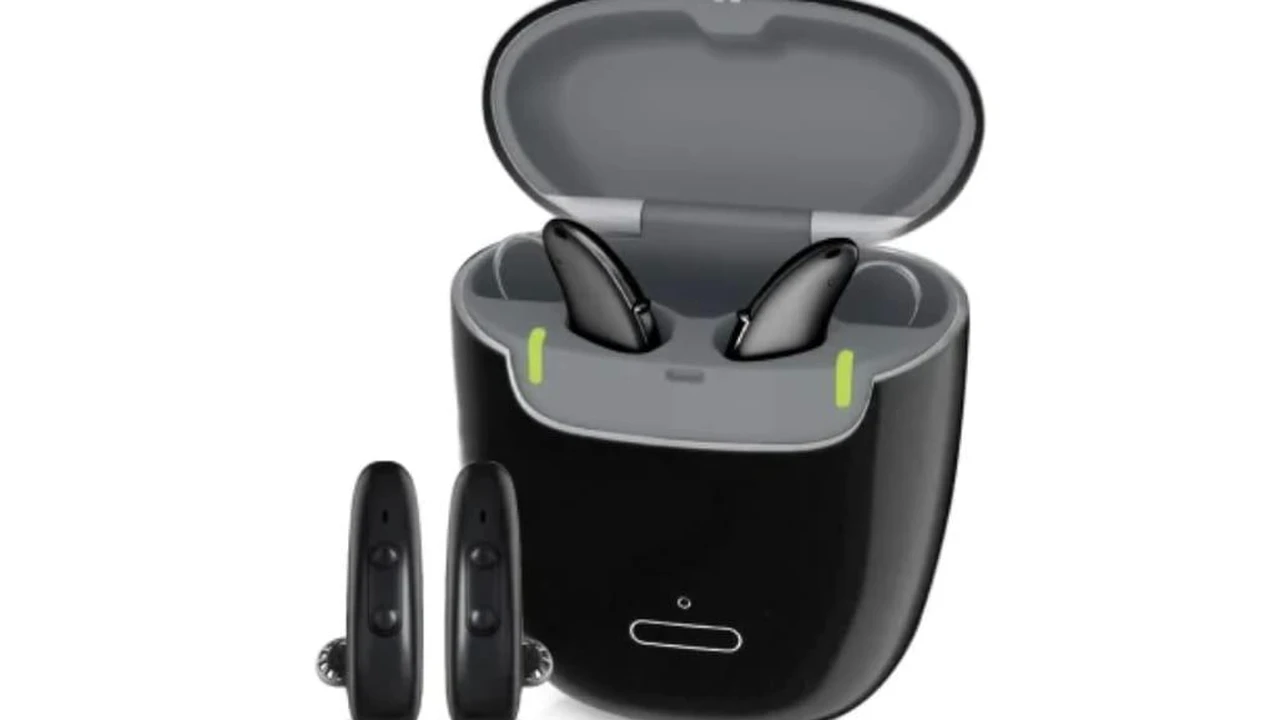
1. Phonak Audeo Lumity Life Rechargeable RIC Hearing Aids
- Use Case: Excellent for active individuals who need robust performance in various environments, including noisy ones. Ideal for those who value rechargeable convenience and water resistance.
- Features: Known for their 'SmartSpeech Technology' which enhances speech understanding, especially in noise. They offer universal Bluetooth connectivity, allowing direct streaming from iOS and Android devices. The 'Life' version is specifically designed to be waterproof, making it great for people who sweat a lot or are concerned about moisture.
- Comparison: Often compared to Oticon More or Resound Omnia. Phonak tends to excel in speech clarity in very noisy environments, while Oticon focuses on a more open soundscape.
- Estimated Price Range: $2,500 - $7,000 per pair, depending on technology level (e.g., L30, L50, L70, L90).
2. Oticon Real MiniRITE R Rechargeable Hearing Aids
- Use Case: Great for users who want a natural sound experience and struggle with sudden loud sounds or wind noise. Good for those who appreciate a more 'open' sound processing approach.
- Features: Oticon's 'BrainHearing' technology aims to support the brain's natural way of processing sound. The Real series specifically addresses sudden sounds and wind noise with its 'MoreSound Intelligence 2.0' and 'MoreSound Amplifier 2.0' features. Also rechargeable with Bluetooth connectivity.
- Comparison: Often seen as a competitor to Phonak Lumity. Oticon's approach is to provide access to all sounds in the environment, letting the brain decide what to focus on, which some users find more natural.
- Estimated Price Range: $2,300 - $6,800 per pair, depending on technology level.
3. ReSound Omnia Rechargeable RIC Hearing Aids
- Use Case: Excellent for individuals who prioritize speech understanding in noisy environments and seamless connectivity with Apple devices.
- Features: ReSound Omnia boasts '360-degree All Around hearing' and 'UltraFocus' for exceptional speech clarity in challenging listening situations. It offers Made for iPhone (MFi) connectivity and direct streaming to some Android devices. Rechargeable options are standard.
- Comparison: Competes with Phonak and Oticon in the premium segment. ReSound is often praised for its app control and personalized sound adjustments.
- Estimated Price Range: $2,400 - $6,900 per pair, depending on technology level.
4. Starkey Genesis AI Rechargeable RIC Hearing Aids
- Use Case: Ideal for tech-savvy users who want advanced AI features, health tracking, and superior sound quality.
- Features: Starkey Genesis AI is packed with artificial intelligence, offering features like fall detection, activity tracking, and translation services. It also provides excellent sound processing with its 'Neuro Sound Technology' for clear speech and a natural listening experience. Rechargeable with Bluetooth.
- Comparison: Stands out with its unique health tracking and AI capabilities, which other brands are just starting to integrate. It's a strong contender for those looking for more than just hearing amplification.
- Estimated Price Range: $2,600 - $7,200 per pair, depending on technology level.
5. Widex Moment Sheer Rechargeable RIC Hearing Aids
- Use Case: Best for users who prioritize a very natural, 'pure' sound quality and struggle with the artificial sound often associated with hearing aids.
- Features: Widex is renowned for its 'PureSound' technology, which aims to eliminate processing delays that can make amplified sound feel unnatural. The 'Sheer' model is designed to be discreet and comfortable, offering excellent sound quality, especially for music. Rechargeable with Bluetooth.
- Comparison: Widex often appeals to users who are sensitive to sound quality and want a very natural listening experience. Its sound processing is distinct from other major brands.
- Estimated Price Range: $2,200 - $6,500 per pair, depending on technology level.
Important Considerations When Choosing Hearing Aids
- Professional Fitting is Key: Regardless of the brand or model, a professional fitting by a qualified audiologist is absolutely essential. They will program the hearing aids specifically for your unique hearing loss and provide ongoing support.
- Trial Periods: Most reputable providers offer a trial period (often 30-60 days). Use this time to test the hearing aids in all your typical listening environments.
- Budget vs. Features: While premium models offer the most advanced features, mid-range options can still provide significant benefits. Discuss your priorities with your audiologist.
- Rechargeable vs. Disposable Batteries: Rechargeable models offer convenience, while disposable batteries might be preferred by some for their simplicity or if they travel frequently without easy access to charging.
- Connectivity: If streaming calls or music from your smartphone is important, ensure the hearing aids offer robust Bluetooth connectivity compatible with your device.
Taking a Holistic Approach to Your Health
Ultimately, the connection between your heart and your hearing underscores the importance of taking a holistic approach to your health. Your body systems are interconnected, and what affects one often affects another. By prioritizing your cardiovascular health through diet, exercise, and regular medical care, you're not just protecting your heart; you're also giving your ears the best possible chance to keep you connected to the sounds of life. So, listen to your heart, literally and figuratively, and your ears will thank you for it!
:max_bytes(150000):strip_icc()/277019-baked-pork-chops-with-cream-of-mushroom-soup-DDMFS-beauty-4x3-BG-7505-5762b731cf30447d9cbbbbbf387beafa.jpg)