Meniere's Disease Symptoms and Hearing Impact
Explore Meniere's disease, its symptoms like vertigo and fluctuating hearing loss, and how it affects auditory health. Learn about management options.
Explore Meniere's disease, its symptoms like vertigo and fluctuating hearing loss, and how it affects auditory health. Learn about management options.
Meniere's Disease Symptoms and Hearing Impact
Hey there! Let's talk about something that can really throw your world off balance: Meniere's disease. If you or someone you know has been experiencing sudden bouts of dizziness, ringing in the ears, and hearing changes, you're in the right place. This condition, while relatively rare, can be incredibly disruptive, and understanding it is the first step toward managing it. We're going to dive deep into what Meniere's is, its tell-tale symptoms, how it messes with your hearing, and what you can do about it. We'll even look at some specific products and strategies that can help make life a bit easier.
Understanding Meniere's Disease What It Is and Why It Happens
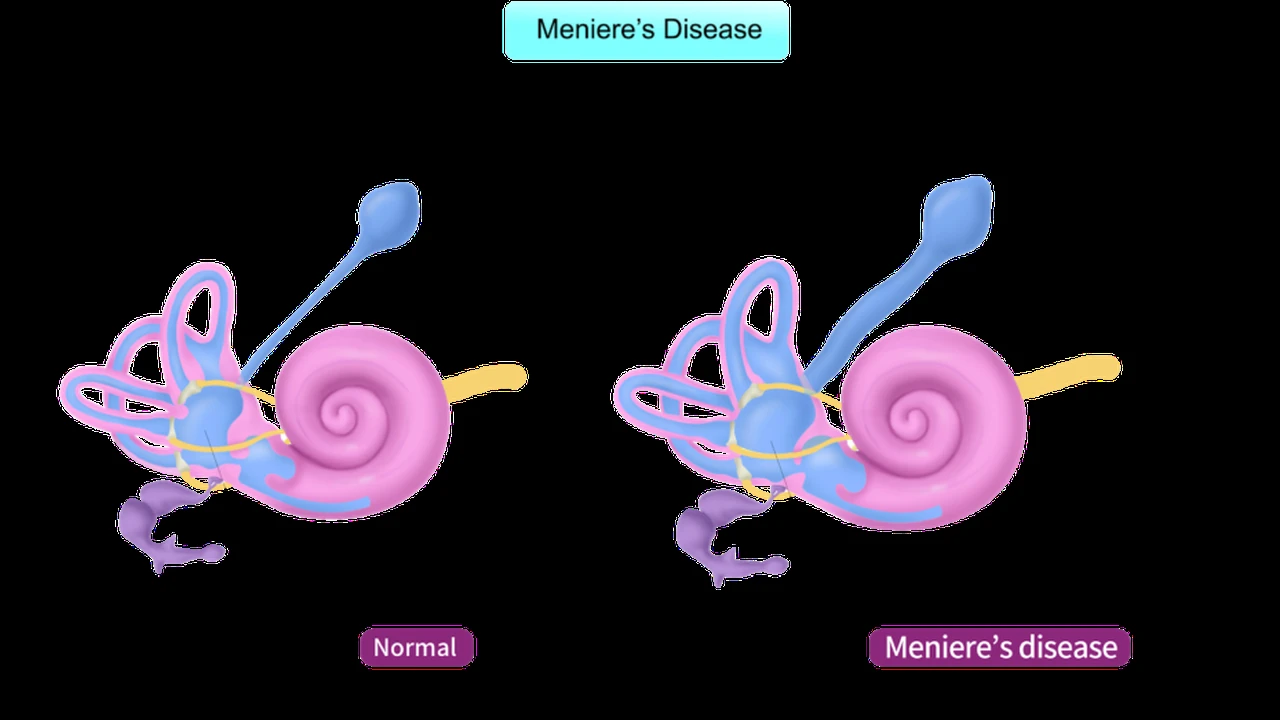
So, what exactly is Meniere's disease? Imagine your inner ear, a tiny, intricate labyrinth responsible for both your hearing and your balance. Inside this labyrinth are fluid-filled chambers. Meniere's disease is thought to be caused by an abnormal buildup of fluid, called endolymph, in one of these inner ear compartments, specifically the endolymphatic sac. This excess fluid can disrupt the delicate balance of signals sent to your brain, leading to a cascade of unpleasant symptoms.
The exact cause of this fluid buildup isn't fully understood, which can be frustrating. Researchers have explored various theories, including:
- Genetic Predisposition: It seems to run in families for some people, suggesting a genetic link.
- Autoimmune Disorders: Some studies suggest a connection to autoimmune conditions where the body's immune system mistakenly attacks inner ear tissues.
- Viral Infections: Past viral infections, particularly those affecting the inner ear, might play a role.
- Allergies: Both environmental and food allergies have been implicated in some cases.
- Migraines: There's a recognized overlap between Meniere's disease and migraine headaches, leading some to believe they might share common pathways.
- Head Trauma: A history of head injury could also be a contributing factor for some individuals.
- Abnormal Fluid Regulation: Issues with the body's ability to regulate fluid and electrolyte balance might also be at play.
It's important to remember that Meniere's disease typically affects only one ear, though in about 15-20% of cases, it can eventually affect both. It usually develops in people between the ages of 40 and 60, but it can occur at any age.
Key Meniere's Disease Symptoms Recognizing the Warning Signs
Meniere's disease is characterized by a classic quartet of symptoms, which often occur in unpredictable attacks. These attacks can last anywhere from 20 minutes to several hours, and sometimes even a full day. Let's break down these key symptoms:
Vertigo and Dizziness Understanding the Spinning Sensation
This is often the most debilitating symptom. Vertigo isn't just lightheadedness; it's a severe sensation of spinning, either you feel like you're spinning, or the world around you is. During an attack, this can be so intense that it causes nausea, vomiting, and a complete loss of balance. Imagine trying to walk or even stand when the room feels like it's constantly rotating – it's incredibly disorienting and can lead to falls.
Fluctuating Hearing Loss How Hearing Changes Over Time
Initially, hearing loss in Meniere's disease is often fluctuating, meaning it comes and goes, particularly during or after an attack. It typically affects the lower frequencies first, making it hard to hear deep voices or certain musical notes. Over time, however, the hearing loss can become more permanent and affect a wider range of frequencies. People often describe a feeling of fullness or pressure in the affected ear before or during a hearing dip.
Tinnitus The Ringing Roaring or Buzzing in Your Ears
Tinnitus, the perception of sound when no external sound is present, is another common and often distressing symptom. For Meniere's sufferers, tinnitus can manifest as ringing, buzzing, roaring, hissing, or even whistling sounds. It can vary in intensity and pitch, often worsening during an attack or when hearing is at its lowest. This constant internal noise can be incredibly distracting and contribute to sleep disturbances and anxiety.
Aural Fullness or Pressure The Feeling of a Clogged Ear
Many individuals with Meniere's disease report a sensation of fullness, pressure, or congestion in the affected ear. This feeling often precedes an attack of vertigo and can be a good indicator that one is coming. It's like having water stuck in your ear after swimming, but it doesn't go away easily.
Beyond these four core symptoms, some people might also experience:
- Headaches
- Nausea and vomiting (due to severe vertigo)
- Diarrhea
- Cold sweats
- Palpitations
- Anxiety and panic attacks (often triggered by the unpredictability of the attacks)
Diagnosing Meniere's Disease The Path to Confirmation
Diagnosing Meniere's disease can be a bit tricky because its symptoms can mimic other conditions. There isn't a single definitive test. Instead, doctors, usually ENT specialists (otolaryngologists) or audiologists, rely on a combination of your medical history, a physical examination, and several diagnostic tests. The American Academy of Otolaryngology—Head and Neck Surgery has established diagnostic criteria that typically include:
- Two or more spontaneous episodes of vertigo, each lasting 20 minutes or longer.
- Audiometrically documented low- to medium-frequency sensorineural hearing loss in the affected ear on at least one occasion before, during, or after one of the vertigo episodes.
- Fluctuating aural symptoms (hearing loss, tinnitus, or fullness) in the affected ear.
- Exclusion of other causes.
Key Diagnostic Tests for Meniere's Disease
- Audiometry: This hearing test measures your ability to hear sounds at different pitches and volumes. It helps confirm the presence and type of hearing loss, especially the characteristic low-frequency loss.
- Electronystagmography (ENG) or Videonystagmography (VNG): These tests measure eye movements to assess the function of your balance system. They can detect abnormalities in the vestibular system, which is often affected in Meniere's.
- Electrocochleography (ECoG): This test measures the electrical activity of the inner ear in response to sound. It can sometimes detect the increased fluid pressure associated with Meniere's.
- Auditory Brainstem Response (ABR): This test measures how your brain responds to sounds and can help rule out other neurological conditions.
- MRI or CT Scans: These imaging tests are often used to rule out other conditions that might cause similar symptoms, such as tumors or structural abnormalities in the brain or inner ear.
Managing Meniere's Disease Treatment Options and Strategies
While there's no definitive cure for Meniere's disease, there are many effective ways to manage its symptoms and reduce the frequency and severity of attacks. The goal is to control the fluid buildup in the inner ear and alleviate the distressing symptoms.
Lifestyle and Dietary Modifications for Meniere's Relief
Often, the first line of defense involves simple changes to your daily routine:
- Low-Sodium Diet: Reducing your salt intake can help decrease fluid retention in the body, including the inner ear. Aim for less than 1,500-2,000 mg of sodium per day.
- Caffeine and Alcohol Reduction: Both caffeine and alcohol can act as diuretics and vasoconstrictors, potentially affecting fluid balance and blood flow to the inner ear. Limiting or avoiding them can be beneficial.
- Avoid Nicotine: Nicotine constricts blood vessels, which can reduce blood flow to the inner ear and worsen symptoms.
- Stress Management: Stress is a known trigger for Meniere's attacks. Techniques like meditation, yoga, deep breathing exercises, and counseling can be very helpful.
- Regular Sleep: Maintaining a consistent sleep schedule can help regulate your body's systems and potentially reduce attack frequency.
- Hydration: While reducing sodium, it's still important to stay adequately hydrated with water.
Medications for Meniere's Disease Symptom Control
Your doctor might prescribe various medications to manage acute attacks and prevent future ones:
- Diuretics: These medications, like hydrochlorothiazide or triamterene, help reduce fluid retention in the body, including the inner ear.
- Anti-vertigo Medications: Drugs like meclizine, dimenhydrinate, or diazepam can help alleviate the severe dizziness and nausea during an acute attack.
- Anti-nausea Medications: Prochlorperazine or ondansetron can help control the vomiting associated with severe vertigo.
- Steroids: In some cases, oral steroids or steroid injections into the middle ear can help reduce inflammation and fluid buildup.
- Betahistine: This medication, though not widely available in the US, is commonly used in other countries to reduce the frequency and severity of Meniere's attacks by improving blood flow to the inner ear.
Therapies and Procedures for Persistent Meniere's Symptoms
If lifestyle changes and medications aren't enough, your doctor might suggest other interventions:
- Vestibular Rehabilitation Therapy (VRT): A physical therapist specializing in vestibular disorders can teach you exercises to help your brain compensate for the balance issues caused by Meniere's. This can significantly improve stability and reduce dizziness between attacks.
- Meniett Device: This is a small, portable device that delivers low-pressure pulses to the middle ear through a ventilation tube. It's thought to help reduce fluid buildup and alleviate vertigo.
- Middle Ear Injections:
- Gentamicin: This antibiotic can be injected into the middle ear. It works by selectively damaging the balance portion of the inner ear, reducing vertigo attacks. However, it carries a risk of worsening hearing loss.
- Steroids: As mentioned, steroid injections can reduce inflammation and are often preferred over gentamicin if hearing preservation is a priority.
- Surgery: Surgical options are usually reserved for severe, debilitating cases that don't respond to other treatments. These can include:
- Endolymphatic Sac Decompression: This procedure aims to relieve pressure by draining excess fluid from the endolymphatic sac.
- Vestibular Neurectomy: This involves cutting the vestibular nerve, which transmits balance signals from the inner ear to the brain. It's highly effective for vertigo but results in permanent loss of balance function in that ear.
- Labyrinthectomy: This involves removing the balance and hearing structures of the inner ear. It's a last resort, as it results in complete and permanent hearing loss in the affected ear, but it effectively eliminates vertigo.
Hearing Impact of Meniere's Disease Addressing Fluctuating Hearing Loss
The fluctuating nature of hearing loss in Meniere's disease can be particularly challenging. One day you might hear relatively well, and the next, sounds are muffled, and speech is hard to understand. Over time, this can progress to more permanent hearing loss. This is where hearing aids can play a crucial role.
Hearing Aids for Meniere's Disease Enhancing Auditory Clarity
When hearing loss becomes more consistent, even if still fluctuating, hearing aids can significantly improve communication and quality of life. The key is finding a hearing aid that can adapt to the changing nature of Meniere's hearing loss. Here's what to look for:
- Wide Dynamic Range Compression (WDRC): This feature helps amplify soft sounds without making loud sounds uncomfortably loud, which is crucial for fluctuating hearing.
- Noise Reduction Technology: Meniere's patients often struggle in noisy environments. Advanced noise reduction can help focus on speech.
- Tinnitus Masking Features: Many modern hearing aids include built-in sound generators that can help mask or distract from tinnitus, providing much-needed relief.
- Multiple Programs: The ability to switch between different listening programs (e.g., quiet, noisy, music) can help manage varying hearing needs throughout the day.
- Rechargeable Options: For ease of use, especially during an attack, rechargeable hearing aids can be very convenient.
- Connectivity: Bluetooth connectivity allows for direct streaming from phones or TVs, which can be helpful when hearing is particularly low.
Recommended Hearing Aid Products for Meniere's Patients
Here are a few product examples that often work well for individuals with Meniere's disease, keeping in mind that individual needs vary greatly and a professional fitting is essential:
1. Phonak Audeo Lumity L90-R
- Key Features: This is a top-tier RIC (Receiver-In-Canal) hearing aid known for its exceptional speech clarity in noise and advanced sound processing. It features SmartSpeech Technology which enhances speech understanding, and StereoZoom 2.0 for focusing on conversations in challenging environments. It also has excellent tinnitus balance noise generator capabilities.
- Use Case for Meniere's: The Lumity's ability to adapt to varying soundscapes and its robust noise reduction are excellent for fluctuating hearing. The tinnitus masker is a significant plus. Its rechargeable battery offers convenience.
- Comparison: Compared to older models, the Lumity offers superior speech processing and connectivity. It's a premium device.
- Estimated Price: $3,000 - $7,000 per pair, depending on provider and services included.
2. Oticon More 1 MiniRITE R
- Key Features: Oticon More uses a unique Deep Neural Network (DNN) to process sound, giving the brain access to more sound information. This 'MoreSound Intelligence' helps the brain organize sounds, which can be beneficial for those with fluctuating hearing who need more context. It also has a tinnitus sound generator.
- Use Case for Meniere's: The DNN approach can help the brain make sense of a fluctuating sound input, potentially reducing listening effort. Its open sound experience can be less fatiguing.
- Comparison: Oticon's approach is less about narrow beamforming and more about providing a rich soundscape, which some users prefer.
- Estimated Price: $2,800 - $6,500 per pair.
3. ReSound ONE 9 RIC 312
- Key Features: ReSound ONE features M&RIE (Microphone & Receiver-In-Ear) technology, which places a microphone inside the ear canal, utilizing the natural shape of the ear for better sound localization and a more natural listening experience. It also has advanced noise reduction and a comprehensive tinnitus management program.
- Use Case for Meniere's: The natural sound processing can be very helpful for individuals whose hearing fluctuates, as it provides a more consistent and natural sound input. The tinnitus relief features are also strong.
- Comparison: The M&RIE design is unique and offers a different approach to sound capture, which can be very beneficial for sound quality and localization.
- Estimated Price: $2,500 - $6,000 per pair.
4. Starkey Livio Edge AI 2400 RIC R
- Key Features: Starkey's Livio Edge AI is known for its artificial intelligence capabilities, offering Edge Mode for on-demand sound optimization in challenging environments. It also includes health tracking features (like activity and engagement tracking) and a robust tinnitus relief technology.
- Use Case for Meniere's: The AI-driven sound processing can quickly adapt to sudden changes in hearing or environment, which is ideal for fluctuating conditions. The health tracking can also be a bonus for overall well-being.
- Comparison: Starkey emphasizes AI and health integration, offering more than just hearing amplification.
- Estimated Price: $2,700 - $6,800 per pair.
Other Assistive Listening Devices for Meniere's Patients
Beyond traditional hearing aids, other devices can help manage specific challenges:
- Personal Sound Amplification Products (PSAPs): While not medical devices, some PSAPs can offer basic amplification for mild, fluctuating hearing loss, often at a lower cost. However, they lack the advanced features and customization of hearing aids.
- FM Systems or Remote Microphones: These devices can be paired with hearing aids to transmit a speaker's voice directly to your ears, cutting through background noise. This is invaluable in noisy environments or lectures.
- Alerting Devices: Flashing lights for doorbells or vibrating alarm clocks can help compensate for hearing loss, especially during sleep or when hearing is particularly poor.
- Smartphone Apps: Many hearing aid manufacturers offer apps that allow you to control settings, switch programs, and even stream audio directly to your hearing aids. Some apps also offer basic sound therapy for tinnitus.
Living with Meniere's Disease Practical Tips and Support
Living with Meniere's disease can be incredibly challenging due to its unpredictable nature. However, with the right strategies and support, you can lead a fulfilling life.
Coping Strategies for Meniere's Attacks
- During an Attack: If you feel an attack coming on, lie down immediately in a quiet, dark room. Avoid sudden movements. Focus on a fixed point to help reduce the spinning sensation. Keep anti-vertigo or anti-nausea medication handy.
- Safety First: If you experience frequent vertigo, consider making your home safer by removing tripping hazards, installing grab bars, and ensuring good lighting.
- Driving: If you have unpredictable vertigo, it's crucial to avoid driving during an attack or if you feel one might occur. Discuss driving restrictions with your doctor.
Emotional and Psychological Support for Meniere's Patients
The unpredictability and severity of Meniere's symptoms can take a significant toll on mental health. It's common to experience anxiety, depression, and social isolation. Seeking support is vital:
- Support Groups: Connecting with others who understand what you're going through can be incredibly validating and provide practical coping strategies. Organizations like the Meniere's Disease Foundation often have local chapters or online forums.
- Counseling or Therapy: A therapist can help you develop coping mechanisms for anxiety, stress, and the emotional impact of living with a chronic, unpredictable condition. Cognitive Behavioral Therapy (CBT) can be particularly effective.
- Educate Loved Ones: Help your family and friends understand Meniere's disease so they can offer appropriate support and understanding during attacks.
Advocacy and Awareness for Meniere's Disease
Being your own advocate is important. Don't hesitate to ask your healthcare providers questions, seek second opinions, and explore all available treatment options. Raising awareness about Meniere's disease can also help reduce stigma and improve understanding in the wider community.
Remember, managing Meniere's disease is a journey, and it often involves a team approach with your ENT, audiologist, and other healthcare professionals. Stay informed, stay proactive, and don't be afraid to seek the support you need to navigate this challenging condition. You've got this!
:max_bytes(150000):strip_icc()/277019-baked-pork-chops-with-cream-of-mushroom-soup-DDMFS-beauty-4x3-BG-7505-5762b731cf30447d9cbbbbbf387beafa.jpg)