How To Spot Fake or Low Quality Hearing Aids
Learn how to identify fake or low-quality hearing aids. Protect yourself from scams and ensure you invest in legitimate, effective devices.
Learn how to identify fake or low-quality hearing aids. Protect yourself from scams and ensure you invest in legitimate, effective devices.
How To Spot Fake or Low Quality Hearing Aids
Hey there! So, you're looking into getting hearing aids, which is a fantastic step towards better hearing and a better quality of life. But let's be real, the market can be a bit of a minefield. With so many options out there, it's easy to get overwhelmed, and unfortunately, it's also easy to fall prey to scams or end up with a device that just doesn't deliver. Nobody wants to spend their hard-earned money on something that's either fake, low-quality, or simply not right for their needs. That's why we're here today – to arm you with the knowledge to spot those dodgy deals and ensure you invest in legitimate, effective hearing aids. Think of this as your personal guide to navigating the hearing aid jungle!
Understanding the Hearing Aid Market What to Look For
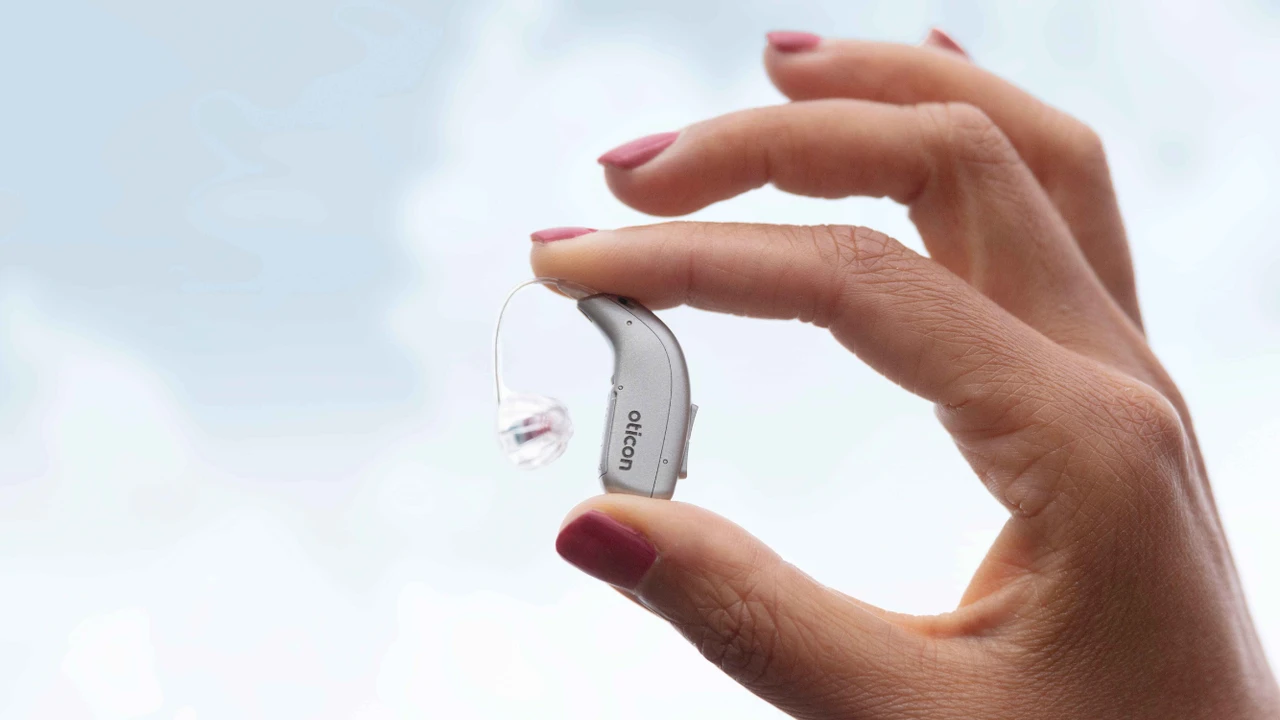
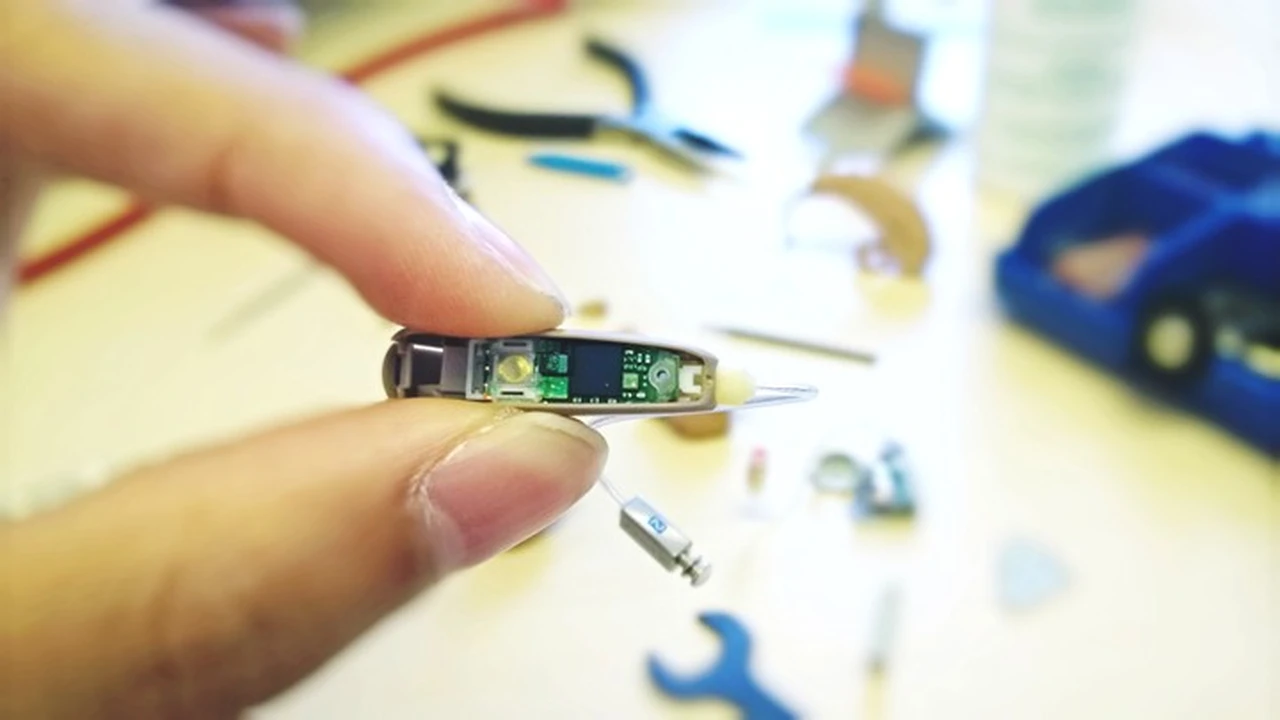
Before we dive into spotting the fakes, let's quickly understand what a legitimate hearing aid actually is. A proper hearing aid is a medical device designed to amplify sound for individuals with hearing loss. It's not just a simple amplifier; it's a sophisticated piece of technology that's programmed to your specific hearing needs, often by a qualified audiologist. These devices typically include features like noise reduction, feedback cancellation, directional microphones, and sometimes even Bluetooth connectivity. They come in various styles, such as Behind-The-Ear (BTE), In-The-Ear (ITE), In-The-Canal (ITC), Completely-In-Canal (CIC), and Receiver-In-Canal (RIC). The key takeaway here is that they are tailored, advanced, and designed for long-term use and benefit.
Red Flags of Fake Hearing Aids and Scam Devices
Alright, let's get down to business. How do you tell if something is too good to be true? Here are some major red flags to watch out for when you're shopping for hearing aids:
Unrealistic Pricing and Deals Too Good to Be True
This is probably the biggest giveaway. Genuine, high-quality hearing aids are an investment. They involve advanced technology, research, development, and professional fitting services. If you see a 'hearing aid' advertised for an unbelievably low price – say, under $100 or even a few hundred dollars for a pair – be extremely skeptical. While there are more affordable options, especially in the OTC market, a price that seems too good to be true usually is. These often turn out to be simple sound amplifiers, not true hearing aids, which can actually do more harm than good by over-amplifying all sounds indiscriminately.
Lack of Professional Fitting and Customization Options
A legitimate hearing aid journey almost always involves a professional. This means an audiologist or hearing aid specialist conducting a comprehensive hearing test, discussing your lifestyle, and then programming the device specifically for your hearing loss profile. If a product claims to be a 'hearing aid' but requires no professional input, no hearing test, and offers no customization based on an audiogram, it's likely a personal sound amplification product (PSAP) being marketed deceptively. While PSAPs have their place for people with normal hearing who want to amplify sounds in specific situations, they are not a substitute for medical-grade hearing aids for those with hearing loss.
Vague or Misleading Product Descriptions and Specifications
Pay close attention to the language used in product descriptions. Do they use terms like 'hearing amplifier,' 'sound enhancer,' or 'personal sound amplifier' instead of 'hearing aid'? Are the specifications vague, lacking details about frequency range, gain, noise reduction capabilities, or specific programming options? Legitimate hearing aid manufacturers are transparent about their technology and features. If the description is full of buzzwords but light on actual technical details, proceed with caution.
No Brand Recognition or Unverifiable Manufacturer Information
Reputable hearing aid brands have a history, a website, and often a network of authorized dealers. If you can't find any information about the brand online, or if the manufacturer's website looks unprofessional or is difficult to navigate, that's a warning sign. Be wary of generic-looking products with no clear branding or products sold under multiple different, obscure brand names.
Aggressive Sales Tactics and Pressure to Buy Immediately
Scammers often use high-pressure sales tactics. They might tell you that the 'deal' is only available for a very limited time, or try to convince you that you need to buy right away without giving you time to research or consult with a professional. A reputable provider will encourage you to take your time, ask questions, and even offer trial periods.
Poor Customer Reviews or No Reviews at All
Always check reviews, but be critical. Look for reviews on independent platforms, not just on the seller's own website. Be suspicious if all reviews are overwhelmingly positive and sound generic, or if there are no reviews at all for a product that's supposedly popular. Conversely, a high number of negative reviews mentioning poor performance, discomfort, or lack of support is a clear indicator to stay away.
Lack of Warranty, Return Policy, or Customer Support
Genuine hearing aids come with warranties, often for several years, covering defects and repairs. They also typically have clear return policies, including trial periods where you can return the device if it's not suitable. If a seller offers no warranty, a very short or unclear return policy, or seems to have non-existent customer support, it's a huge red flag. Who will help you if something goes wrong?
Understanding the Difference Hearing Aids vs PSAPs
This distinction is crucial. Many 'fake' hearing aids are actually PSAPs (Personal Sound Amplification Products) being misrepresented. Here's the breakdown:
- Hearing Aids: These are FDA-regulated medical devices intended to compensate for impaired hearing. They are prescribed and fitted by audiologists (or, with the advent of OTC hearing aids, are designed for self-fitting for mild to moderate loss). They are programmed to specific hearing loss patterns and offer advanced features.
- PSAPs: These are consumer electronics intended for non-hearing impaired consumers to amplify sounds in specific listening environments (e.g., birdwatching, listening to a lecture from afar). They are not regulated as medical devices and are not intended to treat hearing loss. They amplify all sounds equally, which can be uncomfortable and even damaging for someone with actual hearing loss.
The key difference lies in their intended use and regulation. If you have hearing loss, you need a hearing aid, not just a PSAP.
Specific Products to Be Wary Of and What to Look For Instead
While I can't name every single scam product out there, I can give you examples of what to avoid and what to seek out. Generally, be cautious of products heavily advertised on social media with sensational claims and extremely low prices, especially if they look like generic earbuds or small, unbranded devices.
Examples of Potentially Misleading Products (General Categories to Avoid):
- Generic 'Invisible' Amplifiers: Often sold online for under $100, these are usually basic PSAPs that offer minimal, untailored amplification and can cause feedback or discomfort. They rarely provide the nuanced sound processing needed for true hearing loss.
- 'As Seen on TV' Sound Boosters: Many products marketed this way are simple amplifiers. While they might make sounds louder, they don't differentiate between speech and noise, making listening in complex environments even harder.
- Unbranded or 'White Label' Devices from Unknown Websites: If a website is selling a device that looks like a hearing aid but has no recognizable brand, no detailed specifications, and no clear path to professional support, it's a high-risk purchase.
What to Look For (Legitimate Options):
Instead, focus on products from reputable manufacturers and channels. Here are some examples of legitimate options, keeping in mind that prices vary widely based on technology level, features, and professional services included:
1. Over-The-Counter (OTC) Hearing Aids (for Mild to Moderate Hearing Loss)
With recent FDA regulations, OTC hearing aids are a legitimate option for adults with perceived mild to moderate hearing loss. These are designed for self-fitting and don't require a prescription or professional fitting. However, even within the OTC market, quality varies. Look for:
- Reputable Brands: Brands like Jabra Enhance Plus, Lexie B2 Powered by Bose, Sony CRE-C10, and Eargo are examples of established players entering the OTC market.
- Clear Instructions and App Support: Good OTC devices will have user-friendly apps that guide you through the setup and personalization process.
- Customer Support: Even for OTC, good brands offer robust customer support for troubleshooting and guidance.
- Trial Periods: Look for companies offering a generous trial period (e.g., 30-45 days) so you can test them in your daily life.
Example Product Comparison (OTC):
- Jabra Enhance Plus: These are more like advanced earbuds that also function as hearing aids. They are discreet and offer good sound quality for mild to moderate loss, especially in quiet to moderately noisy environments. They connect to a smartphone app for personalization. Price: Around $799.
- Lexie B2 Powered by Bose: These are RIC (Receiver-In-Canal) style OTC hearing aids. They offer a more traditional hearing aid experience with self-tuning capabilities via an app. Good for various listening situations. Price: Around $999.
- Sony CRE-C10: A very discreet, almost invisible CIC-style OTC option. Designed for ease of use and basic amplification. Price: Around $1299.
Use Case: These are ideal for individuals who are noticing early signs of hearing loss, struggle in certain listening situations (like crowded restaurants), and are comfortable with technology to self-adjust their devices. They are a good entry point before considering prescription devices.
2. Prescription Hearing Aids (for all levels of Hearing Loss)
These are the gold standard, especially for moderate to profound hearing loss, or for anyone who prefers professional guidance. They are sold through audiologists and hearing clinics.
- Top Brands: Look for established global leaders like Phonak, Oticon, ReSound, Signia, Starkey, Widex. These companies invest heavily in R&D and offer a wide range of advanced features.
- Professional Fitting and Follow-up: This is non-negotiable. An audiologist will perform a comprehensive assessment, fit the devices, program them precisely to your audiogram, and provide ongoing support and adjustments.
- Advanced Features: Expect sophisticated noise reduction, speech enhancement, connectivity options, and often AI-driven personalization.
- Warranty and Service: These typically come with robust warranties and service packages from the clinic.
Example Product Comparison (Prescription):
- Phonak Audeo Lumity (RIC): Known for excellent speech understanding in noisy environments and universal Bluetooth connectivity. Comes in various technology levels. Price: Varies widely, typically $2,000 - $7,000+ per pair, depending on technology level and clinic services.
- Oticon Real (RIC/BTE): Focuses on providing a more natural sound experience by processing sounds from all directions. Features advanced noise management and connectivity. Price: Similar range to Phonak, $2,000 - $7,000+ per pair.
- Signia Styletto AX (RIC): A stylish, slim-design rechargeable hearing aid known for its clear speech processing and AI features. Price: $2,000 - $6,500+ per pair.
Use Case: Essential for individuals with moderate to profound hearing loss, those with complex hearing needs, or anyone who wants the highest level of personalization, professional care, and advanced features to navigate all listening environments with confidence.
Steps to Ensure You Buy a Legitimate Hearing Aid
So, how do you protect yourself? Follow these steps:
1. Get a Professional Hearing Test and Consultation
This is step one, always. Visit an audiologist or a licensed hearing care professional. They will conduct a thorough hearing test (audiogram) to accurately diagnose your type and degree of hearing loss. This information is crucial for determining if you need a hearing aid, and if so, what kind. They can also rule out any underlying medical conditions that might be causing your hearing issues.
2. Research Reputable Brands and Providers
Once you have your audiogram, research established hearing aid brands (Phonak, Oticon, Signia, ReSound, Starkey, Widex, etc.) and reputable local clinics. Check their websites, read reviews, and look for certifications or affiliations with professional organizations.
3. Understand Your Needs and Budget
Discuss your lifestyle, listening environments, and budget with your hearing care professional. They can recommend devices that best suit your specific needs. Don't be afraid to ask about different technology levels and their associated costs.
4. Ask About Trial Periods and Warranties
Always inquire about trial periods (usually 30-60 days) and comprehensive warranties. A good provider will offer both, allowing you to test the devices in your real-world environment and providing peace of mind for your investment.
5. Be Wary of Unsolicited Offers and Online Deals
Exercise extreme caution with unsolicited emails, social media ads, or websites offering 'miracle' hearing aids at rock-bottom prices. If it seems too good to be true, it probably is.
6. Read the Fine Print and Understand What You're Buying
Before making any purchase, thoroughly read the product description, terms and conditions, return policy, and warranty information. Make sure you understand exactly what you're getting, what's covered, and what isn't.
7. Trust Your Gut Feeling
If something feels off – whether it's the sales pitch, the lack of information, or the overall professionalism of the seller – trust your instincts and walk away. Your hearing health is too important to take chances.
The Dangers of Using Low Quality or Fake Hearing Aids
Using a fake or low-quality hearing aid isn't just a waste of money; it can actually be detrimental to your hearing health and overall well-being.
Potential Hearing Damage and Further Loss
Simple amplifiers (PSAPs) don't process sound intelligently. They just make everything louder. This indiscriminate amplification, especially of loud noises, can overstimulate your auditory system and potentially cause further damage to your already compromised hearing. It's like turning up the volume on a broken speaker – it just makes the distortion louder, and can hurt your ears.
Lack of Effective Communication and Social Isolation
The primary goal of a hearing aid is to improve communication. Fake or low-quality devices often fail miserably at this. They might amplify background noise more than speech, leading to frustration, fatigue, and continued difficulty understanding conversations. This can lead to social withdrawal, isolation, and a decline in your quality of life.
Feedback and Discomfort Issues
Many cheap devices suffer from severe feedback (whistling) issues, which can be incredibly annoying and embarrassing. They also often lack proper fitting options, leading to physical discomfort, soreness, or even skin irritation in and around the ear.
Delayed Treatment for Underlying Conditions
Relying on a fake hearing aid might delay you from seeking proper diagnosis and treatment for your hearing loss. Hearing loss can sometimes be a symptom of other serious medical conditions, and a professional evaluation is crucial to rule these out. Delaying proper care can have long-term health consequences.
Financial Loss and Frustration
Ultimately, buying a fake or low-quality device is a waste of money. You'll likely end up needing to purchase a legitimate hearing aid anyway, doubling your expense and adding to your frustration. It's better to invest wisely the first time.
Final Thoughts on Protecting Your Hearing Aid Investment
Navigating the hearing aid market can feel like a lot, but by being informed and vigilant, you can protect yourself from scams and ensure you get a device that truly helps you hear better. Remember, your hearing is precious. Don't compromise it with cheap imitations or unverified products. Always prioritize professional assessment, reputable brands, and comprehensive support. Investing in legitimate hearing aids is an investment in your health, your relationships, and your overall enjoyment of life. So, do your homework, ask the right questions, and choose wisely!
:max_bytes(150000):strip_icc()/277019-baked-pork-chops-with-cream-of-mushroom-soup-DDMFS-beauty-4x3-BG-7505-5762b731cf30447d9cbbbbbf387beafa.jpg)