Managing Feedback From Your Hearing Aids
Understand why hearing aids produce feedback and learn practical solutions to eliminate or reduce whistling sounds for clearer listening.

Understand why hearing aids produce feedback and learn practical solutions to eliminate or reduce whistling sounds for clearer listening.
Managing Feedback From Your Hearing Aids
Hey there! Ever experienced that annoying whistling or squealing sound coming from your hearing aids? That, my friend, is what we call feedback. It's super common, and honestly, it can be quite frustrating. But don't worry, you're not alone, and there are plenty of ways to tackle it. Let's dive into why this happens and, more importantly, how you can make it stop so you can enjoy clearer, more comfortable hearing.
What Causes Hearing Aid Feedback Understanding the Whistle
So, what's the deal with this feedback? Think of it like a microphone and a speaker. If a microphone gets too close to a speaker, you hear that high-pitched screech, right? Hearing aids work on a similar principle. They have a microphone that picks up sound, an amplifier that makes it louder, and a receiver (which is essentially a tiny speaker) that sends the amplified sound into your ear. Feedback happens when that amplified sound leaks out of your ear and gets picked up by the hearing aid's microphone again, creating a loop. It's a bit like an echo chamber for sound.
Common Reasons For Hearing Aid Squealing and How to Identify Them
There are a few usual suspects when it comes to feedback. Knowing these can help you pinpoint the problem:
- Poor Fit or Earmold Issues: This is probably the most common culprit. If your hearing aid or earmold isn't sitting snugly in your ear, there's a gap. That gap allows amplified sound to escape and get back to the microphone. This can happen if your ear canal has changed shape (which it does over time!), if the earmold is old and stiff, or if it was never a perfect fit to begin with.
- Earwax Buildup: Yep, good old earwax can be a problem. If you have a significant amount of wax in your ear canal, it can block the sound from going into your eardrum properly. Instead, the sound bounces off the wax and back out, causing feedback. It's like putting a wall in front of the speaker.
- Volume Too High: Sometimes, it's as simple as turning the volume up too much. If the hearing aid is amplifying sound beyond what your ear can comfortably contain, some of that sound will inevitably leak out.
- Hearing Aid Placement: If you're putting your hand near your ear, wearing a hat, or even getting a hug, these external objects can reflect sound back into the hearing aid's microphone, triggering feedback.
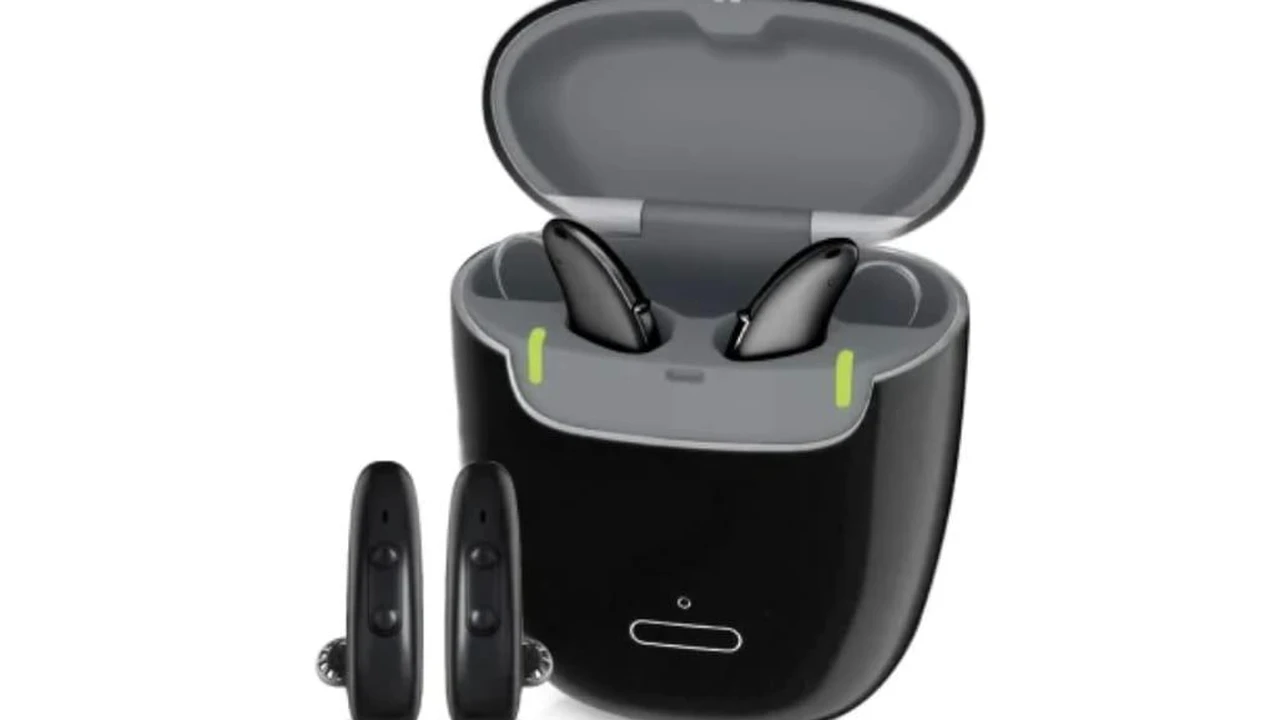
- Damaged Tubing or Casing: For Behind-The-Ear (BTE) hearing aids, the tubing that connects the hearing aid to the earmold can become cracked, stiff, or loose. Any of these issues can create a pathway for sound to escape. Similarly, a crack in the hearing aid's casing itself can also cause leakage.
- Internal Malfunction: Less common, but sometimes the feedback is due to an internal issue with the hearing aid itself. This might be a problem with the microphone, receiver, or the feedback cancellation system.
Practical Solutions to Eliminate Hearing Aid Feedback Get Rid of That Whistle
Alright, now for the good stuff – how to fix it! Most of the time, you can sort this out yourself with a few simple adjustments. Let's go through some common fixes.
Immediate Steps For Reducing Hearing Aid Squeal and Discomfort
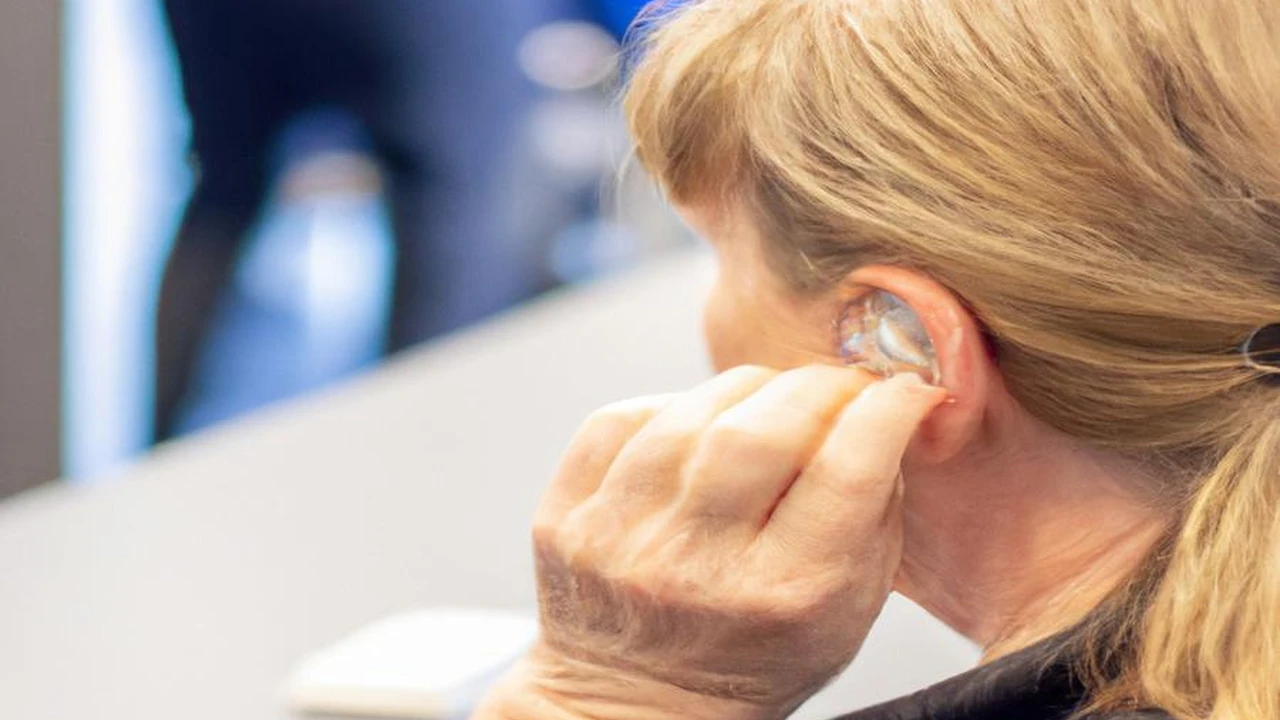
- Reseat Your Hearing Aid: This is the first thing to try. Gently remove your hearing aid and then reinsert it, making sure it's seated deeply and snugly in your ear canal. Give it a little twist to ensure a good seal. For BTEs, check that the earmold is fully inserted.
- Check Your Volume: Is the volume turned up higher than usual? Try lowering it a notch or two. Sometimes, a slight reduction can make all the difference without compromising your hearing.
- Clear Your Ear Canal: If you suspect earwax, you can try some over-the-counter earwax removal drops, but be super careful and always follow the instructions. If you're unsure or have a lot of wax, it's best to see a doctor or audiologist to have it professionally removed. Don't use cotton swabs inside your ear canal, as they can push wax further in.
- Move Obstructions: If you're wearing a hat, scarf, or have your hand near your ear, try moving it away. Sometimes even leaning against a pillow can cause feedback.
Long Term Strategies For Preventing Hearing Aid Feedback and Improving Sound Quality
- Get a New Earmold or Dome: If your hearing aid still feels loose or feedback persists after reseating, you might need a new earmold or a different size dome. Your ear canals change over time, so what was once a perfect fit might not be anymore. An audiologist can take new impressions for a custom earmold or help you find the right dome size.
- Regular Cleaning and Maintenance: Keep your hearing aids clean! Regularly brush away earwax and debris from the microphone and receiver ports. For BTEs, check the tubing for cracks or stiffness. If the tubing is discolored or hard, it's time to replace it. Most audiologists can do this for you, or you can often buy replacement tubing and do it yourself with a little guidance.
- Professional Adjustments: Your audiologist can make adjustments to your hearing aid's settings. Modern hearing aids have sophisticated feedback cancellation systems. Sometimes, these systems just need a little fine-tuning to work optimally. They can also run a 'feedback manager' program to identify and suppress specific frequencies causing the whistle.
- Consider a Different Style of Hearing Aid: In some cases, if feedback is a persistent problem, especially with open-fit or smaller devices, your audiologist might suggest a different style of hearing aid that offers a better seal, like a custom In-The-Ear (ITE) or In-The-Canal (ITC) model, or a BTE with a custom earmold.
Advanced Hearing Aid Features That Combat Feedback Modern Solutions
Hearing aid technology has come a long way, and manufacturers are constantly innovating to make feedback a thing of the past. Many modern hearing aids come equipped with advanced features specifically designed to tackle this issue.
Top Hearing Aids With Excellent Feedback Cancellation Technology
When you're looking for a new hearing aid, or if you're struggling with feedback with your current ones, it's worth asking about these technologies. Here are some of the leading brands and their feedback management systems:
- Phonak (e.g., Phonak Lumity, Phonak Paradise): Phonak's 'WhistleBlock' technology is highly regarded. It's designed to differentiate between feedback and other high-frequency sounds, then applies a phase cancellation technique to eliminate the whistle without affecting speech clarity. They also have 'SoundRecover2' which helps with audibility of high-frequency sounds, reducing the need to over-amplify and thus reducing feedback risk.
- Oticon (e.g., Oticon More, Oticon Real): Oticon uses a system called 'OpenSound Navigator' and 'MoreSound Intelligence' which constantly scans the sound environment. While primarily for noise reduction, it also plays a role in feedback management by optimizing sound processing. Their 'Feedback Shield' is specifically designed to prevent feedback before it even starts, using a multi-faceted approach including phase cancellation and frequency shifting.
- Resound (e.g., ReSound OMNIA, ReSound ONE): ReSound's 'DFS Ultra III' (Digital Feedback Suppression) is a powerful system that uses advanced algorithms to detect and cancel feedback. It's known for being very effective, even in challenging situations, allowing for higher gain without whistling.
- Signia (e.g., Signia Pure Charge&Go AX, Signia Styletto AX): Signia's 'Own Voice Processing (OVP)' helps to make your own voice sound natural, which can reduce the tendency to turn up the volume too high, a common cause of feedback. Their 'Feedback Stopper' is a fast and effective feedback cancellation system that works in real-time.
- Widex (e.g., Widex Moment, Widex Magnify): Widex is known for its natural sound quality, and their feedback cancellation system, 'TruAcoustics' and 'ZeroDelay Technology,' contributes to this. By processing sound incredibly fast, they minimize the opportunity for feedback to occur.
How Feedback Cancellation Systems Work A Technical Overview
These advanced systems typically use a combination of techniques:
- Phase Cancellation: This is a very common and effective method. When the system detects feedback, it generates an identical sound wave that is 180 degrees out of phase with the feedback sound. When these two waves meet, they cancel each other out, effectively eliminating the whistle.
- Frequency Shifting: Some systems subtly shift the frequency of the amplified sound by a tiny, imperceptible amount. This breaks the feedback loop because the sound returning to the microphone is no longer at the exact frequency that caused the feedback.
- Gain Reduction at Specific Frequencies: The hearing aid can identify the specific frequency range where feedback is occurring and slightly reduce the amplification (gain) only in that narrow band, without significantly impacting overall sound quality.
- Adaptive Algorithms: Modern systems are 'smart.' They continuously monitor the sound environment and adapt their feedback cancellation strategies in real-time, ensuring optimal performance in various situations.
When to Seek Professional Help For Persistent Hearing Aid Feedback
While many feedback issues can be resolved at home, there are times when you really should see your audiologist. Don't hesitate to reach out to them if:
- Feedback is Constant and Unrelenting: If you've tried all the basic troubleshooting steps and the whistling just won't quit, it's time for a professional check-up.
- Your Hearing Aid Feels Loose or Uncomfortable: A poor fit is a major cause of feedback. Your audiologist can assess the fit and recommend a new earmold or dome.
- You Suspect Earwax Buildup: If you can't safely remove earwax yourself, or if you're experiencing pain or discomfort, let a professional handle it.
- Visible Damage to Your Hearing Aid: If you see cracks in the casing, damaged tubing, or any other physical issues, your audiologist can repair or replace parts.
- Sudden Onset of Feedback: If your hearing aid was fine and suddenly started whistling, it could indicate an internal malfunction.
- Reduced Sound Quality Along With Feedback: If the feedback is accompanied by a noticeable drop in sound clarity or volume, it definitely warrants a visit.
Your audiologist has the tools and expertise to diagnose the exact cause of the feedback and make the necessary adjustments or repairs. They can also perform a 'real ear measurement' to ensure your hearing aids are providing the correct amplification for your specific ear canal acoustics, which is crucial for both sound quality and feedback prevention.
Comparing Hearing Aid Models and Their Feedback Management Features A Buyer's Guide
When you're in the market for new hearing aids, or even just curious about what's out there, understanding how different models handle feedback can be a big factor in your decision. Here's a quick comparison of some popular models and their feedback-fighting prowess, along with typical price ranges (these are estimates and can vary widely based on technology level, provider, and location).
Entry Level Hearing Aids Feedback Control and Value
Entry-level hearing aids (typically $1,000 - $2,500 per aid) often have basic but effective feedback cancellation. They might use simpler phase cancellation or gain reduction techniques. They're great for mild to moderate hearing loss and quieter environments.
- Example: Starkey Evolv AI 1000: This model offers a solid foundation of sound processing and includes Starkey's basic feedback management system. It's reliable for everyday use and generally keeps feedback at bay in less challenging listening situations.
- Example: ReSound Key 2: ReSound's entry-level options still benefit from their DFS Ultra technology, providing decent feedback suppression for the price point. It's a good choice if you're looking for value without constant whistling.
Mid Range Hearing Aids Enhanced Feedback Suppression and Features
Mid-range hearing aids (typically $2,500 - $4,000 per aid) step up the game with more sophisticated feedback cancellation algorithms. They often combine multiple techniques and are more adaptive to changing environments. These are excellent for active individuals who encounter a variety of soundscapes.
- Example: Phonak Audeo Lumity L50: The Lumity series boasts an improved WhistleBlock system that is more precise and faster acting. This means you can often get higher amplification without triggering feedback, even in more dynamic environments. It's a strong contender for those who need reliable performance.
- Example: Oticon Real 2: Oticon's Real series leverages its advanced processing to manage feedback more proactively. The Feedback Shield in these models is designed to prevent feedback from occurring in the first place, offering a very natural sound experience without the distraction of whistling.
Premium Hearing Aids Advanced Feedback Management and AI Integration
Premium hearing aids (typically $4,000 - $7,000+ per aid) feature the most advanced feedback cancellation systems, often integrated with AI and machine learning. These devices can predict and prevent feedback in complex situations, offering the highest gain levels with minimal whistling. They are ideal for severe hearing loss, very active lifestyles, and challenging listening environments.
- Example: Signia Pure Charge&Go AX 7: This top-tier Signia model uses its Augmented Xperience platform to separate speech from background noise, which indirectly helps with feedback by reducing the need for excessive overall amplification. Its Feedback Stopper is incredibly fast and precise, allowing for a very open and natural sound.
- Example: Widex Moment Sheer 440: Widex's ZeroDelay Technology is a game-changer for feedback. By processing sound so quickly, it virtually eliminates the delay that causes feedback, allowing for a very natural and open fit even with significant amplification. This is particularly beneficial for music lovers or those who prioritize pristine sound quality.
- Example: ReSound OMNIA 9: The OMNIA series features the most advanced version of ReSound's DFS Ultra III, which is highly effective at managing feedback across a wide range of frequencies and listening situations. It allows for a very comfortable listening experience, even when pushing the limits of amplification.
Remember, these are just examples, and technology is always evolving. The best way to choose is to discuss your specific needs and experiences with your audiologist. They can recommend models that are best suited for your hearing loss, lifestyle, and budget, and crucially, they can program and fit them correctly to minimize feedback from day one.
Tips For Specific Scenarios Dealing With Feedback in Daily Life
Feedback isn't just a technical issue; it can pop up in specific daily situations. Knowing how to handle these can make a big difference.
Managing Hearing Aid Feedback During Phone Calls and Hugs
- Phone Calls: When holding a phone to your ear, the phone itself can create a seal that causes feedback. Try holding the phone slightly away from your ear, or adjust the angle. Many modern hearing aids have direct streaming capabilities, allowing you to hear phone calls directly through your hearing aids, which completely bypasses this issue. If you have this feature, use it!
- Hugs: A warm hug can sometimes lead to an unwelcome whistle. The person's head or shoulder can press against your hearing aid, creating a temporary seal or reflecting sound. Just be aware it might happen, and gently adjust your hearing aid or the angle of the hug if it becomes too loud.
Preventing Feedback While Eating and Chewing
Chewing and eating can sometimes cause feedback, especially with In-The-Ear (ITE) or In-The-Canal (ITC) hearing aids. The movement of your jaw can slightly alter the shape of your ear canal, temporarily breaking the seal. If this is a persistent problem, your audiologist might need to adjust the fit of your custom earmold or shell to accommodate jaw movement better.
Addressing Feedback in Noisy Environments and With Headwear
- Noisy Environments: In loud places, you might be tempted to turn up the volume, which can increase the risk of feedback. Rely on your hearing aid's noise reduction and directional microphone features instead. These are designed to focus on speech and reduce background noise without needing excessive amplification. If feedback persists, a quick volume adjustment might be necessary.
- Headwear: Hats, scarves, and even glasses can sometimes press against Behind-The-Ear (BTE) hearing aids or reflect sound back into the microphone. Try adjusting your headwear or the position of your hearing aids to create a little more space.
Ultimately, managing feedback is about understanding its causes and knowing the solutions. With a little attention to fit, cleanliness, and the right professional support, you can enjoy clear, feedback-free hearing most of the time. Don't let a little whistle get in the way of hearing all the amazing sounds around you!
:max_bytes(150000):strip_icc()/277019-baked-pork-chops-with-cream-of-mushroom-soup-DDMFS-beauty-4x3-BG-7505-5762b731cf30447d9cbbbbbf387beafa.jpg)