Comparing The Best Hearing Aids For Kids
A guide to the best hearing aids for children. Compare durable, child-friendly models with features essential for development and learning.

A guide to the best hearing aids for children. Compare durable, child-friendly models with features essential for development and learning.
Comparing The Best Hearing Aids For Kids
Understanding Pediatric Hearing Loss and Its Impact
Hey there, parents and caregivers! Navigating the world of hearing loss for your child can feel overwhelming, but you're not alone. Pediatric hearing loss, whether present at birth or developed later, can significantly impact a child's speech and language development, academic performance, and social interactions. Early intervention with appropriate hearing aids is absolutely crucial. Think of it this way: a child's brain is like a sponge, rapidly absorbing sounds and language during their formative years. If those sounds aren't clear or consistent, that development can be delayed. That's why choosing the right hearing aid isn't just about amplifying sound; it's about opening up a world of communication and learning for your little one.
Hearing loss in children can range from mild to profound, and it can affect one ear (unilateral) or both ears (bilateral). The type and degree of hearing loss will heavily influence the kind of hearing aid recommended. For instance, a child with mild to moderate hearing loss might do well with a discreet behind-the-ear (BTE) device, while a child with severe to profound loss might require a more powerful BTE or even a cochlear implant (though we're focusing on hearing aids here). It's a journey, and finding the perfect fit involves a team effort with audiologists, speech therapists, and, of course, you!
Key Features to Look For in Child-Friendly Hearing Aids
When it comes to hearing aids for kids, it's not just about shrinking an adult device. Children have unique needs that demand specialized features. Here are some of the most important things to consider:
Durability and Robustness for Active Kids
Let's be real: kids are active! They run, jump, play, and sometimes, things get dropped. A child's hearing aid needs to withstand the rigors of daily life. Look for models that are built tough, often with reinforced casings and tamper-resistant battery doors. Many manufacturers offer IP ratings (Ingress Protection) which indicate resistance to dust and water. An IP68 rating, for example, means the device is highly resistant to both. This is super important for playground adventures, rainy days, and even just sweaty play sessions.
Security and Retention Features for Little Ears
Tiny ears mean tiny devices, and keeping them securely in place is a top priority. Pediatric hearing aids often come with retention features like ear hooks designed for smaller ears, or even soft, flexible molds that fit snugly. Some models offer retention clips that can attach to clothing, providing an extra layer of security against loss. For very young children, or those who might try to remove their aids, tamper-resistant battery doors are a must-have to prevent accidental ingestion of small batteries.
Connectivity and Wireless Capabilities for Learning and Play
In today's connected world, wireless connectivity is a game-changer for kids. Bluetooth capabilities allow hearing aids to connect directly to smartphones, tablets, and other devices, enabling direct streaming of audio for educational apps, music, and video calls. This can be incredibly beneficial for learning and entertainment. Furthermore, many pediatric hearing aids are compatible with FM systems or remote microphone systems. These accessories are invaluable in noisy environments like classrooms, allowing the teacher's voice to be streamed directly to the child's hearing aids, cutting through background noise and improving speech understanding.
Sound Processing and Speech Clarity for Optimal Development
The primary goal of a hearing aid is to provide clear, accessible sound. For children, this means prioritizing speech clarity. Look for advanced sound processing features like noise reduction and directional microphones. Noise reduction helps filter out distracting background sounds, making it easier for a child to focus on speech. Directional microphones can hone in on sounds coming from the front, which is particularly useful in classroom settings or during one-on-one conversations. Some aids also offer automatic program changes, adapting to different listening environments without manual adjustment, which is great for kids who might not remember to switch settings.
Comfort and Aesthetics for Happy Wearers
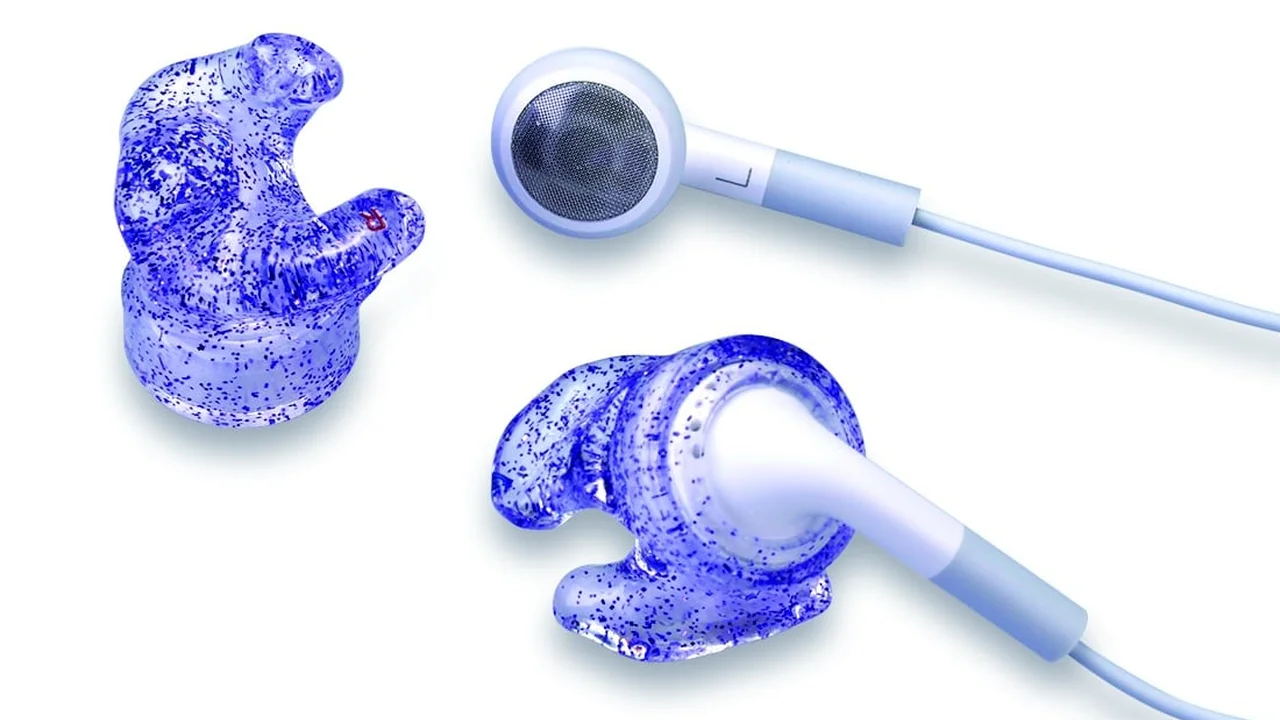
If a hearing aid isn't comfortable, a child won't wear it. Period. Custom earmolds are essential for BTE devices, ensuring a snug, comfortable fit that won't cause irritation. Many manufacturers also offer a wide range of fun colors and designs, allowing children to personalize their devices and feel more confident about wearing them. Making the hearing aid a 'cool' accessory rather than something to hide can significantly improve compliance.
Top Contenders: Best Hearing Aids for Kids
Alright, let's dive into some specific models and brands that are highly regarded in the pediatric hearing aid market. Remember, the 'best' aid is always the one that best suits your child's individual needs, so this is a starting point for discussion with your audiologist.
Phonak Sky Marvel and Sky Link M
Phonak is a powerhouse in pediatric hearing solutions, and their Sky Marvel and Sky Link M lines are fantastic. These are primarily Behind-The-Ear (BTE) devices, known for their robust build and child-friendly features. The Sky Marvel, for example, boasts 'AutoSense Sky OS,' which automatically adjusts to different listening environments, a huge plus for kids who are constantly moving between quiet homes, noisy playgrounds, and bustling classrooms. They offer excellent speech understanding in noise and direct connectivity to virtually any Bluetooth-enabled device, including both iOS and Android phones. This means your child can stream audio from their tablet directly to their aids for educational games or music. They also integrate seamlessly with Phonak's Roger remote microphone systems, which are gold standard for classroom listening. The Sky Link M is a slightly newer iteration, often offering even more advanced processing and connectivity options. They come in a vibrant array of colors, letting kids express their personality. Expect prices for these to range from approximately $1,500 to $3,500 per aid, depending on the technology level and provider.
Oticon Play PX
Oticon's pediatric offerings, particularly the Play PX, are built on their 'BrainHearing' philosophy, which aims to support the brain's natural way of processing sound. These BTE aids are designed to provide a full and balanced soundscape, helping children's brains make sense of sounds more easily. The Play PX features a 'MoreSound Intelligence' system that processes sounds 500 times per second, giving children access to all relevant sounds in their environment, not just speech. This is crucial for incidental learning and spatial awareness. They are also very durable, with an IP68 rating, and offer direct streaming from iPhone and select Android devices. Oticon also has a range of child-friendly accessories, including retention clips and colorful shells. The price point for Oticon Play PX typically falls between $1,800 and $4,000 per aid, again varying by technology tier and clinic.
Resound Up Smart
Resound's Up Smart series is another strong contender for children. These BTE hearing aids are known for their excellent sound quality and robust connectivity. They offer Made for iPhone (MFi) connectivity, allowing direct streaming from Apple devices, and also support Android streaming through an accessory. The Up Smart aids are designed with a focus on speech understanding in noisy environments, which is vital for a child's development. They also feature a tamper-resistant design and come in a variety of colors. Resound's Smart app allows parents and older children to discreetly adjust settings, which can be very convenient. The Resound Up Smart aids generally range from $1,400 to $3,200 per aid.
Starkey Picasso (Custom ITE/ITC for older children)
While BTEs are most common for younger children due to their power and durability, for older children or teenagers who prioritize discretion, custom In-The-Ear (ITE) or In-The-Canal (ITC) options like the Starkey Picasso might be considered. These are custom-molded to fit directly into the ear canal or outer ear, making them less visible. However, they are generally less powerful than BTEs and may not be suitable for severe to profound hearing loss. They also have smaller batteries and fewer external controls. The Picasso line offers good sound quality and some connectivity features, but it's important to discuss with your audiologist if an ITE/ITC is appropriate for your child's specific hearing loss and lifestyle. Prices for custom aids like the Starkey Picasso can range from $1,800 to $4,500 per aid, reflecting the custom manufacturing process.
Comparing Features and Use Cases
Let's break down how these might compare in different scenarios:
Classroom Performance and Learning Support
For classroom settings, the Phonak Sky Marvel/Link M and Oticon Play PX often stand out due to their superior integration with remote microphone systems (like Phonak Roger or Oticon's EduMic). These systems allow the teacher's voice to be transmitted directly to the child's hearing aids, significantly improving speech understanding over distance and in noisy classrooms. Their advanced noise reduction algorithms also help filter out chatter and shuffling sounds, allowing the child to focus on the lesson. Resound Up Smart also performs well here with its focus on speech clarity.
Durability for Active Play and Sports
All the BTE models mentioned (Phonak Sky, Oticon Play PX, Resound Up Smart) are designed with durability in mind, often featuring high IP ratings for water and dust resistance. This makes them excellent choices for active children who love to play sports or spend time outdoors. Their robust casings are built to withstand bumps and drops. Custom ITE/ITC aids like the Starkey Picasso are less ideal for very active children as they are more susceptible to sweat damage and can be dislodged more easily during vigorous activity.
Connectivity for Entertainment and Communication
Phonak Sky Marvel/Link M and Oticon Play PX offer excellent universal Bluetooth connectivity, meaning they can stream directly from a wide range of devices, including both iOS and Android. This is fantastic for streaming music, educational videos, or making hands-free calls. Resound Up Smart offers Made for iPhone and some Android compatibility via accessories. This connectivity enhances a child's ability to engage with digital content and communicate with friends and family.
Discretion and Aesthetics for Self-Conscious Teens
While BTEs are generally more visible, manufacturers have made great strides in offering smaller, sleeker designs and a wide array of colors. For teenagers who might be more self-conscious, the custom ITE/ITC options like the Starkey Picasso offer the most discretion as they sit entirely or mostly within the ear canal. However, as mentioned, these come with trade-offs in power and features. It's a balance between visibility and functionality that needs to be discussed with your child and audiologist.
The Importance of Professional Fitting and Ongoing Support
Choosing the right hearing aid is just the first step. The fitting process, performed by a pediatric audiologist, is absolutely critical. Children's ears are constantly growing and changing, so regular check-ups and adjustments are essential. The audiologist will ensure the hearing aids are programmed correctly for your child's specific hearing loss, that the earmolds fit comfortably, and that the devices are providing optimal sound. They'll also provide crucial guidance on maintenance, troubleshooting, and how to integrate the hearing aids into your child's daily life.
Ongoing support also includes working with speech therapists to ensure your child is developing language skills effectively. It's a holistic approach, where the hearing aid is a tool, but the support system around the child is what truly unlocks their potential. Don't hesitate to ask your audiologist about trial periods, warranties, and what aftercare services are included with your purchase. This long-term partnership is key to your child's success.
Funding and Affordability for Pediatric Hearing Aids
Let's talk about the elephant in the room: cost. Pediatric hearing aids can be a significant investment. However, there are various avenues to explore for financial assistance. Many private insurance plans offer some coverage for pediatric hearing aids, so it's crucial to check your specific policy. Medicaid and other state-funded programs often provide comprehensive coverage for children's hearing healthcare. Additionally, there are numerous non-profit organizations and foundations dedicated to helping families afford hearing aids for their children. Organizations like the Hearing Loss Association of America (HLAA) or the American Academy of Audiology (AAA) often have resources and lists of such programs. Don't let the initial price tag deter you; explore all your options, and your audiologist's office can often provide guidance on navigating these resources.
Empowering Your Child with Hearing Aids
Ultimately, providing your child with the best hearing aids is about empowering them. It's about giving them the tools to connect with the world, to learn, to grow, and to thrive. Involving your child in the process, from choosing colors to understanding how their aids work, can foster a sense of ownership and responsibility. Celebrate their milestones, big and small, as they adapt to their new hearing world. With the right technology, professional support, and your unwavering love, your child can achieve amazing things.
:max_bytes(150000):strip_icc()/277019-baked-pork-chops-with-cream-of-mushroom-soup-DDMFS-beauty-4x3-BG-7505-5762b731cf30447d9cbbbbbf387beafa.jpg)