Best Hearing Aids For Tinnitus Relief 2024
Find the best hearing aids specifically designed to alleviate tinnitus symptoms in 2024. Compare features like sound therapy and masking options.
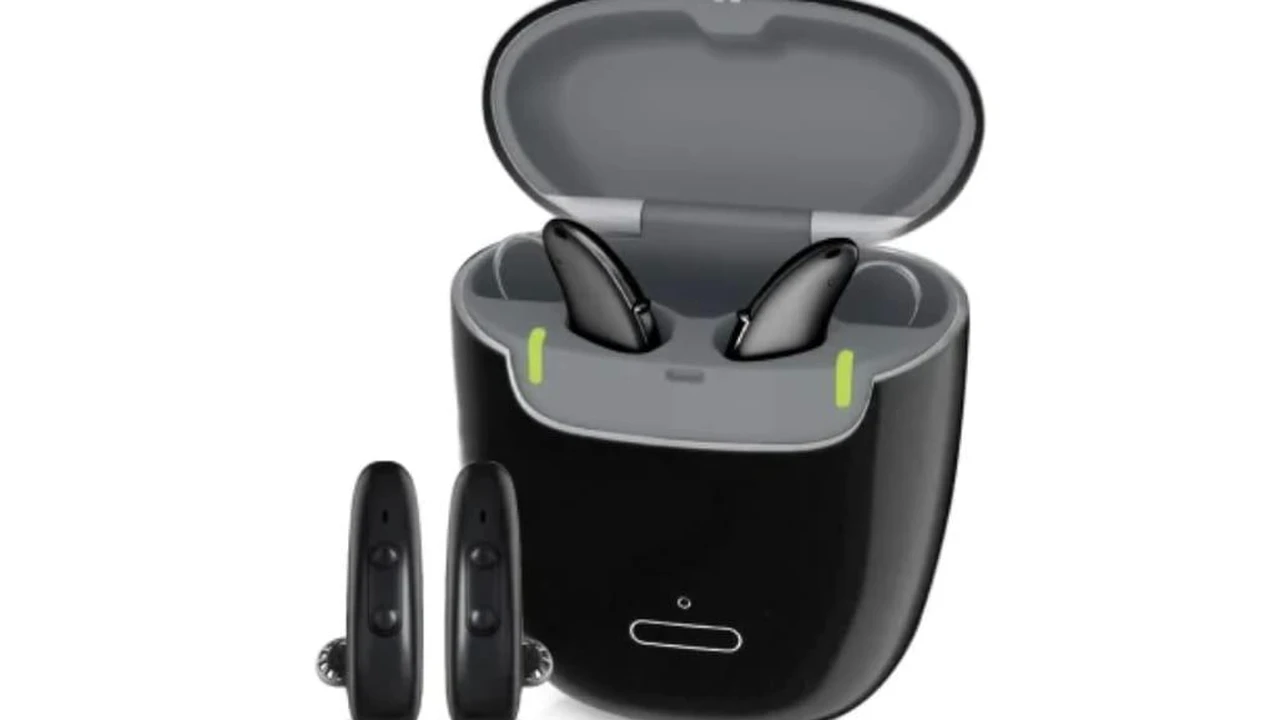
Find the best hearing aids specifically designed to alleviate tinnitus symptoms in 2024. Compare features like sound therapy and masking options.
Best Hearing Aids For Tinnitus Relief 2024
Living with tinnitus can be incredibly challenging. That constant ringing, buzzing, hissing, or clicking in your ears can disrupt your sleep, concentration, and overall quality of life. If you're experiencing tinnitus, you're not alone. Millions of people worldwide grapple with this condition, and while there's no universal cure, modern hearing aids offer significant relief for many. In 2024, the technology has advanced considerably, providing sophisticated sound therapy and masking options that can make a real difference. This comprehensive guide will walk you through the best hearing aids for tinnitus relief, helping you understand your options and make an informed decision.
Understanding Tinnitus and How Hearing Aids Can Help
Before diving into specific products, let's clarify what tinnitus is and how hearing aids play a crucial role in its management. Tinnitus isn't a disease itself but rather a symptom of an underlying condition, often related to hearing loss. When your brain doesn't receive enough external sound input due to hearing loss, it can sometimes generate its own internal sounds, which we perceive as tinnitus.
Hearing aids help with tinnitus in several key ways:
- Masking: This is perhaps the most straightforward approach. By amplifying external sounds, hearing aids can make the tinnitus less noticeable. The brain focuses on the amplified environmental sounds rather than the internal tinnitus sound.
- Sound Therapy: Many modern hearing aids incorporate dedicated sound generators that produce soothing sounds (like white noise, pink noise, ocean waves, or even fractal tones). These sounds can distract the brain from the tinnitus, habituating it to the internal noise over time.
- Improved Communication: For individuals with co-occurring hearing loss, hearing aids improve overall hearing, reducing the strain and fatigue often associated with trying to listen. This reduction in stress can indirectly lessen the perception of tinnitus.
- Cognitive Behavioral Therapy (CBT) and Tinnitus Retraining Therapy (TRT) Support: While not a direct function of the hearing aid, many devices are designed to work in conjunction with these therapeutic approaches, providing the necessary sound enrichment for successful habituation.
Key Features to Look For in Tinnitus Hearing Aids
When you're shopping for hearing aids specifically for tinnitus, certain features are more beneficial than others. Here's what to prioritize:
Advanced Sound Generators and Tinnitus Maskers
This is the core feature. Look for hearing aids that offer a variety of sound therapy options. Some devices provide simple white noise, while others offer more complex, customizable sounds. The ability to adjust the type, volume, and modulation of these sounds is crucial for personalized relief.
Customizable Sound Environments and Programs
Your tinnitus might be more noticeable in quiet environments, or it might be exacerbated by certain frequencies. Hearing aids with multiple programs allow you to switch between settings optimized for different listening situations, including dedicated tinnitus relief programs.
Bluetooth Connectivity and Streaming Capabilities
Bluetooth is a game-changer. It allows you to stream audio directly from your smartphone, tablet, or other devices into your hearing aids. This means you can stream your preferred tinnitus masking apps, guided meditations, or soothing music directly, giving you more control over your sound therapy.
Rechargeable Batteries for Convenience and Continuous Use
Tinnitus relief often requires continuous use of sound therapy. Rechargeable hearing aids offer convenience and ensure you don't run out of power during crucial moments of relief. This is especially important if you use sound therapy throughout the night.
Discreet Design and Comfortable Fit for All-Day Wear
Since you'll likely be wearing these devices for extended periods, comfort and discretion are important. Whether you prefer a nearly invisible in-the-canal (ITC) style or a more robust behind-the-ear (BTE) model, ensure it fits well and feels comfortable for all-day wear.
Smartphone App Control for Easy Adjustments
Many modern hearing aids come with companion smartphone apps. These apps allow you to discreetly adjust volume, switch programs, customize sound therapy settings, and even track your usage, all from your phone.
Top Hearing Aids for Tinnitus Relief in 2024
Based on advanced features, user reviews, and audiologist recommendations, here are some of the best hearing aids for tinnitus relief available in 2024:
1. Phonak Audéo Lumity Hearing Aids for Tinnitus Management
Phonak is a leader in hearing technology, and their Lumity platform is particularly strong for tinnitus management. The Lumity series, especially the Audéo Lumity RIC (Receiver-in-Canal) models, offers excellent sound quality and robust tinnitus features.
- Key Tinnitus Features: Phonak's Tinnitus Balance noise generator provides a wide range of customizable sounds, including white noise, pink noise, and a unique 'ocean wave' sound. Users can adjust the intensity and modulation of these sounds via the myPhonak app.
- SoundScapes: The app also offers 'SoundScapes,' which are more complex, soothing sound environments designed to distract and relax.
- Connectivity: Excellent universal Bluetooth connectivity, allowing seamless streaming of external sound therapy apps or music from any Bluetooth-enabled device.
- Rechargeability: Available in rechargeable models, ensuring all-day and all-night use for continuous tinnitus relief.
- Usage Scenario: Ideal for individuals with mild to severe hearing loss who also experience tinnitus. Great for use in quiet environments where tinnitus is most noticeable, as well as for streaming personalized sound therapy during relaxation or sleep.
- Price Range: Typically falls into the premium to advanced price categories, ranging from approximately $2,500 to $7,000 per pair, depending on the technology level and provider.
- Comparison: Lumity stands out for its comprehensive sound generator and excellent connectivity, making it highly versatile for personalized tinnitus management.
2. ReSound OMNIA Hearing Aids for Tinnitus Sound Therapy
ReSound has long been recognized for its strong focus on tinnitus relief, and the OMNIA platform continues this tradition with advanced sound therapy options and superior sound quality.
- Key Tinnitus Features: ReSound's Tinnitus Relief app, integrated with the Smart 3D app, offers a wide array of sound therapy options. This includes white noise, pink noise, brown noise, and nature sounds. Users can create personalized soundscapes and manage their therapy directly from their smartphone.
- Relief App: The dedicated Tinnitus Relief app provides educational content, relaxation exercises, and a sound generator, making it a holistic tool for tinnitus management.
- Connectivity: Made for iPhone (MFi) and Android streaming capabilities, allowing direct streaming of audio and tinnitus masking sounds.
- Rechargeability: Available in rechargeable RIC and BTE styles.
- Usage Scenario: Excellent for users who want a highly customizable and interactive tinnitus management experience. The integrated app makes it easy to experiment with different sounds and find what works best. Suitable for various degrees of hearing loss.
- Price Range: Generally in the advanced to premium range, from $2,000 to $6,500 per pair, depending on features and dispenser.
- Comparison: ReSound's strength lies in its dedicated Tinnitus Relief app, which offers a more guided and educational approach to managing tinnitus alongside sound therapy.
3. Oticon Real Hearing Aids with Tinnitus SoundSupport
Oticon's 'BrainHearing' philosophy extends to tinnitus relief, aiming to support the brain in processing sound more effectively. The Oticon Real series offers advanced sound processing and effective tinnitus features.
- Key Tinnitus Features: Oticon's Tinnitus SoundSupport technology offers a variety of sound stimuli, including white noise, pink noise, and ocean sounds. These sounds are designed to be soothing and distracting, helping to reduce the perception of tinnitus.
- OpenSound Navigator: While not directly a tinnitus feature, Oticon's OpenSound Navigator helps manage background noise, which can make tinnitus more noticeable. By providing a clearer soundscape, it indirectly aids in tinnitus relief.
- Connectivity: Made for iPhone (MFi) and Android ASHA (Audio Streaming for Hearing Aids) for direct streaming.
- Rechargeability: Available in rechargeable miniRITE (Receiver-in-Ear) styles.
- Usage Scenario: Ideal for individuals who appreciate a natural sound experience and want a hearing aid that seamlessly integrates tinnitus relief into their daily listening. Particularly good for those who find background noise exacerbates their tinnitus.
- Price Range: Typically in the advanced to premium category, ranging from $2,500 to $7,000 per pair.
- Comparison: Oticon's approach focuses on creating a more natural and balanced sound environment, which can be very effective for tinnitus sufferers who are sensitive to sudden changes in sound or struggle with noise.
4. Starkey Genesis AI Hearing Aids for Personalized Tinnitus Relief
Starkey's Genesis AI hearing aids are known for their advanced artificial intelligence capabilities, which extend to personalized tinnitus management. Their Neuro Sound Technology is designed to mimic the way the brain processes sound.
- Key Tinnitus Features: Starkey's Multiflex Tinnitus Technology offers a customizable and comfortable sound stimulus that can be programmed by your hearing professional. It uses a proprietary algorithm to generate a therapeutic sound that can be adjusted in terms of frequency and modulation.
- Thrive Hearing Control App: The companion app allows for fine-tuning of the tinnitus stimulus and offers educational resources and relaxation exercises.
- AI Integration: The AI features can adapt to different listening environments, potentially optimizing the tinnitus relief in various situations.
- Connectivity: Excellent Bluetooth connectivity for both iPhone and Android devices, enabling high-quality audio streaming.
- Rechargeability: Available in rechargeable RIC and custom in-the-ear (ITE) styles, including the discreet CIC (Completely-in-Canal) and IIC (Invisible-in-Canal) options.
- Usage Scenario: Best for users who want highly personalized tinnitus relief and appreciate cutting-edge AI technology. The custom ITE options are great for those seeking maximum discretion.
- Price Range: Premium pricing, typically from $3,000 to $8,000 per pair, reflecting the advanced AI and customization options.
- Comparison: Starkey's AI-driven approach and highly customizable Multiflex Tinnitus Technology offer a very personalized experience, especially for those who have specific frequency-related tinnitus.
5. Widex Moment Sheer Hearing Aids for Zen Tones Tinnitus Program
Widex has a long-standing reputation for its unique approach to tinnitus relief, particularly with its 'Zen Tones' program. The Widex Moment Sheer series combines this with their ultra-fast sound processing.
- Key Tinnitus Features: Widex's signature Zen Tones are fractal tones that are designed to be both relaxing and engaging, helping to reduce the perception of tinnitus. These tones are unique to Widex and are highly regarded by many tinnitus sufferers.
- PureSound Technology: The Moment Sheer's ultra-fast sound processing minimizes delay, providing a more natural sound experience, which can be beneficial for tinnitus by reducing auditory distortion.
- SoundSense Learn: This AI-powered feature in the app allows users to personalize their sound settings, including tinnitus relief, by comparing different sound profiles.
- Connectivity: Made for iPhone (MFi) and Android ASHA streaming.
- Rechargeability: Available in sleek, rechargeable RIC models.
- Usage Scenario: Ideal for individuals who prefer a more musical or melodic sound therapy rather than traditional white noise. Excellent for those seeking a natural sound experience and discreet design.
- Price Range: Generally in the advanced to premium range, from $2,500 to $7,500 per pair.
- Comparison: Widex is unique for its Zen Tones, which many users find more pleasant and effective than standard noise generators. Their PureSound technology also contributes to a very natural listening experience.
Over-the-Counter OTC Hearing Aids for Tinnitus Relief
With the advent of OTC hearing aids, more affordable options are available. While these typically don't offer the same level of customization or advanced sound therapy as prescription devices, some can still provide basic masking for tinnitus, especially for mild cases of hearing loss.
Jabra Enhance Plus OTC Hearing Aids for Basic Tinnitus Masking
- Key Tinnitus Features: While not specifically designed for advanced tinnitus therapy, the Jabra Enhance Plus can amplify ambient sounds, which can provide a masking effect for mild tinnitus. Users can also stream white noise or other masking sounds from their smartphone apps.
- Discreet Design: These are very small, earbud-style devices, offering excellent discretion.
- Ease of Use: Designed for self-fitting and easy control via a smartphone app.
- Usage Scenario: Best for individuals with perceived mild to moderate hearing loss and mild tinnitus who are looking for an affordable, discreet solution for basic sound amplification and masking. Not suitable for complex tinnitus management.
- Price Range: Around $799 - $1,000 per pair.
- Comparison: Offers a much lower entry point for basic amplification and masking compared to prescription devices, but lacks the sophisticated sound therapy and professional fitting of premium models.
Choosing the Right Hearing Aid for Your Tinnitus
Selecting the best hearing aid for your tinnitus is a personal journey. Here are some steps to guide you:
Consult an Audiologist or Hearing Healthcare Professional
This is the most crucial step. An audiologist can accurately diagnose your hearing loss (if any) and assess the nature of your tinnitus. They can recommend specific hearing aid models and program them to best address both your hearing and tinnitus needs. They can also guide you on complementary therapies like Tinnitus Retraining Therapy (TRT) or Cognitive Behavioral Therapy (CBT).
Consider Your Type and Severity of Tinnitus
Is your tinnitus constant or intermittent? Is it a high-pitched whine or a low rumble? The characteristics of your tinnitus can influence which sound therapy options might be most effective. Some people respond better to broadband noise, while others prefer more melodic tones.
Evaluate Your Lifestyle and Listening Environments
Do you spend a lot of time in quiet environments where tinnitus is most bothersome? Or do you need help managing tinnitus in noisy social settings? Your daily activities will influence the features you need, such as advanced noise reduction or robust streaming capabilities.
Trial Periods and Adjustments Are Essential
Most reputable hearing aid providers offer trial periods. Take advantage of these! Wear the hearing aids in your typical environments, experiment with the tinnitus programs, and provide feedback to your audiologist. Multiple adjustments may be needed to find the optimal settings for your relief.
Budget and Insurance Coverage for Tinnitus Hearing Aids
Hearing aids are a significant investment. Discuss pricing, financing options, and potential insurance coverage with your provider. While some insurance plans may not cover hearing aids, they might cover the audiological services or a portion of the device cost, especially if tinnitus is a diagnosed condition.
Beyond Hearing Aids Complementary Tinnitus Therapies
While hearing aids are a powerful tool, they are often most effective when combined with other strategies. Consider these complementary approaches:
Tinnitus Retraining Therapy TRT and Cognitive Behavioral Therapy CBT
These therapies, often administered by audiologists or psychologists, aim to help you habituate to your tinnitus, reducing its perceived loudness and emotional impact. Hearing aids with sound generators are often a key component of TRT.
Mindfulness and Relaxation Techniques for Tinnitus Relief
Stress and anxiety can exacerbate tinnitus. Practices like mindfulness meditation, deep breathing exercises, and yoga can help manage stress and shift your focus away from the tinnitus.
Sound Enrichment and Environmental Sounds
Avoid complete silence, as this can make tinnitus more noticeable. Use background sound enrichment, such as a fan, a white noise machine, or soft music, especially in quiet environments or at bedtime.
Lifestyle Adjustments for Tinnitus Management
Certain lifestyle factors can influence tinnitus. Reducing caffeine and alcohol intake, avoiding loud noise exposure, getting regular exercise, and ensuring adequate sleep can all contribute to better tinnitus management.
Finding the right hearing aid for tinnitus relief can be a transformative experience. With the advanced technology available in 2024, there are more options than ever to help you manage your tinnitus and reclaim your peace and quiet. Remember to work closely with a hearing professional to find the solution that best fits your unique needs and helps you live a fuller, more comfortable life.
:max_bytes(150000):strip_icc()/277019-baked-pork-chops-with-cream-of-mushroom-soup-DDMFS-beauty-4x3-BG-7505-5762b731cf30447d9cbbbbbf387beafa.jpg)