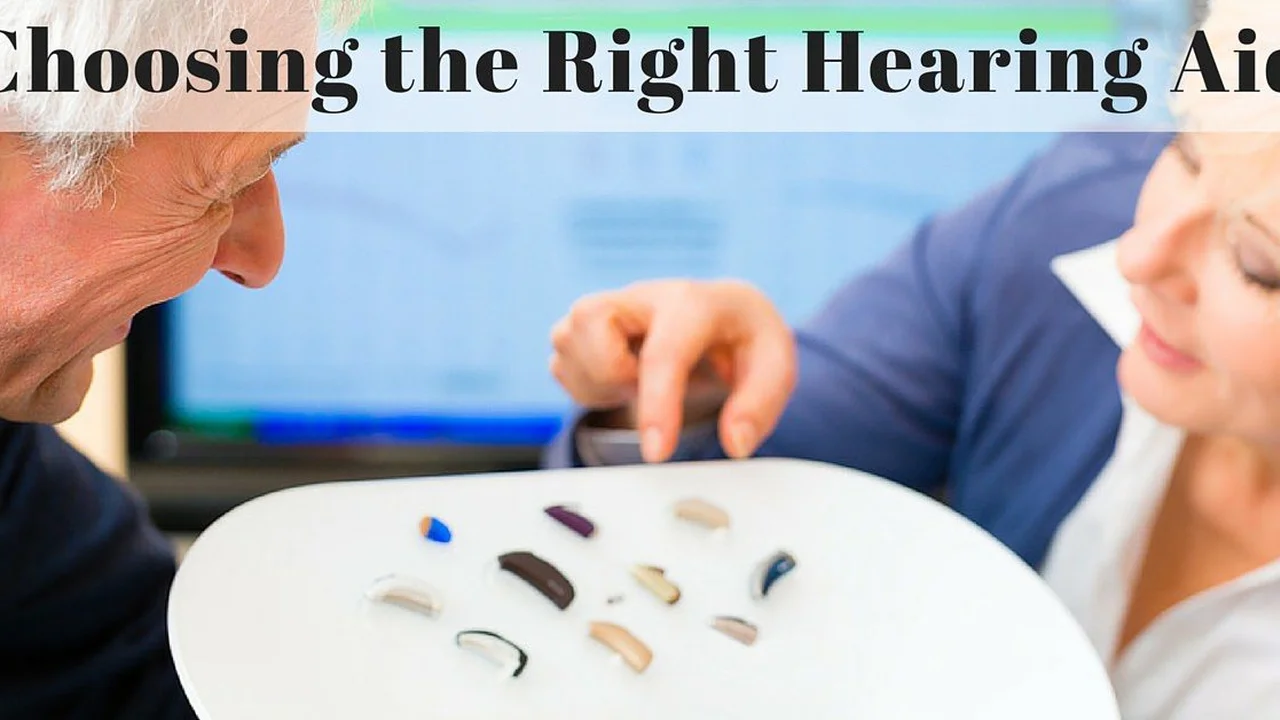
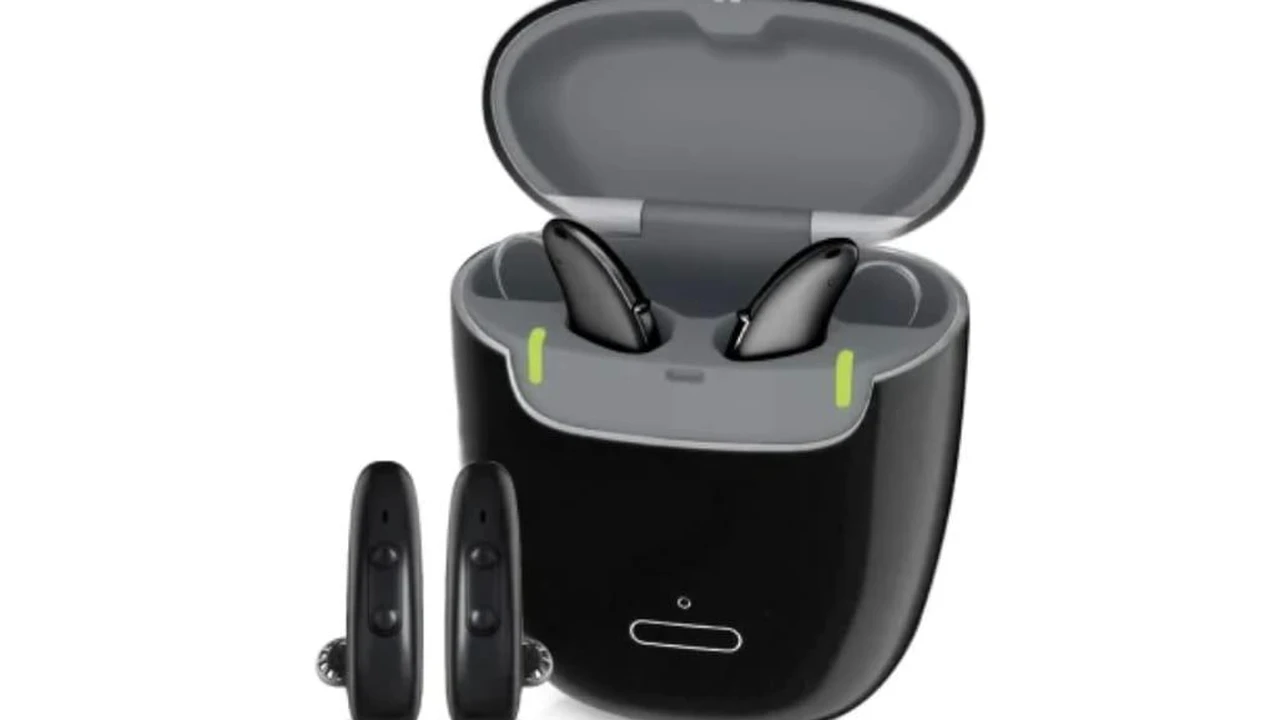
Questions To Ask Before Buying Hearing Aids
Compare buying hearing aids online versus through in-person clinics. Weigh the pros and cons of convenience, cost, and professional support.
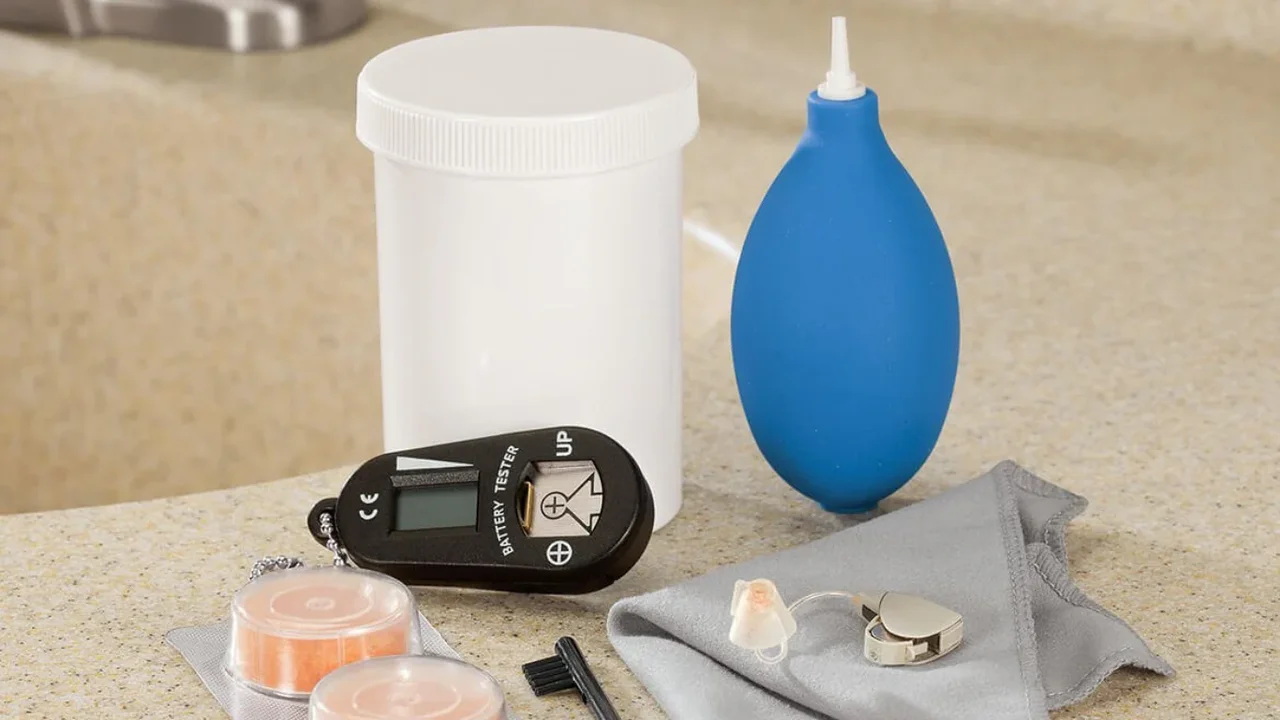
Compare buying hearing aids online versus through in-person clinics. Weigh the pros and cons of convenience, cost, and professional support.
Online Hearing Aids vs In Person Clinics A Comprehensive Guide
Hey there! So, you're looking into getting hearing aids, and you've probably noticed there are two main paths you can take: buying them online or going through a traditional in-person clinic. It's a big decision, and honestly, there's no one-size-fits-all answer. Both options have their perks and drawbacks, and what's best for you really depends on your specific needs, your budget, and how comfortable you are with technology. Let's dive deep into both options so you can make an informed choice.
The Rise of Online Hearing Aids Convenience and Accessibility
In recent years, buying hearing aids online has become super popular, especially with the introduction of over-the-counter (OTC) options. The main draw here is convenience and often, a lower price tag. You can browse different models from the comfort of your home, compare features, and have them shipped right to your door. It sounds pretty great, right?
Advantages of Buying Hearing Aids Online
- Cost Savings on Hearing Devices: This is often the biggest motivator. Online retailers typically have lower overheads than brick-and-mortar clinics, which can translate to significant savings for you. You might find devices that are hundreds, or even thousands, of dollars cheaper online.
- Unmatched Convenience for Hearing Aid Shopping: No appointments needed! You can shop anytime, anywhere. This is a huge plus for people with busy schedules, limited mobility, or those living in rural areas without easy access to audiology clinics.
- Wider Selection of Hearing Aid Brands and Models: Online stores often carry a broader range of brands and models than a single clinic might. This gives you more options to compare and find something that truly fits your preferences.
- Discretion in Purchasing Hearing Aids: Some people prefer the anonymity of online shopping, especially if they're feeling a bit self-conscious about their hearing loss.
- Accessibility to OTC Hearing Aids: With the new OTC regulations, many online platforms are now offering self-fitting hearing aids directly to consumers, making the process even simpler for those with perceived mild to moderate hearing loss.
Disadvantages of Buying Hearing Aids Online
- Lack of Professional Hearing Assessment and Diagnosis: This is a big one. When you buy online, you usually bypass a comprehensive hearing test by an audiologist. This means you might not get an accurate diagnosis of your specific type and degree of hearing loss, which is crucial for proper treatment.
- No Personalized Hearing Aid Fitting and Programming: Hearing aids aren't one-size-fits-all. They need to be precisely programmed to your unique hearing profile. Online models often come with generic settings or rely on self-fitting apps, which might not be as effective as a professional fitting.
- Limited or No Ongoing Support and Aftercare for Hearing Aids: What happens if you have issues? Online support can be limited to phone calls or emails. You won't have someone there to physically adjust your device, clean it, or troubleshoot problems in person.
- Potential for Incorrect Hearing Aid Selection: Without professional guidance, you might choose a hearing aid that isn't suitable for your hearing loss, leading to dissatisfaction and wasted money.
- Technical Challenges with Self-Fitting Hearing Aids: While self-fitting apps are getting better, they can still be tricky for some users, especially those who aren't tech-savvy.
- Warranty and Return Policy Concerns for Online Purchases: Always check the fine print! Return policies and warranties can vary greatly among online retailers, and some might be less generous than those offered by clinics.
The Traditional Route In-Person Clinics and Professional Care
Going to an in-person clinic means you'll be working with an audiologist or a hearing aid specialist. This is the traditional way to get hearing aids, and it emphasizes personalized care and professional expertise. Think of it like getting a custom-tailored suit versus buying one off the rack.
Advantages of In-Person Hearing Aid Clinics
- Comprehensive Hearing Evaluation and Diagnosis: An audiologist will perform a thorough hearing test, including an audiogram, to accurately diagnose your hearing loss. This is the foundation for choosing the right device.
- Expert Hearing Aid Selection and Recommendation: Based on your specific hearing loss, lifestyle, and budget, the audiologist will recommend suitable hearing aid models and explain the pros and cons of each.
- Precise Hearing Aid Fitting and Programming: This is where the magic happens. The audiologist will program your hearing aids to your exact hearing prescription, ensuring optimal sound quality and comfort. They'll also perform real-ear measurements to verify the fitting.
- Ongoing Support and Personalized Aftercare Services: This is a huge benefit. You'll have regular follow-up appointments for adjustments, cleanings, repairs, and counseling. This continuous support is vital for long-term satisfaction.
- Troubleshooting and Repair Services for Hearing Devices: If your hearing aids aren't working correctly, you can simply bring them back to the clinic for immediate assistance.
- Counseling and Rehabilitation for Hearing Loss: Audiologists provide valuable counseling on how to adapt to your hearing aids, communication strategies, and managing challenging listening environments.
- Access to Advanced Hearing Aid Technology: Clinics often have access to the latest and most advanced hearing aid models, including prescription-only devices that aren't available online.
Disadvantages of In-Person Hearing Aid Clinics
- Higher Overall Cost of Hearing Aids and Services: Generally, the total cost of hearing aids purchased through a clinic will be higher. This includes the cost of the devices themselves, plus the professional services like testing, fitting, and follow-up care.
- Less Convenience with Appointments and Travel: You'll need to schedule appointments, which can be inconvenient, and travel to the clinic. This might be a challenge for some individuals.
- Limited Selection of Hearing Aid Brands in Some Clinics: A single clinic might only carry a few specific brands, limiting your choices compared to the vast selection available online.
- Potential for Sales Pressure in Hearing Aid Purchases: While most audiologists are ethical, some clinics might have sales targets, which could lead to a feeling of pressure to purchase certain models.
Comparing Specific Hearing Aid Products Online vs In-Clinic
Let's look at some examples of what you might find in both scenarios. Keep in mind that product availability and pricing can change rapidly.
Online Hearing Aid Options and Their Features
Online platforms often feature a mix of OTC hearing aids and some prescription-level devices that can be purchased without an in-person fitting, though this is less common for complex cases.
-
Jabra Enhance Plus (OTC Hearing Aid):
- Type: In-the-ear (ITE) style, designed for mild to moderate hearing loss.
- Features: Combines hearing enhancement with premium earbuds for music and calls. App-controlled self-fitting. Rechargeable.
- Use Case: Great for active individuals who want a discreet device that also functions as high-quality earbuds. Good for situational use in less complex listening environments.
- Comparison: More versatile than basic OTC hearing aids due to its earbud functionality. Less powerful than prescription devices for severe loss.
- Estimated Price: Around $799 - $999 per pair.
-
Lexie B2 Powered by Bose (OTC Hearing Aid):
- Type: Receiver-in-canal (RIC) style, suitable for mild to moderate hearing loss.
- Features: Self-fitting via a smartphone app, rechargeable, noise reduction, directional microphones.
- Use Case: Ideal for users comfortable with technology who want a modern, discreet device with good sound quality for everyday situations.
- Comparison: Offers a more traditional hearing aid look and feel compared to the Jabra, with a focus on hearing enhancement. Strong brand recognition with Bose audio technology.
- Estimated Price: Around $999 - $1099 per pair.
-
MDHearingAid VOLT MAX (Online Purchase):
- Type: Behind-the-ear (BTE) style, often marketed for mild to moderately severe hearing loss.
- Features: Rechargeable, app control for personalization, noise reduction, feedback cancellation.
- Use Case: A more budget-friendly option for those seeking a rechargeable BTE device with some customization features.
- Comparison: Generally less sophisticated in terms of sound processing than premium OTC or prescription devices, but offers a good entry point for basic amplification.
- Estimated Price: Around $699 - $999 per pair (often with promotions).
In-Clinic Hearing Aid Options and Their Advanced Capabilities
In-clinic options typically include a wider range of advanced prescription hearing aids from top manufacturers, offering more sophisticated features and customization.
-
Phonak Lumity (Premium Prescription Hearing Aid):
- Type: Available in RIC, BTE, and custom ITE styles, suitable for mild to profound hearing loss.
- Features: Advanced speech understanding in noise (StereoZoom 2.0), universal Bluetooth connectivity, rechargeable, tap control, health data tracking.
- Use Case: Excellent for individuals with active lifestyles who frequently encounter challenging listening environments (restaurants, meetings) and want seamless connectivity with all their devices.
- Comparison: Offers superior performance in complex soundscapes and more robust connectivity than most OTC options. Requires professional fitting and fine-tuning.
- Estimated Price: $3,000 - $7,000+ per pair (includes professional services).
-
Oticon Real (Premium Prescription Hearing Aid):
- Type: Available in RIC and BTE styles, for mild to severe-to-profound hearing loss.
- Features: BrainHearing technology, MoreSound Intelligence 2.0 for 360-degree sound, sudden sound stabilizer, rechargeable, direct streaming to iOS and Android.
- Use Case: Designed for users who prioritize natural sound perception and want to reduce listening effort, especially in dynamic environments.
- Comparison: Focuses on providing a more natural sound experience by processing all sounds, not just speech. Offers advanced features for comfort and clarity that are not found in OTC devices.
- Estimated Price: $2,800 - $6,500+ per pair (includes professional services).
-
Starkey Genesis AI (Premium Prescription Hearing Aid):
- Type: Available in RIC and custom ITE styles, for mild to severe hearing loss.
- Features: AI-powered sound processing (Neuro Sound Technology), health tracking (steps, engagement), fall detection, remote programming, rechargeable.
- Use Case: Ideal for tech-savvy users who want a hearing aid that goes beyond just amplification, offering health and wellness features.
- Comparison: Unique in its integration of AI for both sound processing and health monitoring, offering a more holistic approach to well-being. Requires professional setup and ongoing support.
- Estimated Price: $3,200 - $7,500+ per pair (includes professional services).
Key Considerations When Choosing Your Hearing Aid Path
Before you make a decision, ask yourself these questions:
Understanding Your Hearing Loss Severity and Type
Do you know the exact nature of your hearing loss? For mild to moderate, uncomplicated hearing loss, OTC or online options might be a starting point. However, if your hearing loss is severe, profound, or if you have complex issues like tinnitus, balance problems, or a history of ear infections, an audiologist's expertise is non-negotiable. They can rule out underlying medical conditions that might require different treatments.
Your Comfort Level with Technology and Self-Adjustment
Are you comfortable using smartphone apps to adjust settings, troubleshoot minor issues, and perform basic maintenance? If you're not tech-savvy, the self-fitting nature of many online hearing aids might be frustrating. In-person clinics offer hands-on support and adjustments.
Budget for Hearing Aids and Associated Services
How much are you willing to spend? Online options are generally cheaper upfront, but remember they often don't include the cost of professional services. In-clinic prices are higher but typically bundle in comprehensive care, which can save you money and hassle in the long run if you need frequent adjustments or repairs.
Importance of Personalized Support and Aftercare for Hearing Aids
How much value do you place on ongoing support? If you want someone to guide you through the entire process, from selection to adaptation and maintenance, an in-person clinic is the way to go. If you're more independent and confident in managing your devices, online might work.
Trial Periods and Return Policies for Hearing Aids
Always check the trial period and return policy, regardless of where you buy. Most reputable providers, both online and in-person, offer a trial period (often 30-60 days) during which you can return the devices if you're not satisfied. Understand any restocking fees or conditions.
Hybrid Approaches Combining Online and In-Person Care
It's not always an either/or situation. Some people find a hybrid approach works best:
- Initial Online Research, In-Person Purchase: You can do all your research online, compare models and prices, and then take that information to an audiologist for a professional opinion and fitting.
- Online Purchase with Local Audiologist Support: Some individuals buy hearing aids online and then pay a local audiologist for a one-time fitting and programming session. However, not all audiologists are willing to service devices not purchased through their clinic, so always check first.
- Telehealth for Hearing Aid Adjustments: Many modern prescription hearing aids offer remote adjustment capabilities. This means an audiologist can fine-tune your devices via an app on your phone, without you needing to visit the clinic in person. This blends the convenience of online with professional expertise.
Making Your Final Decision on Hearing Aid Procurement
Ultimately, the best choice for you depends on your individual circumstances. If you have a clear, mild to moderate hearing loss, are tech-savvy, and are on a tight budget, an OTC or online hearing aid might be a good starting point. Just be aware of the limitations regarding professional assessment and support.
However, if you have a more complex hearing loss, prefer personalized care, want the most advanced technology, or simply value the peace of mind that comes with professional guidance, an in-person clinic is likely your best bet. The higher cost often reflects the comprehensive services and expertise you receive, which can be invaluable for long-term hearing health and satisfaction.
Don't rush the decision. Do your homework, consider your needs, and if in doubt, always consult with a qualified hearing care professional. Your hearing is precious, and investing in the right solution is an investment in your quality of life.
:max_bytes(150000):strip_icc()/277019-baked-pork-chops-with-cream-of-mushroom-soup-DDMFS-beauty-4x3-BG-7505-5762b731cf30447d9cbbbbbf387beafa.jpg)