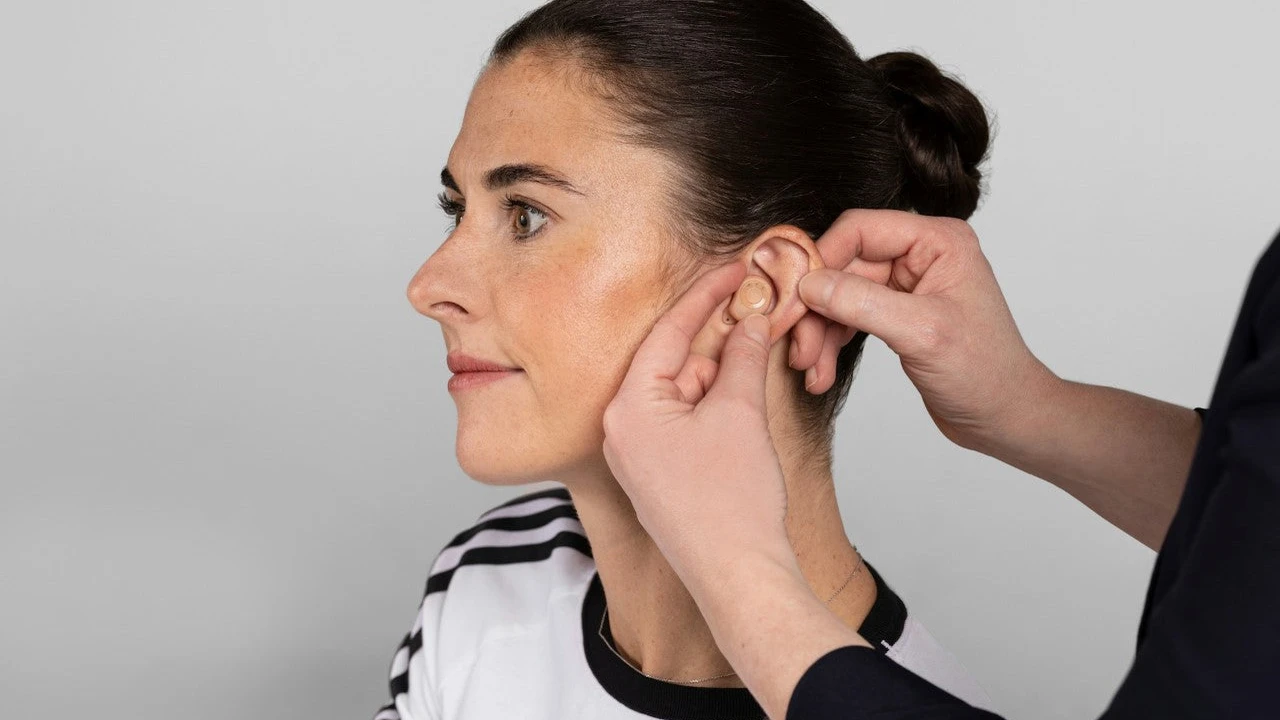
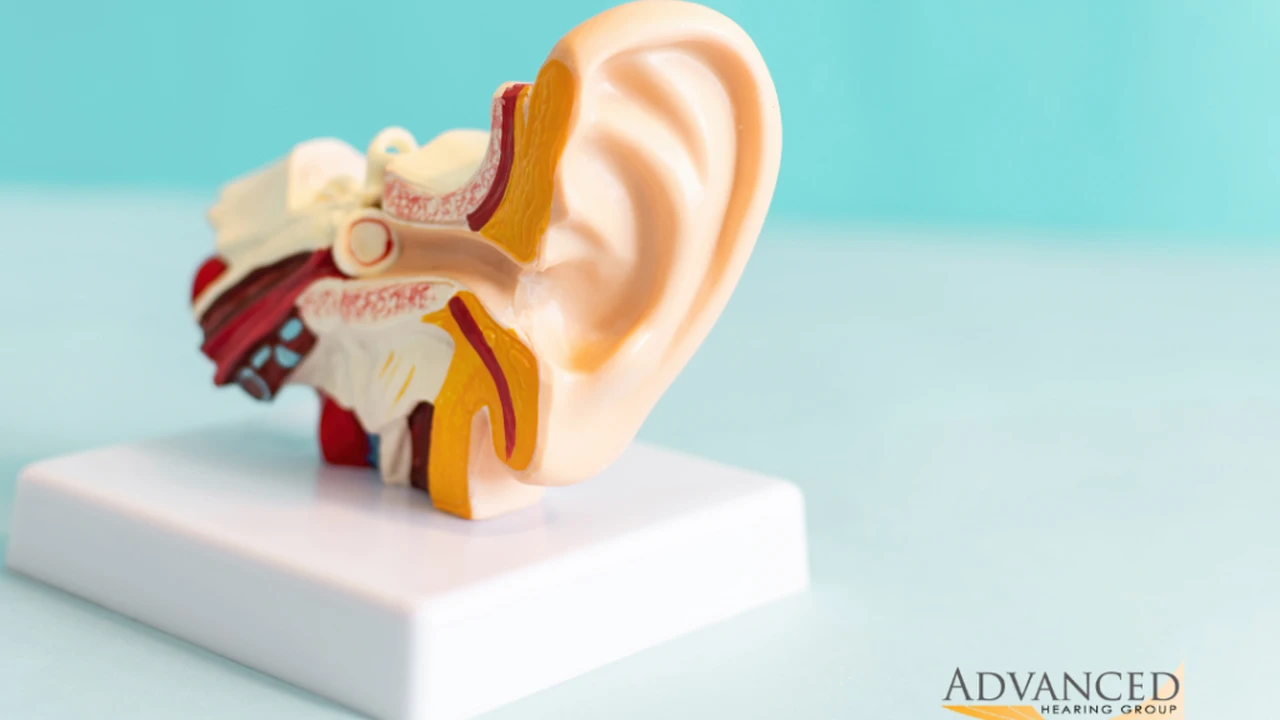
Explore the link between hearing aid use and cognitive health. Discover how treating hearing loss can help reduce the risk of cognitive decline.
Explore the link between hearing aid use and cognitive health. Discover how treating hearing loss can help reduce the risk of cognitive decline.
Hearing Aids and Cognitive Health Connection
The Alarming Link Between Hearing Loss and Cognitive Decline
It's a conversation we need to have more often: the profound connection between our hearing and our brain health. For years, hearing loss was often dismissed as a natural part of aging, something to be endured rather than actively treated. However, a growing body of scientific evidence is painting a much clearer, and frankly, more alarming picture. Untreated hearing loss isn't just about missing out on conversations or the subtle sounds of life; it's increasingly linked to a higher risk of cognitive decline, dementia, and even Alzheimer's disease. This isn't just a theory; it's a significant public health concern that demands our attention.
Think about it: when you struggle to hear, your brain has to work overtime. It's constantly straining to decipher muffled speech, fill in missing words, and make sense of a fragmented auditory world. This constant cognitive load can be exhausting, diverting valuable mental resources away from other crucial brain functions like memory, attention, and problem-solving. Over time, this sustained effort can lead to structural and functional changes in the brain, potentially accelerating cognitive decline. Moreover, hearing loss often leads to social isolation. When communication becomes difficult and frustrating, many individuals with hearing loss withdraw from social activities, which further deprives the brain of essential stimulation and engagement, another known risk factor for cognitive decline.
How Hearing Aids Can Be Your Brain's Best Friend
This is where hearing aids step in, not just as devices to amplify sound, but as powerful tools for brain health. By restoring access to the full spectrum of sounds, hearing aids reduce the cognitive burden on your brain. They allow your brain to process auditory information more efficiently, freeing up mental resources for other cognitive tasks. It's like taking a heavy backpack off your brain; suddenly, it has more energy and capacity to focus on memory, learning, and staying socially engaged.
Numerous studies have demonstrated the positive impact of hearing aid use on cognitive function. Research has shown that individuals who use hearing aids experience slower rates of cognitive decline compared to those with untreated hearing loss. Some studies even suggest that consistent hearing aid use can improve memory, attention, and processing speed. It's not a magic bullet, but it's a crucial intervention that can significantly mitigate the risks associated with hearing loss and cognitive decline. The earlier you address hearing loss, the better the potential outcomes for your brain health.
Understanding the Science Behind Hearing and Cognition
Let's dive a little deeper into the 'why' behind this connection. Our auditory system is incredibly complex, and it's intricately linked with various parts of our brain. When sound waves enter our ears, they're converted into electrical signals that travel along the auditory nerve to the brainstem, then to the auditory cortex, and eventually to other brain regions involved in language processing, memory, and emotion. This entire network relies on clear, consistent input.
When hearing loss occurs, this input becomes degraded. The brain, being incredibly adaptable, tries to compensate. It might reallocate resources from other areas to try and make sense of the limited auditory information. This 'cross-modal reorganization' might seem helpful in the short term, but in the long run, it can be detrimental. For example, parts of the brain typically used for vision might start processing auditory information, potentially impacting visual processing efficiency. Furthermore, the lack of auditory stimulation can lead to atrophy (shrinking) in certain brain regions, particularly those involved in auditory processing and memory. Hearing aids help to reverse or slow down these negative changes by providing the brain with the rich, clear auditory input it needs to function optimally.
Real-World Scenarios: How Hearing Aids Improve Daily Cognitive Function
Let's consider some everyday situations where hearing aids make a tangible difference in cognitive function:
Social Engagement and Reduced Isolation
Imagine a family dinner. Without hearing aids, someone with hearing loss might struggle to follow conversations, miss jokes, or feel left out. This can lead to frustration, embarrassment, and eventually, withdrawal from social gatherings. With hearing aids, they can actively participate, engage in banter, and feel connected. This social interaction is vital for cognitive health, as it stimulates various brain regions, challenges memory, and fosters emotional well-being. Reduced social isolation directly correlates with a lower risk of cognitive decline.
Improved Communication and Mental Clarity
Think about a work meeting or a doctor's appointment. If you're constantly asking people to repeat themselves or misinterpreting information, it's incredibly taxing. Your brain is working overtime just to understand the basic message, leaving little capacity for critical thinking, decision-making, or remembering details. Hearing aids provide the clarity needed to process information efficiently, allowing your brain to focus on the content rather than the effort of hearing. This leads to better comprehension, improved memory recall, and overall mental clarity.
Enhanced Environmental Awareness and Safety
Beyond conversations, hearing aids restore awareness of environmental sounds – a car horn, a smoke alarm, a doorbell, or even the subtle rustle of leaves. This awareness is crucial for safety and spatial orientation. When these sounds are missed, the brain has to work harder to compensate using other senses, or it simply misses vital cues. By providing access to these sounds, hearing aids reduce cognitive load related to environmental monitoring, allowing the brain to allocate resources more effectively and enhancing overall safety and confidence.
Top Hearing Aid Brands and Models for Cognitive Support
When choosing hearing aids with cognitive support in mind, you'll want to look for devices that offer excellent speech clarity, advanced noise reduction, and features that promote ease of listening in various environments. Here are a few top brands and specific models that excel in these areas, along with their typical use cases and approximate price ranges (note: prices can vary significantly based on provider, technology level, and location):
Phonak Paradise Series (e.g., Audeo Paradise P90)
* Key Features for Cognitive Support: Phonak's AutoSense OS 4.0 automatically adapts to different sound environments, reducing listening effort. Their Speech Enhancer feature boosts soft speech in quiet environments, while Dynamic Noise Cancellation allows for personalized noise reduction. They also offer excellent Bluetooth connectivity for streaming, which keeps users engaged with media and communication.
* Use Cases: Excellent for active individuals who frequent diverse listening environments, from quiet homes to bustling restaurants and social gatherings. Great for those who value seamless smartphone integration and clear speech understanding.
* Comparison: Known for its robust automation and strong performance in noisy environments. Often praised for its 'sound quality' and 'ease of use' in adapting to different soundscapes, directly reducing cognitive strain.
* Approximate Price Range: $3,000 - $7,000 per pair (depending on technology level and provider).
Oticon More Series (e.g., More 1)
* Key Features for Cognitive Support: Oticon's 'MoreSound Intelligence' and 'MoreSound Amplifier' technology provide a 360-degree soundscape, allowing the brain to access all relevant sounds, not just focus on speech from the front. This 'open sound experience' is designed to support the brain's natural way of processing sound, reducing listening effort and improving recall. They also feature a Deep Neural Network (DNN) trained on 12 million real-life sound scenes.
* Use Cases: Ideal for individuals who want a more natural sound experience and struggle with understanding speech in complex, dynamic environments. Particularly beneficial for those who want their brain to work more naturally, rather than having the hearing aid 'decide' what sounds are important.
* Comparison: Oticon's approach is unique in providing a full sound environment rather than narrowing focus. This can be highly beneficial for cognitive processing, as it gives the brain more information to work with, leading to less fatigue.
* Approximate Price Range: $3,500 - $7,500 per pair.
Starkey Evolv AI Series (e.g., Evolv AI 2400)
* Key Features for Cognitive Support: Starkey's Evolv AI boasts advanced artificial intelligence capabilities, offering up to 55 million personalized adjustments per hour. Features like Edge Mode provide on-demand clarity in challenging listening situations. They also include 'Thrive Care' for activity tracking and fall detection, which indirectly supports cognitive health by promoting physical activity and safety. Their 'Brain Zaps' feature, part of their 'SoundSpace' app, offers cognitive stimulation exercises.
* Use Cases: Excellent for tech-savvy users who appreciate personalized sound adjustments and additional health-tracking features. Good for those who want a hearing aid that actively learns and adapts to their unique listening preferences and lifestyle.
* Comparison: Starkey stands out with its AI integration and health-tracking capabilities, making it a more holistic health device. The 'Brain Zaps' feature is a unique offering directly aimed at cognitive engagement.
* Approximate Price Range: $3,000 - $7,000 per pair.
ReSound ONE Series (e.g., ONE 9)
* Key Features for Cognitive Support: ReSound ONE features an innovative M&RIE (Microphone & Receiver-In-Ear) design, which places a third microphone directly in the ear canal. This leverages the natural acoustics of your ear, providing a more natural sound experience and better sound localization, which is crucial for the brain to process sound effectively. Their Ultra Focus and All Access Directionality features help users focus on speech in noisy environments.
* Use Cases: Great for individuals seeking a highly natural sound experience and improved spatial awareness. Beneficial for those who struggle with pinpointing sound sources in complex environments.
* Comparison: The M&RIE design is a significant differentiator, aiming to provide a sound experience that is closer to natural hearing, thereby reducing the brain's effort to interpret sound direction and quality.
* Approximate Price Range: $2,800 - $6,800 per pair.
Widex Moment Series (e.g., Moment 440)
* Key Features for Cognitive Support: Widex Moment is known for its 'PureSound' technology, which aims to eliminate the delay in sound processing that can make amplified sound artificial. This ultra-fast processing creates a more natural, 'in-the-moment' sound experience, reducing listening fatigue and making it easier for the brain to integrate sounds. They also offer advanced noise reduction and speech enhancement.
* Use Cases: Ideal for individuals who are sensitive to the artificial sound quality sometimes associated with hearing aids and prioritize a very natural, clear sound. Good for those who want to minimize listening effort in all environments.
* Comparison: Widex's focus on 'PureSound' and minimal processing delay is a key advantage for cognitive ease, as it presents the brain with sound as naturally as possible, reducing the need for the brain to 'fill in the gaps' or correct for processing artifacts.
* Approximate Price Range: $3,200 - $7,200 per pair.
Remember, the 'best' hearing aid is always the one that best fits your specific hearing loss, lifestyle, and budget, as determined by a qualified audiologist. A professional fitting and ongoing support are just as crucial as the technology itself for maximizing cognitive benefits.
The Importance of Early Intervention for Brain Health
We can't stress this enough: early intervention is key. Waiting to address hearing loss can have cumulative negative effects on your brain. The longer your brain is deprived of rich auditory input, the more it has to compensate, and the more challenging it can be to reverse those compensatory changes. Think of it like a muscle: if you don't use it, you lose it. If your auditory pathways aren't regularly stimulated, they can weaken.
If you suspect you have hearing loss, even if it seems mild, don't delay getting it checked. A comprehensive hearing evaluation by an audiologist is the first step. They can accurately diagnose the type and degree of your hearing loss and recommend appropriate solutions. It's not just about hearing better today; it's about protecting your brain health for tomorrow. Taking proactive steps now can significantly impact your cognitive vitality as you age.
Beyond Hearing Aids: A Holistic Approach to Cognitive Well-being
While hearing aids are a powerful tool, they are part of a larger picture when it comes to cognitive health. A holistic approach includes several other factors that work in conjunction with improved hearing to support your brain:
Regular Physical Activity
Exercise isn't just good for your body; it's fantastic for your brain. Physical activity increases blood flow to the brain, promotes the growth of new brain cells, and reduces inflammation. Aim for at least 150 minutes of moderate-intensity aerobic exercise per week, along with strength training.
A Brain-Healthy Diet
What you eat directly impacts your brain. Diets rich in fruits, vegetables, whole grains, lean proteins, and healthy fats (like the Mediterranean diet) are associated with better cognitive function and a reduced risk of dementia. Limit processed foods, excessive sugar, and unhealthy fats.
Mental Stimulation and Lifelong Learning
Keep your brain active and challenged. Learn a new language, pick up a musical instrument, solve puzzles, read books, or engage in hobbies that require mental effort. Continuous learning helps build cognitive reserve, making your brain more resilient to age-related changes.
Quality Sleep
Sleep is crucial for brain health. During sleep, your brain clears out waste products and consolidates memories. Aim for 7-9 hours of quality sleep per night. If you have sleep disorders like sleep apnea, address them, as they can also impact cognitive function.
Stress Management
Chronic stress can be detrimental to brain health. Practice stress-reducing techniques like meditation, yoga, deep breathing exercises, or spending time in nature. Finding healthy ways to cope with stress is vital for cognitive well-being.
Social Connection
As mentioned earlier, social interaction is a powerful brain booster. Maintain strong relationships with family and friends, join clubs or groups, and volunteer. Staying socially engaged provides mental stimulation and emotional support.
By combining effective hearing loss treatment with these healthy lifestyle choices, you create a robust defense against cognitive decline and significantly enhance your overall quality of life. It's about empowering yourself to live a fuller, more connected, and cognitively vibrant life.
:max_bytes(150000):strip_icc()/277019-baked-pork-chops-with-cream-of-mushroom-soup-DDMFS-beauty-4x3-BG-7505-5762b731cf30447d9cbbbbbf387beafa.jpg)