Understanding Different Types of Hearing Loss
Explore the various types of hearing loss: conductive, sensorineural, and mixed. Learn about their causes, symptoms, and treatment options.
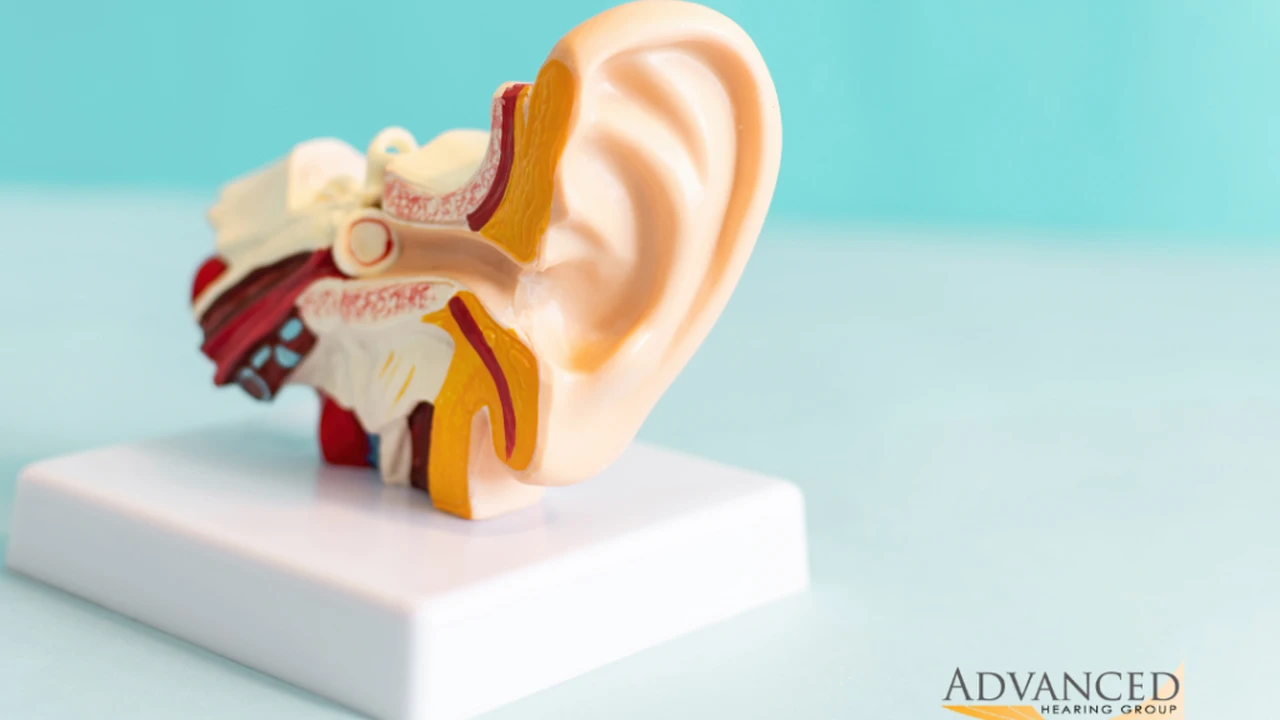
Explore the various types of hearing loss: conductive, sensorineural, and mixed. Learn about their causes, symptoms, and treatment options. Hearing loss is a really common thing, affecting millions of people worldwide. It's not a one-size-fits-all situation, though. Just like there are different kinds of eyeglasses for different vision problems, there are different types of hearing loss, each with its own causes, symptoms, and ways to manage it. Understanding which type you or a loved one might have is the first crucial step toward finding the right solutions and improving communication and quality of life. Let's dive into the three main categories: conductive, sensorineural, and mixed hearing loss.
Understanding Different Types of Hearing Loss
What is Hearing Loss An Overview
Before we get into the specifics, let's quickly define what hearing loss actually means. Essentially, it's a reduced ability to hear sounds. This reduction can range from mild, where you might miss a few soft sounds or struggle in noisy environments, to profound, where you can't hear most sounds, even very loud ones. Hearing loss can affect one ear (unilateral) or both ears (bilateral), and it can develop gradually over time or happen suddenly. The way our ears work is pretty complex, involving three main parts: the outer ear, the middle ear, and the inner ear. Problems in any of these areas can lead to different types of hearing loss.Conductive Hearing Loss Causes Symptoms and Treatments
Conductive hearing loss happens when there's a problem with how sound waves travel through the outer or middle ear. Think of it like a blockage or a mechanical issue preventing sound from reaching the inner ear effectively. The inner ear itself is usually working just fine. This type of hearing loss often makes sounds seem muffled or quieter, but if you turn up the volume, you can usually hear better. It's often temporary and can frequently be treated medically or surgically.Common Causes of Conductive Hearing Loss
There are several common culprits behind conductive hearing loss:- Earwax Buildup: This is probably the most common and easiest to fix. Too much earwax can completely block the ear canal, preventing sound from getting through.
- Middle Ear Infections Otitis Media: Infections in the middle ear can cause fluid to build up behind the eardrum, which dampens sound vibrations. This is especially common in children.
- Perforated Eardrum: A hole or tear in the eardrum can be caused by loud noises, ear infections, or even sticking something too far into your ear. This affects how the eardrum vibrates.
- Otosclerosis: This is a condition where abnormal bone growth occurs in the middle ear, specifically around the stapes (one of the tiny bones). This prevents the stapes from vibrating properly.
- Cholesteatoma: This is a non-cancerous skin growth that can develop in the middle ear, often as a result of repeated ear infections. It can damage the middle ear structures.
- Foreign Objects in the Ear Canal: Kids, especially, might put small objects into their ears, which can block sound.
- Malformation of the Outer or Middle Ear: Sometimes, people are born with structural abnormalities in their ear canal or middle ear bones that impede sound conduction.
Symptoms of Conductive Hearing Loss
If you have conductive hearing loss, you might notice:- Sounds seem muffled or faint.
- Difficulty understanding speech, especially in noisy environments.
- A feeling of fullness or pressure in the ear.
- Ear pain or discharge (if an infection is present).
- Your own voice might sound louder to you.
Treatment Options for Conductive Hearing Loss
Good news! Many cases of conductive hearing loss are treatable:- Earwax Removal: A doctor can safely remove excess earwax.
- Medication: Antibiotics can clear up middle ear infections, and decongestants might help with fluid buildup.
- Surgery: For issues like a perforated eardrum, otosclerosis, or cholesteatoma, surgical procedures can often repair the damage and restore hearing.
- Hearing Aids: If medical or surgical treatments aren't possible or fully effective, conventional hearing aids can be very helpful. They amplify sound to overcome the conductive barrier.
- Bone Conduction Hearing Aids: These devices bypass the outer and middle ear entirely, sending sound vibrations directly to the inner ear through the skull. They are particularly useful for people with chronic middle ear problems or malformations.
Sensorineural Hearing Loss Causes Symptoms and Treatments
Sensorineural hearing loss (SNHL) is often referred to as 'nerve deafness,' though that's a bit of a simplification. It occurs when there's damage to the inner ear (specifically the cochlea, which contains tiny hair cells) or to the auditory nerve pathways that send sound signals to the brain. Unlike conductive loss, SNHL is usually permanent. Sounds might not only be quieter but also distorted or unclear, making it hard to understand speech even if the volume is sufficient.Common Causes of Sensorineural Hearing Loss
SNHL can stem from various factors:- Aging Presbycusis: This is the most common cause. As we get older, the delicate hair cells in the cochlea naturally wear out and die. It typically affects high-frequency sounds first.
- Noise Exposure: Prolonged or intense exposure to loud noise (from concerts, machinery, headphones, etc.) can damage or destroy hair cells. This is often preventable.
- Genetics: Some people are born with SNHL or have a genetic predisposition to developing it later in life.
- Head Trauma: Injuries to the head can damage the inner ear or auditory nerve.
- Certain Medications Ototoxicity: Some drugs, like certain antibiotics, chemotherapy drugs, and even high doses of aspirin, can be toxic to the inner ear and cause permanent hearing loss.
- Diseases and Infections: Conditions like Meniere's disease, measles, mumps, meningitis, and autoimmune diseases can lead to SNHL.
- Tumors: Acoustic neuromas (non-cancerous tumors on the auditory nerve) can cause SNHL, often in one ear.
- Congenital Factors: Some babies are born with SNHL due to complications during pregnancy or birth.
Symptoms of Sensorineural Hearing Loss
With SNHL, you might experience:- Difficulty understanding speech, especially in background noise.
- Sounds seem muffled or unclear, even if they are loud enough.
- Trouble hearing high-pitched sounds (like women's or children's voices, or certain consonants).
- Tinnitus (ringing, buzzing, or hissing in the ears).
- Difficulty localizing sound (knowing where a sound is coming from).
- Recruitment (where loud sounds are perceived as uncomfortably loud, even painful).
Treatment Options for Sensorineural Hearing Loss
Since SNHL is usually permanent, the focus is on managing and compensating for the loss:- Hearing Aids: These are the primary treatment for most SNHL cases. They amplify sounds and can be programmed to specifically address the frequencies where hearing loss occurs. Modern hearing aids offer advanced features like noise reduction and speech enhancement.
- Cochlear Implants: For individuals with severe to profound SNHL who don't benefit enough from hearing aids, cochlear implants can be a life-changing option. These devices bypass the damaged inner ear and directly stimulate the auditory nerve.
- Assistive Listening Devices ALDs: These include devices like personal FM systems, amplified telephones, and TV listening systems, which can further improve communication in specific situations.
- Auditory Training and Aural Rehabilitation: These programs help individuals learn to make the most of their residual hearing and adapt to listening with hearing aids or cochlear implants.
Mixed Hearing Loss Causes Symptoms and Treatments
Mixed hearing loss is exactly what it sounds like: a combination of both conductive and sensorineural hearing loss. This means there's damage in the outer or middle ear AND in the inner ear or auditory nerve. For example, someone with age-related SNHL might also develop an ear infection, leading to a temporary conductive component on top of their permanent SNHL.Common Causes of Mixed Hearing Loss
Causes are a blend of the two types:- Any combination of the causes listed for conductive and sensorineural hearing loss.
- For instance, a person with presbycusis (SNHL) who also has chronic ear infections (conductive).
- Head trauma that affects both the middle and inner ear structures.
Symptoms of Mixed Hearing Loss
Symptoms will reflect both components:- Sounds are muffled and difficult to understand, often more severely than with just one type of loss.
- A combination of symptoms from both conductive and sensorineural hearing loss.
- The severity can fluctuate if the conductive component is temporary (e.g., an infection clearing up).
Treatment Options for Mixed Hearing Loss
Treatment for mixed hearing loss often involves addressing both components:- Treating the Conductive Component: If possible, the conductive part will be treated first, often with medication or surgery, similar to how conductive hearing loss is managed.
- Hearing Aids: Once the conductive component is addressed (or if it's untreatable), hearing aids are typically used to amplify sound and compensate for the remaining sensorineural loss. The audiologist will program them to address the specific pattern of mixed loss.
- Bone Conduction Hearing Aids or Cochlear Implants: In some severe cases, these might be considered, depending on the specific nature and severity of both components.
Understanding Your Audiogram A Key Diagnostic Tool
No matter what type of hearing loss you might have, an audiogram is the map that guides your audiologist. This is a graph that shows the softest sounds you can hear at different pitches (frequencies). It helps your audiologist determine the type, degree, and configuration of your hearing loss. For example, a 'gap' between air conduction (sound through the outer/middle ear) and bone conduction (sound directly to the inner ear) on an audiogram indicates a conductive component. If both lines are depressed but close together, it suggests sensorineural loss.Recommended Hearing Aids for Different Types of Hearing Loss Product Spotlight
Choosing the right hearing aid depends heavily on the type and degree of your hearing loss, your lifestyle, and your budget. Here are some general recommendations and specific product examples, keeping in mind that a professional fitting by an audiologist is always essential.For Mild to Moderate Conductive Hearing Loss
If your conductive hearing loss is not medically or surgically treatable, or if you're waiting for treatment, conventional hearing aids can be very effective. Since the inner ear is usually healthy, amplifying sound is often enough.- Product Recommendation: Phonak Audeo Lumity L30
- Type: Receiver-in-Canal (RIC)
- Features: Good sound quality, basic noise reduction, Bluetooth connectivity for calls and streaming. It's a solid entry-level option that provides clear amplification.
- Use Case: Ideal for someone who needs clear sound amplification without too many advanced features, perhaps for occasional use in quieter environments.
- Estimated Price Range: $1,500 - $2,500 per aid (prices vary widely by provider and region).
- Product Recommendation: Signia Pure Charge&Go AX 3AX
- Type: Receiver-in-Canal (RIC)
- Features: Focuses on speech clarity, rechargeable, and offers direct streaming. It's designed to make voices stand out.
- Use Case: Great for individuals who prioritize understanding conversations in various settings and appreciate the convenience of rechargeable batteries.
- Estimated Price Range: $1,800 - $2,800 per aid.
For Moderate to Severe Sensorineural Hearing Loss
This is where most hearing aid users fall. Modern hearing aids are incredibly sophisticated, designed to not just amplify but also process sound to make speech clearer and reduce background noise.- Product Recommendation: Oticon Real 1 miniRITE R
- Type: Receiver-in-Canal (RIC)
- Features: Advanced sound processing with BrainHearing technology, designed to support the brain's natural way of processing sound. Excellent for understanding speech in complex environments, rechargeable, and good connectivity.
- Use Case: Perfect for active individuals who frequently find themselves in challenging listening situations like restaurants, meetings, or social gatherings.
- Estimated Price Range: $3,000 - $4,500 per aid.
- Product Recommendation: ReSound OMNIA 9 RIC
- Type: Receiver-in-Canal (RIC)
- Features: Focuses on 'all-around' hearing, with advanced noise reduction and speech clarity. Offers a very natural sound experience and excellent connectivity with both Apple and Android devices.
- Use Case: Suitable for users who want a premium listening experience across all environments, with a strong emphasis on comfort and natural sound.
- Estimated Price Range: $2,800 - $4,200 per aid.
- Product Recommendation: Starkey Genesis AI RIC RT
- Type: Receiver-in-Canal (RIC)
- Features: Utilizes artificial intelligence for personalized sound adjustments, health tracking (steps, engagement), and fall detection. Rechargeable with long battery life.
- Use Case: For tech-savvy users who want cutting-edge features beyond just hearing, including health and wellness monitoring.
- Estimated Price Range: $3,200 - $4,800 per aid.
For Severe to Profound Hearing Loss Including Mixed Loss
For more significant hearing loss, more powerful devices are needed. This might include more robust hearing aids or even cochlear implants.- Product Recommendation: Phonak Naída Paradise P90 UP
- Type: Behind-the-Ear (BTE) Ultra Power
- Features: Designed for severe to profound hearing loss, offering significant amplification and excellent sound quality. Features universal Bluetooth connectivity and tap control.
- Use Case: Individuals with severe to profound SNHL or mixed loss who need maximum power and robust features.
- Estimated Price Range: $2,800 - $4,000 per aid.
- Product Recommendation: Cochlear Nucleus 8 Sound Processor
- Type: Cochlear Implant Sound Processor
- Features: This is part of a cochlear implant system. The Nucleus 8 is smaller, lighter, and offers improved streaming capabilities and better performance in noisy environments. It bypasses the damaged inner ear entirely.
- Use Case: For individuals with severe to profound SNHL who receive limited benefit from traditional hearing aids. Requires surgery.
- Estimated Price Range: The cost of a cochlear implant system and surgery can range from $40,000 to $100,000 per ear, often covered by insurance.
Specialized Solutions for Conductive or Single-Sided Deafness
Sometimes, traditional hearing aids aren't the best fit, especially for certain types of conductive loss or when only one ear is affected.- Product Recommendation: Baha 6 Max (Bone Conduction Hearing System)
- Type: Bone Conduction Implant
- Features: A small sound processor that attaches to a small implant placed behind the ear. It sends sound vibrations directly to the inner ear through the bone, bypassing problems in the outer or middle ear.
- Use Case: Excellent for chronic conductive hearing loss, mixed hearing loss, or single-sided deafness where one ear has normal hearing and the other has profound loss.
- Estimated Price Range: The device itself can be $4,000 - $8,000, plus surgical costs, often covered by insurance.
- Product Recommendation: CROS BiCROS Systems (e.g., Phonak CROS P)
- Type: Contralateral Routing of Signal (CROS) or BiCROS hearing aids
- Features: A CROS system consists of a microphone on the non-hearing ear that wirelessly transmits sound to a hearing aid on the hearing ear. A BiCROS system does the same but also amplifies sound for the hearing ear if it has some loss.
- Use Case: Specifically designed for single-sided deafness, allowing the user to hear sounds from their non-hearing side.
- Estimated Price Range: $3,000 - $6,000 for the system.
:max_bytes(150000):strip_icc()/277019-baked-pork-chops-with-cream-of-mushroom-soup-DDMFS-beauty-4x3-BG-7505-5762b731cf30447d9cbbbbbf387beafa.jpg)