Hearing Aid Accessories That Enhance Your Experience
Explore useful hearing aid accessories like remote controls, streamers, and dehumidifiers. Discover how they can improve your daily listening experience.
Explore useful hearing aid accessories like remote controls, streamers, and dehumidifiers. Discover how they can improve your daily listening experience.
Hearing Aid Accessories That Enhance Your Experience
So, you've got your hearing aids, and they're doing a fantastic job of helping you hear better. But what if I told you there's a whole world of accessories out there designed to make your hearing experience even better? Think of it like upgrading your smartphone with cool gadgets – these accessories can unlock new levels of convenience, clarity, and connectivity. Whether you're struggling in noisy environments, want to stream audio directly to your ears, or simply need to keep your devices in top shape, there's an accessory for that. Let's dive into the most useful hearing aid accessories and see how they can truly enhance your daily life.
Remote Controls and Apps for Hearing Aids Ultimate Convenience
Let's start with something that brings a lot of convenience: remote controls and smartphone apps. Remember the days when adjusting your hearing aids meant fumbling with tiny buttons on your ear? Those days are largely over! Modern hearing aids often come with dedicated remote controls or, even better, companion smartphone apps that turn your phone into a powerful control center.
Why Use a Remote Control or App for Hearing Aids
- Discreet Adjustments: No more drawing attention to yourself when you need to change the volume or program. A quick tap on your phone or a small remote is all it takes.
- Fine-Tuning: Apps often offer more granular control than the physical buttons on your hearing aids. You can adjust bass, treble, and even directional microphone settings.
- Program Switching: Easily switch between different listening programs (e.g., 'restaurant mode,' 'music mode,' 'quiet environment') with a tap.
- Battery Status: Many apps show you the remaining battery life of your hearing aids, so you're never caught off guard.
- Lost Device Finder: Some apps include a 'find my hearing aid' feature, which can be a lifesaver if you misplace them.
Recommended Remote Controls and Apps
Most major hearing aid brands have their own proprietary apps. For example:
- Phonak myPhonak App: This app offers remote control, remote support from your audiologist, and even a 'hearing diary' to track your listening experiences. It's compatible with their Paradise and Lumity lines.
- Oticon ON App: Connects to Oticon More and Real hearing aids, allowing for volume control, program changes, and even connecting to smart home devices via IFTTT.
- Resound Smart 3D App: Known for its intuitive interface, it allows for personalized sound adjustments, geo-tagging favorite settings, and streaming control for Resound ONE and Omnia models.
- Signia App: Offers a 'Signia Assistant' for AI-powered sound adjustments, telecare support, and streaming control for their AX and IX platforms.
Dedicated remote controls, like the Phonak RemoteControl or Oticon ConnectClip (which also doubles as a remote microphone), are great for those who prefer a physical device over a smartphone or for users who don't use smartphones.
Streamers and Connectivity Devices for Hearing Aids Seamless Audio
One of the biggest game-changers in hearing aid technology is the ability to stream audio directly to your ears. This means you can enjoy phone calls, music, TV, and even conversations in noisy rooms with incredible clarity, bypassing the challenges of ambient noise.
Types of Streamers and Their Benefits for Hearing Aid Users
- TV Streamers: These devices connect to your television and send the audio directly to your hearing aids. This means you can set the TV volume at a comfortable level for yourself without disturbing others, and you'll hear every word clearly.
- Remote Microphones: Perfect for noisy environments like restaurants or lectures. You can give the microphone to a speaker, and their voice will be streamed directly to your hearing aids, cutting through background noise.
- Bluetooth Streamers: Many modern hearing aids have direct Bluetooth connectivity, allowing them to pair directly with smartphones, tablets, and computers for calls and audio streaming. For older models or specific needs, dedicated Bluetooth streamers can bridge the gap.
Recommended Streaming Accessories and Their Use Cases
- Phonak TV Connector: This small device plugs into your TV and streams high-quality audio directly to compatible Phonak hearing aids. It's incredibly easy to set up and use, making TV watching a joy again. Price: Approximately $200-$300.
- Oticon ConnectClip: As mentioned, this versatile device acts as a remote microphone, a hands-free phone accessory, and a streamer for music and other audio from Bluetooth-enabled devices. It's a fantastic all-in-one solution for Oticon users. Price: Approximately $250-$350.
- Resound Multi Mic: A powerful remote microphone that can be worn by a speaker, placed on a table, or connected to loop systems and FM systems. It significantly improves speech understanding in challenging listening situations. Price: Approximately $300-$400.
- Signia StreamLine TV: Similar to Phonak's TV Connector, this device streams TV audio directly to Signia hearing aids, offering excellent sound quality and ease of use. Price: Approximately $200-$300.
For those with hearing aids that don't have direct Bluetooth, a universal Bluetooth streamer like the ComPilot II (for older Phonak models) or a similar device from other brands can connect your hearing aids to almost any Bluetooth audio source.
Cleaning and Maintenance Tools for Hearing Aids Essential Care
Your hearing aids are sophisticated electronic devices, and like any electronics, they need proper care to function optimally and last longer. Moisture, earwax, and debris are their biggest enemies. Investing in good cleaning and maintenance accessories is crucial.
Why Proper Cleaning and Maintenance is Key for Hearing Aids
- Optimal Performance: Clean hearing aids deliver clearer sound. Blocked microphones or receivers can significantly degrade sound quality.
- Extended Lifespan: Regular cleaning prevents damage from earwax and moisture, which are common causes of hearing aid malfunctions and costly repairs.
- Hygiene: Keeping your hearing aids clean is important for ear hygiene and preventing ear infections.
Must-Have Cleaning and Maintenance Accessories
- Hearing Aid Cleaning Kits: These typically include a wax pick/loop, a brush, and a vent cleaner. They are essential for daily cleaning of earwax and debris from the sound port, microphone, and vents. Price: $10-$30.
- Drying Kits/Dehumidifiers: Moisture is a hearing aid's worst enemy.
- Desiccant Drying Jars: These are simple jars containing desiccant pellets that absorb moisture. You place your hearing aids in the jar overnight. They are affordable and effective. Price: $15-$30.
- Electronic Drying Stations (UV-C Light): These advanced devices not only dry your hearing aids using gentle heat but also often include UV-C light to kill germs and bacteria. They are highly recommended for daily use, especially in humid climates or if you sweat a lot.
- Example: Dry & Store Global II: A popular and reliable electronic drying station that dries and sanitizes. Price: Approximately $70-$100.
- Example: PerfectDry Lux: A compact and efficient electronic dryer with UV-C light. Price: Approximately $50-$80.
- Cleaning Wipes/Sprays: Alcohol-free, hearing aid-specific wipes or sprays can be used to gently clean the outer casing of your hearing aids. Price: $5-$15.
- Battery Testers: If you use disposable batteries, a small battery tester can save you from guessing if a battery is dead or just low. Price: $5-$10.
Protective Cases and Clips for Hearing Aids Security and Safety
Hearing aids are an investment, and protecting them from loss or damage is paramount. Accidents happen, but with the right accessories, you can minimize the risks.
Why Protective Accessories are Important for Hearing Aids
- Prevent Loss: Hearing aids can be expensive to replace. Clips and lanyards keep them securely attached.
- Prevent Damage: A sturdy case protects them from drops, impacts, and crushing when not in use.
- Travel Safety: A good case is essential for protecting your hearing aids during travel.
Recommended Protective Accessories
- Hard Cases: Most hearing aids come with a basic case, but you can often upgrade to a more robust, water-resistant, or impact-resistant case, especially for travel or active lifestyles. Price: $10-$40.
- Hearing Aid Clips/Lanyards: These are particularly useful for children, active adults, or anyone prone to losing their hearing aids. They attach to your hearing aid and then clip onto your clothing, preventing them from falling to the ground.
- Example: Ear Gear: Offers various protective sleeves and clips that protect hearing aids from sweat, dirt, and loss. They come in different sizes and colors. Price: $20-$40 per pair.
- Sport Locks/Retention Cords: For BTE (Behind-The-Ear) hearing aids, these small, discreet wires or tubes help keep the hearing aid securely in place during physical activity. Price: $5-$15.
Batteries and Charging Solutions for Hearing Aids Powering Your Devices
Whether your hearing aids are rechargeable or use disposable batteries, having reliable power solutions is non-negotiable. Running out of power can be incredibly frustrating and isolating.
Disposable Batteries for Hearing Aids Types and Tips
- Zinc-Air Batteries: These are the most common type of disposable hearing aid batteries. They are activated by air, so once you remove the tab, they start working.
- Sizes: Hearing aid batteries come in standard sizes: 10 (yellow), 312 (brown), 13 (orange), and 675 (blue). Always check your hearing aid's manual for the correct size.
- Tips:
- Buy fresh batteries from reputable sources.
- Store them at room temperature.
- Wait a minute after removing the tab before inserting them into your hearing aid to allow full air activation.
Rechargeable Hearing Aids and Their Charging Solutions
- Convenience: Rechargeable hearing aids eliminate the need to constantly buy and change tiny batteries. Just place them in their charger overnight.
- Environmental Impact: Less waste from disposable batteries.
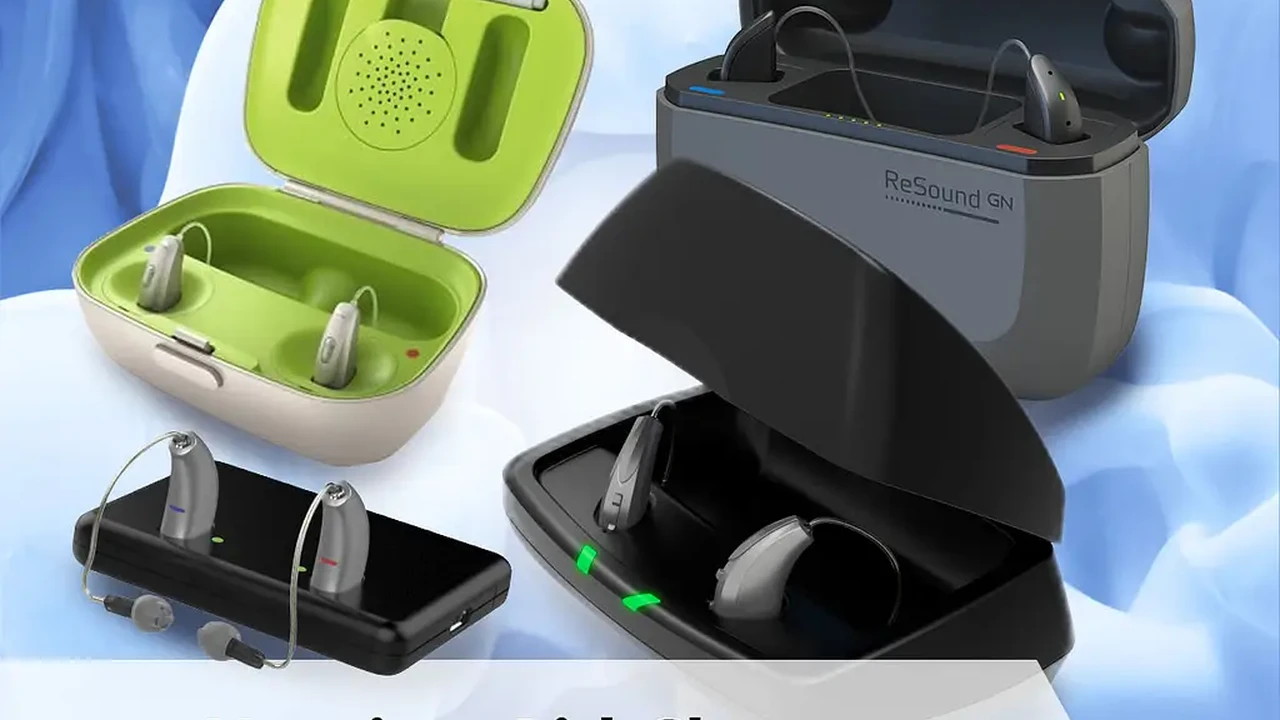
- Charging Cases: Many modern rechargeable hearing aids come with portable charging cases that can hold several days' worth of charge, perfect for travel.
- Example: Phonak Charger Case Combi: A charger that also includes a drying function.
- Example: Oticon SmartCharger: A portable charger that provides power on the go.
Recommended Battery and Charging Accessories
- Bulk Packs of Disposable Batteries: Buying in bulk often saves money. Look for brands like Rayovac, Duracell, or Power One. Price: $10-$20 for a multi-pack.
- Portable Power Banks: If you have rechargeable hearing aids and are traveling or away from an outlet, a small USB power bank can recharge your portable charging case. Price: $20-$50.
Assistive Listening Devices ALDs for Hearing Aids Specialized Solutions
Sometimes, even with the best hearing aids, certain listening situations remain challenging. That's where Assistive Listening Devices (ALDs) come in. These are specialized tools designed to help you hear better in specific difficult environments.
When to Consider ALDs for Enhanced Hearing
- Large Venues: Theaters, lecture halls, places of worship.
- Noisy Environments: Restaurants, crowded parties.
- Telephone Conversations: For those who struggle even with direct streaming.
- Alarm Clocks: For individuals with profound hearing loss who might miss standard alarms.
Types of ALDs and Their Benefits
- FM Systems/Digital Wireless Systems: These systems use a microphone worn by the speaker and a receiver connected to your hearing aids. They transmit the speaker's voice directly to your ears, significantly improving clarity over distance and in noise.
- Example: Roger On (Phonak): A versatile remote microphone that can be used in various modes (presenter, table, pointing) to capture speech in challenging environments and stream it to compatible Phonak hearing aids. Price: Approximately $1000-$1500.
- Loop Systems (Telecoils): Many public venues (theaters, churches) are equipped with hearing loops. If your hearing aids have a telecoil (T-coil) program, you can switch to it and receive clear audio directly from the venue's sound system, bypassing ambient noise.
- Amplified Telephones: For those who still struggle with phone calls, amplified phones offer increased volume and often tone control.
- Vibrating Alarm Clocks: These clocks use strong vibrations to wake you up, ideal for individuals with significant hearing loss.
- Alerting Systems: Systems that use flashing lights or vibrations to alert you to doorbells, smoke alarms, or crying babies.
Custom Earmolds and Domes for Hearing Aids Comfort and Sound Quality
While not strictly an 'accessory' in the same way a streamer is, the part of your hearing aid that sits in your ear – whether it's a dome or a custom earmold – plays a huge role in comfort, sound quality, and preventing feedback. It's worth considering these as essential components that can be optimized.
The Importance of Proper Fit for Hearing Aids
- Comfort: A well-fitting dome or earmold should be comfortable to wear all day without causing soreness or irritation.
- Sound Quality: A good seal prevents sound from leaking out, which can lead to feedback (whistling) and reduces the effectiveness of amplification.
- Retention: Ensures your hearing aids stay securely in your ears, especially during movement.
Domes vs Custom Earmolds for Hearing Aids
- Domes: These are small, soft, silicone tips that come in various shapes (open, closed, power) and sizes. They are pre-made and fit most ears. They are common with RIC (Receiver-In-Canal) and BTE (Behind-The-Ear) hearing aids.
- Pros: Inexpensive, readily available, allow for natural sound to enter the ear canal.
- Cons: May not provide a perfect seal for everyone, can cause feedback if not fitted correctly, less secure for active users.
- Custom Earmolds: These are custom-made from an impression of your ear canal. They provide a precise, snug fit. They are used with BTE hearing aids and are the housing for ITE (In-The-Ear), ITC (In-The-Canal), and CIC (Completely-In-Canal) hearing aids.
- Pros: Superior comfort and retention, excellent sound quality with minimal feedback, better for severe hearing loss.
- Cons: More expensive, require an audiologist visit for impressions, can take time to produce.
When to Consider Custom Earmolds
- If you experience frequent feedback with domes.
- If your hearing aids feel loose or fall out easily.
- If you have a more severe hearing loss and need maximum amplification.
- If you prioritize comfort and a secure fit for an active lifestyle.
The cost of custom earmolds can range from $50 to $200 per ear, depending on the material and complexity.
The Right Accessories for Your Hearing Aids A Personalized Choice
Choosing the right hearing aid accessories isn't a one-size-fits-all situation. It really depends on your specific hearing needs, lifestyle, and the challenges you face in different listening environments. Think about where you struggle the most. Is it hearing the TV? Conversations in noisy restaurants? Keeping your hearing aids clean and dry? Once you identify your pain points, you can then explore the accessories that directly address those issues.
Consult Your Audiologist for Hearing Aid Accessory Recommendations
Your audiologist is your best resource for personalized recommendations. They understand your hearing loss, your hearing aids, and your lifestyle. They can guide you through the options, demonstrate how different accessories work, and help you choose the ones that will provide the most benefit. They can also ensure compatibility with your specific hearing aid model and help with proper setup and usage.
By strategically adding a few well-chosen accessories, you can significantly enhance your hearing aid experience, making your daily life more connected, comfortable, and clear. Don't just settle for 'good enough' hearing – explore the possibilities and unlock the full potential of your hearing technology!
:max_bytes(150000):strip_icc()/277019-baked-pork-chops-with-cream-of-mushroom-soup-DDMFS-beauty-4x3-BG-7505-5762b731cf30447d9cbbbbbf387beafa.jpg)