Water Resistant vs Waterproof Hearing Aids
Understand the difference between water-resistant and waterproof hearing aids. Learn what level of protection your device offers against moisture.
Understand the difference between water-resistant and waterproof hearing aids. Learn what level of protection your device offers against moisture.
Water Resistant vs Waterproof Hearing Aids Explained
Hey there! If you're a hearing aid user, or even just considering getting one, you've probably thought about how these tiny, sophisticated devices handle moisture. It's a common concern, right? After all, we live in a world full of unexpected splashes, sweat, and even just plain humidity. So, what's the deal with 'water-resistant' versus 'waterproof' when it comes to hearing aids? Let's dive in and clear up the confusion, because there's a big difference, and knowing it can save you a lot of headaches (and potentially, money!).
Understanding IP Ratings for Hearing Aids: Your Guide to Moisture Protection
Before we get into the nitty-gritty of 'resistant' versus 'proof,' it's super important to understand how manufacturers actually rate a hearing aid's protection against dust and water. This is where IP ratings come in. IP stands for 'Ingress Protection,' and it's a standard set by the International Electrotechnical Commission (IEC). You'll see it as 'IP' followed by two numbers, like IP68 or IP57. Each number tells you something specific:
- The first digit (0-6) indicates protection against solid particles, like dust. A '6' means it's completely dust-tight.
- The second digit (0-8) indicates protection against liquids, specifically water. This is the one we're really focusing on today.
So, when you see an IP rating on a hearing aid, pay close attention to that second number. It's your best indicator of how well it can stand up to water.
What Does Water Resistant Mean for Hearing Aids IP Ratings 5 6 7
When a hearing aid is labeled 'water-resistant,' it means it can withstand a certain amount of exposure to water without being damaged. Think of it as being able to shrug off a splash or a bit of rain, but not being able to go for a swim. The key here is 'resistant' – it resists water, but it's not impenetrable.
IP57 Rated Hearing Aids: Splashes and Brief Immersion
An IP57 rating is pretty common for many modern hearing aids. The '5' means it's protected against dust ingress, but not entirely dust-tight. The '7' is what we care about for water. An IPX7 rating means the device can be immersed in up to 1 meter (about 3 feet) of water for up to 30 minutes. This is great for accidental drops in a sink or a quick dip, but it's not designed for prolonged underwater use. It's resistant, not proof.
IP67 Rated Hearing Aids: Enhanced Dust and Water Protection
Moving up, an IP67 rating offers better protection. The '6' means it's completely dust-tight, which is a big plus for the longevity of your device. The '7' for water protection remains the same as IP57 – immersion in up to 1 meter for 30 minutes. So, while it's still 'resistant,' the added dust protection makes it a more robust choice for everyday wear and tear.
IP68 Rated Hearing Aids: The Highest Level of Water Resistance
This is where things get really interesting. An IP68 rating is currently the highest level of protection you'll typically find in consumer electronics, including some hearing aids. The '6' again means it's dust-tight. The '8' for water protection means it can be immersed in water deeper than 1 meter and for longer than 30 minutes, with the exact depth and duration specified by the manufacturer. This is as close to 'waterproof' as you'll get without actually being fully submersible for extended periods. It offers significant peace of mind for active users or those in humid climates.
What Does Waterproof Mean for Hearing Aids Full Submersion
True 'waterproof' means a device is completely impervious to water, even under sustained immersion. In the world of hearing aids, this term is used very cautiously, if at all, by manufacturers. Why? Because 'waterproof' implies a level of protection that is almost impossible to guarantee indefinitely, especially with tiny devices that have openings for microphones and speakers. While some hearing aids might be marketed with very high IP ratings (like IP68) and described as 'waterproof' in common parlance, it's crucial to remember that even these have limits. They are designed to survive specific conditions, not to be worn while swimming laps in a pool every day.
Think of it this way: a submarine is waterproof. Your hearing aid, even with an IP68 rating, is not a submarine. It's designed to withstand significant water exposure, but not to function indefinitely underwater or under extreme pressure.
Why the Distinction Matters Protecting Your Hearing Aid Investment
Understanding the difference between water-resistant and waterproof isn't just semantics; it's vital for protecting your investment. Hearing aids are expensive, and water damage is one of the most common reasons for repairs or replacements. Here's why the distinction is so important:
- Warranty Coverage: Most warranties will cover manufacturing defects, but they often have clauses about water damage, especially if the device was used beyond its specified IP rating. Knowing the limits helps you avoid voiding your warranty.
- Usage Scenarios: If you're an avid swimmer, a 'water-resistant' hearing aid (even IP68) might not be suitable for in-water use. You'd likely need specialized swimming earplugs or to remove your hearing aids entirely. For someone who just sweats a lot or lives in a rainy climate, a high IP-rated 'water-resistant' device might be perfectly fine.
- Longevity: Even if a device survives a splash, repeated exposure to moisture beyond its rating can degrade components over time, leading to premature failure.
Recommended Hearing Aids and Their Water Protection Features
Let's look at some popular hearing aid models and discuss their water protection, keeping in mind that 'water-resistant' is the more accurate term for most of these.
Phonak Audeo Lumity Life IP68 Rated for Active Lifestyles
The Phonak Audeo Lumity Life is a fantastic option for those seeking robust water protection. It boasts an impressive IP68 rating, meaning it's dust-tight and can withstand immersion in up to 50 cm (about 1.6 feet) of fresh, salt, or pool water. This makes it ideal for active individuals, those who sweat a lot, or even for accidental dips. It's not designed for swimming, but it offers significant peace of mind for everyday life. It's a Receiver-In-Canal (RIC) style, known for its comfort and sound quality. Prices typically range from $2,500 to $4,000 per aid, depending on the technology level and provider.
Oticon More IP68 Rated for Everyday Durability
Oticon More hearing aids also come with an IP68 rating, offering excellent protection against dust and water. While Oticon doesn't specify the exact depth or duration for water immersion as explicitly as Phonak for their 'Life' model, an IP68 rating generally implies robust resistance to splashes, rain, and even brief accidental submersion. These are also RIC devices, known for their BrainHearing technology that supports the brain's natural way of processing sound. Expect prices to be in a similar range to Phonak, from $2,000 to $4,000 per aid.
Resound Omnia IP68 Rated for Enhanced Listening
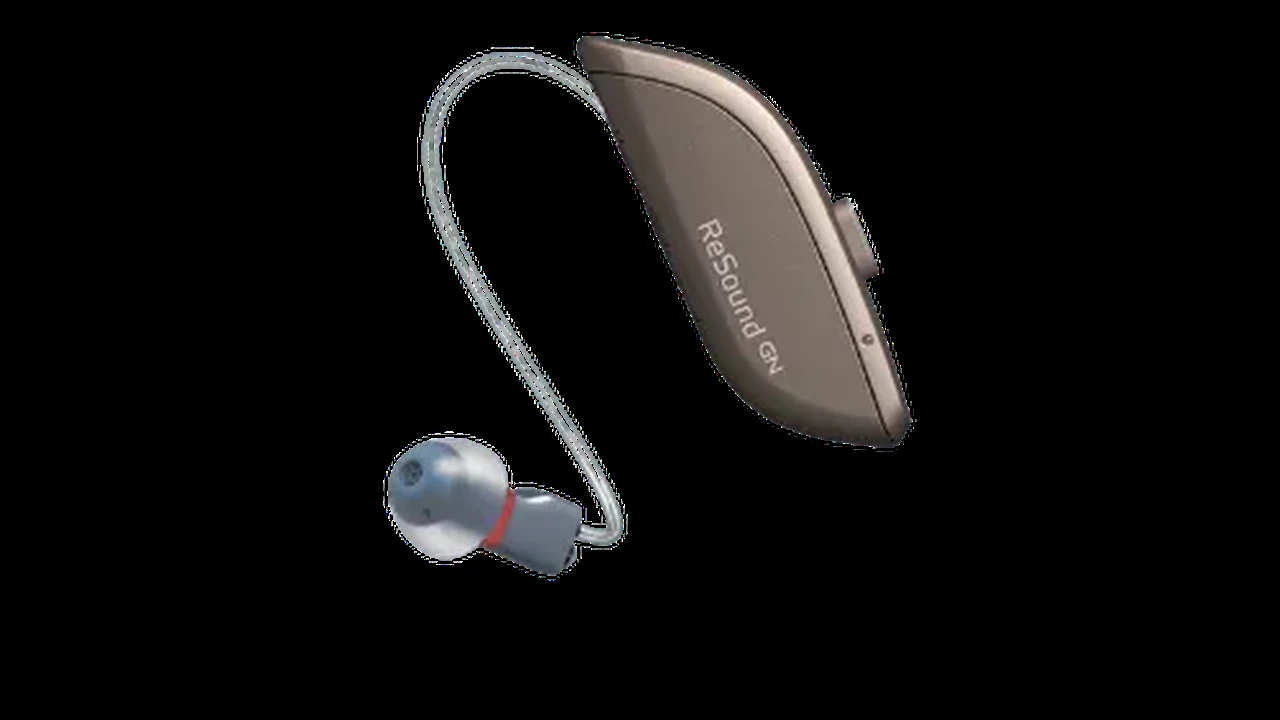
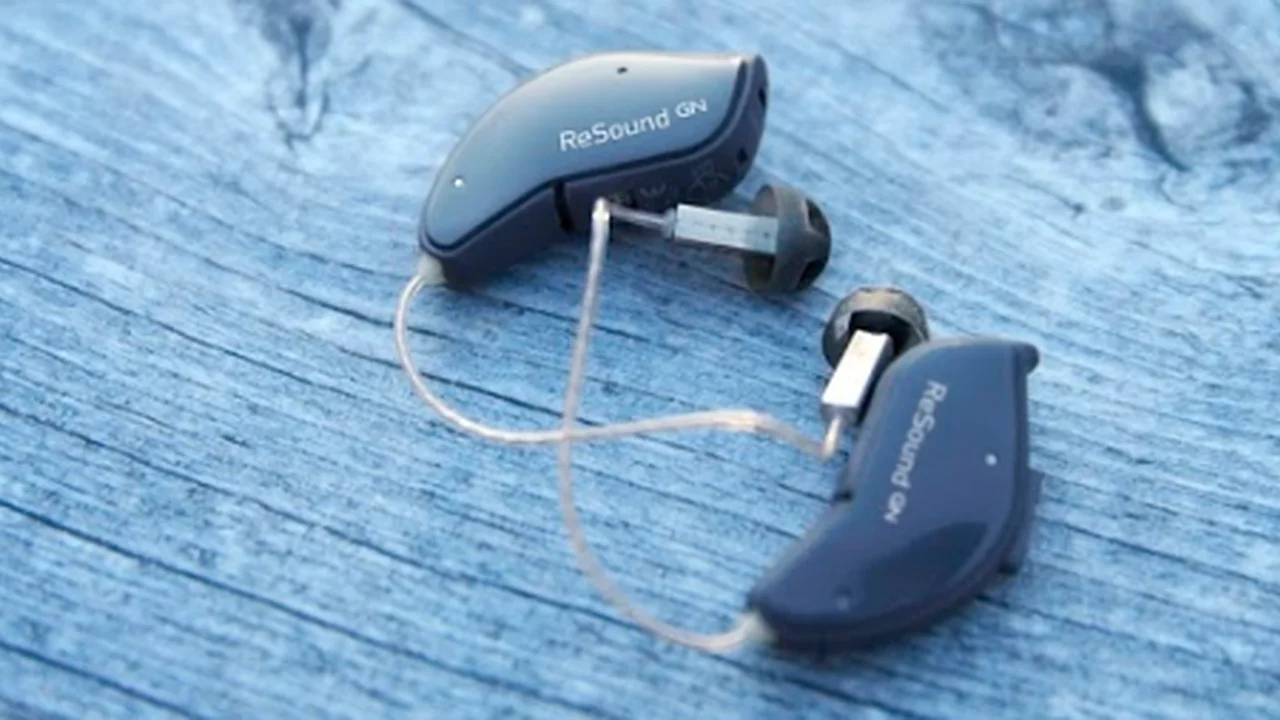
Resound Omnia hearing aids, particularly the RIC models, also feature an IP68 rating. This means they are highly resistant to dust and can handle significant water exposure, such as heavy rain or accidental splashes. Resound focuses on delivering a natural sound experience and excellent speech understanding in noisy environments. Their IP68 rating ensures that these advanced features are protected in various daily situations. Pricing for Resound Omnia typically falls between $2,000 and $3,800 per aid.
Starkey Genesis AI IP68 Rated for Smart Features
Starkey Genesis AI hearing aids are another top contender with an IP68 rating. These devices are packed with smart features, including AI-powered sound processing and health tracking. The IP68 rating ensures that these sophisticated electronics are well-protected against dust and water, making them suitable for a wide range of activities. Starkey's focus on innovation means you're getting cutting-edge technology with robust durability. Prices can range from $2,500 to $4,500 per aid, reflecting their advanced features.
Widex Moment Sheer IP68 Rated for Pure Sound
Widex Moment Sheer hearing aids are known for their incredibly natural sound quality, often described as 'pure.' Many of their models, especially the RIC versions, come with an IP68 rating, providing excellent protection against dust and water. This means you can enjoy their superior sound in various environments without constant worry about moisture. Widex hearing aids typically range from $2,000 to $3,500 per aid.
Practical Scenarios Water Resistant vs Waterproof in Daily Life
Let's break down some common scenarios and how the IP ratings apply:
Sweating During Exercise Hearing Aids and Active Use
If you're hitting the gym or going for a run, you're going to sweat. A hearing aid with an IP67 or IP68 rating is generally well-equipped to handle sweat. The '6' for dust protection also helps prevent sweat salts from entering the device. However, it's still a good idea to wipe them down after a workout and store them in a drying kit to remove any residual moisture.
Unexpected Rain Showers Hearing Aids and Weather
Caught in a sudden downpour? An IP67 or IP68 rated hearing aid should be fine. They are designed to withstand splashes and even brief immersion. Just make sure to dry them off thoroughly once you're indoors.
Accidental Drops in Water Hearing Aids and Mishaps
Dropping your hearing aid in the sink or a shallow puddle is a common fear. If your device has an IPX7 or IPX8 rating, it has a good chance of surviving. Remember the 'X7' means up to 1 meter for 30 minutes. Retrieve it quickly, dry it off, and consider putting it in a drying kit for a few hours.
Swimming or Showering Hearing Aids and Water Activities
This is where the line is drawn. Even with an IP68 rating, most manufacturers do NOT recommend swimming or showering with your hearing aids. The pressure, chemicals (like chlorine), and prolonged immersion can exceed the device's limits and lead to damage. For water activities, it's almost always best to remove your hearing aids and store them safely.
High Humidity Environments Hearing Aids and Climate
Living in a humid climate or visiting one? High IP-rated hearing aids (IP67 or IP68) offer better protection against moisture ingress from the air. However, consistent high humidity can still be challenging. Using a drying kit regularly is highly recommended to prevent moisture buildup inside the device.
Tips for Maximizing Your Hearing Aid's Lifespan Against Moisture
Even with the best IP rating, a little extra care goes a long way in protecting your hearing aids from moisture damage:
- Use a Drying Kit: This is your best friend. Whether it's a desiccant-based jar or an electronic drying station, using one nightly can significantly extend the life of your hearing aids by removing moisture.
- Wipe Them Down: After any exposure to sweat, rain, or splashes, gently wipe your hearing aids with a soft, dry cloth.
- Remove Before Water Activities: Always take off your hearing aids before showering, swimming, or entering a sauna or steam room.
- Avoid Extreme Temperatures: Don't leave your hearing aids in direct sunlight or in a hot car, as extreme heat can damage components and seals, compromising their water resistance.
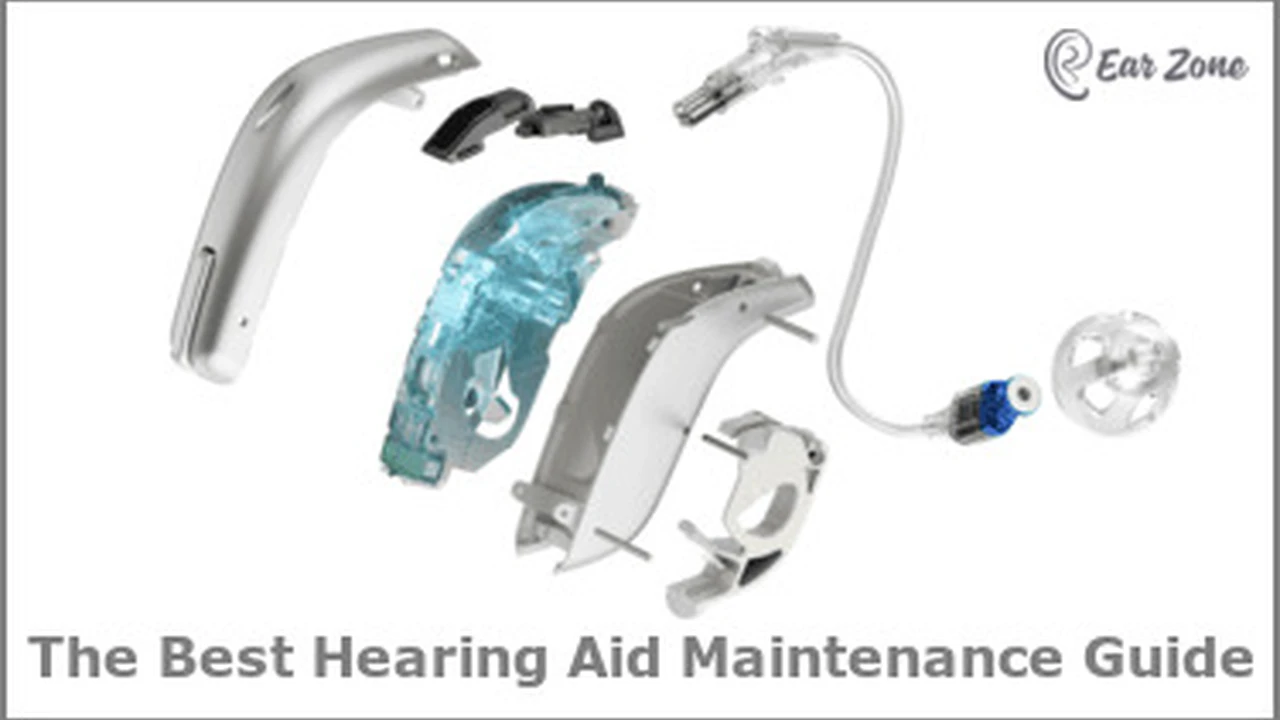
- Regular Maintenance: Keep your hearing aids clean. Earwax and debris can block ports and compromise seals, reducing their effectiveness against moisture.
- Check Your Warranty: Understand what your warranty covers regarding water damage.
The Future of Water Protection in Hearing Aids Innovations and Trends
The good news is that technology is always advancing! Manufacturers are constantly working on improving the durability and water protection of hearing aids. We're seeing more and more models with IP68 ratings, and some are even exploring new coatings and materials that offer even greater resistance to moisture and corrosion. While truly 'waterproof' hearing aids for prolonged submersion might still be a ways off for the mainstream, the trend is definitely towards more robust and worry-free devices that can handle the demands of an active life.
So, the next time you're looking at hearing aids, remember the difference between water-resistant and waterproof, and pay close attention to those IP ratings. They're your key to understanding just how much protection your device offers against the wet and wild world we live in. Stay informed, stay protected, and keep hearing clearly!
:max_bytes(150000):strip_icc()/277019-baked-pork-chops-with-cream-of-mushroom-soup-DDMFS-beauty-4x3-BG-7505-5762b731cf30447d9cbbbbbf387beafa.jpg)