When To Upgrade Your Hearing Aids A Guide
Know when it's time to upgrade your hearing aids. Consider factors like technology advancements, changes in hearing, and device wear and tear.
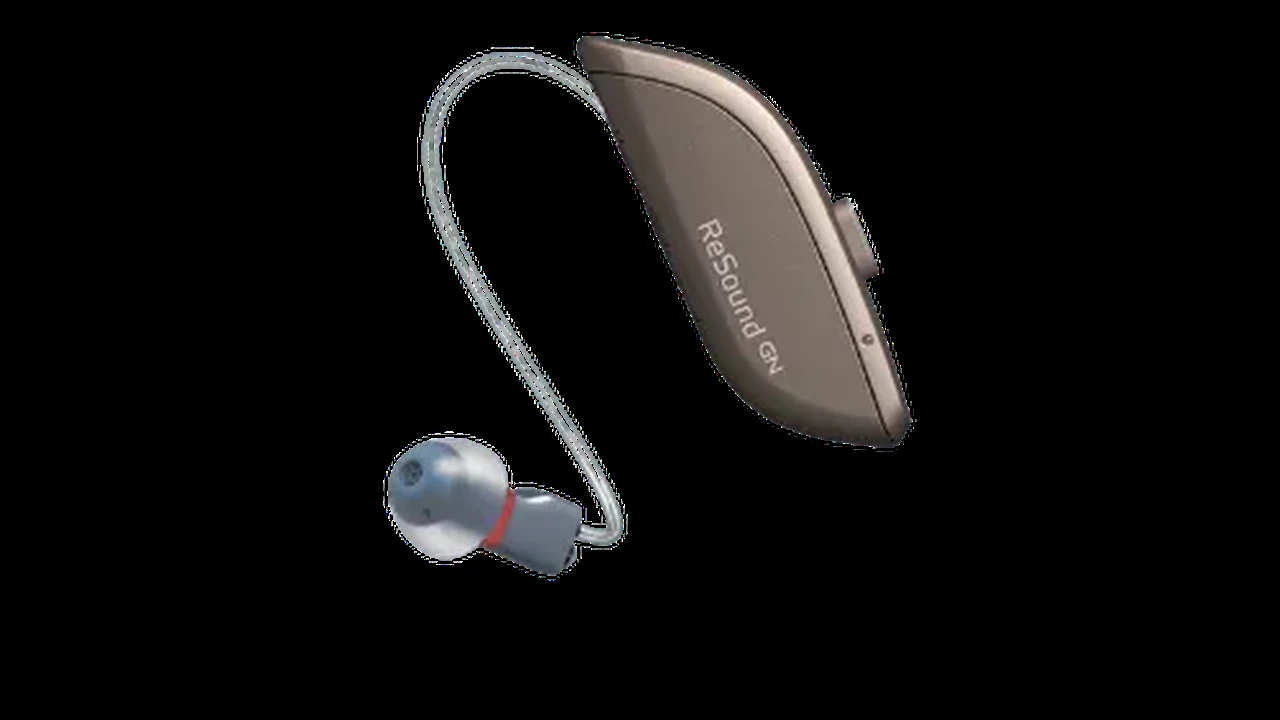
Know when it's time to upgrade your hearing aids. Consider factors like technology advancements, changes in hearing, and device wear and tear.
When To Upgrade Your Hearing Aids A Guide
Hey there! So, you've been rocking your current hearing aids for a while now, and they've been a trusty companion on your hearing journey. But lately, you might be wondering, 'Is it time for an upgrade?' It's a super common question, and honestly, there's no one-size-fits-all answer. Think of it like your smartphone or your car – eventually, new models come out with cooler features, or your old one just doesn't quite keep up anymore. The same goes for hearing aids!
In this guide, we're going to dive deep into all the signs and reasons why you might want to consider getting a new pair of hearing aids. We'll talk about how long they typically last, the amazing tech advancements you might be missing out on, and even how changes in your own hearing can signal it's time for something new. Plus, we'll even recommend some fantastic current models and compare them, so you'll be totally clued in. Let's get started!
How Long Do Hearing Aids Last Understanding Device Lifespan and Durability
First things first, let's talk about the lifespan of your current devices. Generally, hearing aids are built to last anywhere from three to seven years. That's a pretty wide range, right? Several factors play into this. How well you've maintained them, how often you wear them, and even your lifestyle can all affect their longevity. If you're super active, sweat a lot, or live in a humid climate, your hearing aids might face more wear and tear than someone who uses them more gently.
Think about it: these tiny devices are packed with sophisticated electronics, exposed to earwax, moisture, and daily handling. Over time, components can degrade, microphones can get clogged, and circuits can become less efficient. While regular cleaning and maintenance can definitely extend their life, there comes a point where even the best care can't prevent the inevitable decline. If you find yourself constantly needing repairs, or if your audiologist is telling you that parts are becoming obsolete, those are big red flags that an upgrade might be more cost-effective and beneficial in the long run than continuous repairs.
Technological Advancements Are You Missing Out on Modern Hearing Aid Features
This is probably one of the biggest reasons people consider upgrading! Hearing aid technology is evolving at lightning speed. What was cutting-edge five years ago might seem pretty basic today. If your current hearing aids are more than a few years old, you're likely missing out on some truly game-changing features that could significantly improve your listening experience and quality of life.
Bluetooth Connectivity and Smartphone Integration Seamless Digital Experience
Remember when you had to hold your phone up to your hearing aid to hear a call? Or use a separate streamer? Not anymore! Most modern hearing aids offer direct Bluetooth connectivity to your smartphone, tablet, and even smart TVs. This means you can stream phone calls, music, podcasts, and even the audio from your favorite shows directly into your ears, crystal clear. It's incredibly convenient and makes interacting with your digital world so much easier. Imagine taking a call without fumbling for your phone, or enjoying your favorite playlist with perfect clarity.
Rechargeable Batteries The Ultimate Convenience for Hearing Aid Users
Tired of fumbling with tiny batteries, especially if your dexterity isn't what it used to be? Rechargeable hearing aids are a total game-changer. Most new models come with sleek charging cases – just pop your hearing aids in at night, and they're ready to go for a full day (or even more!) by morning. No more emergency battery runs, no more struggling with small battery doors. This feature alone is often enough to convince people to upgrade, especially for those with busy lifestyles or limited hand mobility.
Artificial Intelligence AI and Machine Learning for Personalized Hearing
This is where things get really futuristic! Many top-tier hearing aids now incorporate AI and machine learning. What does that mean for you? It means your hearing aids can learn your preferences, adapt to different sound environments in real-time, and even optimize settings based on your specific listening situations. Some can even translate languages or track your physical and cognitive health! This level of personalization and adaptability was unimaginable just a few years ago, offering a truly tailored hearing experience.
Enhanced Noise Reduction and Speech Clarity Hear Better in Challenging Environments
Let's be honest, hearing in noisy environments is often the biggest challenge for hearing aid users. Newer models boast significantly improved noise reduction algorithms. They're much better at distinguishing speech from background noise, making conversations in restaurants, crowded parties, or busy offices much clearer and less fatiguing. If you often avoid social gatherings because of the noise, an upgrade could open up your world again.
Telehealth and Remote Adjustments Convenient Professional Support
Many modern hearing aids allow for remote adjustments by your audiologist. This means you can get fine-tuning and support from the comfort of your own home, without needing to schedule an in-person appointment every time. It's a huge time-saver and offers incredible flexibility, especially for those with mobility issues or busy schedules.
Changes in Your Hearing Health When Your Current Aids Aren't Enough
Your hearing isn't static; it can change over time. What worked perfectly a few years ago might not be sufficient for your current needs. This is a crucial reason to consider an upgrade.
Worsening Hearing Loss Is Your Prescription Still Accurate
If you've noticed that sounds aren't as clear as they used to be, or you're struggling more in situations where your hearing aids previously helped, it's definitely time for a hearing check-up. Your hearing loss might have progressed, meaning your current hearing aids might not be powerful enough or programmed correctly for your new audiogram. Trying to compensate by simply turning up the volume can often lead to distorted sound and discomfort, rather than true clarity.
New Listening Challenges Adapting to Your Lifestyle
Has your lifestyle changed? Maybe you've started a new hobby that involves more social interaction, or your work environment has become noisier. If your current hearing aids aren't equipped with the features to handle these new challenges (like advanced noise reduction or specific program settings), an upgrade could provide the tools you need to thrive in your new circumstances.
Discomfort or Poor Fit Ensuring Optimal Wearability
While discomfort can sometimes be resolved with adjustments, persistent issues like pain, pressure, or your hearing aids constantly falling out could indicate that the physical fit is no longer ideal. This is especially true for custom-molded devices, as the shape of your ear can change slightly over time. A new fitting or a different style of hearing aid might be necessary to ensure comfort and proper sound delivery.
Specific Product Recommendations and Comparisons Finding Your Perfect Match
Okay, so you're convinced an upgrade might be in your future. Awesome! Let's look at some fantastic options currently on the market, focusing on different needs and price points. Remember, prices are estimates and can vary widely based on your provider, location, and included services.
For the Tech Enthusiast and All-Around Performer The Phonak Lumity Series
Why it's great: The Phonak Lumity series (like the Audeo Lumity L90-R) is a powerhouse. It's renowned for its exceptional speech clarity in noisy environments, thanks to its 'SmartSpeech Technology' and 'StereoZoom 2.0'. It's also fantastic for streaming, offering universal Bluetooth connectivity to virtually any device – Apple, Android, you name it. Plus, it comes in rechargeable models, making life super easy. If you're someone who loves gadgets and wants the best possible hearing experience across all situations, this is a top contender.
Key Features:
- Speech Enhancer: Focuses on the primary speaker in noisy settings.
- Dynamic Noise Cancellation: Actively reduces background noise.
- Universal Bluetooth Connectivity: Connects to almost any Bluetooth-enabled device.
- Rechargeable Options: Long-lasting battery life with convenient charging.
- Tap Control: Answer calls or pause streaming with a simple tap.
Ideal Scenario: Perfect for social butterflies, professionals in busy offices, and anyone who wants seamless connectivity with their digital devices. Great for those who frequently attend noisy events or enjoy streaming audio.
Estimated Price Range: $3,000 - $7,000 per pair (depending on technology level and provider).
For Discreet Wear and Natural Sound The Oticon Intent Series
Why it's great: Oticon has always been a leader in 'open sound' philosophy, aiming to give your brain access to all sounds, not just focusing on one. The new Intent series takes this to another level with '4D Sensor technology' that understands your listening intentions and adapts accordingly. They are also incredibly discreet, often coming in very small RIC (Receiver-In-Canal) styles. If you prioritize natural sound quality and want something that blends seamlessly into your life, Oticon Intent is a fantastic choice.
Key Features:
- 4D Sensor Technology: Adapts to your head and body movements, listening environment, and communication activity.
- MoreSound Intelligence 3.0: Provides a clearer, more natural soundscape.
- Deep Neural Network (DNN) 2.0: Processes sound more like the human brain.
- Bluetooth LE Audio: Future-proof connectivity for enhanced streaming.
- Rechargeable Options: Compact and long-lasting.
Ideal Scenario: Excellent for those who value natural sound perception, want discreet devices, and appreciate advanced AI that adapts to their real-world listening needs. Good for people who enjoy music or complex sound environments.
Estimated Price Range: $3,500 - $7,500 per pair.
For Robustness and Active Lifestyles The Starkey Genesis AI
Why it's great: Starkey Genesis AI is not just a hearing aid; it's a health and wellness companion. These devices are packed with sensors that can track your physical activity, cognitive engagement, and even detect falls. They offer exceptional sound quality with their 'Neuro Sound Technology' and are built to be durable. If you're an active individual who wants a hearing aid that does more than just amplify sound, the Genesis AI is a standout.
Key Features:
- Neuro Sound Technology: Designed to mimic the brain's natural processing.
- Health Tracking: Monitors steps, activity, and cognitive engagement.
- Fall Detection: Can alert contacts if you fall.
- Edge Mode+: Instant sound adjustments for challenging environments.
- Rechargeable Options: Up to 50 hours on a single charge.
- Remote Care: Easy remote adjustments from your audiologist.
Ideal Scenario: Perfect for active seniors, individuals concerned about overall health and wellness, and anyone who wants a highly intelligent and robust hearing solution. Great for those who spend a lot of time outdoors or in varied environments.
Estimated Price Range: $3,200 - $7,200 per pair.
For Value and OTC Accessibility The Jabra Enhance Plus
Why it's great: If you have mild to moderate hearing loss and are looking for a more affordable, accessible option, the Jabra Enhance Plus is a fantastic choice. These are technically enhanced earbuds that function as OTC (Over-The-Counter) hearing aids. They offer good sound quality, are discreet, and connect easily to your smartphone for self-fitting and adjustments. While not a replacement for prescription hearing aids for severe loss, they're a great entry point.
Key Features:
- Compact Earbud Design: Very discreet and comfortable.
- Self-Fitting via App: Personalize your sound profile at home.
- Streaming Capabilities: Enjoy music and calls directly.
- Rechargeable: Up to 10 hours of use on a single charge, plus charging case.
- Good for Mild-Moderate Loss: Provides amplification and clarity for common situations.
Ideal Scenario: Best for individuals with mild to moderate hearing loss who are tech-savvy, prefer a self-service approach, and are looking for a more budget-friendly and discreet solution. Great for those who want to dip their toes into hearing amplification without a full commitment to prescription devices.
Estimated Price Range: $799 - $1,000 per pair.
Making the Decision Is an Upgrade Right for You
So, how do you know if it's truly time? It boils down to a few key indicators:
- Your current hearing aids are old: If they're 5+ years old, you're definitely missing out on significant advancements.
- Your hearing has changed: If you're struggling more than before, get a new hearing test.
- You're constantly repairing them: Frequent breakdowns mean they're at the end of their life.
- You're missing out on modern features: Rechargeability, Bluetooth, and AI can dramatically improve your experience.
- Your lifestyle has changed: New activities or environments might require more advanced features.
- You're experiencing discomfort: A poor fit can lead to pain and ineffective amplification.
The best first step is always to schedule an appointment with your audiologist. They can perform a comprehensive hearing evaluation, assess the condition of your current devices, and discuss the latest technology that would best suit your specific hearing loss and lifestyle needs. They can also help you navigate the different brands, features, and price points, ensuring you make an informed decision that will enhance your hearing and overall quality of life for years to come.
Upgrading your hearing aids isn't just about getting new tech; it's about investing in better communication, improved social engagement, and a richer, more connected life. Don't let outdated technology hold you back from experiencing the world to its fullest!
:max_bytes(150000):strip_icc()/277019-baked-pork-chops-with-cream-of-mushroom-soup-DDMFS-beauty-4x3-BG-7505-5762b731cf30447d9cbbbbbf387beafa.jpg)