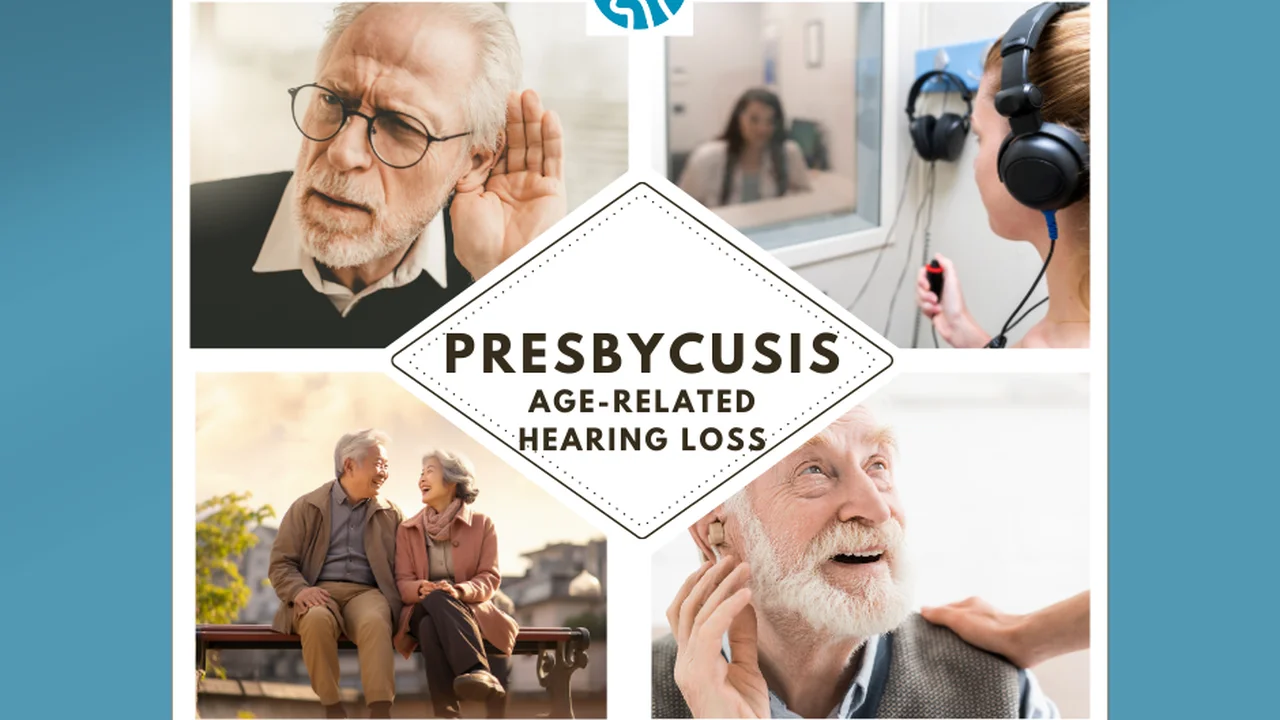
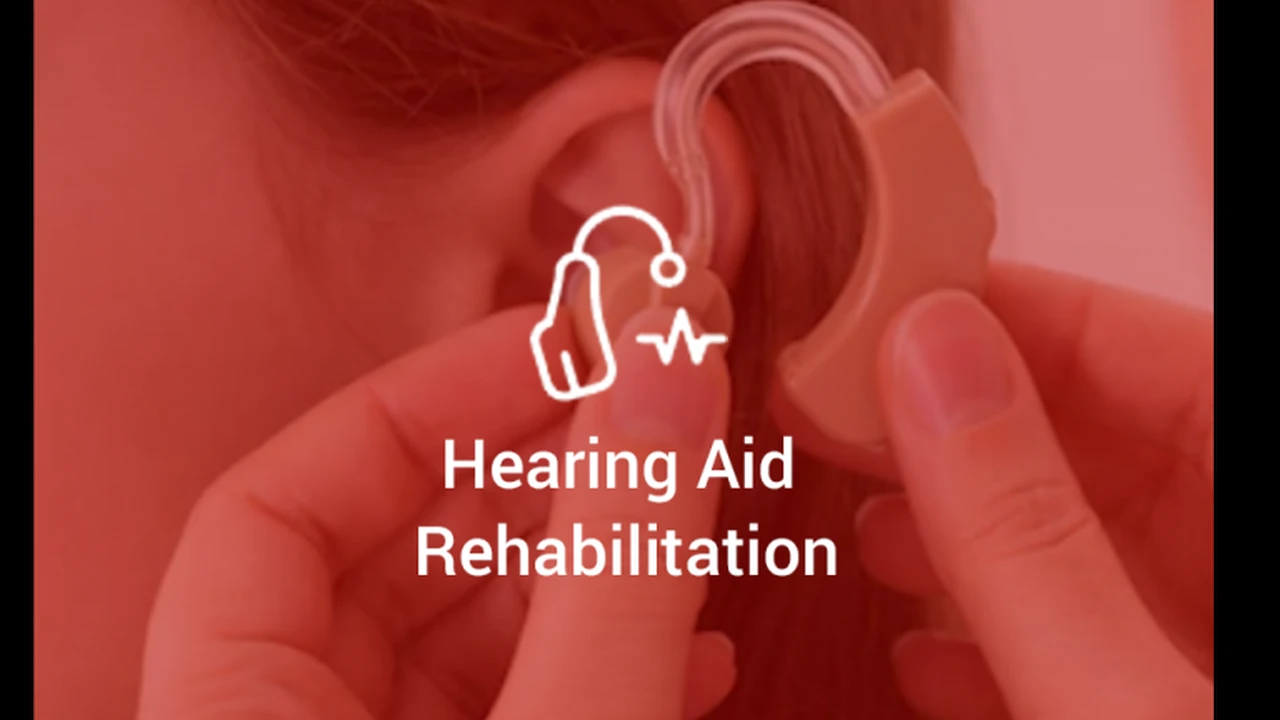
Upgrading Your Hearing Aids When and Why
Decide when and why to upgrade your hearing aids. Consider technological advancements, changes in hearing, and the lifespan of your current devices.
Upgrading Your Hearing Aids When and Why
Decide when and why to upgrade your hearing aids. Consider technological advancements, changes in hearing, and the lifespan of your current devices.Hey there! So, you've been using your current hearing aids for a while now, and you might be wondering if it's time for an upgrade. It's a super common question, and honestly, there's no one-size-fits-all answer. Think of it like upgrading your smartphone or even your car – sometimes you just know it's time for something new, but other times, it's a more subtle nudge. This article is all about helping you figure out when and why an upgrade might be the right move for you, diving deep into technological advancements, changes in your hearing, and the natural lifespan of these amazing little devices.
Understanding Your Current Hearing Aids Lifespan and Performance
First things first, let's talk about how long hearing aids typically last. On average, most hearing aids have a lifespan of about 3 to 7 years. Of course, this can vary wildly depending on the brand, model, how well you've taken care of them, and even your lifestyle. If you're super active or live in a humid climate, your devices might face more wear and tear. Just like any electronic gadget, components can degrade over time, leading to reduced performance, more frequent repairs, or simply not delivering the crisp sound quality they once did.
Think about it: are you finding yourself turning up the volume more often? Are certain sounds still muffled, even after adjustments? Are you experiencing more feedback than usual? These could be early warning signs that your current aids are starting to show their age. It's not just about them physically breaking down; it's also about their ability to keep up with your hearing needs as they evolve.
Signs It Might Be Time for a Hearing Aid Upgrade Your Hearing Needs Have Changed
One of the biggest reasons people consider upgrading is a change in their hearing. Hearing loss isn't static for most people; it can progress over time. If you've noticed any of the following, it might be a strong indicator that your current devices aren't cutting it anymore:
- Increased Difficulty in Noisy Environments: Your current aids might have been great in quiet settings, but if you're struggling more and more in restaurants, social gatherings, or busy streets, newer technology often offers superior noise reduction and speech clarity features.
- Frequent Requests for Repetition: Are you constantly asking people to repeat themselves, even with your hearing aids in? This is a clear sign that you're missing out on crucial parts of conversations.
- Fatigue from Listening: If you find yourself exhausted after social interactions or even just a day of listening, it could be because your brain is working overtime to fill in the gaps your current aids aren't covering. Newer aids can reduce this listening effort.
- Changes in Your Audiogram: The most definitive sign is a change in your hearing test results. If your audiologist tells you your hearing loss has progressed, your current aids might no longer provide adequate amplification or frequency response for your new needs.
- Discomfort or Poor Fit: While not directly related to hearing changes, if your current aids are causing discomfort or don't fit well anymore, it can significantly impact their effectiveness and your willingness to wear them. Sometimes, a new style or custom mold can make a world of difference.
Embracing Innovation The Power of New Hearing Aid Technology
This is where things get really exciting! Hearing aid technology is constantly evolving, and what was cutting-edge just a few years ago might be standard now. Upgrading often means gaining access to features that can dramatically improve your listening experience. Here are some key technological advancements to consider:
Advanced Noise Reduction and Speech Enhancement Features
Older hearing aids often struggled in noisy environments, amplifying everything, including the background chatter. Modern hearing aids, however, use sophisticated algorithms to differentiate between speech and noise. They can actively suppress unwanted background sounds while enhancing the voices you want to hear. This means less listening effort and clearer conversations in challenging situations. Brands like Phonak with their AutoSense OS or Oticon with their BrainHearing technology are pioneers in this area, offering seamless transitions between different sound environments.
Seamless Connectivity and Bluetooth Integration
Remember the days of struggling with tiny buttons or needing separate streamers? Not anymore! Most new hearing aids offer direct Bluetooth connectivity to your smartphone, tablet, or even smart TV. This means you can stream phone calls, music, podcasts, and TV audio directly into your ears, turning your hearing aids into high-tech wireless headphones. This is a game-changer for convenience and sound quality. For example, the Starkey Genesis AI and Resound Omnia lines are excellent examples of devices with robust Bluetooth capabilities, allowing for crystal-clear streaming and hands-free calls.
Rechargeable Hearing Aids Convenience and Eco-Friendliness
Tired of fumbling with tiny batteries? Rechargeable hearing aids have become the norm, offering incredible convenience. Most models provide a full day's power on a single charge, and many come with portable charging cases, perfect for travel. This not only saves you money on batteries but is also better for the environment. The Phonak Lumity and Signia Pure Charge&Go AX are highly popular rechargeable options, known for their reliable battery life and sleek charging solutions.
Artificial Intelligence AI and Machine Learning for Personalized Hearing
This is truly the frontier of hearing aid technology. AI-powered hearing aids can learn your preferences and adapt to different sound environments over time. They can analyze your listening patterns and automatically adjust settings for optimal performance. Some even offer features like fall detection or language translation. The Starkey Genesis AI is a prime example, using AI to optimize sound processing, track physical and cognitive activity, and even provide personalized insights into your hearing health.
Telehealth and Remote Adjustments for Modern Care
Many new hearing aids allow for remote adjustments by your audiologist. This means you can get fine-tuning and support from the comfort of your home, saving you time and travel. This feature became particularly valuable during recent times but continues to offer incredible flexibility for ongoing care. Brands like Oticon and Resound have excellent remote care platforms integrated with their latest devices.
Improved Sound Quality and Wider Bandwidth
Newer hearing aids process sound with greater speed and precision, offering a wider frequency range and more natural sound reproduction. This translates to a richer, more detailed listening experience, making music sound better and voices clearer. The advancements in processing chips mean less distortion and a more authentic representation of the world around you.
Comparing Specific Products for Your Upgrade Journey
Let's get into some specific examples of modern hearing aids that represent significant upgrades from older models. Keep in mind that prices are estimates and can vary widely based on your provider, location, and included services.
1. Phonak Lumity Series
- Key Features: StereoZoom 2.0 for enhanced speech focus in noise, AutoSense OS 5.0 for seamless environmental adaptation, universal Bluetooth connectivity, rechargeable options, and RogerDirect compatibility.
- Ideal User: Individuals who frequently find themselves in challenging listening environments (restaurants, social gatherings) and value excellent speech clarity and robust connectivity.
- Usage Scenario: Imagine being at a bustling family dinner. Your Lumity aids automatically detect the noise, narrow their focus to the person speaking in front of you, and reduce the surrounding chatter, allowing you to follow the conversation with ease. Then, you seamlessly switch to streaming your favorite podcast from your phone during your commute.
- Estimated Price Range: $2,500 - $7,000 per aid, depending on technology level.
2. Oticon Real Series
- Key Features: MoreSound Intelligence 2.0 and MoreSound Amplifier 2.0 for a more natural 360-degree sound experience, SuddenSound Stabilizer to handle unexpected loud noises, direct streaming to iPhone and Android, rechargeable.
- Ideal User: Those who prefer a more open soundscape, want to hear all relevant sounds around them, and struggle with sudden loud noises.
- Usage Scenario: You're walking through a city park. Your Oticon Real aids allow you to hear the birds chirping, the distant traffic, and your friend's voice clearly, without any jarring amplification of a sudden car horn. Later, you take a hands-free call directly through your aids while walking.
- Estimated Price Range: $2,800 - $7,500 per aid, depending on technology level.
3. Starkey Genesis AI
- Key Features: Edge Mode+ for on-demand clarity, AI-powered health tracking (steps, engagement), fall detection, translation features, superior sound processing, rechargeable, and robust connectivity.
- Ideal User: Tech-savvy individuals who want advanced features beyond just hearing, including health monitoring and personalized AI adjustments.
- Usage Scenario: You're at a business conference. Your Genesis AI aids not only help you hear the speaker clearly but also track your activity throughout the day. If you encounter a particularly difficult listening situation, a quick tap activates Edge Mode+ for an instant boost in clarity. Plus, the peace of mind of fall detection is a bonus.
- Estimated Price Range: $3,000 - $8,000 per aid, depending on technology level.
4. Resound Omnia Series
- Key Features: Organic Hearing philosophy for natural sound, Ultra Focus for 360-degree sound with speech focus, M&RIE (Microphone & Receiver-In-Ear) for natural sound localization, direct streaming, rechargeable.
- Ideal User: People who prioritize natural sound quality, excellent speech understanding in noise, and appreciate a discreet, comfortable fit.
- Usage Scenario: You're enjoying a concert. Your Omnia aids, especially with M&RIE, help you experience the music more naturally, while still allowing you to converse with the person next to you without feeling isolated from the environment. You can also fine-tune settings via the app for a personalized listening experience.
- Estimated Price Range: $2,700 - $7,200 per aid, depending on technology level.
The Decision Making Process When to Upgrade Your Hearing Aids
So, how do you put all this information together and make a decision? Here's a breakdown of factors to consider:
1. Consult Your Audiologist Your Hearing Health Partner
This is probably the most important step. Your audiologist has your audiogram history, understands your specific hearing loss, and knows the latest technology. They can perform a new hearing test to see if your hearing has changed and assess if your current aids are still meeting your needs. They can also demonstrate new technologies and help you understand which features would benefit you most.
2. Evaluate Your Current Hearing Aid Performance and Satisfaction
Be honest with yourself. Are you happy with your current hearing aids? Are they performing as well as they used to? Are there specific situations where they consistently let you down? If you're constantly frustrated or feel like you're missing out, it's a strong signal for an upgrade.
3. Consider Your Lifestyle and Communication Needs
Has your lifestyle changed? Are you more active, attending more social events, or working in a new environment? Your hearing aids should support your current lifestyle. If your current devices are holding you back from fully participating in activities you enjoy, an upgrade could be transformative.
4. Budget and Financial Considerations for New Hearing Aids
Let's be real, hearing aids are an investment. While the benefits are immense, the cost is a factor. Research financing options, insurance coverage, and potential government programs. Sometimes, the long-term benefits of improved communication and cognitive health outweigh the upfront cost. Remember, many providers offer payment plans, and some insurance plans might cover a portion of the cost, especially if your hearing loss has progressed significantly.
5. The Trial Period Take Advantage of It
Most reputable providers offer a trial period for new hearing aids. This is your chance to test them out in your real-world environments – at home, at work, in your favorite restaurant. Don't be afraid to take full advantage of this. Provide feedback to your audiologist, and make sure the new devices truly enhance your listening experience before committing.
Maximizing Your Hearing Aid Investment Tips for Longevity
Whether you decide to upgrade now or later, taking good care of your hearing aids is crucial for their longevity and performance. Here are some quick tips:
- Regular Cleaning: Clean your hearing aids daily according to your audiologist's instructions. This prevents wax and debris buildup, which can cause blockages and damage.
- Proper Storage: Store your hearing aids in a dry, safe place, preferably in a dehumidifier or drying kit, especially if you live in a humid climate.
- Battery Care: If you have disposable batteries, open the battery door at night to conserve power. For rechargeable aids, follow the manufacturer's charging guidelines.
- Avoid Moisture and Extreme Temperatures: Keep your aids away from water, excessive heat, and extreme cold.
- Schedule Professional Check-ups: Regular visits to your audiologist for cleaning, adjustments, and maintenance checks can significantly extend the life of your devices.
Ultimately, the decision to upgrade your hearing aids is a personal one. It's about balancing your current needs, the performance of your existing devices, and the exciting possibilities that new technology offers. By staying informed and working closely with your audiologist, you can ensure you're always getting the best possible support for your hearing health journey.
:max_bytes(150000):strip_icc()/277019-baked-pork-chops-with-cream-of-mushroom-soup-DDMFS-beauty-4x3-BG-7505-5762b731cf30447d9cbbbbbf387beafa.jpg)