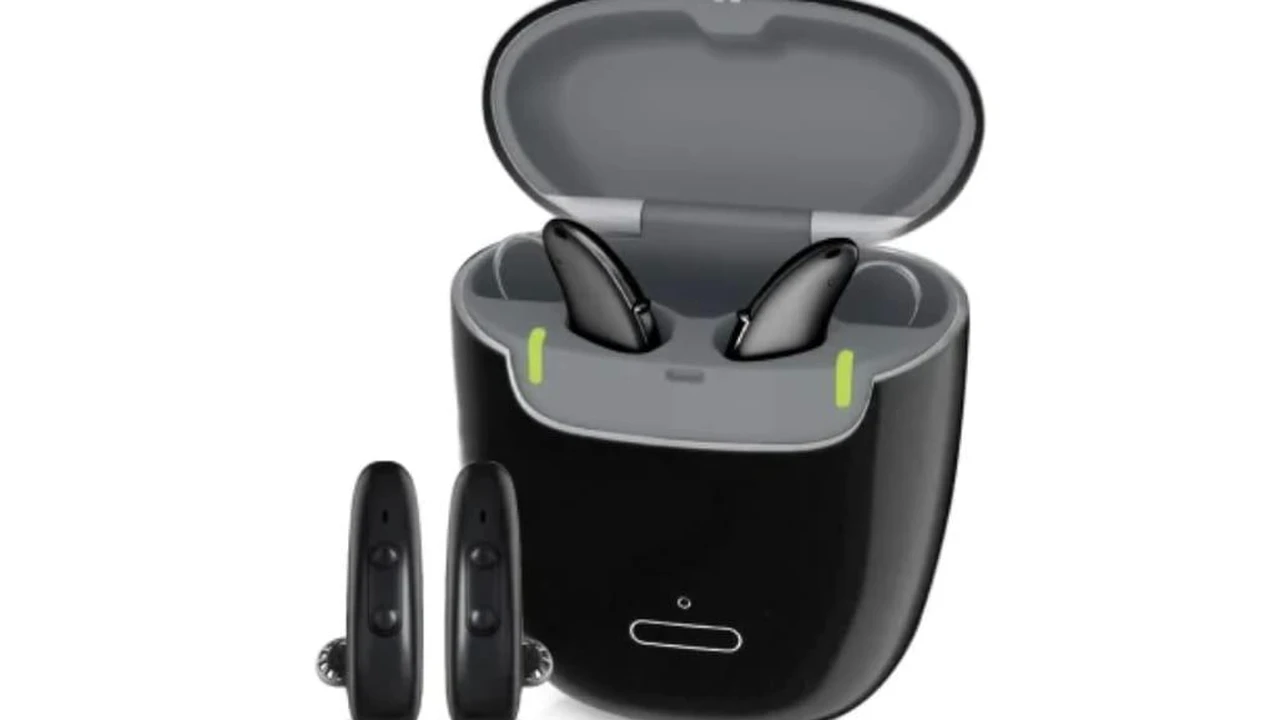
Familiarize yourself with hearing aid return policies. Know your rights and what to expect if you need to return or exchange your devices.
Understanding Hearing Aid Return Policies Your Comprehensive Guide
Why Hearing Aid Return Policies Matter for Consumers
Buying hearing aids is a significant investment, both financially and emotionally. It's not like buying a new pair of shoes where you know instantly if they fit. Hearing aids require an adjustment period, and sometimes, despite the best efforts, a particular device or even the concept of wearing one might not work out for you. This is where understanding hearing aid return policies becomes absolutely crucial. Knowing your rights and what to expect if you need to return or exchange your devices can save you a lot of stress, money, and frustration down the line. It empowers you to make a confident purchase, knowing you have a safety net.
Many people go into a hearing aid purchase with high hopes, only to find that the reality is a bit different. Maybe the sound quality isn't what they expected, the comfort isn't quite right, or they simply can't adapt to wearing them. Without a clear understanding of the return policy, you could be stuck with an expensive device that doesn't meet your needs. This guide will walk you through everything you need to know about return policies, trial periods, and what to look for before you commit.
The Importance of Trial Periods in Hearing Aid Purchases
Almost universally, hearing aid purchases come with a trial period, often mandated by state or federal regulations, especially in the US. This trial period is your golden opportunity to test the devices in your real-world environment – at home, at work, in noisy restaurants, and during quiet conversations. It's not just about whether the hearing aids work; it's about whether they work for *you* and your specific lifestyle.
What to Expect During Your Hearing Aid Trial Period
Typically, trial periods range from 30 to 60 days, though some providers might offer longer or shorter durations. During this time, you should:
- Wear your hearing aids consistently: The more you wear them, the better your brain adapts to the new sounds and the more accurately you can assess their performance.
- Test them in various environments: Don't just wear them at home. Go to a busy mall, a quiet park, a family dinner, and see how they perform.
- Keep a journal: Note down what you like, what you don't like, and any specific situations where you struggled or excelled. This feedback is invaluable for your audiologist.
- Attend follow-up appointments: Your audiologist will likely schedule several appointments during the trial to make adjustments and address any concerns.
Understanding the Financial Aspects of Trial Periods
While the trial period allows you to return the hearing aids, it's important to understand that you might not get a full refund of the purchase price. Many providers charge a 'restocking fee' or a 'professional services fee' if you return the devices. This fee covers the audiologist's time for fittings, adjustments, and the administrative costs associated with the trial. These fees can vary significantly, so always ask about them upfront.
For example, a restocking fee might be a flat rate (e.g., $200-$500 per hearing aid) or a percentage of the purchase price. Professional services fees might be itemized separately. It's crucial to get these details in writing before you buy.
Key Elements of a Hearing Aid Return Policy What to Look For
Before you even consider purchasing hearing aids, thoroughly review the provider's return policy. Don't just skim it; ask questions until you fully understand every clause. Here are the critical elements to scrutinize:
1. Duration of the Trial Period
As mentioned, this is usually 30-60 days. A longer trial period is generally better, giving you more time to adapt and evaluate. Some states have minimum trial periods mandated by law, so be aware of your local regulations.
2. Restocking Fees and Professional Service Fees
This is often the most contentious part of a return policy. Understand exactly how much you will be charged if you return the hearing aids. Is it a flat fee? A percentage? Is it per device or per pair? Are there separate charges for the audiologist's time? Get these figures in writing.
3. Condition of Returned Devices
Most policies require the hearing aids to be returned in good working order, with all original accessories and packaging. Normal wear and tear during the trial is usually acceptable, but significant damage might void the return or incur additional charges.
4. Refund Process and Timeline
How will you receive your refund? Check if it's a check, a credit to your card, or store credit. Also, ask about the typical timeline for processing refunds. You don't want to wait months to get your money back.
5. Exchange Options
Sometimes, you don't want a full return; you just want a different model or a different brand. Does the policy allow for exchanges? If so, are there any fees associated with an exchange? Often, if you exchange for a different model from the same provider, the restocking fee might be waived or reduced.
6. Warranty Information
While not strictly a return policy element, understanding the warranty is crucial. What does it cover? How long does it last? What's the process for warranty claims? This protects your investment after the trial period ends.
State and Federal Regulations Governing Hearing Aid Returns
In the United States, many states have specific laws regarding hearing aid sales and return policies. These laws often mandate minimum trial periods and limit the amount providers can charge in restocking fees. For example, some states might cap restocking fees at a certain percentage or a fixed dollar amount. It's a good idea to check the consumer protection laws in your specific state.
Federal regulations, particularly those related to Medicare and Medicaid, also have provisions that can impact return policies, especially for beneficiaries. While Medicare generally doesn't cover hearing aids, some Medicare Advantage plans might, and their policies would then apply.
Comparing Return Policies Across Different Providers and Brands
Return policies can vary significantly between independent audiologists, national chains, and online retailers. Let's look at some general trends and examples (note: these are illustrative and can change, always verify current policies):
Independent Audiology Practices
Independent practices often offer more personalized service. Their return policies might be more flexible, but they also might have higher restocking fees to cover their overhead. They often prioritize patient satisfaction and long-term relationships.
National Hearing Aid Chains (e.g., Beltone, Miracle-Ear, Starkey Hearing Technologies)
These chains often have standardized return policies across their locations. They might offer competitive trial periods and sometimes have promotions that reduce or waive restocking fees. However, their policies can sometimes be less flexible than independent practices.
*
Example: Beltone often offers a 30-day trial period. Their return policy typically involves a professional services fee if the hearing aids are returned, covering the audiologist's time and fitting services. They emphasize their 'BelCare' program which includes ongoing support and adjustments, which might influence their return structure.
*
Example: Miracle-Ear also commonly provides a 30-day trial. Their policy usually includes a non-refundable service fee if the devices are returned. They often highlight their lifetime service commitment, which is part of their overall value proposition.
Online Hearing Aid Retailers (e.g., Jabra Enhance, Lexie Hearing, Audicus)
Online retailers have become increasingly popular, especially for OTC (Over-The-Counter) hearing aids. Their return policies are often very consumer-friendly, with longer trial periods and sometimes no restocking fees, to encourage online purchases. However, the trade-off is less in-person professional support.
*
Example: Jabra Enhance (formerly Lively) typically offers a 100-day risk-free trial. If you return them within this period, you usually get a full refund, though you might be responsible for return shipping. This generous policy is a major selling point for online consumers.
*
Example: Lexie Hearing, known for its OTC models, often provides a 45-day money-back guarantee. They usually offer a full refund if returned within this window, making them an attractive option for those wanting to try hearing aids with minimal financial risk.
*
Example: Audicus, another online provider, generally offers a 45-day trial period. Their policy usually allows for a full refund, though it's always wise to confirm any potential shipping or processing fees.
Department Store Hearing Centers (e.g., Costco Hearing Aid Center)
Costco is a major player in the hearing aid market, known for its competitive pricing. Their return policy is often very generous, aligning with Costco's overall customer-friendly return policy for most products.
*
Example: Costco Hearing Aid Center typically offers a 180-day (6-month) return policy for their hearing aids, which is one of the longest in the industry. They usually provide a full refund with no restocking fees, making them a very low-risk option for many consumers. This policy, combined with their competitive pricing, makes them a popular choice.
What to Do If You Need to Return Your Hearing Aids
If, after your trial period, you decide the hearing aids aren't right for you, here's a step-by-step guide on how to proceed:
1. Review Your Purchase Agreement and Policy
First, re-read the return policy you received at the time of purchase. Confirm the trial period deadline, any applicable fees, and the required condition of the returned items.
2. Contact Your Provider Promptly
Don't wait until the last minute. Contact your audiologist or the retailer well before the trial period expires. Inform them of your decision to return the devices.
3. Schedule a Return Appointment (if applicable)
For in-person purchases, you'll likely need to schedule an appointment to return the hearing aids. This allows the audiologist to inspect the devices and process the paperwork.
4. Ensure All Components Are Included
Gather all original items: the hearing aids, charger (if applicable), cleaning tools, user manuals, and the original packaging. Missing items could affect your refund.
5. Get Confirmation of Your Return
Whether returning in person or by mail, ensure you get a written confirmation of the return. This could be a receipt, an email confirmation, or a tracking number for mailed returns. This is your proof that you returned the items within the policy timeframe.
6. Monitor Your Refund
Keep an eye on your bank statements or credit card activity to ensure the refund is processed within the timeframe specified by the provider. If there's a delay, follow up with them.
Common Pitfalls and How to Avoid Them
Not Understanding Restocking Fees
This is the biggest surprise for many. Always ask for a clear, written breakdown of all potential fees associated with a return before you sign anything.
Missing the Trial Period Deadline
Mark the return deadline on your calendar! Missing it by even a day could mean you're stuck with the hearing aids and no refund.
Damaging the Hearing Aids
While normal wear and tear is expected, significant damage (e.g., dropping them in water, stepping on them) could void your return rights or lead to substantial repair costs being deducted from your refund. Treat them carefully during the trial.
Not Communicating Issues During the Trial
If you're having problems, tell your audiologist! They can often make adjustments or suggest different models. Don't suffer in silence and then decide to return them without giving the professional a chance to help.
Ignoring the Fine Print
Always read the entire purchase agreement and return policy. Don't rely solely on verbal assurances. If something isn't clear, ask for clarification in writing.
Final Thoughts on Navigating Hearing Aid Return Policies
Navigating hearing aid return policies can seem daunting, but with a clear understanding of what to look for and what questions to ask, you can protect your investment and ensure you find the best solution for your hearing needs. Remember, the trial period is there for your benefit – use it wisely. Don't hesitate to return a device that isn't working for you, even if it means paying a small fee. The long-term benefit of having hearing aids that truly enhance your quality of life far outweighs the cost of a restocking fee. Be an informed consumer, and you'll make the best decision for your hearing health.
:max_bytes(150000):strip_icc()/277019-baked-pork-chops-with-cream-of-mushroom-soup-DDMFS-beauty-4x3-BG-7505-5762b731cf30447d9cbbbbbf387beafa.jpg)