Tinnitus Causes Symptoms and Management
Identify ototoxic medications that can damage your hearing. Learn which drugs to be aware of and how to protect your ears from drug-induced hearing loss.

Identify ototoxic medications that can damage your hearing. Learn which drugs to be aware of and how to protect your ears from drug-induced hearing loss.
Ototoxic Medications That Can Cause Hearing Loss
Hey there! Let's talk about something super important but often overlooked: medications that can actually mess with your hearing. We're talking about 'ototoxic' drugs – a fancy term for medicines that are toxic to your ears. It's a big deal because hearing loss, once it happens, can be permanent. So, knowing which drugs to watch out for and how to protect your precious ears is crucial. This isn't just about some rare side effect; it's about being informed and proactive about your health.
Understanding Ototoxicity What It Means For Your Ears
So, what exactly is ototoxicity? Simply put, it's when a drug damages the inner ear, specifically the cochlea (which handles hearing) or the vestibular system (which controls balance), or both. This damage can lead to hearing loss, tinnitus (that annoying ringing or buzzing in your ears), or balance problems. The severity can range from temporary and mild to permanent and profound. It's not always a given that you'll experience these side effects, but the risk is there, especially with certain types of medications, higher doses, or prolonged use. Your individual susceptibility can also play a role, influenced by genetics, kidney function, and even other medications you might be taking.
Common Culprits Medications Known to Be Ototoxic
Alright, let's get down to business and list some of the main offenders. It's important to remember that these drugs are often prescribed for serious conditions, and their benefits might outweigh the risks. The key is awareness and discussion with your doctor.
Aminoglycoside Antibiotics Hearing Loss Risk
These are powerful antibiotics often used for severe bacterial infections. Think gentamicin, tobramycin, amikacin, and streptomycin. While they're life-savers in many situations, they're also notorious for their ototoxic potential. The damage can be dose-dependent and cumulative, meaning the longer you take them or the higher the dose, the greater the risk. Sometimes, the hearing loss can even progress after you stop taking the medication. This is particularly concerning for people with kidney issues, as the drugs can build up in their system. If you're on these, your doctor should be monitoring your hearing regularly.
Loop Diuretics Kidney and Ear Health
These are often prescribed for conditions like heart failure, kidney disease, and high blood pressure to help your body get rid of excess fluid. Furosemide (Lasix), bumetanide, and torsemide are common examples. While generally safe, high doses, rapid intravenous administration, or use in people with kidney impairment can lead to temporary or, less commonly, permanent hearing loss. The good news is that the hearing loss from loop diuretics is often reversible once the medication is stopped or the dose is reduced. However, it's still a risk to be aware of, especially if you're already experiencing some hearing issues.
Chemotherapy Drugs Cancer Treatment and Hearing
Many chemotherapy agents, particularly platinum-based drugs like cisplatin and carboplatin, are highly effective against cancer but come with a significant risk of ototoxicity. This is a tough one because these drugs are literally fighting for your life. The hearing loss caused by these drugs is often permanent and can be quite severe, affecting high frequencies first. Children undergoing chemotherapy are particularly vulnerable. If you or a loved one is undergoing chemotherapy, regular audiometric monitoring is essential. Sometimes, protective agents (otoprotectants) are used to try and mitigate the damage, but their effectiveness can vary.
NSAIDs and Aspirin Pain Relief and Tinnitus
Nonsteroidal anti-inflammatory drugs (NSAIDs) like ibuprofen (Advil, Motrin) and naproxen (Aleve), and even high doses of aspirin, can cause temporary hearing loss and tinnitus. This is usually reversible once you stop taking the medication. However, chronic, high-dose use, especially of aspirin, can lead to more persistent issues. It's a good reminder that even common over-the-counter meds aren't without their risks. Always stick to the recommended dosage and discuss long-term use with your doctor.
Antimalarial Drugs Hearing Side Effects
Quinine and chloroquine, used to treat malaria and sometimes certain autoimmune conditions, can also be ototoxic. The effects can range from temporary tinnitus and hearing loss to more permanent damage, especially with prolonged use or overdose. If you're traveling to a malaria-prone area and are prescribed these, be sure to discuss the potential hearing risks with your doctor.
Erectile Dysfunction Drugs Potential Hearing Changes
This one might surprise you! Medications like sildenafil (Viagra), tadalafil (Cialis), and vardenafil (Levitra) have been linked to sudden sensorineural hearing loss in some rare cases. While the exact mechanism isn't fully understood, it's thought to be related to blood flow changes in the inner ear. If you experience sudden hearing loss or tinnitus after taking these medications, seek immediate medical attention.
Protecting Your Hearing Proactive Steps
So, what can you do to protect your hearing if you need to take these medications?
Talk to Your Doctor Open Communication is Key
This is the most important step. Always inform your doctor about any existing hearing loss, tinnitus, or balance issues before starting a new medication. Ask if the prescribed drug has ototoxic potential. If it does, discuss alternative medications, the lowest effective dose, and the shortest possible duration of treatment. Don't be afraid to ask questions and advocate for your hearing health.
Regular Hearing Monitoring Audiological Assessments
If you're on a known ototoxic medication, especially for an extended period or at high doses, your doctor should recommend regular audiological monitoring. This means getting your hearing tested before starting the drug (a baseline audiogram) and then periodically throughout your treatment. This helps catch any changes early, allowing your doctor to adjust your treatment plan if necessary. For example, patients undergoing cisplatin chemotherapy often have their hearing monitored before each cycle.
Hydration and Kidney Function Supporting Your Body
Maintaining good hydration and kidney function can sometimes help reduce the risk of ototoxicity, especially with drugs like aminoglycosides and loop diuretics. Healthy kidneys help clear these drugs from your system more efficiently, preventing them from building up to toxic levels. Always follow your doctor's advice regarding fluid intake and kidney health.
Avoid Noise Exposure During Treatment Protecting Vulnerable Ears
While on ototoxic medications, your ears might be more vulnerable to damage from loud noise. It's a good idea to minimize exposure to loud environments, use hearing protection (like earplugs or earmuffs) when necessary, and avoid personal listening devices at high volumes. Think of it as giving your ears a break when they're already under stress.
Nutritional Support and Antioxidants Potential Benefits
Some research suggests that certain antioxidants, like N-acetylcysteine (NAC) or vitamins E and C, might offer some protection against drug-induced hearing loss, particularly with chemotherapy drugs. However, this is still an area of active research, and you should absolutely discuss any supplements with your doctor before taking them, as they can interact with your medications.
What to Do If You Suspect Ototoxicity Immediate Action
If you notice any changes in your hearing, experience new or worsening tinnitus, or develop balance problems while taking medication, don't wait! Contact your doctor immediately. Early detection is key to potentially minimizing permanent damage. They might adjust your dosage, switch you to a different medication, or refer you to an audiologist for a comprehensive hearing evaluation.
Specific Product Recommendations and Scenarios
While we're talking about preventing hearing loss, it's also worth noting that if you do experience hearing changes, there are fantastic solutions available. These aren't 'cures' for ototoxicity, but they can significantly improve your quality of life if hearing loss occurs.
Scenario 1 Mild to Moderate High-Frequency Hearing Loss from NSAIDs
Let's say you've had some temporary high-frequency hearing loss and tinnitus from long-term NSAID use, and while the tinnitus has subsided, your high-frequency hearing isn't quite what it used to be. You're looking for something discreet and effective.
Recommended Products
-
Phonak Audeo Lumity L90-R (RIC)
- Description: This is a top-tier Receiver-In-Canal (RIC) hearing aid known for its exceptional sound quality, especially in noisy environments, and its ability to enhance speech clarity. It's rechargeable and offers excellent Bluetooth connectivity.
- Key Features: StereoZoom 2.0 for focused listening, SpeechSensor for 360-degree speech detection, Tap Control, universal Bluetooth streaming, and a powerful rechargeable battery.
- Use Case: Perfect for someone who wants a natural sound experience, frequently engages in conversations in various settings, and values convenience with rechargeable batteries and smartphone connectivity. It's discreet but powerful.
- Estimated Price Range: $3,000 - $4,500 per aid (varies by provider and region, often includes fitting and follow-up care).
-
Oticon Real 1 miniRITE R (RIC)
- Description: Oticon Real focuses on providing a more natural soundscape by processing sounds from all directions, reducing listening effort. It's also a rechargeable RIC model.
- Key Features: MoreSound Intelligence 2.0 and MoreSound Amplifier 2.0 for a balanced sound environment, BrainHearing technology, direct streaming from iOS and Android, and a discreet design.
- Use Case: Ideal for individuals who find traditional hearing aids too focused and want to hear their surroundings more naturally, reducing the feeling of being 'cut off.' Great for social situations and enjoying music.
- Estimated Price Range: $2,800 - $4,200 per aid.
Comparison
Both are premium RIC models. Phonak Lumity excels in speech focus in complex environments, making it a go-to for those who prioritize conversation clarity above all else. Oticon Real, on the other hand, aims for a more open and natural sound experience, allowing you to stay more connected to your entire sound environment. Both offer excellent rechargeable options and connectivity.
Scenario 2 Moderate to Severe Hearing Loss from Chemotherapy
Imagine you've undergone chemotherapy with cisplatin, resulting in a more significant, permanent hearing loss across a wider range of frequencies. You need robust amplification and features to help you communicate effectively.
Recommended Products
-
Resound Omnia 9 (RIC or BTE)
- Description: ReSound Omnia is designed to improve speech understanding in noise significantly. It comes in both RIC and BTE (Behind-The-Ear) styles, offering flexibility for different levels of hearing loss.
- Key Features: Ultra Focus for 360-degree speech clarity, M&RIE (Microphone & Receiver-In-Ear) for a natural sound experience (RIC only), excellent streaming capabilities, and a comfortable fit.
- Use Case: Excellent for individuals with moderate to severe loss who frequently find themselves in challenging listening environments and need strong support for speech understanding. The BTE option can provide more power if needed.
- Estimated Price Range: $2,900 - $4,300 per aid.
-
Starkey Genesis AI (RIC or mRIC)
- Description: Starkey Genesis AI is known for its advanced artificial intelligence features, offering personalized sound adjustments and health tracking. It's available in various discreet styles, including a micro-RIC (mRIC) for ultimate discretion.
- Key Features: Edge Mode+ for on-demand sound optimization, Fall Detection, Activity Tracking, Translation, and a long-lasting rechargeable battery. It's powered by a new processor that mimics the human brain.
- Use Case: Ideal for tech-savvy users who want cutting-edge features beyond just hearing amplification, including health and wellness tracking. It provides powerful sound processing for moderate to severe loss.
- Estimated Price Range: $3,200 - $4,800 per aid.
Comparison
ReSound Omnia focuses heavily on speech clarity in complex soundscapes, making it a strong contender for those whose primary concern is understanding conversations. Starkey Genesis AI brings a unique blend of advanced AI, health tracking, and excellent sound processing, appealing to users who want a more integrated health and hearing solution. Both offer powerful amplification suitable for moderate to severe loss.
Scenario 3 Profound Hearing Loss from Aminoglycosides
In a more severe case, perhaps you've experienced profound hearing loss due to aminoglycoside antibiotics, and traditional hearing aids might not provide enough amplification. You might be exploring more powerful options.
Recommended Products
-
Cochlear Implants (e.g., Cochlear Nucleus, Advanced Bionics, MED-EL)
- Description: While not a hearing aid, a cochlear implant is a surgically implanted electronic device that can provide a sense of sound to people who are profoundly deaf or severely hard of hearing and don't benefit from hearing aids. It bypasses the damaged part of the inner ear and directly stimulates the auditory nerve.
- Key Features: Consists of an external sound processor and an internal implant. Offers a wide range of sound processing strategies, connectivity options, and often significantly improves speech understanding for those with profound loss.
- Use Case: For individuals with severe to profound sensorineural hearing loss who receive limited or no benefit from conventional hearing aids. It requires surgery and a significant rehabilitation period.
- Estimated Price Range: The cost of a cochlear implant system and surgery can range from $40,000 to $100,000 per ear in the US, but it's often covered by insurance.
-
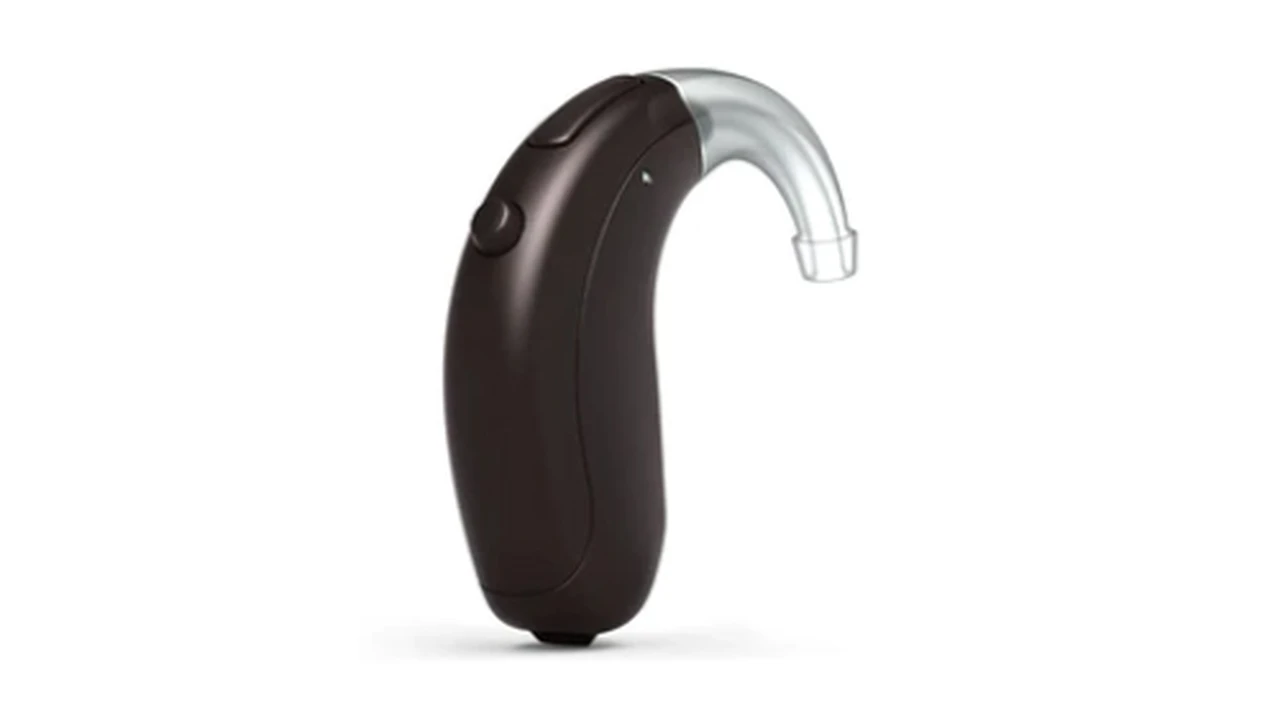
Phonak Naída Paradise P90-UP (Ultra Power BTE)
- Description: This is a super-power Behind-The-Ear (BTE) hearing aid specifically designed for individuals with severe to profound hearing loss. It delivers robust amplification and excellent sound quality.
- Key Features: Powerful sound processing, Speech Enhancer, Dynamic Noise Cancellation, universal Bluetooth connectivity, and a robust design. It's designed to provide clear, rich sound even for the most challenging hearing losses.
- Use Case: An excellent option for those with profound hearing loss who still get some benefit from traditional amplification and are not yet candidates for or prefer not to pursue cochlear implants. It offers significant power and advanced features.
- Estimated Price Range: $3,000 - $4,500 per aid.
Comparison
For profound hearing loss, the choice often comes down to whether a cochlear implant is a more appropriate solution than a super-power hearing aid. Cochlear implants offer a different way of hearing and can provide significant benefits for those who get minimal help from hearing aids. The Phonak Naída Paradise P90-UP is one of the most powerful traditional hearing aids available, offering a robust solution for those who still have residual hearing that can be amplified effectively. The decision between these two often involves extensive audiological and medical evaluations.
Final Thoughts on Ototoxicity and Hearing Health
Navigating the world of medications and their potential side effects can be daunting, but when it comes to your hearing, being informed is your best defense. Always have an open conversation with your healthcare providers about any concerns, especially regarding ototoxic drugs. Remember, your hearing is precious, and taking proactive steps to protect it can make a world of difference in your long-term quality of life. If you do experience hearing loss, know that there are incredible technologies and support systems available to help you hear your best. Stay vigilant, stay informed, and keep those ears healthy!
:max_bytes(150000):strip_icc()/277019-baked-pork-chops-with-cream-of-mushroom-soup-DDMFS-beauty-4x3-BG-7505-5762b731cf30447d9cbbbbbf387beafa.jpg)