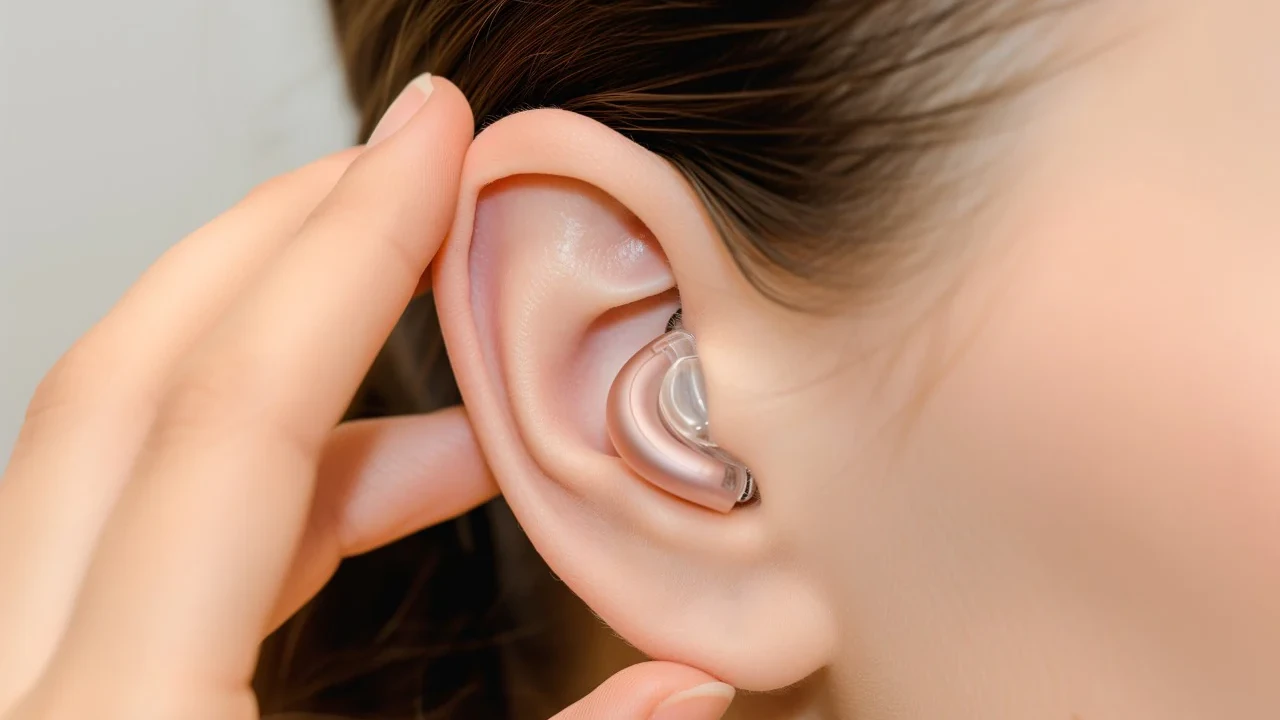
Tax Deductions For Hearing Aids What Qualifies
Learn about potential tax deductions for hearing aids and related expenses. Understand what qualifies and how to claim these benefits.

Learn about potential tax deductions for hearing aids and related expenses. Understand what qualifies and how to claim these benefits.
Tax Deductions For Hearing Aids What Qualifies
Understanding Medical Expense Deductions for Hearing Aids
Navigating the world of tax deductions can feel like a maze, especially when it comes to health-related expenses. But for many Americans, the cost of hearing aids and associated services can be a significant financial burden. The good news is that these expenses might qualify for a tax deduction, potentially saving you a good chunk of change. It's all about understanding what the IRS considers a deductible medical expense and how to properly claim it. Generally, medical expenses, including those for hearing aids, are deductible if they exceed a certain percentage of your Adjusted Gross Income (AGI). For the 2023 and 2024 tax years, this threshold is 7.5% of your AGI. This means if your AGI is $50,000, you can deduct the amount of medical expenses that exceeds $3,750. So, if your hearing aids and other medical costs total $5,000, you could potentially deduct $1,250. This threshold is crucial, as many people might not meet it, but for those with substantial medical costs, it can be a lifesaver. It's not just the hearing aids themselves that count; many related services and products can also be included, making it easier to reach that AGI threshold. Keep meticulous records of all your expenses, as you'll need them if the IRS ever has questions. This includes receipts for the hearing aids, fitting appointments, batteries, and any other related costs. Think of it as building a strong case for your deduction.
What Hearing Aid Related Expenses Are Deductible
When we talk about tax deductions for hearing aids, it's not just the device itself that can be included. The IRS allows for a broader interpretation of 'medical expenses' that can significantly increase your deductible amount. Let's break down what typically qualifies:
- The Cost of the Hearing Aids Themselves: This is the most obvious one. The purchase price of new hearing aids is fully deductible. This includes any custom molds or specialized features that come with the device.
- Examinations and Fittings: The cost of hearing examinations, audiologist consultations, and professional fittings are all considered medical expenses. These are essential steps in getting properly fitted hearing aids and are therefore deductible.
- Batteries and Accessories: Yes, even the ongoing cost of batteries for your hearing aids can be deducted! This also extends to other necessary accessories like cleaning kits, drying units, and even certain remote controls if they are specifically prescribed or recommended for your hearing aid use.
- Repairs and Maintenance: If your hearing aids need repairs, the cost of those repairs, including parts and labor, is deductible. Regular maintenance services performed by an audiologist or hearing aid specialist also qualify.
- Specialized Telephones or Devices: In some cases, if you need a specialized telephone or communication device specifically designed for individuals with hearing impairments, and it's recommended by a medical professional, its cost might also be deductible. This is less common but worth exploring if applicable.
- Transportation Costs: Don't forget about the cost of getting to and from your audiologist appointments. Mileage for medical travel, public transportation fares, and even parking fees can be included in your medical expense total. Keep a log of these trips and their associated costs.
It's important to note that these expenses must be primarily for the prevention or alleviation of a physical or mental defect or illness. In the case of hearing aids, this is clearly met. However, general health items or cosmetic enhancements typically do not qualify. Always consult with a tax professional to ensure your specific expenses meet the IRS criteria.
Who Qualifies for Hearing Aid Tax Deductions Eligibility Criteria
So, who exactly can claim these valuable tax deductions? The eligibility criteria are fairly straightforward, but it's important to understand them to ensure you're filing correctly. First and foremost, you must be an individual taxpayer who itemizes deductions on Schedule A (Form 1040), Itemized Deductions. If you take the standard deduction, you won't be able to claim medical expense deductions. This is a key point, as the standard deduction has increased significantly in recent years, meaning fewer people itemize. You'll need to determine if your total itemized deductions (including medical expenses, state and local taxes, mortgage interest, etc.) exceed your standard deduction amount. For 2023, the standard deduction is $13,850 for single filers, $27,700 for married couples filing jointly, and $20,800 for heads of household. For 2024, these amounts are $14,600, $29,200, and $21,900, respectively. If your itemized deductions don't surpass these figures, then claiming medical expenses won't benefit you.
Secondly, the medical expenses must be for yourself, your spouse, or your dependents. A dependent can be a qualifying child or a qualifying relative who meets certain IRS criteria. This means if you paid for your elderly parent's hearing aids and they qualify as your dependent, you can include those costs in your deductions. The expenses must also be 'paid' during the tax year. This means if you bought hearing aids in December 2023 but paid for them in January 2024, they would be deductible on your 2024 tax return, not your 2023 return. Lastly, as mentioned before, your total qualified medical expenses must exceed 7.5% of your Adjusted Gross Income (AGI). This AGI threshold is a critical hurdle. For example, if your AGI is $60,000, you can only deduct the medical expenses that are above $4,500 (7.5% of $60,000). If your total medical expenses for the year were $4,000, you wouldn't be able to claim any deduction, even if you itemize. It's a 'use it or lose it' situation for the amount below the threshold. Therefore, it's essential to gather all your medical receipts and calculate your total before deciding whether to itemize.
How to Claim Your Hearing Aid Tax Deductions Step by Step
Claiming your hearing aid tax deductions isn't overly complicated, but it requires careful record-keeping and attention to detail. Here's a step-by-step guide to help you through the process:
- Keep Meticulous Records: This is the most crucial step. From the moment you start considering hearing aids, begin collecting and organizing all related receipts, invoices, and statements. This includes:
- Purchase receipts for the hearing aids themselves.
- Invoices for hearing tests, fittings, and follow-up appointments.
- Receipts for batteries, cleaning supplies, and any other accessories.
- Records of repairs and maintenance services.
- A log of mileage or public transportation costs for medical appointments.
- Any documentation from your doctor or audiologist recommending the hearing aids.
- Calculate Your Total Qualified Medical Expenses: At the end of the tax year, add up all your eligible medical expenses. Be thorough and don't miss anything that qualifies. Remember to include expenses for yourself, your spouse, and any dependents.
- Determine Your Adjusted Gross Income (AGI): Your AGI is found on line 11 of your Form 1040. This figure is essential because your medical expense deduction is limited by a percentage of your AGI.
- Calculate Your AGI Threshold: Multiply your AGI by 7.5% (0.075). This is the amount of medical expenses you must exceed before you can start deducting. For example, if your AGI is $70,000, your threshold is $5,250 ($70,000 * 0.075).
- Subtract the Threshold from Your Total Expenses: If your total qualified medical expenses are greater than your AGI threshold, subtract the threshold amount from your total expenses. The remaining amount is your deductible medical expense. For instance, if your total expenses were $8,000 and your threshold was $5,250, you could deduct $2,750.
- Decide Whether to Itemize: Compare your total itemized deductions (including your deductible medical expenses, state and local taxes, mortgage interest, charitable contributions, etc.) to your standard deduction amount. If your itemized deductions are higher, then you should itemize. If the standard deduction is higher, it's usually more beneficial to take the standard deduction, and you won't be able to claim the medical expense deduction.
- Fill Out Schedule A (Form 1040): If you decide to itemize, you'll report your medical expenses on Schedule A, Line 1. You'll enter the total amount of your qualified medical expenses, and the form will guide you through the calculation of the deductible amount based on your AGI.
- Consult a Tax Professional: While these steps provide a general overview, tax laws can be complex and change frequently. If you have significant medical expenses, a complicated tax situation, or are unsure about any aspect of claiming these deductions, it's always a good idea to consult with a qualified tax professional. They can provide personalized advice and ensure you're maximizing your deductions while remaining compliant with IRS regulations.
It's a good idea to create a dedicated folder, either physical or digital, for all these documents. You'll need them to substantiate your claims if the IRS ever audits your return.
Common Misconceptions About Hearing Aid Tax Deductions
There are several common misunderstandings surrounding tax deductions for hearing aids that can lead to missed opportunities or incorrect filings. Let's clear up some of these myths:
- Myth 1: All Hearing Aid Purchases Are Deductible. This is perhaps the biggest misconception. While the cost of hearing aids is a qualified medical expense, you can only deduct it if you itemize your deductions AND if your total qualified medical expenses exceed 7.5% of your Adjusted Gross Income (AGI). Many people take the standard deduction, or their medical expenses don't meet the AGI threshold, meaning they won't see a tax benefit from their hearing aid purchase.
- Myth 2: Over-the-Counter (OTC) Hearing Aids Don't Qualify. With the rise of OTC hearing aids, many wonder if these more affordable options are deductible. As long as the OTC hearing aid is primarily for the mitigation or treatment of hearing loss, and you meet the other criteria (itemizing, AGI threshold), its cost should be deductible. The IRS doesn't typically differentiate between prescription and OTC medical devices if they serve a legitimate medical purpose. However, it's always wise to keep documentation that indicates the device is for hearing loss.
- Myth 3: You Can Deduct the Full Cost of Your Hearing Aids. As discussed, you can only deduct the amount of medical expenses that exceeds 7.5% of your AGI. So, if your hearing aids cost $5,000 and your AGI threshold is $4,000, you can only deduct $1,000, not the full $5,000.
- Myth 4: Insurance Reimbursements Don't Affect the Deduction. If your health insurance, Medicare, or any other program reimburses you for a portion of your hearing aid costs, you can only deduct the amount you paid out-of-pocket. For example, if your hearing aids cost $6,000 and your insurance paid $2,000, your deductible expense is $4,000, not $6,000. You cannot deduct expenses for which you have been reimbursed.
- Myth 5: You Can Deduct Hearing Aids for Anyone. You can only deduct medical expenses for yourself, your spouse, or your dependents. You cannot deduct the cost of hearing aids for a friend, a non-dependent relative, or anyone else who doesn't meet the IRS definition of a dependent.
- Myth 6: You Can Deduct the Cost of Hearing Aid Batteries and Accessories Without the Hearing Aids. While batteries and accessories are deductible, they are typically considered part of the overall medical expense related to the hearing aids. It's unlikely you would deduct just these items in isolation unless you already own the hearing aids and are simply incurring ongoing costs. They contribute to the total medical expense calculation.
Understanding these nuances is key to accurately claiming your deductions and avoiding potential issues with the IRS. When in doubt, always refer to IRS Publication 502, 'Medical and Dental Expenses,' or consult a tax professional.
Maximizing Your Hearing Aid Related Tax Benefits
To ensure you're getting the most out of your hearing aid related tax benefits, a proactive approach is essential. It's not just about knowing what qualifies, but also about strategic planning and diligent record-keeping. Here are some tips to maximize your deductions:
- Bundle Medical Expenses: If you're close to the 7.5% AGI threshold but not quite there, consider bundling other medical expenses into the same tax year. For instance, if you have flexibility with scheduling non-urgent medical procedures, dental work, or even purchasing prescription eyeglasses, try to incur these costs in the same year you purchase your hearing aids. This can help push your total medical expenses over the threshold, making the deduction viable.
- Track All Related Costs: Don't just focus on the big-ticket items. Remember that smaller, ongoing costs like batteries, cleaning supplies, and minor repairs add up. Keep receipts for everything. A digital scanning app or a simple spreadsheet can be incredibly helpful for this.
- Understand Your AGI: Your Adjusted Gross Income is the cornerstone of this deduction. If you have control over certain income streams (e.g., delaying bonuses, managing retirement account withdrawals), understanding how these impact your AGI can indirectly affect your medical expense deduction eligibility.
- Review Your Itemization Annually: Don't assume you'll always take the standard deduction or always itemize. Your financial situation and medical expenses can change year to year. Always calculate both scenarios to see which provides the greater tax benefit.
- Utilize Flexible Spending Accounts (FSAs) or Health Savings Accounts (HSAs): While not a direct tax deduction, using an FSA or HSA is a powerful way to pay for hearing aids and related expenses with pre-tax dollars. Contributions to these accounts are tax-deductible (for HSAs) or tax-exempt (for FSAs), and withdrawals for qualified medical expenses are tax-free. This effectively reduces your taxable income and makes your hearing aid purchase more affordable. If you have access to these accounts through your employer, maximize your contributions to cover anticipated medical costs.
- Consult with an Audiologist for Documentation: Ensure you have proper documentation from your audiologist or doctor stating the medical necessity of your hearing aids. While not always required for the deduction, it can be helpful if the IRS ever questions the expense.
- Stay Informed on Tax Law Changes: Tax laws, especially those related to medical expense deductions, can change. Keep an eye on IRS updates or consult with a tax professional annually to ensure you're aware of any new rules or thresholds.
By being diligent and strategic, you can significantly reduce the financial impact of hearing aid ownership through available tax benefits. Remember, every dollar saved on taxes is a dollar that stays in your pocket.
Specific Product Recommendations and Cost Considerations for Tax Planning
While the IRS doesn't endorse specific brands, understanding the typical costs and features of various hearing aids can help you plan your budget and, consequently, your potential tax deductions. Here's a look at some popular types and models, their general price ranges, and how they might fit into your tax planning strategy. Remember, these are general estimates, and actual prices can vary significantly based on location, provider, and included services.
Entry-Level and OTC Hearing Aids Budget Friendly Options
These options are typically more affordable and might be a good starting point for those with mild to moderate hearing loss, or for those looking to keep their initial outlay lower while still qualifying for deductions. The lower price point means you'll need fewer other medical expenses to hit the 7.5% AGI threshold.
- Jabra Enhance Plus:
- Type: OTC, rechargeable, discreet earbud-style.
- Use Case: Mild to moderate hearing loss, active lifestyles, users who want smartphone control and streaming.
- Price Range: $799 - $1,200 per pair.
- Tax Planning Note: Being an OTC device, it still qualifies as a medical expense. Its lower cost might make it harder to hit the AGI threshold on its own, but it's a solid contribution to your total medical expenses.
- Lexie B2 Powered by Bose:
- Type: OTC, rechargeable, behind-the-ear (BTE) style.
- Use Case: Mild to moderate hearing loss, users seeking a reputable brand with self-fitting capabilities.
- Price Range: $999 - $1,200 per pair.
- Tax Planning Note: Similar to Jabra, a good option for contributing to your medical expense total. The brand recognition might offer peace of mind for some users.
- MDHearingAid VOLT MAX:
- Type: OTC, rechargeable, BTE style.
- Use Case: Mild to moderately severe hearing loss, users looking for a straightforward, affordable solution with good battery life.
- Price Range: $699 - $1,000 per pair (often with promotions).
- Tax Planning Note: One of the most budget-friendly options, making it a good choice if you're trying to keep overall medical costs down while still getting a functional device.
Mid-Range Hearing Aids Balancing Features and Cost
These devices offer a good balance of advanced features and price, often including better noise reduction, more programming options, and improved connectivity. They represent a more significant investment, which can make it easier to meet the AGI threshold for deductions.
- Phonak Audéo Lumity L50:
- Type: RIC (Receiver-in-Canal), rechargeable, prescription-level.
- Use Case: Mild to severe hearing loss, users prioritizing speech clarity in noisy environments, Bluetooth connectivity.
- Price Range: $2,500 - $4,000 per pair.
- Tax Planning Note: A substantial expense that will significantly contribute to your medical expense total, making it more likely to exceed the AGI threshold.
- Oticon Real 2:
- Type: RIC, rechargeable, prescription-level.
- Use Case: Mild to severe hearing loss, users seeking advanced sound processing and natural sound experience, good for music lovers.
- Price Range: $2,800 - $4,500 per pair.
- Tax Planning Note: Similar to Phonak, this higher price point makes it a strong candidate for pushing your medical expenses over the deductible limit.
- Starkey Evolv AI 1600:
- Type: Various styles (RIC, BTE, ITE, ITC, CIC), rechargeable options, prescription-level.
- Use Case: Mild to severe hearing loss, users interested in AI features for personalized sound and health tracking.
- Price Range: $2,700 - $4,200 per pair.
- Tax Planning Note: The AI features and customization options come with a price tag that can be very beneficial for tax deduction purposes.
Premium Hearing Aids Advanced Technology and Higher Costs
These are the top-tier devices, offering the most advanced features, superior sound processing, and extensive customization. Their higher cost almost guarantees a significant contribution towards meeting your AGI threshold, assuming you itemize.
- Phonak Audéo Lumity L90:
- Type: RIC, rechargeable, prescription-level.
- Use Case: All levels of hearing loss, users demanding the absolute best in speech understanding, noise reduction, and connectivity in complex listening environments.
- Price Range: $4,000 - $7,000+ per pair.
- Tax Planning Note: This high-end option will likely make it much easier to meet the 7.5% AGI threshold, especially when combined with other medical expenses.
- Oticon Real 1:
- Type: RIC, rechargeable, prescription-level.
- Use Case: All levels of hearing loss, users who prioritize a natural, open sound experience and exceptional performance in challenging soundscapes.
- Price Range: $4,200 - $7,500+ per pair.
- Tax Planning Note: A premium choice that provides a substantial expense for tax deduction purposes.
- Starkey Evolv AI 2400:
- Type: Various styles, rechargeable options, prescription-level.
- Use Case: All levels of hearing loss, users seeking the most advanced AI features, comprehensive health tracking, and personalized sound.
- Price Range: $4,100 - $7,200+ per pair.
- Tax Planning Note: The highest tier of Starkey's offerings, providing a significant expense that can greatly aid in reaching your medical expense deduction.
Comparison and Strategic Considerations for Tax Deductions
When choosing a hearing aid, your primary concern should always be your hearing needs and lifestyle. However, understanding the cost implications for tax purposes can influence your timing or choice of additional services. For instance, if you're on the cusp of meeting the AGI threshold, opting for a slightly more advanced model or ensuring all follow-up appointments and accessories are purchased in the same tax year as the hearing aids could push you over the edge. Conversely, if your AGI is very high and your other medical expenses are low, even a premium hearing aid might not be enough to make itemizing worthwhile. This is where careful planning and potentially bundling other medical expenses become crucial. Always remember to factor in the cost of professional services (fittings, adjustments, follow-ups) as these are also deductible and can add significantly to your total medical expenses. Keep all receipts, regardless of the hearing aid's price point, as every dollar counts towards that 7.5% AGI threshold.
The Importance of Professional Advice for Tax and Hearing Health
Navigating both your hearing health and your tax obligations can be complex, and it's rarely a one-size-fits-all situation. That's why seeking professional advice is not just recommended, it's often essential. When it comes to your hearing, an audiologist is your best resource. They can accurately diagnose your hearing loss, recommend the most appropriate hearing aids for your specific needs and lifestyle, and provide the crucial fitting and follow-up care that ensures optimal performance. Relying solely on online information or self-diagnosis can lead to purchasing unsuitable devices, which might not only be ineffective but also a wasted financial investment. An audiologist's expertise ensures you get the right solution, which in turn makes any associated tax deduction a worthwhile one.
On the tax front, a qualified tax professional – such as a Certified Public Accountant (CPA) or an Enrolled Agent (EA) – can provide invaluable guidance. Tax laws are intricate and subject to change, and what might apply to one individual may not apply to another due to differences in income, deductions, and overall financial situations. A tax professional can:
- Assess Your Eligibility: They can help you determine if itemizing deductions is beneficial for you, considering your AGI and other potential deductions.
- Identify All Qualified Expenses: They can ensure you haven't missed any eligible medical expenses, including those less obvious ones like transportation costs to appointments.
- Ensure Compliance: They will help you correctly fill out Schedule A and other necessary forms, ensuring your filing is accurate and compliant with IRS regulations, minimizing the risk of audits.
- Offer Strategic Planning: A good tax advisor can help you plan for future medical expenses, advising on strategies like using HSAs or FSAs, or timing large purchases to maximize deductions in a particular tax year.
While the information provided here offers a comprehensive overview, it's not a substitute for personalized professional advice. Your hearing and your finances are too important to leave to chance. Investing in consultations with both an audiologist and a tax professional will not only ensure you make the best decisions for your health but also help you maximize any available tax benefits, ultimately leading to better outcomes and greater peace of mind.
:max_bytes(150000):strip_icc()/277019-baked-pork-chops-with-cream-of-mushroom-soup-DDMFS-beauty-4x3-BG-7505-5762b731cf30447d9cbbbbbf387beafa.jpg)