The Evolution of Hearing Aid Design
Trace the history and evolution of hearing aid design, from early ear trumpets to modern, discreet digital devices. See how technology has transformed hearing.

The Evolution of Hearing Aid Design: From Ear Trumpets to Smart Devices
Trace the history and evolution of hearing aid design, from early ear trumpets to modern, discreet digital devices. See how technology has transformed hearing.
The Evolution of Hearing Aid Design
It's truly fascinating to look back at how far hearing aids have come. What started as simple, often cumbersome devices designed to funnel sound has transformed into sophisticated, miniature computers that can connect to your smartphone and even translate languages. This journey isn't just about technological advancement; it's about improving the quality of life for millions, offering discretion, comfort, and unparalleled sound clarity. Let's take a deep dive into the incredible evolution of hearing aid design, exploring the key milestones, the different types that emerged, and where we stand today with some of the most advanced devices on the market.
Early Beginnings Acoustic Hearing Aids and Ear Trumpets
Before the advent of electronics, people with hearing loss relied on purely acoustic methods to amplify sound. The earliest forms of hearing assistance were surprisingly simple yet effective for their time. Think about cupping your hand behind your ear – that's the basic principle. The goal was to collect sound waves and direct them into the ear canal more efficiently.
The Ear Trumpet A Historical Perspective
The most recognizable of these early devices was the ear trumpet. These were typically cone-shaped or horn-shaped instruments, often made from animal horns, metal, or even wood. Their design was straightforward: a wide opening to capture sound and a narrow end to fit into the ear. The larger the opening, the more sound they could theoretically collect. While effective to a degree, they were far from discreet. Imagine carrying around a large, often ornate, horn just to hear conversations! Famous users included composer Ludwig van Beethoven, who reportedly used various ear trumpets as his hearing deteriorated.
Speaking Tubes and Acoustic Chairs
Beyond ear trumpets, other acoustic aids emerged. Speaking tubes, essentially flexible tubes with a mouthpiece at one end and an earpiece at the other, allowed for more direct communication. For those with more significant hearing loss, even more elaborate solutions were devised, such as acoustic chairs. These were chairs with hollow arms and backs designed to funnel sound from a speaker's mouth directly to the listener's ear. While ingenious, these were obviously not portable and required a very specific setup.
The Electronic Revolution Vacuum Tubes and Body Aids
The real game-changer came with the invention of the vacuum tube in the early 20th century. This technology allowed for the first true electronic amplification of sound, paving the way for the modern hearing aid.
First Electronic Hearing Aids The Dawn of Amplification
The first electronic hearing aids, appearing around the 1920s, were bulky affairs. They consisted of a microphone to pick up sound, an amplifier (powered by vacuum tubes) to boost the sound, and an earphone to deliver the amplified sound to the user. These devices were often carried in a separate case, with wires running to an earpiece. They were a significant improvement over acoustic aids in terms of amplification, but their size and weight made them less than ideal for everyday wear.
Body Aids The Wearable Amplifier
By the 1930s and 40s, body aids became the dominant form of electronic hearing aid. These devices were still relatively large, often worn in a pocket or clipped to clothing, with a wire running up to an earpiece. They housed the battery, microphone, and amplifier. While still noticeable, they offered greater portability and more powerful amplification than their predecessors. They were particularly popular for individuals with severe to profound hearing loss.
Miniaturization and Transistors The Era of Discreet Devices
The invention of the transistor in 1947 revolutionized electronics, and hearing aids were no exception. Transistors were much smaller, more durable, and consumed less power than vacuum tubes, leading to a dramatic reduction in the size of hearing aids.
Behind The Ear BTE Hearing Aids A New Standard
The 1950s saw the introduction of the Behind-The-Ear (BTE) hearing aid, which quickly became the most popular style. BTEs sit comfortably behind the ear, with a clear tube connecting to a custom earmold or a dome in the ear canal. This design allowed for greater power, longer battery life, and easier maintenance compared to body aids. They were also more discreet, though still visible.
In The Ear ITE and Canal Hearing Aids The Quest for Invisibility
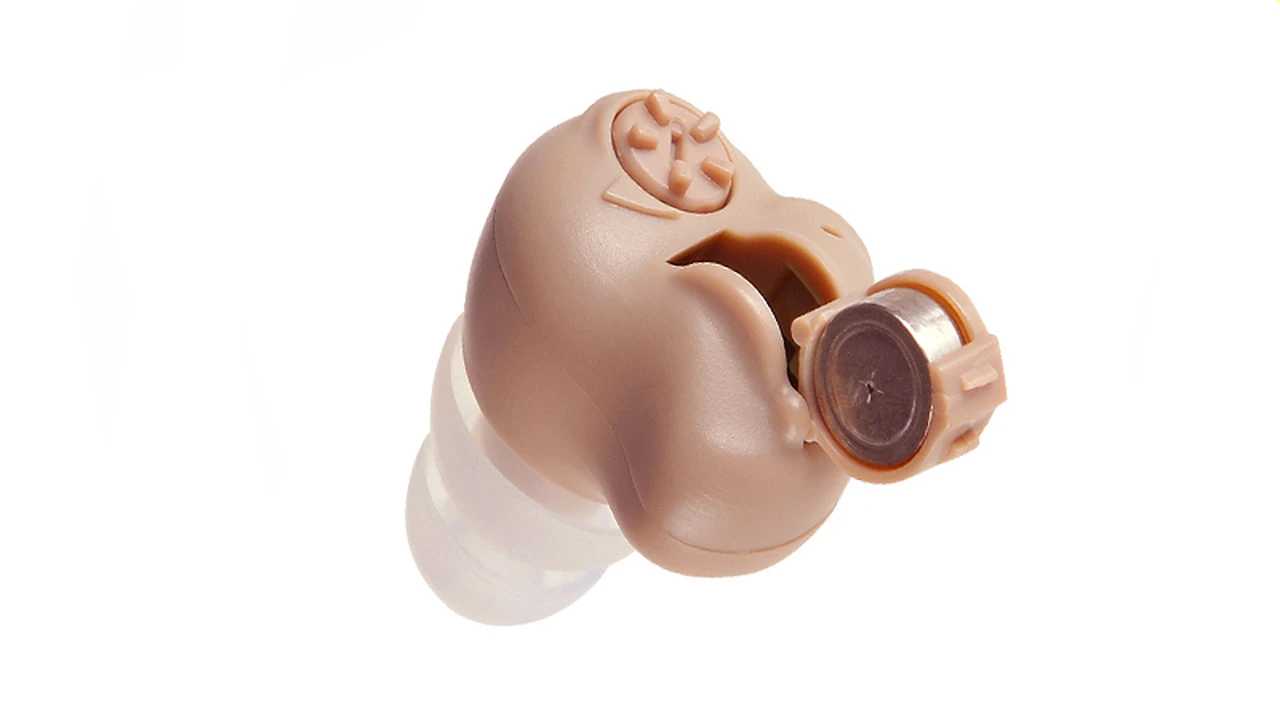
As technology continued to shrink, the 1960s and 70s brought about In-The-Ear (ITE) hearing aids, which fit entirely within the outer ear bowl. Further miniaturization led to In-The-Canal (ITC) and Completely-In-Canal (CIC) hearing aids in the 1980s. CICs, in particular, were a major breakthrough in discretion, fitting deep within the ear canal and becoming almost invisible. This was a huge psychological boost for many users who felt self-conscious about wearing visible hearing aids.
The Digital Age Programmable and Smart Hearing Aids
The late 20th and early 21st centuries ushered in the digital revolution, transforming hearing aids from analog amplifiers into sophisticated digital processors.
Digital Hearing Aids The Power of Processing
The first fully digital hearing aids appeared in the mid-1990s. This was a monumental leap. Digital processing allowed for much more precise sound amplification, noise reduction, and feedback cancellation. Audiologists could now program hearing aids to specific hearing loss profiles and adjust settings for different listening environments. This meant a much more personalized and effective hearing experience.
Receiver In Canal RIC and Open Fit Hearing Aids Comfort and Natural Sound
The 2000s saw the rise of Receiver-In-Canal (RIC) or Receiver-In-Ear (RIE) hearing aids. These are a variation of BTEs, but instead of a tube, a thin wire connects the main unit behind the ear to a tiny speaker (receiver) placed directly in the ear canal. This design offers several advantages: it's often smaller and more discreet than traditional BTEs, reduces occlusion (the feeling of being plugged up), and can provide a more natural sound quality, especially for high-frequency hearing loss. Many modern 'open-fit' hearing aids fall into this category, allowing natural sounds to enter the ear alongside amplified ones.
Modern Hearing Aids Connectivity and Intelligence
Today's hearing aids are marvels of engineering, integrating advanced technology to offer an unparalleled listening experience. They are no longer just amplifiers; they are smart devices designed to seamlessly integrate into our digital lives.
Bluetooth Connectivity and Smartphone Integration
One of the most significant advancements is Bluetooth connectivity. Modern hearing aids can directly stream audio from smartphones, tablets, and other Bluetooth-enabled devices. This means you can take phone calls, listen to music, podcasts, or even GPS directions directly through your hearing aids. Many devices also come with companion smartphone apps that allow users to adjust volume, change programs, and even personalize sound settings on the fly. This level of control and connectivity was unimaginable just a few decades ago.
Artificial Intelligence AI and Machine Learning
AI and machine learning are increasingly being incorporated into hearing aid design. These technologies allow hearing aids to analyze sound environments in real-time and automatically adjust settings for optimal clarity. For example, an AI-powered hearing aid can differentiate between speech and background noise, prioritizing speech in a crowded restaurant. Some even learn user preferences over time, adapting to individual listening needs and environments.
Rechargeable Batteries Convenience and Sustainability
The move towards rechargeable batteries has been a huge convenience factor. Gone are the days of constantly fumbling with tiny disposable batteries. Many modern hearing aids come with sleek charging cases, offering a full day's power on a single charge, and some even provide portable charging on the go. This not only simplifies maintenance but also reduces environmental waste.
Health Tracking and Fall Detection
Some of the latest hearing aids are even incorporating health tracking features. Equipped with sensors, they can monitor physical activity, track heart rate, and even detect falls, sending alerts to pre-selected contacts. This integration of health monitoring turns hearing aids into comprehensive wellness devices, particularly beneficial for older adults.
Language Translation and Advanced Features
The cutting edge of hearing aid technology includes features like real-time language translation, allowing users to understand conversations in different languages. While still emerging, these advancements hint at a future where hearing aids do much more than just amplify sound.
Comparing Modern Hearing Aid Types and Recommended Products
Let's look at some of the most popular modern hearing aid types and recommend a few products, considering different use cases and price points. Remember, prices are estimates and can vary significantly based on features, provider, and location.
1. Receiver-In-Canal RIC Hearing Aids The Versatile Choice
RICs are currently the most popular style due to their balance of discretion, comfort, and advanced features. They are suitable for mild to severe hearing loss.
- Use Cases: Ideal for almost anyone, especially those who want a discreet yet powerful device, and those with high-frequency hearing loss. Great for active individuals due to their secure fit.
- Pros: Discreet, natural sound quality, comfortable, often packed with features like Bluetooth and rechargeability.
- Cons: Receiver in the ear canal can be susceptible to wax buildup, slightly more visible than CICs.
Recommended RIC Products:
-
Phonak Lumity L90-R:
- Features: Excellent speech understanding in noise, universal Bluetooth connectivity (connects to virtually any Bluetooth device), rechargeable, tap control for calls and voice assistants, AI sound processing.
- Use Case: Social butterflies, professionals, music lovers. Anyone who values top-tier sound quality and seamless connectivity.
- Estimated Price: $3,000 - $7,000 per pair.
-
Oticon Real 1 miniRITE R:
- Features: BrainHearing technology for a more natural sound experience, advanced noise management, rechargeable, direct streaming from iPhone and Android.
- Use Case: Individuals seeking a natural sound experience, those who struggle with sudden loud sounds, and tech-savvy users.
- Estimated Price: $2,800 - $6,500 per pair.
-
Starkey Genesis AI RIC RT:
- Features: AI-powered sound processing, health tracking (steps, engagement), fall detection, rechargeable, excellent for speech in noise, remote adjustments.
- Use Case: Health-conscious individuals, those who want advanced AI features and a comprehensive wellness device.
- Estimated Price: $3,200 - $7,500 per pair.
2. Completely-In-Canal CIC Hearing Aids The Invisible Option
CICs are custom-made to fit entirely within the ear canal, making them virtually invisible. They are best for mild to moderately severe hearing loss.
- Use Cases: Individuals prioritizing discretion above all else, those with active lifestyles who want a secure fit.
- Pros: Extremely discreet, uses the ear's natural acoustics, secure fit.
- Cons: Smaller batteries (shorter battery life), no direct streaming or advanced features due to size, can be prone to wax buildup, not suitable for severe hearing loss.
Recommended CIC Products:
-
Resound OMNIA CIC:
- Features: Custom-made for a perfect fit, good sound quality for its size, often includes basic noise reduction.
- Use Case: Users who want maximum invisibility and have mild to moderate hearing loss.
- Estimated Price: $2,000 - $5,000 per pair.
-
Widex Moment CIC:
- Features: Known for its natural sound processing, custom fit, and discreet design.
- Use Case: Those who prioritize natural sound and discretion for mild to moderate hearing loss.
- Estimated Price: $2,200 - $5,500 per pair.
3. Behind-The-Ear BTE Hearing Aids Power and Durability
Traditional BTEs are larger and sit behind the ear, connecting to a custom earmold. They are suitable for all levels of hearing loss, including severe to profound.
- Use Cases: Individuals with severe to profound hearing loss, children, those who need robust and durable devices, or those with dexterity issues.
- Pros: Most powerful, longest battery life, durable, easier to handle, less prone to moisture damage in the ear canal.
- Cons: Most visible, can be less comfortable for some due to size.
Recommended BTE Products:
-
Phonak Naída Paradise P90-UP:
- Features: Ultra-power for severe to profound hearing loss, universal Bluetooth connectivity, rechargeable options, excellent sound quality.
- Use Case: Individuals with significant hearing loss who require maximum amplification and connectivity.
- Estimated Price: $3,000 - $7,000 per pair.
-
Oticon Xceed 1:
- Features: Designed specifically for severe to profound hearing loss, 360-degree sound experience, powerful amplification, direct streaming.
- Use Case: Users with profound hearing loss who need comprehensive sound access and robust features.
- Estimated Price: $2,900 - $6,800 per pair.
4. Over-The-Counter OTC Hearing Aids The Accessible Option
OTC hearing aids are a newer category, designed for adults with perceived mild to moderate hearing loss, available without a prescription or professional fitting. They are generally more affordable.
- Use Cases: First-time users with mild to moderate hearing loss, those on a budget, individuals who prefer a DIY approach.
- Pros: More affordable, readily available, no need for an audiologist visit.
- Cons: Less personalized fitting, may not be suitable for complex hearing loss, fewer advanced features than prescription devices.
Recommended OTC Products:
-
Jabra Enhance Plus:
- Features: Discreet earbud-style design, good sound quality for OTC, app-controlled adjustments, rechargeable.
- Use Case: Individuals with mild to moderate hearing loss who want a discreet, user-friendly, and affordable option.
- Estimated Price: $799 - $1,199 per pair.
-
Lexie B2 Powered by Bose:
- Features: Self-fitting technology, rechargeable, app control for personalization, good sound clarity.
- Use Case: Users comfortable with technology who want to self-manage their hearing aid settings.
- Estimated Price: $999 - $1,299 per pair.
The Future of Hearing Aid Design Innovation on the Horizon
The evolution of hearing aid design is far from over. We can expect even more exciting advancements in the coming years. Miniaturization will continue, potentially leading to truly invisible devices with even more power. AI and machine learning will become even more sophisticated, offering hyper-personalized sound experiences that adapt seamlessly to every environment. Integration with other smart devices, advanced health monitoring, and even brain-computer interfaces are all possibilities on the horizon. The goal remains the same: to provide the most natural, effortless, and connected hearing experience possible, empowering individuals to live their lives to the fullest.
Choosing the right hearing aid is a personal journey, and while technology has made incredible strides, consulting with a qualified audiologist remains crucial. They can accurately diagnose your hearing loss, recommend the most suitable device for your specific needs and lifestyle, and ensure proper fitting and programming. The journey from a simple ear trumpet to a smart, connected hearing device is a testament to human ingenuity and the relentless pursuit of better hearing for all.
:max_bytes(150000):strip_icc()/277019-baked-pork-chops-with-cream-of-mushroom-soup-DDMFS-beauty-4x3-BG-7505-5762b731cf30447d9cbbbbbf387beafa.jpg)