The Benefits of Wearing Hearing Aids Daily
Discover the numerous advantages of consistent hearing aid use, including improved communication, reduced cognitive decline risk, and enhanced quality of life.
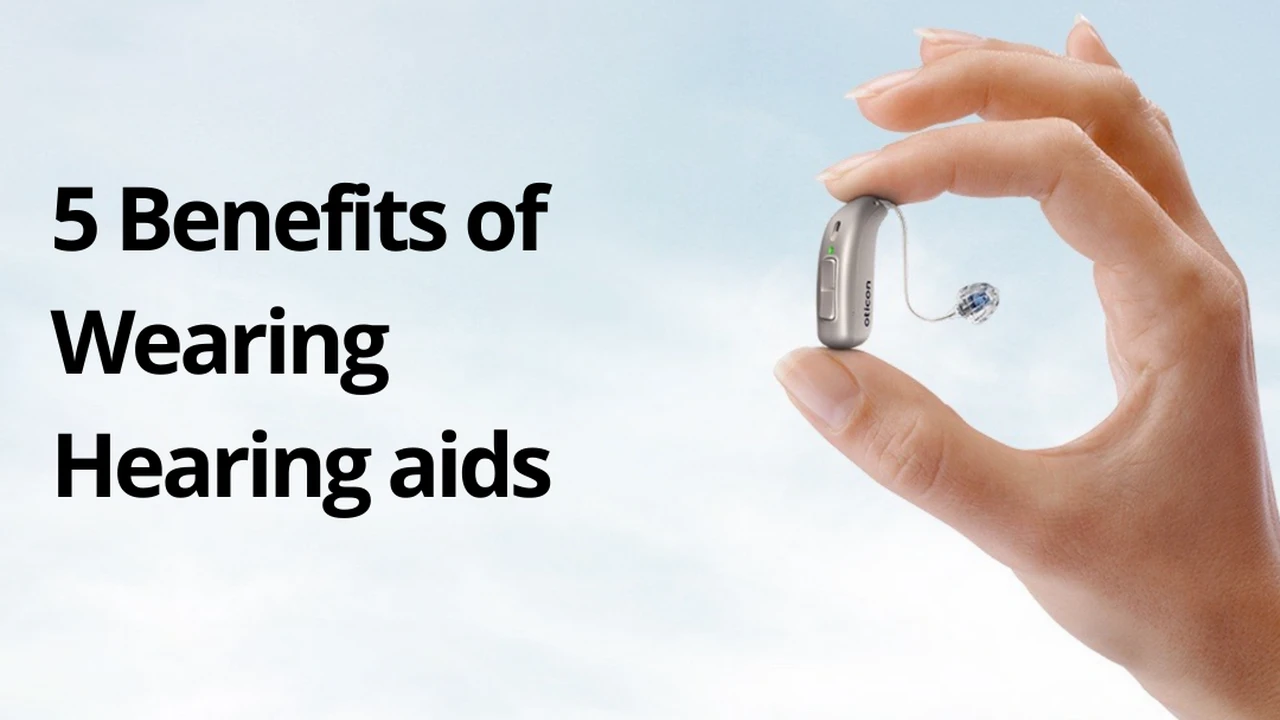
The Benefits of Wearing Hearing Aids Daily
Discover the numerous advantages of consistent hearing aid use, including improved communication, reduced cognitive decline risk, and enhanced quality of life.
Hey there! Let's chat about something super important for anyone experiencing hearing loss: wearing your hearing aids every single day. It might seem like a no-brainer, but you'd be surprised how many people get their shiny new devices and then only use them for special occasions. Or worse, they leave them in a drawer because they're still getting used to them. But here's the thing: consistent use isn't just a recommendation; it's a game-changer for your brain, your relationships, and your overall well-being. Think of it like wearing glasses if you have vision problems – you wouldn't just wear them to read, right? Your ears and brain need that constant stimulation to function at their best.
We're going to dive deep into why daily hearing aid use is so crucial. We'll cover everything from boosting your communication skills to protecting your cognitive health, and even how it can make your life just plain better. Plus, we'll touch on some fantastic hearing aid models that excel in different scenarios, helping you understand what to look for if you're in the market or considering an upgrade. So, let's get started and unlock the full potential of your hearing!
Improved Communication and Social Engagement with Daily Hearing Aid Use
One of the most immediate and obvious benefits of wearing hearing aids consistently is a dramatic improvement in your ability to communicate. When you can hear clearly, conversations become less of a chore and more of a joy. Imagine being able to follow group discussions at a family dinner, catch every word during a work meeting, or simply enjoy a chat with a friend over coffee without constantly asking, 'What did you say?'
Untreated hearing loss often leads to social withdrawal. It's exhausting to constantly strain to hear, and the fear of misunderstanding or responding inappropriately can make people avoid social situations altogether. This isn't just about missing out on fun; it can lead to feelings of isolation and loneliness. Daily hearing aid use breaks down these barriers. It empowers you to participate fully, engage confidently, and reconnect with the world around you. You'll find yourself more willing to go out, meet new people, and enjoy activities you might have previously avoided.
Think about it: when you're not constantly struggling to hear, your brain has more energy to focus on the content of the conversation, the nuances of tone, and the emotional context. This leads to richer, more meaningful interactions. It's not just about hearing louder; it's about hearing better, with clarity and understanding.
Reduced Cognitive Decline Risk The Brain Hearing Connection
This is a big one, and it's a benefit that often surprises people. There's a growing body of research that strongly links untreated hearing loss to an increased risk of cognitive decline, including dementia. When your brain isn't receiving the auditory stimulation it needs, it can actually start to reorganize itself, and not always in a good way. It works harder to try and make sense of incomplete sound information, diverting resources that could be used for other cognitive functions like memory and problem-solving.
Wearing hearing aids daily provides that consistent auditory input, keeping your brain active and engaged. It helps to maintain the neural pathways associated with hearing and processing sound, which in turn supports overall brain health. It's like exercise for your brain! Studies have shown that individuals who treat their hearing loss with hearing aids can significantly reduce their risk of cognitive decline compared to those who don't. This isn't a cure for dementia, but it's a powerful preventative measure that you have control over.
So, by simply wearing your hearing aids every day, you're not just improving your immediate hearing; you're making a long-term investment in your brain health and potentially preserving your cognitive abilities for years to come. It's a proactive step towards a healthier, sharper you.
Enhanced Quality of Life Beyond Just Hearing Better
The benefits of daily hearing aid use extend far beyond just hearing sounds. They contribute to a significantly enhanced quality of life in numerous ways. Imagine feeling more confident, less stressed, and generally happier. That's what consistent hearing aid use can do.
Improved Safety and Awareness with Consistent Hearing Aid Use
Being able to hear clearly makes you more aware of your surroundings. This is crucial for safety. Think about hearing a car horn, a fire alarm, a bicycle bell, or someone calling your name from behind. These are everyday sounds that keep us safe, and hearing aids ensure you don't miss them. This increased awareness can reduce the risk of accidents and give you greater peace of mind, whether you're walking down a busy street or just at home.
Reduced Listening Fatigue and Stress with Daily Hearing Aids
Constantly straining to hear is incredibly tiring. It drains your mental energy, leading to what's known as 'listening fatigue.' This fatigue can manifest as irritability, stress, and even headaches. When you wear hearing aids consistently, your brain doesn't have to work as hard. The sounds are amplified and clarified, making listening effortless. This reduction in listening fatigue means you'll have more energy for other activities, feel less stressed, and generally enjoy your day more.
Better Emotional Well-being and Mental Health with Hearing Aids
As mentioned earlier, untreated hearing loss can lead to social isolation, which is a major risk factor for depression and anxiety. By facilitating better communication and social engagement, hearing aids help combat these negative emotions. Reconnecting with loved ones, participating in hobbies, and feeling more in control of your environment can significantly boost your mood and overall mental health. You'll feel more connected, more valued, and more like yourself.
Increased Independence and Confidence with Hearing Aids
When you can hear well, you feel more independent. You can handle appointments, run errands, and navigate public spaces with greater confidence. This sense of autonomy is incredibly empowering. You're less reliant on others to interpret for you, and you can take charge of your own experiences. This newfound confidence can spill over into all areas of your life, from personal relationships to professional endeavors.
Getting Used to Your Hearing Aids The Adaptation Period
It's totally normal for there to be an adjustment period when you first start wearing hearing aids, or even when you upgrade to a new pair. Your brain needs time to re-learn how to process sounds it hasn't heard clearly in a while, or to adapt to new sound processing technologies. Everything might sound a bit loud or artificial at first, and that's okay! This is why consistent, daily use is so important during this phase.
Think of it like learning to ride a bike. You don't just hop on and go perfectly on day one. You practice, you fall, you get back up, and eventually, it becomes second nature. The same goes for hearing aids. The more you wear them, the faster your brain adapts, and the more natural sounds will become. Start in quiet environments, gradually introduce them to noisier situations, and be patient with yourself. Your audiologist is your best friend during this period – don't hesitate to reach out with any questions or concerns.
Top Hearing Aid Models for Consistent Daily Use and Enhanced Living
When it comes to choosing hearing aids for daily, consistent use, you want devices that offer comfort, reliability, excellent sound quality, and features that enhance your everyday life. Here are a few top contenders that excel in these areas, along with their typical use cases and approximate price ranges. Keep in mind that prices can vary significantly based on technology level, provider, and location.
Phonak Paradise Series Ideal for Active Lifestyles and Connectivity
The Phonak Audeo Paradise series (including the P90, P70, P50, P30 models) is a fantastic choice for daily wear, especially if you lead an active lifestyle and value seamless connectivity. These are Receiver-In-Canal (RIC) style hearing aids, known for their comfort and discreet design.
- Key Features: Exceptional sound quality with 'Speech Enhancer' for soft speech, 'Dynamic Noise Cancellation' for noisy environments, and universal Bluetooth connectivity. This means they can connect directly to almost any Bluetooth-enabled device – iOS, Android, laptops, smart TVs – for streaming calls, music, and podcasts. They also offer tap control for answering calls or pausing streaming.
- Use Cases: Perfect for professionals who need clear communication in meetings, social butterflies who frequent restaurants and gatherings, and anyone who loves streaming audio directly to their ears. Their robust design also makes them suitable for moderately active individuals.
- Comparison: Compared to older models, Paradise offers significantly improved sound processing and connectivity. They are often lauded for their natural sound experience.
- Approximate Price Range: $2,500 - $7,000 per pair, depending on the technology level (P30 being entry-level, P90 being premium).
Oticon More Series For Brain-Friendly Sound Processing
The Oticon More (More1, More2, More3) is another excellent RIC option, particularly known for its unique 'MoreSound Intelligence' and 'Deep Neural Network' (DNN) technology. Oticon focuses on providing the brain with a more complete soundscape, rather than just focusing on speech in front.
- Key Features: The DNN is trained on 12 million real-life sound scenes, allowing the hearing aid to process sounds more naturally and provide access to all relevant sounds, not just speech. This 'open sound experience' aims to reduce listening effort. They also offer direct streaming from iPhone and select Android devices, and rechargeable options.
- Use Cases: Great for individuals who want a rich, natural sound experience and struggle with understanding speech in complex, dynamic environments. Ideal for those who appreciate a more holistic approach to hearing.
- Comparison: While Phonak focuses on isolating speech, Oticon aims to give your brain more information to work with, allowing it to choose what to focus on. This can be a more natural experience for some users.
- Approximate Price Range: $2,800 - $7,500 per pair, depending on the technology level.
Starkey Evolv AI Series For Personalized AI-Powered Performance
The Starkey Evolv AI series stands out with its integrated artificial intelligence, offering highly personalized sound adjustments and health tracking features. These are available in various styles, including discreet custom In-The-Ear (ITE) and Invisible-In-Canal (IIC) options, as well as RIC.
- Key Features: 'Edge Mode' uses AI to instantly optimize sound for challenging listening environments with a tap. They offer superior sound quality, fall detection, and activity tracking (steps, engagement). The custom-fit options are incredibly discreet.
- Use Cases: Excellent for tech-savvy users who appreciate advanced features and personalization. The health tracking aspects are a bonus for those focused on overall well-being. The custom models are perfect for individuals prioritizing discretion.
- Comparison: Starkey's AI integration is a key differentiator, offering on-demand sound optimization and unique health features not found in all other brands.
- Approximate Price Range: $2,700 - $7,200 per pair, varying by style and technology level.
ReSound ONE Series For Natural Sound Localization
The ReSound ONE series (including 9, 7, 5 models) is notable for its M&RIE (Microphone & Receiver-In-Ear) design, which places an additional microphone directly in the ear canal. This aims to use the natural shape of your ear to collect sound, improving sound localization and a more natural hearing experience.
- Key Features: M&RIE technology for natural sound perception and localization, excellent speech clarity, and direct streaming from iOS and Android devices. They also offer advanced noise reduction and a comfortable fit.
- Use Cases: Ideal for users who struggle with pinpointing where sounds are coming from, or who desire a very natural, uncolored sound experience. Great for outdoor activities where spatial awareness is important.
- Comparison: The M&RIE design is unique to ReSound and offers a distinct advantage in natural sound localization compared to traditional RIC designs.
- Approximate Price Range: $2,600 - $7,000 per pair, depending on the technology level.
Widex Moment Series For Pure, Instant Sound
The Widex Moment series (including 440, 330, 220, 110 models) is celebrated for its 'PureSound' technology, which aims to eliminate the delay in sound processing that can make amplified sound feel artificial. This results in a very natural, 'in-the-moment' sound experience.
- Key Features: PureSound with ZeroDelay technology for a natural sound experience, excellent for music appreciation, and discreet design options. They also offer rechargeable models and direct streaming.
- Use Cases: Perfect for individuals who are sensitive to the artificial sound often associated with hearing aids, and those who prioritize a very natural, high-fidelity listening experience, especially for music.
- Comparison: Widex's focus on eliminating processing delay sets it apart, offering a sound quality that many users describe as exceptionally clear and natural.
- Approximate Price Range: $2,400 - $6,800 per pair, depending on the technology level.
Making the Most of Your Daily Hearing Aid Experience
To truly reap all these amazing benefits, consistency is key. Here are a few tips to help you make daily hearing aid use a seamless part of your routine:
- Start Gradually: If you're new to hearing aids, don't feel pressured to wear them all day, every day, right from the start. Begin with a few hours a day in quiet environments and slowly increase your wearing time as you adapt.
- Establish a Routine: Make putting on your hearing aids part of your morning ritual, just like brushing your teeth. Take them out before bed. This consistency helps your brain adapt faster.
- Clean Them Daily: A quick daily clean with a soft cloth and brush (provided by your audiologist) keeps them performing their best and prevents discomfort.
- Charge or Change Batteries Regularly: Don't let dead batteries interrupt your day. If you have rechargeable aids, charge them every night. If you use disposable batteries, keep spares handy.
- Attend Follow-Up Appointments: Your audiologist is crucial for fine-tuning your devices. Regular adjustments ensure your hearing aids are optimized for your specific hearing loss and lifestyle.
- Be Patient and Persistent: Adaptation takes time. There will be days when sounds feel overwhelming or you get frustrated. Stick with it! The long-term benefits are absolutely worth the initial effort.
- Communicate with Your Audiologist: If you're experiencing discomfort, feedback, or if sounds just don't seem right, don't suffer in silence. Your audiologist can make adjustments or offer solutions.
- Use Accessories: Explore accessories like remote microphones (e.g., Phonak PartnerMic, Oticon ConnectClip) for challenging listening situations, or TV streamers for better audio from your television. These can significantly enhance your daily experience.
Remember, your hearing aids are an investment in your health and happiness. By wearing them consistently and taking good care of them, you're not just treating hearing loss; you're enhancing your life in countless ways. So, put them in, keep them in, and enjoy the richer, fuller world of sound!
:max_bytes(150000):strip_icc()/277019-baked-pork-chops-with-cream-of-mushroom-soup-DDMFS-beauty-4x3-BG-7505-5762b731cf30447d9cbbbbbf387beafa.jpg)