Over The Counter vs Prescription Hearing Aids
Compare OTC and prescription hearing aids. Understand the differences in features, fitting, and cost to decide which option is right for your needs.
Compare OTC and prescription hearing aids. Understand the differences in features, fitting, and cost to decide which option is right for your needs.
Over The Counter vs Prescription Hearing Aids Your Comprehensive Guide
Navigating the world of hearing aids can feel a bit like deciphering a complex map, especially with the recent introduction of Over-The-Counter (OTC) options. For years, if you suspected you had hearing loss, your journey almost always began with an audiologist, leading to a prescription hearing aid. However, the landscape has changed dramatically, offering more choices and, frankly, more questions. This comprehensive guide aims to demystify the differences between OTC and prescription hearing aids, helping you understand which path might be best for your unique hearing needs, lifestyle, and budget. We'll dive deep into their features, fitting processes, costs, and even recommend some specific products to give you a clearer picture.
Understanding Over The Counter OTC Hearing Aids What You Need to Know
OTC hearing aids are a relatively new category, designed for adults aged 18 and older with perceived mild to moderate hearing loss. The key differentiator here is accessibility: you can purchase them directly from stores or online without needing a medical exam, a prescription, or a professional fitting by an audiologist. This makes them a more convenient and often more affordable option for many. Think of them like reading glasses you buy off the shelf – they're designed to help a common problem without requiring a specialist's intervention.
Key Characteristics of OTC Hearing Aids
- Accessibility: Available directly from retailers, pharmacies, and online.
- Target Audience: Adults (18+) with perceived mild to moderate hearing loss.
- No Professional Fitting Required: Designed for self-fitting and user adjustments.
- Cost: Generally more affordable than prescription hearing aids.
- Technology: While improving rapidly, they typically offer fewer advanced features compared to high-end prescription models.
- Support: Limited professional support; relies heavily on user manuals and manufacturer customer service.
When Might OTC Hearing Aids Be a Good Fit For You
OTC hearing aids are ideal if you:
- Are confident your hearing loss is mild to moderate.
- Are comfortable with technology and self-adjusting devices.
- Are looking for a more budget-friendly solution.
- Prefer a quick and convenient purchasing process.
- Experience difficulty hearing in specific situations, like one-on-one conversations or watching TV, but generally manage well in quieter environments.
Recommended OTC Hearing Aid Products and Their Features
The OTC market is booming, with new products constantly emerging. Here are a few notable examples that showcase the range of features and price points:
Jabra Enhance Plus
- Type: Earbud-style, discreet.
- Target User: Individuals seeking a blend of hearing enhancement and traditional earbud functionality.
- Key Features: Combines hearing enhancement with music streaming and phone calls. Features advanced noise reduction and directional microphones. Controlled via a smartphone app for personalized settings. Rechargeable.
- Use Case: Excellent for social gatherings, watching TV, and light outdoor activities where you also want to stream audio.
- Estimated Price: Around $799 - $999 per pair.
- Comparison: Offers a more integrated tech experience than basic OTC models, bridging the gap between hearing aid and personal audio device.
Lexie B2 Powered by Bose
- Type: Receiver-in-canal (RIC) style, very common and discreet.
- Target User: Those looking for a more traditional hearing aid form factor with reputable sound technology.
- Key Features: Powered by Bose's renowned audio technology, offering clear sound and noise reduction. Self-fitting through a user-friendly app. Rechargeable.
- Use Case: Good for everyday listening environments, from quiet conversations to moderately noisy restaurants.
- Estimated Price: Around $999 - $1099 per pair.
- Comparison: A strong contender for sound quality in the OTC space, leveraging Bose's expertise. Offers a more traditional hearing aid feel than earbud styles.
Sony CRE-C10
- Type: Completely-in-canal (CIC) style, very discreet.
- Target User: Individuals prioritizing extreme discretion and ease of use.
- Key Features: One of the smallest OTC options, almost invisible. Simple setup via a smartphone app. Uses disposable batteries (size 10).
- Use Case: Ideal for those who want their hearing aid to be as unnoticeable as possible, suitable for daily wear in various environments.
- Estimated Price: Around $999 - $1299 per pair.
- Comparison: Stands out for its tiny size and simplicity. While discreet, the small size means smaller batteries and potentially fewer advanced features than larger RIC models.
Eargo 7
- Type: Completely-in-canal (CIC) style, virtually invisible.
- Target User: Those seeking a highly discreet, rechargeable, and innovative OTC solution.
- Key Features: Virtually invisible, rechargeable, and comes with a portable charging case. Features Sound Adjust technology for automatic sound environment adaptation. Offers remote support from Eargo's licensed hearing professionals.
- Use Case: Excellent for individuals who want discretion and convenience, suitable for a wide range of daily activities.
- Estimated Price: Around $2950 per pair.
- Comparison: While pricier for an OTC, Eargo offers a premium, rechargeable, and highly discreet experience with a level of remote professional support that blurs the line between OTC and traditional.
Exploring Prescription Hearing Aids The Professional Advantage
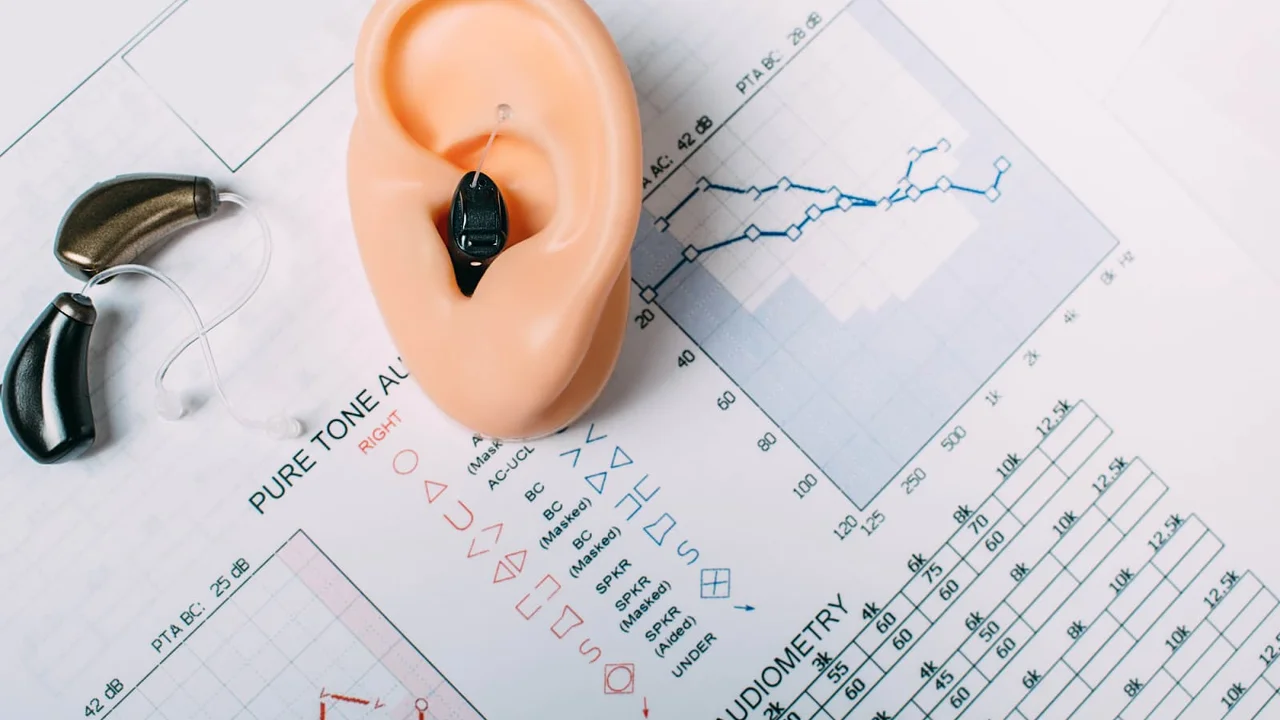
Prescription hearing aids, also known as traditional or professionally fitted hearing aids, are dispensed by licensed hearing care professionals (audiologists or hearing instrument specialists) after a comprehensive hearing evaluation. These devices are custom-programmed and fitted to your specific hearing loss profile, which is determined by your audiogram. This personalized approach ensures optimal performance and addresses more complex hearing needs.
Key Characteristics of Prescription Hearing Aids
- Professional Assessment: Requires a comprehensive hearing exam and diagnosis by an audiologist.
- Target Audience: Suitable for all degrees of hearing loss (mild to profound), including complex cases.
- Custom Fitting and Programming: Individually programmed and adjusted by a professional to match your unique hearing loss.
- Cost: Generally more expensive due to professional services, advanced technology, and ongoing support.
- Technology: Access to the most advanced features, including sophisticated noise reduction, speech enhancement, connectivity, and personalization options.
- Support: Includes ongoing professional support, adjustments, maintenance, and counseling.
When Are Prescription Hearing Aids the Right Choice For You
Prescription hearing aids are typically recommended if you:
- Have moderate to profound hearing loss, or a more complex type of hearing loss.
- Prefer a personalized fitting and ongoing professional support.
- Are looking for the most advanced features and best possible sound quality.
- Have specific listening challenges that require fine-tuning and specialized programming.
- Want peace of mind knowing your devices are expertly managed and maintained.
Leading Prescription Hearing Aid Brands and Their Offerings
The prescription hearing aid market is dominated by a few major manufacturers known for their innovation and quality. Here are some of the top brands and what they offer:
Phonak Lumity Series
- Type: Available in various styles including RIC (Receiver-in-Canal) and BTE (Behind-the-Ear).
- Target User: Individuals seeking exceptional speech understanding in noisy environments and seamless connectivity.
- Key Features: Known for its 'SmartSpeech Technology' which significantly enhances speech clarity, especially in challenging listening situations. Excellent Bluetooth connectivity for direct streaming to iOS and Android devices. Rechargeable options available. Features like 'StereoZoom 2.0' and 'SpeechSensor' automatically adapt to focus on speech from various directions.
- Use Case: Ideal for active individuals who frequently find themselves in dynamic and noisy social settings, business meetings, or public spaces.
- Estimated Price: Typically ranges from $2,500 - $7,000+ per aid, depending on technology level and provider.
- Comparison: Often lauded for its robust connectivity and superior performance in noise, making it a top choice for those prioritizing speech understanding.
Oticon More
- Type: Primarily RIC (Receiver-in-Canal) style.
- Target User: Those who desire a more natural sound experience, allowing the brain to process a fuller soundscape.
- Key Features: Utilizes a 'Deep Neural Network' (DNN) to process sound, trained with 12 million real-life sound scenes. This allows the hearing aid to provide access to all relevant sounds, not just focus on speech from the front. Rechargeable. Direct streaming from iOS and select Android devices.
- Use Case: Great for individuals who want to feel more connected to their environment and appreciate a rich, detailed sound experience, even in complex soundscapes.
- Estimated Price: Typically ranges from $2,500 - $6,500+ per aid.
- Comparison: Oticon's unique 'BrainHearing' philosophy sets it apart, focusing on supporting the brain's natural way of hearing rather than simply amplifying sounds.
ReSound OMNIA
- Type: Available in RIC, BTE, and custom ITE (In-The-Ear) styles.
- Target User: Individuals looking for excellent speech clarity, especially in noisy environments, and robust connectivity.
- Key Features: Focuses on '360-degree sound' with advanced noise reduction and speech clarity features. Offers 'Ultra Focus' for one-on-one conversations in very noisy places. Excellent for music streaming and phone calls with MFi (Made for iPhone) and ASHA (Audio Streaming for Hearing Aids) compatibility. Rechargeable options.
- Use Case: Perfect for social butterflies, music lovers, and professionals who need reliable performance in diverse listening situations.
- Estimated Price: Typically ranges from $2,000 - $6,000+ per aid.
- Comparison: ReSound is known for its natural sound quality and strong connectivity, particularly for streaming. The OMNIA series builds on this with enhanced speech understanding.
Starkey Genesis AI
- Type: Available in various styles, including RIC, BTE, and custom ITE/ITC.
- Target User: Tech-savvy individuals seeking advanced AI features, health tracking, and superior sound quality.
- Key Features: Incorporates artificial intelligence for personalized sound adjustments and health tracking (steps, engagement). Offers 'Edge Mode+' for on-demand sound optimization in challenging environments. Features fall detection and translation capabilities. Rechargeable.
- Use Case: Ideal for those who want their hearing aids to do more than just amplify sound, integrating health and wellness features into their daily lives.
- Estimated Price: Typically ranges from $2,800 - $7,500+ per aid.
- Comparison: Starkey stands out with its comprehensive AI features, making it a strong choice for users interested in smart technology and health monitoring alongside hearing enhancement.
Key Differences and Comparison Points OTC vs Prescription Hearing Aids
To help you make an informed decision, let's break down the core differences across several critical aspects:
Hearing Loss Severity and Suitability
- OTC: Best for perceived mild to moderate hearing loss. If you struggle to hear in quiet environments, or if voices sound muffled even when close, you might be in this category.
- Prescription: Suitable for all degrees of hearing loss, from mild to profound, and for complex cases like asymmetrical hearing loss or specific frequency losses. An audiologist can accurately diagnose and address these.
Professional Involvement and Fitting Process
- OTC: Minimal to no professional involvement. You purchase, fit, and adjust them yourself, often with the help of a smartphone app. Some manufacturers offer remote support.
- Prescription: Requires a comprehensive hearing evaluation, diagnosis, and custom fitting by a licensed audiologist. They will program the devices precisely to your audiogram, conduct real-ear measurements, and provide ongoing adjustments and counseling.
Technology and Features
- OTC: Technology is rapidly advancing, offering features like noise reduction, directional microphones, and Bluetooth connectivity. However, they generally don't have the same level of sophistication or customization as high-end prescription models.
- Prescription: Access to the most advanced technology, including highly sophisticated noise cancellation, artificial intelligence, machine learning, advanced speech enhancement, tinnitus masking, telecoil, and a wider range of connectivity options. These devices can be fine-tuned to an incredibly precise degree.
Cost and Value
- OTC: Generally more affordable, ranging from a few hundred to around $3,000 per pair. The cost typically covers the device itself, with limited or no professional services included.
- Prescription: More expensive, typically ranging from $2,000 to $8,000+ per aid. This cost usually includes the device, the audiologist's professional fees for testing, fitting, programming, follow-up appointments, and often a warranty period with repairs and loss/damage coverage.
Ongoing Support and Maintenance
- OTC: Support is primarily through manufacturer customer service, online resources, and self-troubleshooting.
- Prescription: Comprehensive ongoing support from your audiologist, including regular cleaning, adjustments, repairs, and counseling on how to get the most out of your devices. This long-term relationship is a significant part of the value.
Trial Periods and Return Policies
- OTC: Most reputable OTC brands offer a trial period (e.g., 30-45 days) with a money-back guarantee, allowing you to test them out.
- Prescription: Regulated by state laws, most audiologists offer a trial period (often 30-60 days) during which you can return the hearing aids for a refund, though a small fitting fee might be retained.
Making Your Decision Which Hearing Aid Path is Right For You
Choosing between OTC and prescription hearing aids isn't a one-size-fits-all decision. It depends heavily on your individual circumstances. Here's a framework to help you decide:
Consider OTC If
- You are an adult (18+) and suspect your hearing loss is mild to moderate.
- You are comfortable with technology and willing to self-fit and adjust your devices using a smartphone app.
- Your primary concern is affordability and convenience.
- You experience hearing difficulties mainly in specific, less complex situations (e.g., one-on-one conversations, watching TV).
- You do not have any red flags for more serious ear conditions (e.g., sudden hearing loss, pain, discharge, dizziness).
Opt For Prescription If
- You have moderate to profound hearing loss, or your hearing loss is complex (e.g., asymmetrical, fluctuating).
- You prefer a personalized, expert fitting and ongoing professional care.
- You want access to the most advanced hearing aid technology and features.
- You have specific listening challenges in very noisy environments that require precise fine-tuning.
- You value the long-term relationship and support from a hearing care professional.
- You have any medical concerns related to your ears or hearing.
The Importance of a Hearing Test Regardless of Choice
Even if you lean towards OTC hearing aids, getting a professional hearing test is highly recommended. An audiologist can accurately diagnose the type and degree of your hearing loss, rule out any underlying medical conditions, and provide valuable insights. This information can help you make a more informed decision about whether OTC devices are truly appropriate for your specific needs, or if a prescription solution would be more beneficial.
Ultimately, both OTC and prescription hearing aids serve the same goal: to improve your hearing and quality of life. The best choice is the one that aligns with your hearing needs, comfort level with technology, budget, and desire for professional support. Don't hesitate to consult with a hearing care professional to discuss all your options and ensure you're making the best decision for your unique journey to better hearing.
:max_bytes(150000):strip_icc()/277019-baked-pork-chops-with-cream-of-mushroom-soup-DDMFS-beauty-4x3-BG-7505-5762b731cf30447d9cbbbbbf387beafa.jpg)