How Much Do Hearing Aids Cost A Detailed Breakdown
Get a detailed breakdown of hearing aid costs. Understand factors influencing price, from technology levels to professional services, for informed budgeting.
Get a detailed breakdown of hearing aid costs. Understand factors influencing price, from technology levels to professional services, for informed budgeting.
How Much Do Hearing Aids Cost A Detailed Breakdown
Hey there! So, you're looking into hearing aids, and one of the first questions that pops into everyone's mind is, 'How much are these things going to set me back?' It's a totally valid question, and honestly, the answer isn't always straightforward. Hearing aid prices can vary a lot, from a few hundred dollars to several thousands per device. It's not just about the device itself; there are a bunch of other factors that play into the final cost. Let's break it all down so you can get a clearer picture and make an informed decision without any nasty surprises.
Understanding Hearing Aid Pricing Tiers and Technology Levels
Think of hearing aids like smartphones or cars – they come in different tiers based on their technology and features. Generally, you'll find three main categories: entry-level, mid-range, and premium. Each tier offers different levels of sophistication and performance, which directly impacts the price.
Entry Level Hearing Aids Basic Functionality
These are your most affordable options, typically ranging from $1,000 to $2,500 per device. Entry-level hearing aids are great for people with mild to moderate hearing loss who spend most of their time in quiet environments. They offer basic amplification and some noise reduction, but they might struggle in more complex listening situations like a busy restaurant or a crowded party. They usually have fewer channels for sound processing and less advanced features.
Mid Range Hearing Aids Enhanced Features
Stepping up a bit, mid-range hearing aids usually cost between $2,500 and $4,000 per device. These are a popular choice because they offer a good balance between cost and performance. They come with more advanced features like better noise reduction, directional microphones, and sometimes even basic Bluetooth connectivity. If you have an active lifestyle and find yourself in moderately noisy environments regularly, a mid-range option could be a great fit for you.
Premium Hearing Aids Top Tier Performance
At the top end, premium hearing aids can range from $4,000 to $7,000 or even more per device. These are packed with the latest and greatest technology. We're talking about sophisticated artificial intelligence (AI), advanced sound processing that adapts seamlessly to various environments, superior noise cancellation, and full Bluetooth connectivity for streaming calls and music. They're designed for individuals with demanding listening needs, who frequently navigate complex and noisy environments, and want the absolute best in sound quality and features. They often include advanced personalization options and remote adjustments.
Factors Influencing Hearing Aid Costs Beyond the Device
It's not just the hearing aid itself that you're paying for. A significant portion of the cost covers the professional services that are absolutely crucial for a successful hearing aid experience. These services ensure your hearing aids are properly fitted, programmed, and maintained.
Professional Services The Audiologist's Role
When you buy hearing aids from an audiologist or hearing care professional, the price typically includes a comprehensive package of services. This is where a lot of the value lies. These services often include:
- Comprehensive Hearing Evaluation: A thorough assessment of your hearing loss, which is essential for proper diagnosis and fitting.
- Hearing Aid Fitting and Programming: This isn't a one-size-fits-all deal. Your audiologist will custom-fit and program the devices specifically for your unique hearing loss and listening preferences. This often involves multiple appointments.
- Follow-Up Appointments and Adjustments: It takes time to get used to hearing aids, and your hearing needs might change. Most packages include several follow-up visits for fine-tuning and adjustments to ensure optimal performance and comfort.
- Cleaning and Maintenance: Regular cleaning and maintenance are vital for the longevity of your devices. Many providers include these services for a certain period.
- Warranty and Loss and Damage Coverage: Most hearing aids come with a manufacturer's warranty, typically for 1-3 years, covering repairs. Some packages also include a one-time loss and damage replacement, which can be a lifesaver.
These professional services can add anywhere from $1,000 to $3,000 to the overall cost, but they are incredibly important. Skipping these can lead to poorly fitted devices, discomfort, and ultimately, a less effective hearing solution.
Type of Hearing Aid Style Matters
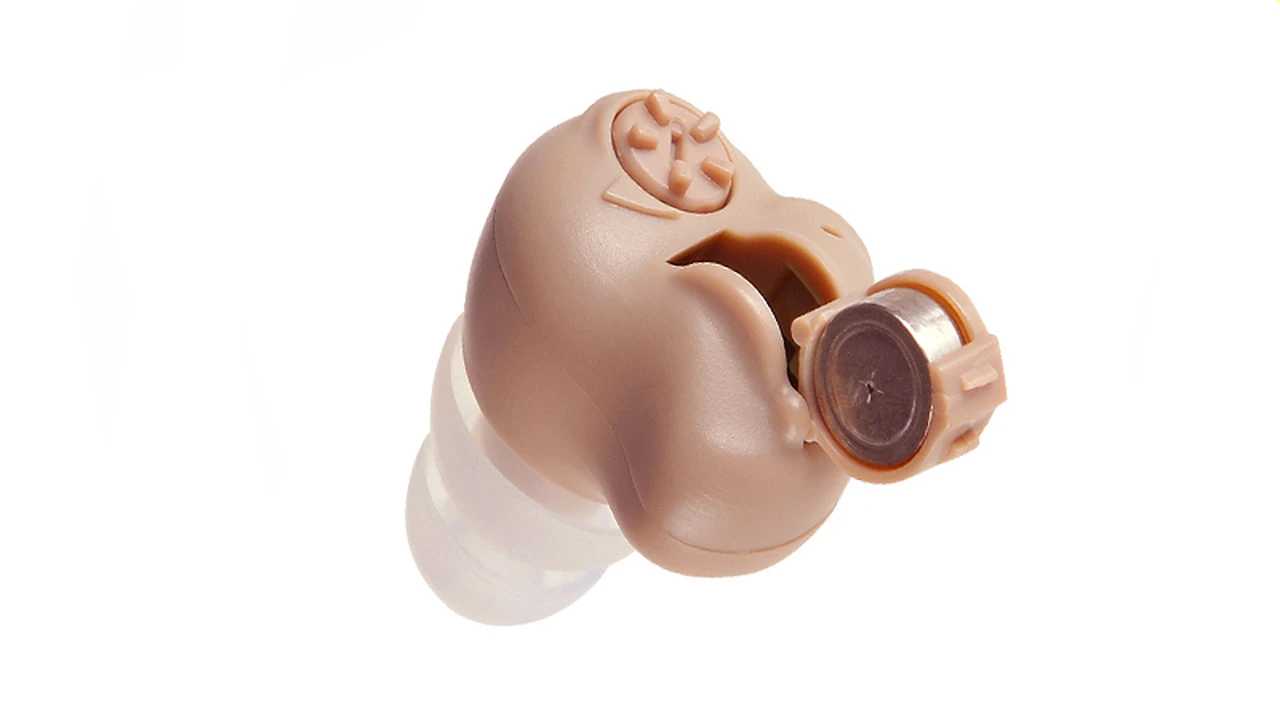
The style of the hearing aid can also influence the price. Generally, smaller, more discreet models like Completely-in-Canal (CIC) or Invisible-in-Canal (IIC) tend to be more expensive due to the advanced miniaturization required. Behind-the-Ear (BTE) and Receiver-in-Canal (RIC) models, while still offering advanced features, might be slightly less costly in comparison, depending on the technology level.
Brand and Manufacturer Reputation
Just like with any other product, some brands are considered premium and might carry a higher price tag. Brands like Phonak, Oticon, Starkey, ReSound, and Signia are well-known for their innovation and quality, and their top-tier models often reflect that in the price. However, many reputable brands offer excellent devices across all price points.
Geographic Location and Provider
Where you live can also affect the price. Costs for professional services and overhead can vary by region. Additionally, independent audiologists might have different pricing structures compared to larger retail chains.
Recommended Hearing Aid Products and Scenarios
Let's talk about some specific products and how they might fit different needs and budgets. Keep in mind that these are just examples, and the best hearing aid for you will depend on your specific hearing loss, lifestyle, and preferences.
For the Budget Conscious and Quiet Lifestyles Entry Level Options
If you're looking for a solid, no-frills option for mostly quiet environments, entry-level devices are a great starting point. They focus on clear sound amplification and basic noise reduction.
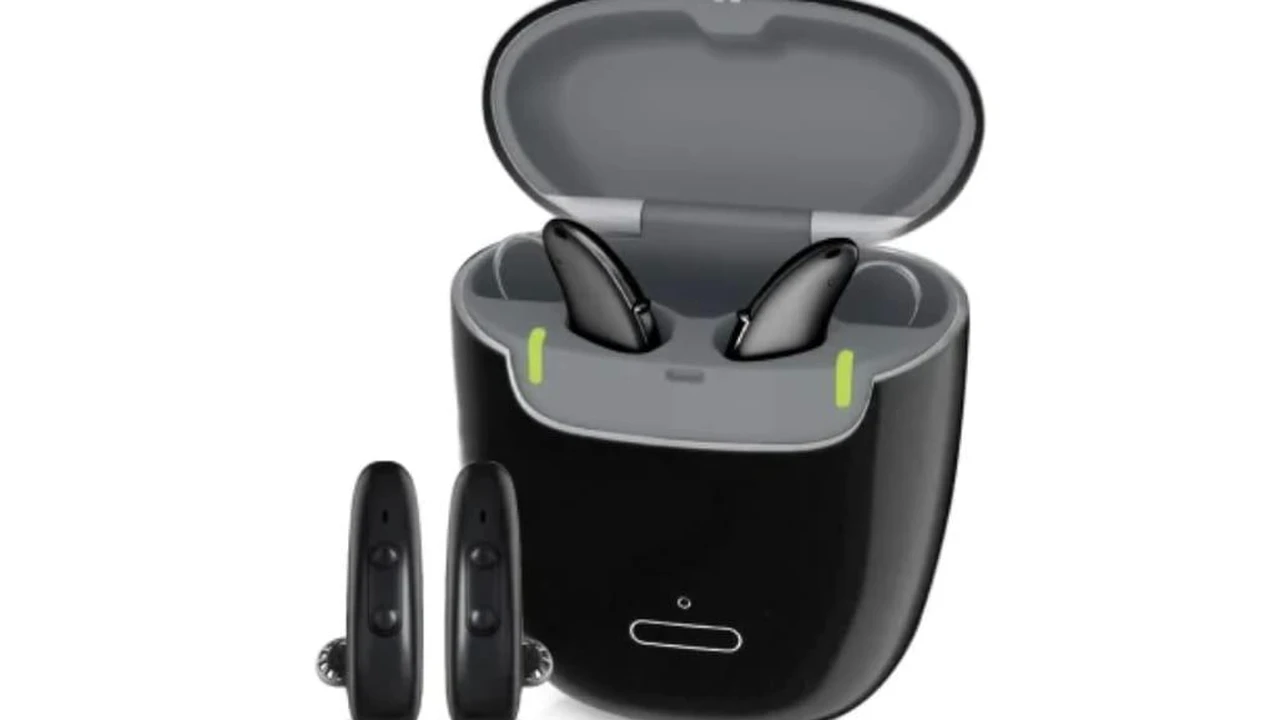
- Product Example: Signia Pure Charge&Go AX 1AX
- Description: This is a rechargeable RIC (Receiver-in-Canal) hearing aid. Even at its entry-level, Signia's AX platform offers decent sound processing. It's designed for ease of use and provides clear sound in less challenging environments.
- Use Case: Ideal for someone who primarily interacts in one-on-one conversations at home, watches TV, or attends small, quiet gatherings.
- Estimated Price: Around $1,500 - $2,500 per device, including basic professional services.
- Comparison: Compared to more advanced models, it has fewer processing channels and less sophisticated noise management, meaning it might struggle in very noisy places.
For Active Individuals and Moderate Noise Mid Range Options
These devices offer a significant step up in performance, making them suitable for people who are out and about more often and encounter moderate levels of background noise.
- Product Example: Phonak Audeo Lumity L50
- Description: The Lumity L50 is a mid-range RIC hearing aid from Phonak, known for its excellent speech understanding in noise. It features improved directional microphones and more advanced noise reduction algorithms than entry-level models. It also offers Bluetooth connectivity for streaming.
- Use Case: Perfect for someone who works in an office, enjoys dining out occasionally, or participates in group activities where moderate background noise is present.
- Estimated Price: Around $2,800 - $4,000 per device, including a good package of professional services.
- Comparison: Offers a much better experience in moderately noisy environments than entry-level devices, with more automatic adjustments. However, it won't have the full suite of features found in premium models for extremely complex soundscapes.
For Demanding Environments and Tech Enthusiasts Premium Options
If you're constantly in challenging listening situations, value cutting-edge technology, and want the best possible sound experience, premium hearing aids are the way to go.
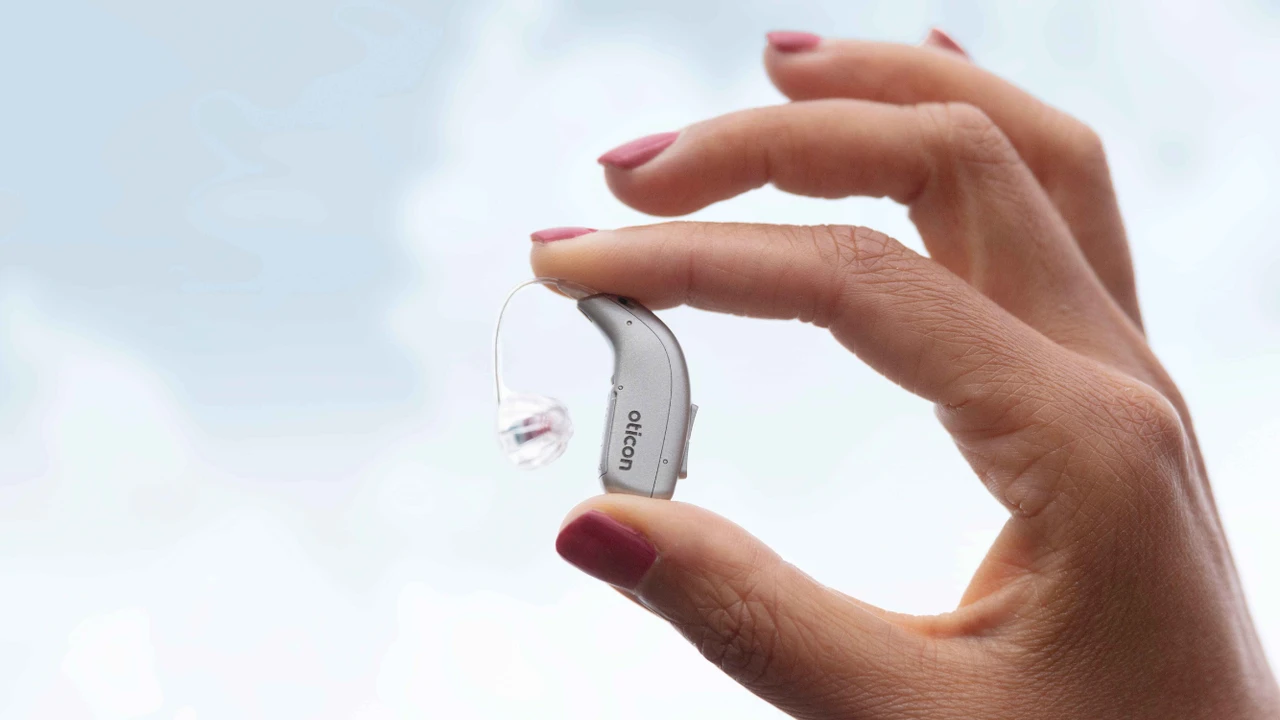
- Product Example: Oticon Intent 1
- Description: Oticon's Intent 1 is a top-tier RIC hearing aid that uses advanced AI and a 4D sensor system to understand your listening intentions and adapt sound processing accordingly. It offers exceptional speech clarity in complex environments, seamless connectivity, and personalized sound experiences.
- Use Case: Ideal for professionals who attend many meetings, individuals who frequently socialize in loud venues, or anyone who wants the most natural and effortless listening experience across all environments.
- Estimated Price: Around $4,500 - $7,000+ per device, typically including comprehensive professional care and extended warranties.
- Comparison: Provides unparalleled performance in noisy and dynamic environments, with superior speech understanding and a more natural soundscape compared to mid-range options. The AI features offer a highly personalized experience.
Invisible and Custom Options Discreet and Personalized
For those prioritizing discretion, custom-made In-the-Ear (ITE), In-the-Canal (ITC), or Completely-in-Canal (CIC) hearing aids are popular. These are molded to fit perfectly inside your ear canal.
- Product Example: Starkey Genesis AI IIC (Invisible-in-Canal)
- Description: The Genesis AI IIC is one of the smallest and most discreet hearing aids available. Despite its tiny size, it packs advanced AI features for sound processing, health tracking, and fall detection.
- Use Case: Perfect for individuals who want their hearing aids to be virtually unnoticeable, suitable for mild to moderate hearing loss.
- Estimated Price: Often in the premium range, $4,000 - $6,500 per device, due to the custom molding and miniaturized technology.
- Comparison: Offers ultimate discretion but might have limitations in battery life and advanced features compared to larger RIC models due to space constraints.
Over The Counter OTC Hearing Aids A New Option
With the introduction of Over-the-Counter (OTC) hearing aids, there's a new, more affordable category. These are designed for adults with perceived mild to moderate hearing loss and can be purchased directly without a prescription or professional fitting.
- Product Example: Jabra Enhance Plus
- Description: These are small, earbud-style OTC hearing aids that offer amplification and some noise reduction. They connect to a smartphone app for basic personalization and control.
- Use Case: Suitable for individuals who are just starting to notice hearing difficulties in specific situations and prefer a self-service approach.
- Estimated Price: Around $799 - $1,200 per pair.
- Comparison: Significantly more affordable than prescription hearing aids, but they lack the personalized fitting, advanced features, and ongoing professional support that come with devices purchased from an audiologist. They are not suitable for severe hearing loss.
Navigating Insurance and Financial Assistance for Hearing Aids
The cost of hearing aids can be a barrier for many, but there are various avenues to explore for financial assistance. It's worth doing your homework here!
Insurance Coverage Understanding Your Benefits
Unfortunately, many private insurance plans in the US do not fully cover hearing aids, or they offer limited benefits. However, this is slowly changing, and some plans do provide partial coverage. It's crucial to:
- Check Your Policy: Contact your insurance provider directly and ask specific questions about hearing aid coverage, including deductibles, co-pays, and any limitations on brands or types of devices.
- Medicare: Original Medicare (Parts A and B) generally does not cover hearing aids or routine hearing exams. However, Medicare Advantage (Part C) plans often offer some benefits for hearing aids and related services.
- Medicaid: In many states, Medicaid programs do provide coverage for hearing aids, especially for children and sometimes for adults. Eligibility and benefits vary by state.
- Veterans Affairs (VA): If you're a veteran, the VA offers comprehensive hearing healthcare, including hearing aids, to eligible individuals. This is often one of the best options for veterans.
Financing Options and Payment Plans
Many hearing aid providers offer financing options or payment plans to help spread out the cost. These can include:
- In-House Payment Plans: Some clinics offer their own interest-free payment plans.
- Third-Party Financing: Companies like CareCredit specialize in healthcare financing and offer various payment plans, often with deferred interest options.
Government Programs and Non-Profit Organizations
There are several programs and organizations that can help with hearing aid costs:
- State Programs: Some states have programs to assist residents with hearing aid purchases, especially for low-income individuals or children.
- Non-Profit Organizations: Organizations like the Hearing Loss Association of America (HLAA), Lions Clubs International, and others sometimes offer assistance programs or connect individuals with resources.
- Vocational Rehabilitation: If hearing loss impacts your ability to work, your state's vocational rehabilitation services might provide assistance.
The Value Proposition Why Hearing Aids Are Worth The Investment
While the cost of hearing aids can seem substantial, it's important to view them as an investment in your quality of life, health, and overall well-being. Untreated hearing loss can have far-reaching consequences, including:
- Social Isolation: Difficulty communicating can lead to withdrawal from social activities.
- Cognitive Decline: Research suggests a link between untreated hearing loss and an increased risk of cognitive decline and dementia.
- Reduced Income: Hearing loss can impact job performance and earning potential.
- Increased Risk of Falls: Impaired hearing can affect balance and spatial awareness.
- Mental Health Issues: Frustration, anxiety, and depression are common among individuals with untreated hearing loss.
Investing in hearing aids can significantly improve communication, enhance social engagement, reduce cognitive load, and ultimately lead to a richer, more fulfilling life. The benefits often far outweigh the initial financial outlay.
Making an Informed Decision Your Next Steps
So, what's the takeaway here? The cost of hearing aids isn't just a single number. It's a combination of the technology level, the style of the device, and crucially, the professional services that ensure you get the most out of your investment. Don't just focus on the sticker price; consider the total value package.
Your best bet is to schedule a comprehensive hearing evaluation with a qualified audiologist. They can assess your specific hearing loss, discuss your lifestyle needs, and recommend suitable options across different price points. They'll also be able to provide a detailed breakdown of costs, including professional services, and help you explore any available financing or insurance options. Remember, a good hearing care professional is your partner in this journey, guiding you to the best solution for your unique needs and budget.
:max_bytes(150000):strip_icc()/277019-baked-pork-chops-with-cream-of-mushroom-soup-DDMFS-beauty-4x3-BG-7505-5762b731cf30447d9cbbbbbf387beafa.jpg)