Hearing Aids For Tinnitus Relief
Explore how hearing aids can help manage tinnitus symptoms. Learn about features designed to mask or reduce the perception of ringing in the ears.
Explore how hearing aids can help manage tinnitus symptoms. Learn about features designed to mask or reduce the perception of ringing in the ears.
Hearing Aids For Tinnitus Relief Understanding Your Options
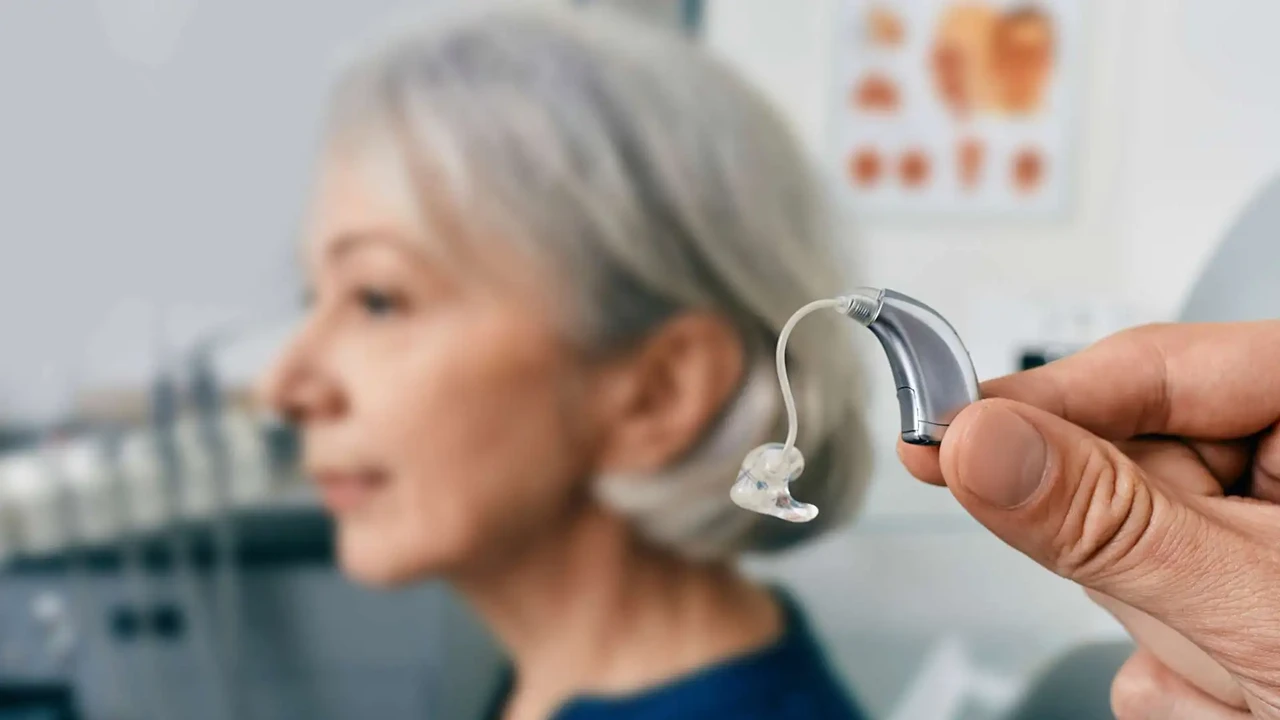
Living with tinnitus, that persistent ringing, buzzing, or hissing in your ears, can be incredibly challenging. It affects millions worldwide, impacting sleep, concentration, and overall quality of life. While there's no single 'cure' for tinnitus, many effective management strategies exist, and for a significant number of people, hearing aids play a crucial role. This article will dive deep into how hearing aids can offer relief, what features to look for, and even recommend some specific models that excel in tinnitus management.
What is Tinnitus and How Does it Relate to Hearing Loss?
Before we explore hearing aids, let's briefly touch upon tinnitus itself. Tinnitus isn't a disease; it's a symptom of an underlying condition. It's the perception of sound when no external sound is present. While the exact mechanisms are complex, it's often linked to changes in the auditory system, particularly damage to the tiny hair cells in the inner ear. This damage can lead to the brain 'filling in' the missing auditory input with phantom sounds.
Crucially, a strong correlation exists between tinnitus and hearing loss. Approximately 80-90% of people with tinnitus also have some degree of hearing loss. When hearing loss occurs, the brain receives less external sound input. This can lead to an overcompensation, where the brain increases its sensitivity to internal signals, resulting in the perception of tinnitus. This is why hearing aids are often a first-line treatment for tinnitus, especially when hearing loss is present.
How Do Hearing Aids Help With Tinnitus Management?
Hearing aids help manage tinnitus through several key mechanisms:
Sound Amplification for Tinnitus Masking and Habituation
For individuals with hearing loss and tinnitus, amplifying external sounds is often the most direct benefit. By making environmental sounds more audible, hearing aids can effectively 'mask' the tinnitus. The brain focuses on the amplified external sounds, pushing the internal tinnitus sound into the background or making it less noticeable. This isn't about making the tinnitus disappear, but rather making it less intrusive and easier to ignore. This process is often referred to as 'masking' or 'distraction.'
Beyond simple masking, amplification also aids in 'habituation.' When the brain receives a richer, more complete soundscape, it can gradually learn to filter out the tinnitus as an unimportant signal. This takes time and consistent use, but it's a powerful long-term strategy for reducing the perceived loudness and annoyance of tinnitus.
Tinnitus Masking Features and Sound Generators
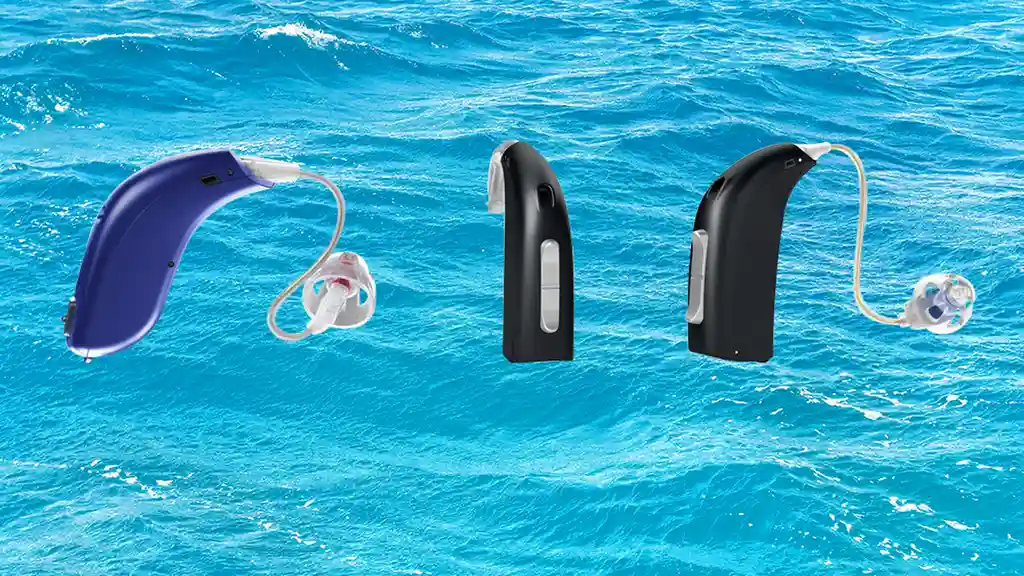
Many modern hearing aids come equipped with dedicated tinnitus masking features or built-in sound generators. These features produce a variety of sounds – often white noise, pink noise, ocean waves, or other soothing tones – that are designed to be played through the hearing aid alongside amplified environmental sounds. The goal is to provide a pleasant, non-intrusive sound that competes with the tinnitus, making it less prominent.
The beauty of these sound generators is their customizability. An audiologist can adjust the type, volume, and modulation of the masking sound to find what works best for each individual. Some advanced hearing aids even allow users to control these settings via a smartphone app, giving them more control over their tinnitus relief.
Improved Communication and Reduced Stress
Tinnitus can be exacerbated by stress, anxiety, and fatigue. Hearing loss itself can be a significant source of stress, leading to communication difficulties, social isolation, and frustration. By improving hearing and making communication easier, hearing aids can significantly reduce these stressors. When you're not constantly straining to hear, or feeling left out of conversations, your overall stress levels decrease, which can, in turn, lessen the perceived intensity of your tinnitus.
This indirect benefit is often overlooked but is incredibly important for holistic tinnitus management. Feeling more connected and less anxious can break the negative feedback loop where tinnitus causes stress, and stress worsens tinnitus.
Key Features to Look for in Tinnitus Relief Hearing Aids
When considering hearing aids specifically for tinnitus, keep an eye out for these important features:
Built-in Tinnitus Maskers or Sound Generators
This is perhaps the most direct feature for tinnitus relief. Look for hearing aids that explicitly state they have a tinnitus management program or sound generator. These often offer a range of customizable sounds.
Wide Range of Sound Customization
The ability to fine-tune both the amplification and the masking sounds is crucial. Everyone's tinnitus is unique, and what works for one person might not work for another. Look for devices that allow for precise adjustments by your audiologist and, ideally, some user control via an app.
Excellent Noise Reduction and Speech Clarity
While not directly a tinnitus feature, superior noise reduction and speech clarity are vital. If your hearing aids struggle in noisy environments, you'll still experience communication stress, which can worsen tinnitus. Good noise reduction also ensures that the masking sound isn't competing with unwanted background noise, making it more effective.
Bluetooth Connectivity and Streaming
Bluetooth connectivity allows you to stream audio directly from your smartphone or other devices. This is beneficial for tinnitus management because you can stream your own preferred masking sounds, white noise apps, or even guided meditation directly into your hearing aids. This offers immense flexibility and personalization.
Rechargeable Options for Convenience
While not directly related to tinnitus relief, rechargeable hearing aids offer significant convenience. Consistent use is key for tinnitus management, and not having to worry about constantly changing tiny batteries can encourage more regular wear.
Comfort and Discreet Design
You'll be wearing these devices for many hours a day, so comfort is paramount. A discreet design can also boost confidence, especially if you're new to hearing aids. If they're uncomfortable or make you feel self-conscious, you're less likely to wear them consistently, which hinders tinnitus relief.
Top Hearing Aid Brands and Models for Tinnitus Relief
Many leading hearing aid manufacturers offer excellent solutions for tinnitus. Here are some of the top brands and specific models known for their tinnitus management features:
Phonak Hearing Aids for Tinnitus Management
Phonak is a global leader in hearing technology, and their devices often include robust tinnitus features. Their 'Tinnitus Balance' noise generator offers a wide range of broadband sounds and ocean-wave-like sounds. Users can adjust these via the myPhonak app.
- Phonak Audéo Lumity: These premium RIC (Receiver-In-Canal) hearing aids offer exceptional sound quality and speech understanding, which indirectly helps with tinnitus by reducing listening effort. They integrate the Tinnitus Balance feature, allowing for personalized sound therapy. They are rechargeable and offer excellent Bluetooth connectivity.
- Phonak Naída Paradise: Designed for more severe hearing loss, the Naída Paradise also includes the Tinnitus Balance feature. Its powerful amplification ensures that external sounds are clearly audible, aiding in masking.
Typical Price Range: $2,000 - $7,000 per pair, depending on technology level and provider.
Use Case: Ideal for individuals with mild to severe hearing loss who want advanced sound processing and customizable tinnitus masking sounds. Excellent for active lifestyles due to robust connectivity.
Oticon Hearing Aids for Tinnitus Relief
Oticon's approach to tinnitus often focuses on their 'Tinnitus SoundSupport' feature, which provides a variety of sound options, including white noise, pink noise, and ocean sounds. They emphasize an open sound experience, which can be beneficial for tinnitus by allowing more natural sound input.
- Oticon More: These advanced hearing aids use a deep neural network to process sound, providing a more natural and balanced soundscape. This improved sound quality can help the brain habituate to tinnitus. Tinnitus SoundSupport is integrated, offering a range of customizable sounds. They are rechargeable and offer direct streaming.
- Oticon Zircon: A newer, more accessible option from Oticon, Zircon also includes Tinnitus SoundSupport and offers solid performance for both hearing and tinnitus management.
Typical Price Range: $1,800 - $6,500 per pair.
Use Case: Great for users who prefer a more natural sound experience and want a wide array of sound therapy options. Good for those who value discreet design and reliable performance.
Resound Hearing Aids for Tinnitus Management
ReSound is well-known for its comprehensive tinnitus management solutions, often integrating with their ReSound Relief app. This app provides a library of sound therapy options, relaxation exercises, and educational content, making it a holistic approach.
- ReSound OMNIA: These premium hearing aids offer exceptional speech clarity in noisy environments, which is a huge benefit for tinnitus sufferers. They seamlessly integrate with the ReSound Relief app, allowing users to personalize their sound therapy and access guided relaxation. Rechargeable and excellent streaming capabilities.
- ReSound ONE: Featuring an M&RIE (Microphone & Receiver-In-Ear) design, the ONE offers a very natural sound experience. It also works with the ReSound Relief app for comprehensive tinnitus support.
Typical Price Range: $2,000 - $7,000 per pair.
Use Case: Best for individuals who want a comprehensive, app-driven tinnitus management program alongside excellent hearing amplification. Ideal for those who are comfortable using smartphone apps for control.
Signia Hearing Aids for Tinnitus Relief
Signia offers a unique approach with their 'Tinnitus Notch Therapy,' which aims to reduce the perceived loudness of tinnitus by applying a subtle notch filter at the specific frequency of the individual's tinnitus. They also offer traditional sound therapy options.
- Signia Pure Charge&Go AX: These advanced hearing aids feature the Augmented Xperience (AX) platform, which separates speech from background noise for clearer listening. They offer both Notch Therapy and traditional sound therapy options, making them versatile for tinnitus management. Rechargeable with a sleek design.
- Signia Styletto AX: Known for their stylish, slim design, Styletto AX hearing aids also incorporate Signia's tinnitus management features, including Notch Therapy, for discreet and effective relief.
Typical Price Range: $1,900 - $6,800 per pair.
Use Case: Particularly good for individuals whose tinnitus has a distinct, identifiable pitch, as Notch Therapy can be very effective. Also suitable for those who want a combination of traditional and innovative tinnitus relief methods.
Widex Hearing Aids for Tinnitus Management
Widex is renowned for its natural sound quality and its unique 'Zen' fractal tones, which are specifically designed to be relaxing and help with tinnitus habituation. Their approach is often more focused on relaxation and distraction.
- Widex Moment: These hearing aids are celebrated for their ultra-fast sound processing, which creates a very natural and clear sound. This natural sound can be very beneficial for tinnitus habituation. They include the Zen fractal tones and other sound therapy options. Rechargeable and discreet.
- Widex Magnify: A more accessible option, Magnify also offers Widex's signature sound quality and tinnitus management features, including the Zen tones.
Typical Price Range: $1,800 - $6,500 per pair.
Use Case: Excellent for individuals who find traditional white noise irritating and prefer more musical or relaxing sound therapy options. Ideal for those who prioritize natural sound quality.
Comparing Tinnitus Relief Hearing Aids Key Considerations
When comparing these excellent options, consider the following:
Type of Tinnitus Therapy Offered
Do you prefer traditional broadband noise (white, pink, ocean sounds), or are you interested in more specialized approaches like Widex's Zen tones or Signia's Notch Therapy? Some brands offer a wider variety of sounds than others.
Integration with Smartphone Apps
How important is it for you to control your tinnitus therapy and hearing aid settings via a smartphone app? Brands like ReSound excel in this area, offering comprehensive apps with additional resources.
Overall Sound Quality and Speech Clarity
While tinnitus relief is the primary goal, don't compromise on overall sound quality. Better speech clarity and a more natural sound experience will reduce listening fatigue and indirectly help with tinnitus.
Rechargeability and Battery Life
For consistent use, rechargeable options are often preferred. Check the battery life to ensure it meets your daily needs, especially if you plan to use sound therapy for extended periods.
Comfort and Style
Since you'll be wearing these devices for many hours, ensure they are comfortable and that you are happy with their appearance. Most brands offer various styles (RIC, BTE, ITE) to suit different preferences.
Cost and Warranty
Hearing aids are a significant investment. Compare prices across different technology levels and providers. Understand the warranty, trial period, and what aftercare services are included.
The Importance of Professional Guidance for Tinnitus and Hearing Aids
While this article provides a lot of information, it's crucial to emphasize that choosing and fitting hearing aids for tinnitus relief is not a DIY project. An experienced audiologist or hearing care professional is indispensable for several reasons:
Accurate Diagnosis and Assessment
They will conduct a thorough hearing evaluation and tinnitus assessment to understand the nature and severity of your hearing loss and tinnitus. This includes identifying the pitch and loudness of your tinnitus, which is vital for customizing therapy.
Personalized Fitting and Programming
Hearing aids need to be precisely programmed to your unique hearing loss profile. For tinnitus, the audiologist will also customize the sound therapy settings, ensuring the masking sounds are effective without being too loud or distracting.
Ongoing Support and Adjustments
Tinnitus management is often an ongoing process. Your audiologist will provide follow-up appointments to make adjustments, fine-tune settings, and offer counseling and support. They can also guide you on other tinnitus management strategies, such as Tinnitus Retraining Therapy (TRT) or Cognitive Behavioral Therapy (CBT), which can be used in conjunction with hearing aids.
Education and Counseling
A professional can educate you about tinnitus, help you understand its mechanisms, and provide strategies for coping. This counseling component is often as important as the technology itself.
Beyond Hearing Aids Additional Tinnitus Management Strategies
While hearing aids are a powerful tool, they are often part of a broader tinnitus management plan. Consider these complementary strategies:
Sound Therapy Apps and Devices
Even without hearing aids, dedicated sound therapy apps (like ReSound Relief, Starkey Relax, or general white noise apps) and standalone sound generators can provide relief, especially at night or during quiet times.
Tinnitus Retraining Therapy TRT
TRT combines sound therapy with directive counseling to help the brain habituate to the tinnitus sound, reducing its perceived loudness and emotional impact.
Cognitive Behavioral Therapy CBT
CBT helps individuals change their negative thoughts and reactions to tinnitus, reducing the associated distress and anxiety.
Mindfulness and Relaxation Techniques
Stress and anxiety can worsen tinnitus. Practices like mindfulness meditation, deep breathing exercises, and yoga can help manage stress and reduce the perceived intensity of tinnitus.
Lifestyle Adjustments
Avoiding triggers like excessive caffeine, alcohol, and nicotine can sometimes help. Ensuring adequate sleep and regular exercise also contributes to overall well-being and can indirectly impact tinnitus.
Dietary Considerations
While not a cure, some individuals find that certain dietary changes, such as reducing sodium intake or avoiding specific allergens, can influence their tinnitus. This is highly individual and should be discussed with a healthcare professional.
Making the Right Choice for Your Tinnitus Relief
Choosing the right hearing aids for tinnitus relief involves understanding your specific hearing loss, the characteristics of your tinnitus, and your personal preferences. With the advancements in hearing aid technology, there are more effective solutions than ever before. By working closely with an audiologist, exploring the features discussed, and considering the recommended models, you can find a solution that significantly improves your quality of life and helps you manage your tinnitus effectively. Remember, consistent use and a holistic approach are key to achieving the best possible outcomes.
:max_bytes(150000):strip_icc()/277019-baked-pork-chops-with-cream-of-mushroom-soup-DDMFS-beauty-4x3-BG-7505-5762b731cf30447d9cbbbbbf387beafa.jpg)