Hearing Aid Batteries Types and Lifespan
Understand different hearing aid battery types, their typical lifespan, and tips for maximizing battery life. Learn about rechargeable options too.
Understand different hearing aid battery types, their typical lifespan, and tips for maximizing battery life. Learn about rechargeable options too.
Hearing Aid Batteries Types and Lifespan
Let's talk about something super important for anyone using hearing aids: batteries! They're the lifeblood of your devices, and knowing the ins and outs of different types, how long they last, and how to make them go further can save you a lot of hassle and ensure you're always hearing your best. We'll dive deep into disposable batteries, explore the growing world of rechargeable options, and even recommend some top products.
Disposable Hearing Aid Batteries Understanding Zinc Air Technology
For decades, disposable zinc-air batteries have been the standard for hearing aids. These tiny powerhouses are pretty clever. They use zinc and oxygen from the air to create electricity. That's why you'll notice a small sticker on them – once you peel that off, air enters, and the battery activates. This also means they start to discharge as soon as they're exposed to air, even if they're not in your hearing aid yet. So, only remove the sticker when you're ready to use them!
Common Disposable Battery Sizes and Their Uses
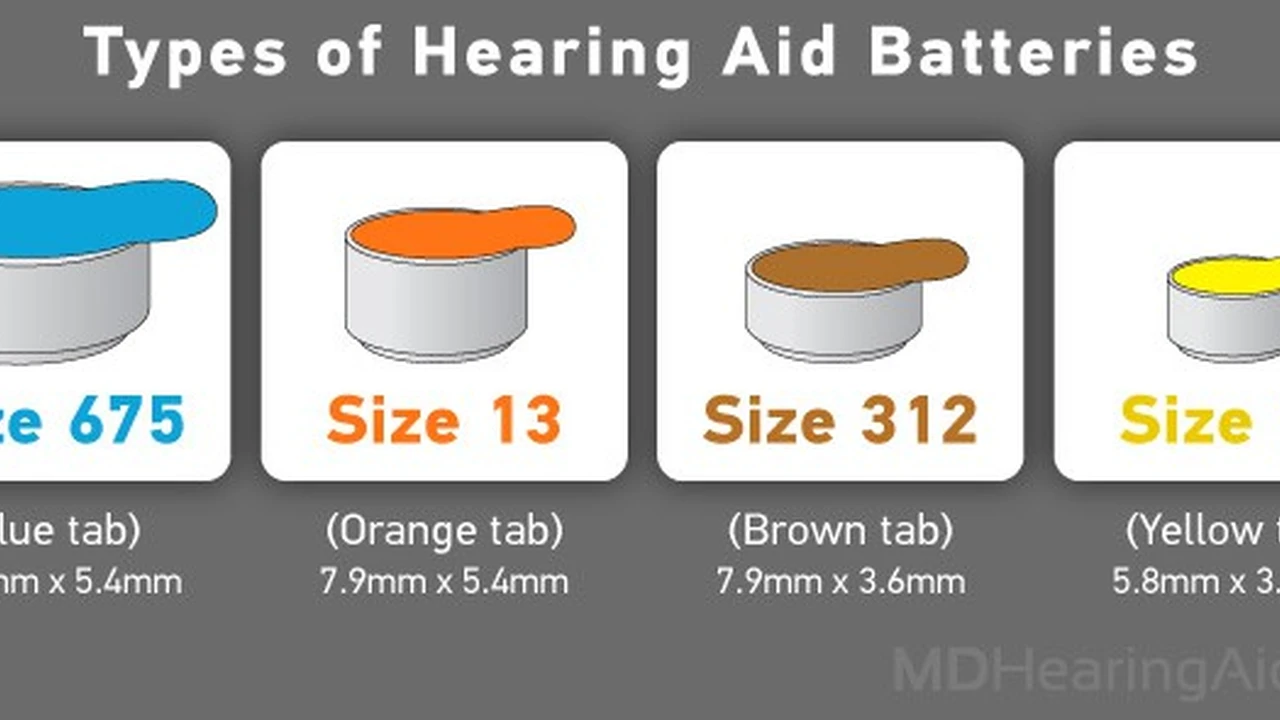
Disposable hearing aid batteries come in four main sizes, each identified by a specific color code. This color coding is universal, making it easy to find the right ones no matter where you are in the world.
- Size 10 (Yellow): These are the smallest batteries, often used in completely-in-canal (CIC) and some in-the-canal (ITC) hearing aids. Because of their small size, they have the shortest lifespan, typically lasting 3-7 days.
- Size 312 (Brown): A very popular size, brown batteries power many in-the-ear (ITE), receiver-in-canal (RIC), and mini-behind-the-ear (mini-BTE) hearing aids. They usually last 5-10 days.
- Size 13 (Orange): These are larger and provide more power, commonly found in behind-the-ear (BTE) and some ITE hearing aids. Orange batteries generally last 7-14 days.
- Size 675 (Blue): The largest and most powerful disposable hearing aid battery, blue batteries are used for super-power BTE hearing aids designed for severe to profound hearing loss, and also in cochlear implants. They offer the longest lifespan, often 9-20 days.
The actual lifespan can vary significantly based on several factors, which we'll get into shortly.
Maximizing Disposable Hearing Aid Battery Life Practical Tips
Want to squeeze every last drop of power out of your disposable batteries? Here are some pro tips:
- Wait After Peeling: After removing the sticker, wait about 1-2 minutes before inserting the battery into your hearing aid. This allows the air to fully activate the zinc-air chemistry, potentially extending its life.
- Open Battery Doors at Night: When you're not using your hearing aids, open the battery compartment door. This breaks the electrical circuit, preventing parasitic drain, and also allows moisture to escape, which can be detrimental to battery life.
- Store Properly: Keep batteries in their original packaging at room temperature. Avoid extreme heat or cold, and don't store them in the refrigerator – that's an old myth that doesn't apply to modern zinc-air batteries.
- Wash Your Hands: Oils and dirt from your hands can transfer to the battery, potentially affecting its performance. Always handle batteries with clean, dry hands.
- Avoid Humidity: High humidity can affect zinc-air batteries. If you live in a very humid climate, consider using a hearing aid dehumidifier or drying box, which can also help preserve battery life.
- Turn Off When Not in Use: If you take your hearing aids out for even a short period, turn them off or open the battery door. Every little bit helps.
Rechargeable Hearing Aids The Future of Power
Rechargeable hearing aids have revolutionized convenience for users. No more fumbling with tiny batteries, no more last-minute trips to the store. Just pop them in their charger overnight, and they're ready to go for a full day.
Types of Rechargeable Battery Technology in Hearing Aids
Most modern rechargeable hearing aids use one of two main battery technologies:
- Lithium-Ion (Li-ion): This is the most common and preferred technology. Lithium-ion batteries offer excellent power density, a long daily charge, and a good overall lifespan (typically 4-5 years before needing replacement by a professional). They charge quickly and don't suffer from the 'memory effect' that older rechargeable batteries did.
- Silver-Zinc: While less common now, some older rechargeable models used silver-zinc batteries. These also offered good performance but generally had a shorter overall lifespan compared to lithium-ion.
Benefits of Rechargeable Hearing Aids Convenience and Eco-Friendliness
The advantages of rechargeable hearing aids are pretty compelling:
- Ultimate Convenience: No more buying, storing, or changing tiny batteries. Just charge them overnight.
- Environmental Impact: Fewer disposable batteries mean less waste in landfills, making them a more eco-friendly choice.
- Cost Savings Over Time: While the initial cost might be higher, you save money on disposable batteries in the long run.
- Ease of Use: Great for people with dexterity issues or poor eyesight who struggle with small disposable batteries.
- Reliability: Most rechargeable systems are designed to provide a full day's power, often 24 hours on a single charge, even with streaming.
Rechargeable Hearing Aid Lifespan and Care
The internal rechargeable battery in your hearing aid is designed to last for several years, typically 4-5 years, which often aligns with the average lifespan of the hearing aid itself. After this period, the battery's capacity might start to diminish, and it may need to be replaced by your audiologist or the manufacturer.
To get the most out of your rechargeable hearing aids:
- Charge Daily: Make it a habit to charge them every night.
- Keep Charger Clean: Ensure the charging contacts on both the hearing aids and the charger are clean and free of debris.
- Avoid Extreme Temperatures: Just like disposable batteries, extreme heat or cold can affect rechargeable battery performance and lifespan.
- Use the Original Charger: Always use the charger specifically designed for your hearing aids.
Factors Affecting Hearing Aid Battery Life Usage and Environment
Whether you're using disposable or rechargeable batteries, several factors can influence how long they last:
- Hearing Loss Severity: More severe hearing loss requires more amplification, which draws more power from the battery.
- Daily Usage Hours: The longer you wear your hearing aids each day, the faster the battery will drain.
- Streaming and Connectivity: Using Bluetooth for streaming audio from your phone or TV, or connecting to other wireless accessories, significantly increases power consumption.
- Environmental Noise: Hearing aids work harder in noisy environments to process sound and reduce background noise, leading to faster battery drain.
- Features and Technology: Advanced features like artificial intelligence, motion sensors, and complex sound processing algorithms consume more power.
- Humidity and Temperature: Extreme temperatures (hot or cold) and high humidity can negatively impact battery performance and lifespan.
Top Rechargeable Hearing Aid Recommendations and Their Features
If you're considering rechargeable hearing aids, here are a few excellent options from leading manufacturers, highlighting their battery performance and key features. Prices are approximate and can vary widely based on technology level, provider, and location.
Phonak Lumity L90-R The All-Round Performer
- Battery Life: Up to 24 hours on a single charge, including 8 hours of streaming. A quick 30-minute charge can provide up to 6 hours of use.
- Charging Case: Comes with a compact charger. An optional 'Charger Case Go' offers portable charging for up to 3 days without a power outlet.
- Key Features: Known for exceptional speech understanding in noisy environments (StereoZoom 2.0, SpeechSensor), universal Bluetooth connectivity (connects to iOS, Android, and other Bluetooth devices), tap control for calls and voice assistants, and a robust design.
- Ideal User: Active individuals who prioritize speech clarity in challenging listening situations and seamless connectivity.
- Approximate Price Range: $3,000 - $7,000 per pair (depending on technology level and provider).
Oticon Intent 1 MiniRITE R Smart and Discreet
- Battery Life: Provides a full day of power, typically around 20 hours with streaming, on a single charge.
- Charging Case: A sleek desktop charger is standard.
- Key Features: Oticon's 'MoreSound Intelligence 3.0' and 'MoreSound Amplifier 3.0' offer a 360-degree sound experience, allowing the brain to process sounds naturally. It features a new 4D Sensor technology that understands your listening intentions. Direct streaming to iOS and Android devices.
- Ideal User: Those who want a natural sound experience, appreciate discreet design, and value advanced sound processing.
- Approximate Price Range: $3,500 - $7,500 per pair.
Resound OMNIA 9 R The Immersive Sound Experience
- Battery Life: Up to 30 hours on a single charge, or 24 hours with extensive streaming.
- Charging Case: Comes with a standard desktop charger. A premium portable charger is available, offering three full charges on the go.
- Key Features: Focuses on delivering an immersive sound experience with '360 All Around' and 'Ultra Focus' features for excellent speech understanding in noise. Offers direct streaming to iOS and Android, and includes a 'Check My Fit' feature via the app to ensure proper placement.
- Ideal User: Individuals who spend a lot of time in varied sound environments and want superior speech clarity and spatial awareness.
- Approximate Price Range: $2,800 - $6,800 per pair.
Starkey Genesis AI 24 RIC RT The AI Powerhouse
- Battery Life: Up to 36 hours on a single charge, or 27 hours with 4 hours of streaming.
- Charging Case: A standard charger is included. A 'Charger Case Custom' offers a portable charging solution.
- Key Features: Packed with artificial intelligence for personalized sound adjustments, health tracking (steps, engagement), fall detection, and translation features. Offers exceptional sound quality and direct streaming.
- Ideal User: Tech-savvy individuals who want advanced features beyond just hearing, including health monitoring and AI-driven personalization.
- Approximate Price Range: $3,200 - $7,200 per pair.
Widex Moment Sheer 440 sRIC R Natural Sound and Design
- Battery Life: Up to 29 hours on a single charge, or 24 hours with 8 hours of streaming.
- Charging Case: Comes with a sleek, compact charger.
- Key Features: Widex is renowned for its 'PureSound' technology, which aims to eliminate processing delay for a more natural sound experience. The 'Sheer' design is incredibly discreet. Offers direct streaming to iOS and Android.
- Ideal User: Those who prioritize the most natural sound quality, especially for music and speech, and appreciate a very discreet design.
- Approximate Price Range: $3,000 - $7,000 per pair.
Over-the-Counter OTC Rechargeable Hearing Aids Affordable Options
The rise of OTC hearing aids has brought more affordable rechargeable options to the market, often suitable for adults with perceived mild to moderate hearing loss. These are typically self-fit and don't require a professional fitting.
Jabra Enhance Select 500 Rechargeable OTC
- Battery Life: Up to 30 hours on a single charge.
- Charging Case: Comes with a portable charging case that holds three full charges.
- Key Features: App-controlled adjustments, remote support from hearing care professionals (hybrid model), good sound quality for an OTC device, and direct streaming.
- Ideal User: Individuals with mild to moderate hearing loss looking for a balance of professional support and self-management at a lower price point.
- Approximate Price: Around $1,995 per pair.
Lexie B2 Powered by Bose Rechargeable OTC
- Battery Life: Up to 18 hours on a single charge.
- Charging Case: Included charging case.
- Key Features: Developed with Bose audio technology, offering clear sound and noise reduction. App-based customization and support.
- Ideal User: Those seeking a well-known audio brand for their OTC hearing aids, with a focus on sound clarity and ease of use.
- Approximate Price: Around $999 per pair.
Choosing Between Disposable and Rechargeable Batteries Making the Right Choice
The decision between disposable and rechargeable hearing aids often comes down to personal preference, lifestyle, and specific needs.
When Disposable Might Be Better Budget and Flexibility
- Lower Upfront Cost: Hearing aids using disposable batteries are often less expensive initially.
- No Charging Worries: If you're frequently away from power sources (e.g., camping, long trips without access to outlets), disposable batteries offer more flexibility. Just carry spares.
- Severe Hearing Loss: Some super-power hearing aids for profound hearing loss still rely on the larger 675 disposable batteries for maximum amplification.
- Backup Option: Even with rechargeable hearing aids, it's wise to have a few disposable batteries on hand for emergencies if your model allows for it (some RICs have this flexibility).
When Rechargeable Is the Clear Winner Convenience and Modern Living
- Convenience: The number one reason. No more fiddling with tiny batteries.
- Dexterity Issues: Excellent for individuals with arthritis, tremors, or poor eyesight.
- Eco-Friendly: Reduces battery waste.
- Reliability: Most offer a full day's power, and many have quick-charge features.
- Integrated Design: Rechargeable hearing aids often have a sleeker, more sealed design, which can offer better protection against dust and moisture.
Troubleshooting Battery Issues Common Problems and Solutions
Even with the best batteries, you might encounter issues. Here's how to troubleshoot some common problems:
Hearing Aid Not Working After Battery Change
- Check Battery Orientation: Ensure the battery is inserted correctly, usually with the flat, positive (+) side facing up.
- New Battery Check: Make sure the battery is indeed new and not a used one.
- Sticker Removal: For disposable batteries, confirm the sticker has been fully removed and you've waited a minute for activation.
- Clean Contacts: Check for any dirt or corrosion on the battery contacts inside the hearing aid. Use a dry cotton swab or brush to gently clean them.
- Battery Door: Ensure the battery door is fully closed.
Short Battery Life Unexpected Drain
- Recent Changes: Have you started streaming more audio or using new features? This can increase drain.
- Environmental Factors: Are you in a particularly noisy environment more often?
- Old Batteries: Are your disposable batteries old or expired? Check the expiration date.
- Hearing Aid Malfunction: Sometimes, a hearing aid itself might be drawing too much power due to an internal issue. If problems persist, contact your audiologist.
- Rechargeable Battery Degradation: For rechargeable models, if the battery is several years old, its capacity might be naturally diminishing.
Intermittent Power or Static
- Loose Battery: Ensure the battery is seated snugly in its compartment.
- Corrosion: Check for any signs of corrosion on the battery or contacts.
- Moisture: Moisture can cause intermittent issues. Use a drying kit overnight.
- Faulty Battery: Occasionally, you might get a dud battery. Try a different one.
The Environmental Impact of Hearing Aid Batteries Sustainable Choices
It's worth taking a moment to consider the environmental aspect of hearing aid batteries. Billions of disposable batteries are used and discarded globally each year. While small, they contribute to landfill waste and contain chemicals that can be harmful if not disposed of properly.
Recycling Disposable Batteries
Many communities have battery recycling programs. Look for designated drop-off points at electronics stores, municipal recycling centers, or even some pharmacies. Proper recycling prevents harmful chemicals from leaching into the environment and allows valuable materials to be recovered.
The Green Advantage of Rechargeable Hearing Aids
Rechargeable hearing aids significantly reduce the number of batteries entering the waste stream. While the internal lithium-ion batteries will eventually need to be replaced, their overall environmental footprint is generally much smaller than that of continuous disposable battery use. When it's time to replace your rechargeable hearing aids, your audiologist can often help with proper disposal or recycling of the old devices, including their internal batteries.
Future of Hearing Aid Power Innovations on the Horizon
The world of hearing aid power is constantly evolving. What can we expect next?
- Even Longer Battery Life: Manufacturers are always striving for more efficient power consumption and higher capacity batteries, meaning even longer wear times on a single charge.
- Faster Charging: Quick-charge capabilities will likely become even more advanced, offering significant power in just minutes.
- Wireless Charging: While some chargers are already 'wireless' in the sense that they don't require direct plugging into the hearing aid, true inductive wireless charging (like for smartphones) could become more prevalent, offering even greater convenience.
- Energy Harvesting: This is a more futuristic concept, but researchers are exploring ways to power small devices using ambient energy sources like body heat or movement. While not mainstream for hearing aids yet, it's an exciting area of development.
- Standardization: As the market matures, there might be a push for more standardized charging solutions across different brands, similar to USB-C for phones, which would be a huge win for consumers.
Ultimately, whether you opt for disposable or rechargeable, understanding your hearing aid's power source is key to a seamless listening experience. Keep these tips in mind, and you'll be well-equipped to keep your hearing aids running smoothly, day in and day out.
:max_bytes(150000):strip_icc()/277019-baked-pork-chops-with-cream-of-mushroom-soup-DDMFS-beauty-4x3-BG-7505-5762b731cf30447d9cbbbbbf387beafa.jpg)