Hearing Loss in Children Early Detection Matters
Learn about the importance of early detection of hearing loss in children. Understand screening methods and interventions for optimal development.
Learn about the importance of early detection of hearing loss in children. Understand screening methods and interventions for optimal development.
Hearing Loss in Children Early Detection Matters
Discovering that your child might have hearing loss can be a daunting experience for any parent. However, it's crucial to remember that early detection and intervention are absolute game-changers. The sooner hearing loss is identified and addressed, the better the outcomes for a child's speech, language, cognitive, and social development. This isn't just about hearing sounds; it's about unlocking a child's full potential and ensuring they have every opportunity to thrive in a hearing world.
Why Early Detection of Pediatric Hearing Loss is Crucial for Development
Imagine trying to learn a language without ever truly hearing it. That's the challenge a child with undetected hearing loss faces. The first few years of life, often called the critical period, are incredibly important for brain development, especially for language acquisition. During this time, the brain is rapidly forming connections based on sensory input. If a child isn't receiving clear auditory signals, those neural pathways for hearing and understanding speech simply won't develop as they should. This can lead to significant delays in speech and language, which in turn can impact reading, writing, academic performance, and even social interactions. Early intervention means providing the brain with the auditory input it needs during this critical window, allowing for more natural development and better long-term outcomes.
Understanding Universal Newborn Hearing Screening UNHS and Its Importance
Thankfully, most developed countries, including the United States and many in Southeast Asia, have implemented Universal Newborn Hearing Screening (UNHS) programs. This means that almost all babies born in hospitals are screened for hearing loss shortly after birth, usually before they even leave the hospital. This simple, non-invasive test is a cornerstone of early detection. There are two main types of tests used for UNHS:
- Automated Auditory Brainstem Response (AABR): This test measures how the auditory nerve and brainstem respond to sound. Small electrodes are placed on the baby's head, and soft clicks are played into their ears. The electrodes record brain activity in response to these sounds.
- Otoacoustic Emissions (OAE): This test measures sounds produced by the inner ear (cochlea) in response to a click sound played into the ear canal. A tiny probe is placed in the baby's ear, and if the cochlea is working correctly, it will produce a faint echo that the probe detects.
Both tests are quick, painless, and can be performed while the baby is sleeping. If a baby doesn't pass the initial screening, it doesn't automatically mean they have hearing loss. It simply means further testing is needed to get a clearer picture. This follow-up is vital and should happen as soon as possible, ideally within the first three months of life.
Beyond Newborn Screening Recognizing Signs of Hearing Loss in Infants and Toddlers
While UNHS is incredibly effective, it's not foolproof, and some types of hearing loss can develop later. As a parent, being aware of developmental milestones and potential red flags is essential. Here are some signs to look out for in different age groups:
Infants 0-12 Months Hearing Milestones and Red Flags
- Doesn't startle at loud noises: A baby should typically jump or blink in response to sudden, loud sounds.
- Doesn't turn head toward sound by 6 months: By this age, babies usually localize sounds by turning their head in the direction of the noise.
- Doesn't babble or make a variety of sounds: While all babies babble, a baby with hearing loss might babble less or stop babbling altogether.
- Doesn't respond to their name by 9 months: Most babies will respond to their name by turning their head or looking at the speaker.
- Doesn't imitate sounds or words: By 12 months, babies often try to mimic simple sounds or words.
Toddlers 1-3 Years Old Recognizing Hearing Challenges
- Delayed speech and language development: This is often the most noticeable sign. They might have a limited vocabulary or struggle to form sentences.
- Doesn't follow simple commands: If they consistently struggle with instructions like “come here” or “give me the ball,” it could be a sign.
- Often says “huh” or “what”: They might frequently ask for repetition.
- Turns up the TV or radio volume excessively: This is a common compensatory behavior.
- Doesn't respond when called from another room: They might seem to ignore you, but it could be that they simply didn't hear you.
- Difficulty understanding speech in noisy environments: This is a classic sign of hearing difficulty.
- Seems inattentive or easily frustrated: Communication difficulties can lead to behavioral issues.
If you notice any of these signs, don't hesitate to speak with your pediatrician. Trust your instincts as a parent.
Diagnostic Hearing Tests for Children Comprehensive Assessment
If a child fails a newborn screening or if concerns arise later, a comprehensive audiological evaluation is necessary. This involves a series of tests performed by a pediatric audiologist, who specializes in children's hearing. These tests are tailored to the child's age and developmental stage:
- Auditory Brainstem Response (ABR) Test: Similar to AABR but more detailed, this test provides specific information about the degree and type of hearing loss. It's often performed while the child is sleeping naturally or under sedation.
- Otoacoustic Emissions (OAE) Test: Used to assess the function of the outer hair cells in the cochlea.
- Tympanometry: Measures the movement of the eardrum and middle ear function, helping to identify issues like fluid behind the eardrum.
- Behavioral Audiometry: For older infants and toddlers, this involves observing their behavioral responses to sounds.
- Visual Reinforcement Audiometry (VRA): For infants 6 months to 2.5 years, the child is conditioned to turn their head towards a sound source, and a visual reward (like a toy lighting up) is given.
- Conditioned Play Audiometry (CPA): For children 2.5 to 5 years, the child is taught to perform a play activity (e.g., dropping a block in a bucket) when they hear a sound.
- Conventional Audiometry: For school-aged children and adults, this involves raising a hand or pressing a button when a sound is heard through headphones.
These tests help the audiologist determine the type, degree, and configuration of hearing loss, which is crucial for planning appropriate interventions.
Intervention Strategies for Pediatric Hearing Loss Hearing Aids and Beyond
Once hearing loss is diagnosed, a range of intervention strategies can be implemented. The goal is always to provide the child with access to sound and support their communication development.
Hearing Aids for Children Tailored Solutions
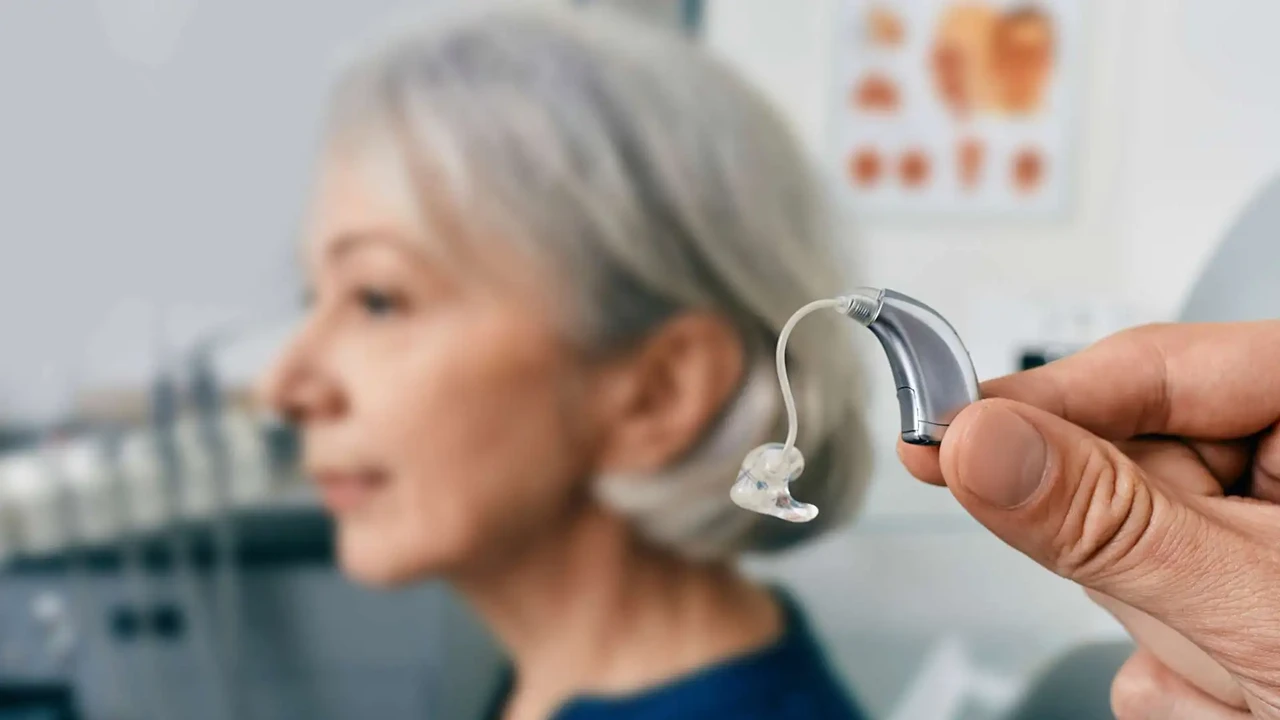
For most types of permanent hearing loss, hearing aids are the primary intervention. Pediatric hearing aids are specifically designed for children, often being more robust, tamper-proof, and available in fun colors. They work by amplifying sounds to make them audible to the child. The audiologist will carefully select and fit the hearing aids, ensuring they are programmed to the child's specific hearing loss and adjusted as the child grows and develops.
Recommended Pediatric Hearing Aid Models and Features
When it comes to pediatric hearing aids, several brands stand out for their reliability, advanced technology, and child-friendly features. Here are a few top contenders, along with their key features, typical use cases, and approximate price ranges (note: prices can vary significantly based on technology level, provider, and location, and often include fitting and follow-up services):
-
Phonak Sky Link M (Marvel) / Sky Lumity:
- Key Features: These are often considered gold standard for children. They offer exceptional sound quality, direct connectivity to virtually any Bluetooth-enabled device (smartphones, tablets, computers), and Roger technology compatibility for improved listening in noisy environments and over distance (e.g., classroom). They are rechargeable, durable, and come in a wide array of colors. The Sky Lumity is the latest generation, offering even more advanced sound processing.
- Use Cases: Ideal for infants, toddlers, and school-aged children with mild to profound hearing loss. Excellent for classroom settings, social interactions, and connecting to educational devices.
- Comparison: Known for robust connectivity and excellent speech understanding in noise, especially with Roger accessories. Very user-friendly for parents and children.
- Approximate Price Range: $2,500 - $4,500 per aid (often includes professional services).
-
Oticon Play PX:
- Key Features: Built on Oticon's BrainHearing™ technology, which aims to support the brain's natural way of processing sound. Features include a powerful sound processing chip, direct streaming from iOS and Android devices, and a robust design. It also offers a rechargeable option and a variety of colors.
- Use Cases: Suitable for children across all age ranges with various degrees of hearing loss. Particularly strong in providing a more open sound experience, allowing the brain to naturally orient to sounds.
- Comparison: Focuses on providing a full soundscape rather than just focusing on speech in front, which can be beneficial for brain development. Good connectivity.
- Approximate Price Range: $2,200 - $4,000 per aid.
-
Resound Up Smart / Resound Key for Kids:
- Key Features: Resound offers a range of pediatric solutions. The Up Smart is known for its Made for iPhone (MFi) connectivity and robust design. The newer Key for Kids offers essential features and good sound quality in a more accessible package. Both are durable, water-resistant, and come with tamper-proof battery doors (if not rechargeable).
- Use Cases: Good for children needing reliable amplification and direct streaming capabilities. The Key for Kids is a solid option for those seeking a balance of features and value.
- Comparison: Strong MFi connectivity. Resound's technology often focuses on clarity and comfort.
- Approximate Price Range: $1,800 - $3,500 per aid.
-
Starkey Muse iQ BTE 13 / Evolv AI BTE 13:
- Key Features: Starkey offers robust BTE (Behind-The-Ear) options suitable for children. Their devices often include advanced feedback cancellation, noise reduction, and telecoil options. The Evolv AI line incorporates artificial intelligence for personalized sound adjustments and health tracking features (though some health tracking might be less relevant for very young children).
- Use Cases: Excellent for children who need powerful amplification and reliable performance. The AI features can offer a more adaptive listening experience.
- Comparison: Known for their robust build and advanced sound processing. The AI features are unique in the market.
- Approximate Price Range: $2,000 - $3,800 per aid.
Important Considerations for Pediatric Hearing Aids:
- Durability: Kids are active! Pediatric aids are built to withstand drops, sweat, and general wear and tear.
- Tamper-Proof Battery Doors: Essential for safety, preventing young children from accessing batteries.
- Connectivity: Bluetooth and FM/DM system compatibility (like Roger) are crucial for classroom learning and connecting to devices.
- Rechargeability: Offers convenience and eliminates the need for frequent battery changes.
- Colors: Many pediatric aids come in bright, fun colors, allowing children to personalize their devices and embrace them.
- Earmolds: Custom earmolds are essential for comfort, sound quality, and preventing feedback. They need to be replaced frequently as a child grows.
Cochlear Implants for Severe to Profound Hearing Loss
For children with severe to profound sensorineural hearing loss who receive limited benefit from hearing aids, cochlear implants may be an option. A cochlear implant is an electronic device that bypasses damaged parts of the inner ear and directly stimulates the auditory nerve. It involves a surgical procedure and extensive rehabilitation. Early implantation is often recommended for the best speech and language outcomes.
Assistive Listening Devices ALDs and FM Systems for Classroom Success
Beyond personal hearing aids, assistive listening devices (ALDs) play a vital role, especially in educational settings. FM or Digital Modulation (DM) systems are commonly used. These systems consist of a microphone worn by the teacher and a receiver worn by the child (often integrated with their hearing aids or cochlear implant). This setup transmits the teacher's voice directly to the child's ears, overcoming distance, background noise, and reverberation in the classroom. This significantly improves speech understanding and academic performance.
Speech and Language Therapy Essential for Communication Development
Regardless of the chosen amplification method, speech and language therapy is a critical component of intervention. A speech-language pathologist (SLP) works with the child to develop listening skills, speech production, vocabulary, grammar, and social communication skills. This therapy is often individualized to the child's needs and can involve parents heavily in the process.
Educational Support and Individualized Education Programs IEPs
Children with hearing loss often require specific educational support. In many countries, this is provided through an Individualized Education Program (IEP) or similar plan. This plan outlines the child's educational goals, necessary accommodations (like preferential seating, FM systems, note-takers), and specialized services (like audiology services, speech therapy, educational interpreters). Collaboration between parents, audiologists, teachers, and other professionals is key to ensuring the child receives an appropriate and effective education.
The Role of Parents and Family in Supporting a Child with Hearing Loss
Parents are a child's first and most important teachers. Your active involvement is paramount to your child's success. Here's how you can make a difference:
- Advocate for Your Child: Be informed, ask questions, and ensure your child receives all necessary services and accommodations.
- Learn About Hearing Loss: Understand your child's specific hearing loss, their devices, and how to care for them.
- Consistent Device Use: Encourage and ensure your child wears their hearing aids or cochlear implants consistently during all waking hours.
- Create a Rich Language Environment: Talk, read, and sing to your child frequently. Describe what you're doing and seeing.
- Attend Therapy Sessions: Participate in speech and language therapy and practice strategies at home.
- Connect with Other Families: Support groups and online communities can provide invaluable emotional support and practical advice.
- Celebrate Milestones: Acknowledge and celebrate every step of your child's progress, no matter how small.
Future Outlook and Advancements in Pediatric Hearing Care
The field of pediatric audiology is constantly evolving. We're seeing incredible advancements that promise even better outcomes for children with hearing loss:
- Smarter Hearing Aids: AI and machine learning are making hearing aids more adaptive, personalized, and better at distinguishing speech from noise.
- Improved Connectivity: Seamless integration with more devices, including smart home technology and educational platforms.
- Tele-Audiology: Remote programming and adjustments are becoming more common, making care more accessible, especially for families in rural areas.
- Genetic Research: Advances in genetic testing are helping to identify the causes of hearing loss, which may lead to targeted therapies in the future.
- Enhanced Cochlear Implant Technology: Smaller, more efficient implants with improved sound processing capabilities.
The journey of raising a child with hearing loss is unique, but with early detection, appropriate intervention, and unwavering family support, children can achieve remarkable communication and developmental milestones. The future is bright for these incredible kids, and with every advancement, we get closer to a world where hearing loss is no longer a barrier to a full and vibrant life.
:max_bytes(150000):strip_icc()/277019-baked-pork-chops-with-cream-of-mushroom-soup-DDMFS-beauty-4x3-BG-7505-5762b731cf30447d9cbbbbbf387beafa.jpg)