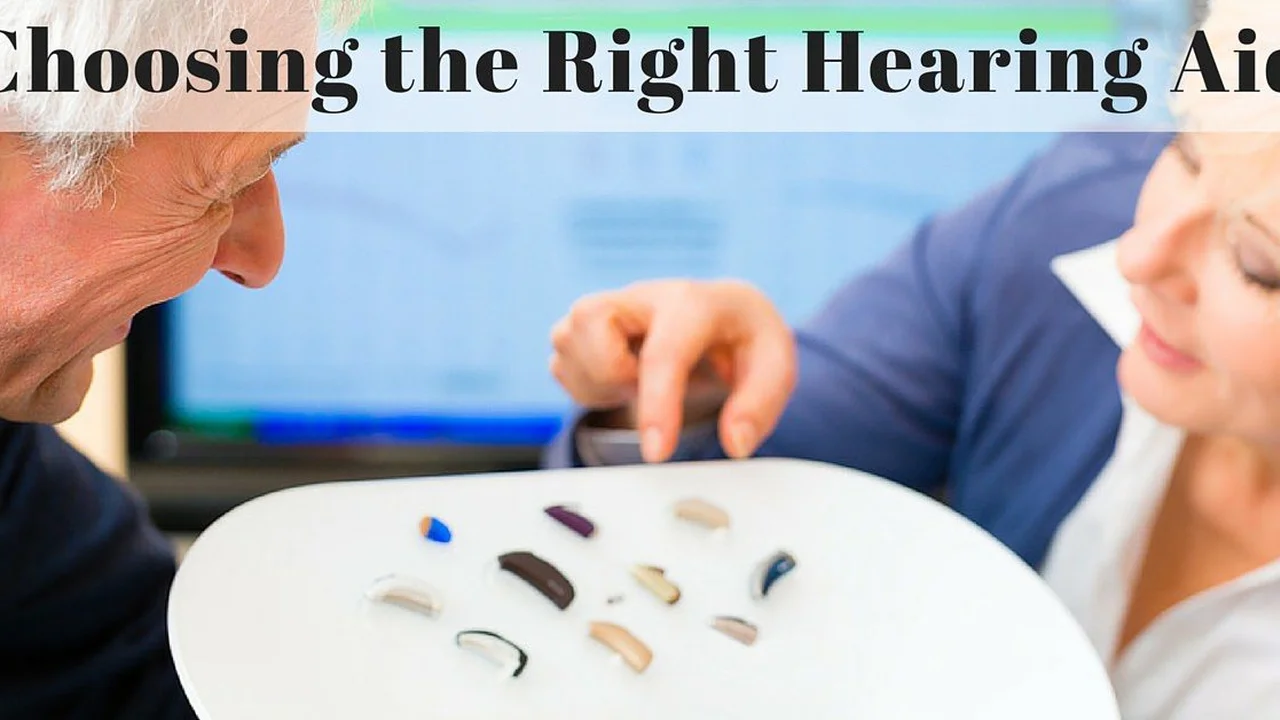
Understanding Hearing Aid Warranties and Guarantees
Navigate hearing aid warranties and guarantees. Learn what coverage to expect, common exclusions, and how to protect your investment.
Navigate hearing aid warranties and guarantees. Learn what coverage to expect, common exclusions, and how to protect your investment.
Understanding Hearing Aid Warranties and Guarantees
Why Hearing Aid Warranties and Guarantees Matter for Your Investment
So, you're about to invest in a new pair of hearing aids – that's fantastic! It's a big step towards better hearing and an improved quality of life. But before you swipe that card or sign on the dotted line, there's something super important you need to get a handle on: warranties and guarantees. Think of them as your safety net, protecting your significant investment from unexpected hiccups. Just like buying a new car or a fancy smartphone, hearing aids come with their own set of protections, and understanding them can save you a lot of headaches and money down the road. We're talking about peace of mind here, knowing that if something goes wrong, you're covered.
Decoding Hearing Aid Warranties What to Expect
Alright, let's break down what a typical hearing aid warranty actually entails. Generally, when you purchase new hearing aids, they come with a manufacturer's warranty. This is standard practice across the industry. These warranties usually cover defects in materials and workmanship. So, if your hearing aid suddenly stops working due to an internal component failure that wasn't caused by you dropping it in the toilet (oops!), the manufacturer will typically repair or replace it at no extra cost. The duration of these warranties can vary, but you'll often see them ranging from one to three years. Some premium models might even offer longer coverage, so it's always worth asking.
Manufacturer Warranties Key Coverage Details
What exactly does a manufacturer's warranty cover? Well, it's primarily about manufacturing defects. This means if a circuit board fails, a microphone stops picking up sound, or a receiver goes out, and it's not due to physical damage or misuse, you're usually in the clear. Most warranties will cover parts and labor for these types of repairs. It's important to note that these warranties typically start from the date of purchase. Keep your purchase receipt and warranty documentation handy, as you'll need them if you ever have to make a claim.
Common Exclusions in Hearing Aid Warranties What's Not Covered
Now, here's the crucial part: what's *not* covered. This is where many people get caught off guard. Most manufacturer warranties explicitly exclude damage caused by misuse, accidents, or unauthorized repairs. This means if you drop your hearing aid and it breaks, or if it gets wet (unless it's specifically rated as waterproof and the damage is within its water-resistance limits), you're likely on your own. Loss or theft is almost never covered by a standard manufacturer's warranty. Also, routine maintenance items like batteries, wax guards, and domes are consumables and are not typically covered. It's vital to read the fine print to understand these exclusions fully.
Understanding Hearing Aid Guarantees and Trial Periods
Beyond the warranty, many providers offer guarantees, often in the form of a trial period. This is a fantastic benefit, especially for first-time users. A trial period allows you to wear the hearing aids in your everyday life – at home, at work, in noisy restaurants – to see if they truly meet your needs and expectations. If you're not satisfied for any reason, you can usually return them for a refund or exchange within a specified timeframe.
Trial Periods Your Right to Try Before You Buy
Trial periods are often mandated by state law in the US, and they typically range from 30 to 60 days. This gives you ample time to adjust to the devices and determine if they're the right fit. During this period, you should be actively using the hearing aids and providing feedback to your audiologist or hearing care professional. They can make adjustments to optimize performance. If, after the trial, you're still not happy, you can return them. Be aware that some providers might charge a small restocking fee or a professional services fee if you return the hearing aids, so clarify this upfront.
Money Back Guarantees and Return Policies What to Look For
A money-back guarantee is essentially what the trial period offers. It assures you that if the hearing aids don't work out, you can get your money back, minus any agreed-upon fees. Always ask about the specific return policy: what's the deadline, what condition do the hearing aids need to be in, and what fees, if any, will be deducted? A transparent return policy is a sign of a reputable provider.
Extended Warranties and Loss and Damage Coverage Is It Worth It
Once the standard manufacturer's warranty expires, you might be offered an extended warranty. Additionally, many providers offer separate loss and damage coverage. These are optional but can provide significant peace of mind.
Extended Warranties Pros and Cons for Hearing Aid Longevity
Extended warranties prolong the coverage for manufacturing defects beyond the initial period. They can be a good idea if you plan to keep your hearing aids for many years, as repairs can be costly. However, weigh the cost of the extended warranty against the likelihood and potential cost of future repairs. Sometimes, the cost of an extended warranty can be close to the cost of a major repair, so do your math. Also, check if the extended warranty covers the same things as the original manufacturer's warranty or if there are new exclusions.
Loss and Damage Coverage Protecting Against the Unexpected
This is a big one, especially for active individuals or those prone to misplacing small items. Loss and damage coverage is separate from a standard warranty and specifically covers situations where your hearing aid is lost, stolen, or accidentally damaged beyond repair. This coverage usually involves a deductible, meaning you'll pay a portion of the replacement cost. It's often a one-time replacement per hearing aid within the coverage period. Given the high cost of hearing aids, this type of coverage can be a very wise investment, especially if your homeowner's or renter's insurance doesn't cover them adequately.
Insurance and Third Party Coverage for Hearing Aids
It's not just about manufacturer warranties and provider guarantees; your existing insurance policies might also offer some protection or benefits for your hearing aids.
Homeowners or Renters Insurance Checking Your Policy
Many people overlook their homeowners or renters insurance. Some policies might cover personal property, including hearing aids, against loss, theft, or damage. However, there might be specific limits or deductibles that apply. It's crucial to contact your insurance provider and ask specifically about coverage for medical devices like hearing aids. You might need to add a rider or schedule the hearing aids as a separate item to ensure adequate coverage, especially given their value.
Credit Card Purchase Protection Benefits for Hearing Aids
Did you know that some credit cards offer purchase protection? If you buy your hearing aids with a credit card that has this benefit, it might extend the manufacturer's warranty or provide coverage against loss or damage for a certain period after purchase. This is often an overlooked perk, so check with your credit card company to see what benefits they offer. It could be a pleasant surprise!
Navigating the Claims Process What to Do When Something Goes Wrong
Okay, so despite all your precautions, something happens to your hearing aid. Now what? Knowing the claims process can make a stressful situation much smoother.
Step by Step Guide to Filing a Warranty Claim
1. **Contact Your Provider First:** Your audiologist or hearing care professional is usually your first point of contact. They can often diagnose the issue and determine if it's a warranty-covered repair. They'll also handle the logistics of sending the hearing aid to the manufacturer if needed.
2. **Gather Documentation:** Have your purchase receipt, warranty card, and any other relevant paperwork ready. This proves ownership and coverage.
3. **Describe the Issue Clearly:** Be specific about what happened and when. This helps the technicians understand the problem quickly.
4. **Understand the Timeline:** Ask your provider about the expected repair time. It can sometimes take a week or two, so be prepared for that possibility.
Tips for Expediting Your Hearing Aid Repair or Replacement
To make things go as smoothly as possible:
* **Regular Maintenance:** Keep your hearing aids clean and well-maintained. This can prevent many common issues that might otherwise lead to a repair.
* **Prompt Action:** Don't wait if you notice a problem. Addressing issues early can sometimes prevent them from becoming more severe.
* **Communicate Clearly:** Provide all necessary information to your provider. The more details they have, the better they can assist you.
Specific Product Examples and Their Warranty Offerings
Let's look at some popular hearing aid brands and generally what kind of warranty and guarantee you might expect. Keep in mind that specific terms can vary by model, region, and provider, so always confirm directly.
Phonak Hearing Aids Warranty and Support
Phonak, a leading brand, typically offers a 1 to 3-year manufacturer's warranty on their devices, covering defects in materials and workmanship. For example, their popular **Phonak Audéo Lumity** series, known for its exceptional speech understanding and universal Bluetooth connectivity, usually comes with a solid warranty. Many providers selling Phonak will also offer a trial period, often 30-60 days, allowing you to test features like their 'StereoZoom 2.0' in various environments. Loss and damage coverage is usually an optional add-on, often covering one replacement per aid with a deductible. Prices for Lumity models can range from $2,000 to $4,000+ per aid, depending on the technology level and provider, making warranty and loss coverage particularly important.
Oticon Hearing Aids Warranty and Customer Care
Oticon is another major player, known for its 'BrainHearing' technology. Their devices, such as the **Oticon Real** or **Oticon More** series, typically come with a similar 1 to 3-year manufacturer's warranty. These aids excel in providing a more natural soundscape, and their warranty covers internal component failures. Trial periods are standard with Oticon providers, giving you time to experience features like their 'MoreSound Intelligence' in real-world scenarios. Optional loss and damage coverage is also common. Oticon aids generally fall into a similar price range as Phonak, from $2,000 to $4,500+ per aid, emphasizing the need for robust protection.
Starkey Hearing Aids Warranty and Protection Plans
Starkey, famous for its custom-fit and AI-powered hearing aids like the **Starkey Genesis AI**, usually provides a 1 to 3-year warranty. This covers manufacturing defects for their advanced features, including health tracking and fall detection. Starkey providers almost always offer a trial period, allowing you to evaluate the AI features and sound quality. Starkey often has comprehensive protection plans available, which can include extended warranties and loss and damage coverage, sometimes with a lower deductible than other brands. Given the high-tech nature and price point ($2,500 to $5,000+ per aid), these plans are highly recommended.
Resound Hearing Aids Warranty and Service Guarantees
Resound, known for its MFi (Made for iPhone) and Android connectivity, offers devices like the **Resound Omnia**. Their standard warranty typically ranges from 1 to 3 years, covering defects. Resound's focus on connectivity means you'll want to test features like direct streaming during your trial period, which is standard. Many Resound providers offer service guarantees that go beyond the manufacturer's warranty, sometimes including free cleanings and adjustments for the life of the aid. Loss and damage coverage is usually an optional purchase. Prices for Resound Omnia can be in the $1,800 to $3,800+ per aid range.
Widex Hearing Aids Warranty and Unique Features
Widex is recognized for its natural sound quality and unique 'PureSound' technology. Their devices, such as the **Widex Moment Sheer**, typically come with a 1 to 3-year manufacturer's warranty. The trial period is crucial for experiencing their distinct sound processing. Widex often has strong support networks through their authorized dealers, who can offer additional service guarantees. Loss and damage coverage is an important consideration for these premium devices. Widex Moment Sheer models can range from $2,200 to $4,200+ per aid.
Key Takeaways for Protecting Your Hearing Aid Investment
So, what's the bottom line here? When you're buying hearing aids, don't just focus on the features and the price tag. The warranty and guarantee package is just as important, if not more so, for your long-term satisfaction and financial protection.
Always Read the Fine Print Understanding Your Coverage
Seriously, read it! Don't just skim. Ask your provider to explain anything you don't understand. What are the exact terms of the manufacturer's warranty? What does the trial period entail? Are there any restocking fees? What are the exclusions for loss and damage coverage? Knowing these details upfront will prevent any unpleasant surprises later.
Ask About Extended Warranties and Loss Damage Protection
Even if you're on a budget, consider the value of extended warranties and especially loss and damage protection. Hearing aids are small, delicate, and expensive to replace. A small upfront cost for protection could save you thousands down the line. Discuss these options thoroughly with your hearing care professional.
Keep All Documentation Safe and Accessible
Treat your hearing aid documentation like gold. Keep your purchase receipt, warranty cards, and any insurance policy details in a safe, easily accessible place. You'll need them if you ever have to make a claim or seek service. Consider taking photos of the documents and storing them digitally as well.
Regular Communication with Your Hearing Care Professional
Your relationship with your hearing care professional doesn't end after the purchase. They are your go-to resource for understanding your warranty, processing claims, and providing ongoing support. Don't hesitate to ask questions or voice concerns. They are there to help you get the most out of your hearing aids and ensure your investment is protected.
:max_bytes(150000):strip_icc()/277019-baked-pork-chops-with-cream-of-mushroom-soup-DDMFS-beauty-4x3-BG-7505-5762b731cf30447d9cbbbbbf387beafa.jpg)