Best In The Ear ITE Hearing Aids Compared
Compare the best In-The-Ear (ITE) hearing aids. Understand their custom fit, features, and how they balance discretion with functionality.

Compare the best In-The-Ear (ITE) hearing aids. Understand their custom fit, features, and how they balance discretion with functionality.
Best In The Ear ITE Hearing Aids Compared
Understanding In-The-Ear ITE Hearing Aids What Are They
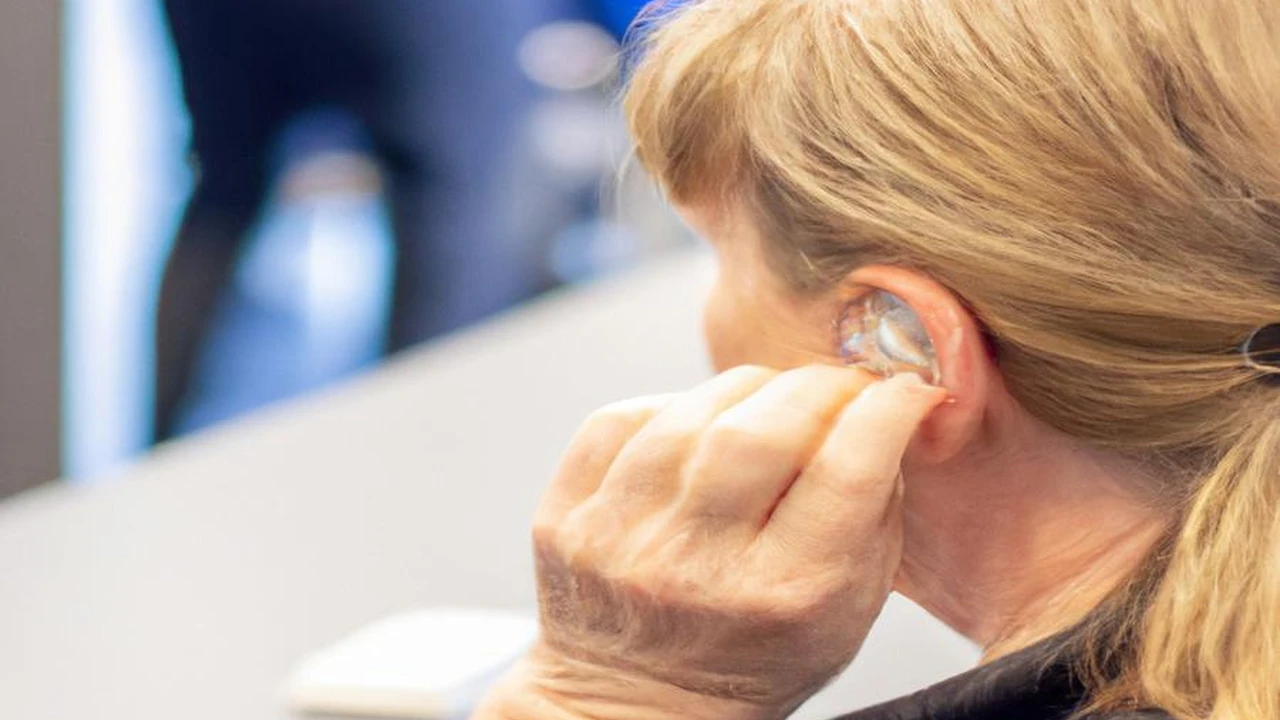
Hey there! So, you're looking into In-The-Ear (ITE) hearing aids, huh? That's a smart move, especially if you're after something a bit more discreet than those behind-the-ear models but still need a good punch of sound. ITE hearing aids, as the name suggests, sit right inside your outer ear. They're custom-made to fit the unique contours of your ear canal and concha (that bowl-shaped part of your outer ear). This custom fit isn't just for comfort; it's crucial for sound quality and preventing feedback. Because they're molded specifically for you, they tend to be super comfortable and stay put, which is a big plus for active folks or anyone who just doesn't want to constantly adjust their devices.
Now, within the ITE family, there are a few variations. You've got the full-shell ITEs, which fill most of the outer ear bowl, and then there are half-shell ITEs, which are a bit smaller and only fill the lower part of the outer ear. The choice between these often comes down to the degree of hearing loss you have and how much technology needs to be packed into the device. Generally, ITEs are suitable for mild to severe hearing loss. They're a fantastic middle-ground option, offering a good balance of power, features, and discretion. They're not as invisible as some of the completely-in-canal (CIC) or invisible-in-canal (IIC) models, but they're definitely less noticeable than traditional BTEs. Plus, their larger size compared to CICs means they can often house more features, like directional microphones, larger batteries for longer life, and easier-to-use controls. So, if you're weighing your options, ITEs are definitely worth a closer look.
Key Features and Benefits of ITE Hearing Aids Custom Fit and Discretion
Let's talk about what makes ITE hearing aids shine. The biggest draw for many is that custom fit. Imagine a device that's literally made just for your ear – no two are exactly alike! This personalized molding means a snug, secure fit that minimizes the chances of the hearing aid falling out or causing discomfort. It also helps a ton with sound quality because it creates a better seal, reducing sound leakage and feedback (that annoying whistling sound). This custom shell is usually made from an impression taken by your audiologist, ensuring it matches your ear's unique shape perfectly.
Beyond the fit, ITEs offer a great balance of discretion and functionality. While they're not completely hidden, they're far less conspicuous than traditional BTE models. They sit flush within your outer ear, making them quite subtle. But don't let their size fool you; they can pack a serious punch when it comes to features. Many ITE models come with directional microphones, which are fantastic for focusing on speech in noisy environments. They can also accommodate larger batteries, meaning longer battery life and less frequent changes – a huge convenience! Plus, their slightly larger size often allows for manual controls, like volume wheels or program buttons, which can be easier to manipulate for those with dexterity challenges compared to the tiny controls on smaller models. Some even have telecoils for better listening in looped environments like theaters or churches, and Bluetooth connectivity for streaming audio directly from your phone or other devices. It's all about getting that sweet spot between being seen and being heard clearly.
Comparing ITE Hearing Aids with Other Types BTE RIC CIC IIC
Alright, let's put ITEs into perspective by comparing them to their cousins in the hearing aid family. It's like choosing between different car models – they all get you from A to B, but how they do it, and what features they offer, can vary wildly.
First up, Behind-The-Ear (BTE) hearing aids. These are the most traditional style, with the main unit sitting behind your ear and a tube connecting to an earmold or dome in your ear canal. BTEs are generally the most powerful and can accommodate the largest batteries, making them suitable for severe to profound hearing loss. They're also very durable and often easier to handle for people with dexterity issues. However, they are the most visible option. ITEs offer more discretion while still providing good power, though typically not as much as the strongest BTEs.
Next, we have Receiver-In-Canal (RIC) or Receiver-In-Ear (RIE) hearing aids. These are super popular right now. Like BTEs, the main body sits behind the ear, but instead of a tube, a thin wire connects to a tiny speaker (receiver) that sits directly in your ear canal. RICs are very discreet, comfortable, and offer excellent sound quality because the receiver is so close to the eardrum. They're great for mild to severe hearing loss. ITEs are similar in discretion to some RICs, but the ITE's custom shell can sometimes offer a more secure fit and better feedback control, especially for those with specific ear canal shapes.
Then there are the truly tiny ones: Completely-In-Canal (CIC) and Invisible-In-Canal (IIC) hearing aids. These are the champions of discretion, sitting deep inside the ear canal, often virtually invisible. They're fantastic if aesthetics are your top priority. However, their small size means they have smaller batteries (shorter battery life), fewer features (no directional microphones, limited connectivity), and can be harder to handle. They're generally best for mild to moderate hearing loss. ITEs, being larger, can offer more features, longer battery life, and easier handling, while still maintaining a good level of discretion compared to BTEs or RICs.
So, in a nutshell: if maximum power and durability are key, BTEs might be your go-to. If discretion and advanced features with good power are important, RICs are a strong contender. If invisibility is paramount and you have mild to moderate loss, CIC/IIC could work. But if you want a great blend of custom comfort, good power, a decent feature set, and a good level of discretion without going completely invisible, ITEs hit that sweet spot perfectly.
Top ITE Hearing Aid Models Reviewed Features and Pricing
Alright, let's dive into some specific ITE models that are making waves in the market. Keep in mind that pricing can vary significantly based on the technology level (basic, mid-range, advanced, premium), the provider, and any bundled services. The prices I'm quoting are rough estimates per aid and can fluctuate.
Phonak Virto Paradise P-R ITE Hearing Aids
Overview: Phonak is a big name in hearing aids, and their Virto Paradise line is known for its exceptional sound quality and connectivity. The P-R stands for 'Paradise Rechargeable,' which is a huge convenience for many users. These are custom-made ITEs that offer a rich, natural sound experience.
Key Features:
- Paradise Sound Engine: Delivers crisp, natural sound for excellent speech understanding and a rich soundscape.
- Universal Bluetooth Connectivity: Connects directly to iOS, Android, and other Bluetooth-enabled devices for hands-free calls and audio streaming.
- Tap Control: Allows users to answer calls, pause/resume streaming, and activate voice assistants with a simple tap on the ear.
- Rechargeable: Offers a full day of hearing, including streaming, on a single charge.
- Custom Fit: Ensures comfort and optimal sound delivery.
- AutoSense OS 4.0: Automatically adapts to different listening environments for seamless hearing.
Ideal User: Someone who values premium sound quality, seamless smartphone connectivity, and the convenience of rechargeable batteries in a custom-fit ITE form factor. Great for active individuals who want to stream music or take calls on the go.
Estimated Price Range: $2,500 - $4,000+ per aid (depending on technology level and provider).
Oticon Own ITE Hearing Aids
Overview: Oticon's Own series focuses on discretion and brain-friendly sound processing. These ITEs are designed to work with your brain's natural way of processing sound, providing a more complete soundscape rather than just focusing on speech from the front.
Key Features:
- MoreSound Intelligence: Scans the sound environment 500 times per second to organize sounds and deliver a clear, balanced soundscape.
- MoreSound Amplifier: Provides precise amplification without distortion.
- Deep Neural Network (DNN): Trained with millions of sound scenes to recognize and process sounds more effectively, helping the brain make sense of them.
- Custom Fit: Available in various ITE styles, including CIC and IIC, for maximum discretion.
- Bluetooth Connectivity: Connects to compatible Apple and Android devices for direct streaming.
Ideal User: Individuals who prioritize natural sound processing, discretion, and want a hearing aid that supports their brain's cognitive load. Excellent for those who find traditional noise reduction systems too artificial.
Estimated Price Range: $2,000 - $3,800+ per aid.
Starkey Evolv AI ITE Hearing Aids
Overview: Starkey is a leader in integrating artificial intelligence into hearing aids, and their Evolv AI line is a testament to that. These ITEs offer advanced sound processing, health tracking, and personalized control.
Key Features:
- Starkey Sound: Delivers up to 55 million personalized adjustments per hour for clear, natural sound.
- Edge Mode: An on-demand AI feature that instantly optimizes sound for challenging listening environments with a tap.
- Health Tracking: Monitors physical activity and engagement, providing insights into overall well-being.
- Fall Detection: An important safety feature that can alert chosen contacts if a fall is detected.
- Thrive Hearing Control App: Offers personalized control, remote adjustments, and access to health tracking data.
- Bluetooth Connectivity: Direct streaming to iOS and Android devices.
- Custom Fit: Available in various ITE styles, including rechargeable options for some models.
Ideal User: Tech-savvy individuals who want more than just hearing amplification. Great for those interested in health tracking, safety features, and highly personalized sound experiences through AI.
Estimated Price Range: $2,300 - $4,200+ per aid.
Resound OMNIA ITE Hearing Aids
Overview: ReSound's OMNIA platform is all about improving hearing in noise and providing a more natural listening experience. Their ITE models bring this advanced technology into a custom-fit form factor.
Key Features:
- Organic Hearing: Designed to work with your ears and brain for a more natural and immersive sound experience.
- Front Focus: Enhances speech understanding in noisy environments by focusing on sounds coming from the front.
- Ultra Focus: An even stronger directional setting for extremely challenging listening situations.
- M&RIE (Microphone & Receiver-In-Ear): While primarily a RIC feature, the philosophy of using the natural ear shape for sound collection is integrated into their ITE design principles for better spatial awareness.
- Bluetooth Connectivity: Made for iPhone (MFi) and Android (ASHA) direct streaming.
- Custom Fit: Available in various ITE styles.
Ideal User: People who frequently find themselves in noisy environments and struggle with speech understanding. Also great for those who appreciate a natural sound experience and seamless connectivity.
Estimated Price Range: $2,200 - $3,900+ per aid.
Widex Moment Sheer ITE Hearing Aids
Overview: Widex is renowned for its natural sound quality, and the Moment Sheer line takes this to the next level with its 'PureSound' technology, aiming to eliminate artificial sound delays.
Key Features:
- PureSound with ZeroDelay Technology: Aims to eliminate the processing delay that can make amplified sound sound artificial, resulting in a more natural and immediate listening experience.
- SoundSense Learn: Allows users to personalize their hearing experience through an intuitive app, creating custom sound programs.
- Widex My Sound: Uses AI to help users find their preferred sound settings.
- Bluetooth Connectivity: Direct streaming from iOS and Android devices.
- Custom Fit: Available in various ITE and CIC/IIC styles, including rechargeable options for some.
Ideal User: Individuals who are sensitive to the artificial sound often associated with hearing aids and prioritize a truly natural, uncolored sound experience. Also good for those who like to fine-tune their settings.
Estimated Price Range: $2,400 - $4,100+ per aid.
Choosing the Right ITE Hearing Aid Factors to Consider
So, you've seen some of the top contenders, but how do you pick the right one for you? It's not a one-size-fits-all situation, and there are several important factors to weigh up. Think of it like buying a new phone or a car – you need to consider your lifestyle, your specific needs, and, of course, your budget.
Your Degree of Hearing Loss and Audiogram Results
This is probably the most crucial factor. Your audiogram, which is a map of your hearing, will tell your audiologist exactly what frequencies and volumes you're struggling with. ITE hearing aids are generally suitable for mild to severe hearing loss. If you have profound hearing loss, you might need the extra power of a BTE. The size of the ITE (full-shell vs. half-shell) can also depend on the power needed. A professional hearing test is the first step to understanding what level of amplification and frequency response you require.
Lifestyle and Daily Activities
Are you a quiet homebody, or are you constantly out and about in noisy environments? Your lifestyle heavily influences the features you'll need. If you're often in crowded restaurants, at social gatherings, or in busy workplaces, you'll benefit immensely from advanced noise reduction and directional microphone features. If you're an active person, you might want to consider models with good retention in the ear and perhaps some water resistance. If you spend a lot of time on the phone or listening to podcasts, robust Bluetooth connectivity is a must. Think about your typical day and where you struggle the most with your hearing.
Discretion and Aesthetics
Let's be honest, for many people, how a hearing aid looks is a big deal. ITEs offer a good balance here – they're custom-made to fit inside your ear, making them less noticeable than BTEs. Within the ITE category, you can go for a full-shell (more visible but potentially more features/power) or a half-shell (more discreet). Some manufacturers even offer different color options to blend with your skin tone or hair. If ultimate invisibility is your goal, you might lean towards a CIC or IIC, but remember the trade-offs in features and battery life.
Features and Technology Level
Modern hearing aids are packed with incredible technology. Do you need rechargeable batteries for convenience? Is direct streaming from your phone important for calls and music? Do you want AI-powered features like health tracking or on-demand sound optimization? Consider features like telecoils for looped venues, tinnitus maskers if you experience ringing in your ears, and advanced sound processing for speech clarity in noise. Higher technology levels usually mean more sophisticated features and better performance in complex listening environments, but they also come with a higher price tag.
Budget and Financing Options
Hearing aids are an investment, and prices can range significantly. It's important to have a realistic budget in mind. Remember that the cost often includes not just the device but also professional fitting, follow-up appointments, and ongoing support. Explore financing options, insurance coverage (Medicare, Medicaid, private insurance), and any government programs that might assist with costs. Sometimes, a slightly more expensive aid with better features might offer better long-term value if it significantly improves your quality of life.
Trial Periods and Aftercare Support
Always ask about trial periods. Most reputable providers offer a trial period (often 30-60 days) during which you can try the hearing aids in your daily life and return them if they're not suitable. This is crucial for ensuring satisfaction. Also, inquire about aftercare services. What's included in the price? How many follow-up appointments? What's the warranty like? Good ongoing support from your audiologist is vital for successful adaptation and long-term satisfaction with your ITE hearing aids.
Maximizing Your ITE Hearing Aid Experience Tips and Tricks
Getting a new pair of ITE hearing aids is just the first step. To truly get the most out of them, you'll need to put in a little effort and learn some best practices. Think of it like getting a new gadget – you wouldn't just unbox it and expect it to work perfectly without reading the manual or customizing settings, right?
The Adaptation Period Patience is Key
When you first start wearing ITE hearing aids, things might sound a bit... different. Your brain has been compensating for your hearing loss for a while, and suddenly it's getting a flood of new sounds. This can be overwhelming at first. Voices might sound tinny, your own voice might sound strange, and background noises you'd forgotten about will reappear. This is totally normal! Give yourself time – usually a few weeks to a few months – to adjust. Start by wearing them for a few hours a day in quiet environments, gradually increasing the wear time and exposing yourself to more complex soundscapes. Patience is your best friend during this period.
Regular Cleaning and Maintenance for Longevity
Because ITE hearing aids sit inside your ear, they're exposed to earwax, moisture, and skin oils. Regular cleaning is non-negotiable for optimal performance and longevity. Your audiologist will show you how, but generally, it involves wiping them down daily with a soft, dry cloth, using a small brush or wax pick to clear any wax from the sound port, and ensuring the vents are clear. Never use water or harsh chemicals. Consider investing in a hearing aid dehumidifier or drying kit, especially if you live in a humid climate or tend to sweat a lot. Proper maintenance prevents costly repairs and keeps your sound clear.
Utilizing Your Hearing Aid App and Accessories
Many modern ITE hearing aids come with companion smartphone apps. Don't just ignore them! These apps often allow you to adjust volume, change programs for different environments, fine-tune sound settings, and even access remote support from your audiologist. Explore all the features. Also, consider accessories like remote controls (if your dexterity is an issue), TV streamers for better audio from your television, or remote microphones for challenging listening situations. These can significantly enhance your overall hearing experience.
Follow-Up Appointments and Adjustments
Your initial fitting is just the beginning. Regular follow-up appointments with your audiologist are crucial. During these visits, they can make fine-tune adjustments to your hearing aids based on your feedback and experiences in real-world situations. Don't hesitate to tell them what's working and what's not. Your hearing can also change over time, so periodic check-ups ensure your ITEs are always optimized for your current needs. Think of your audiologist as your partner in better hearing.
Communication Strategies Beyond the Aid
While ITE hearing aids do an amazing job, they're not a magic bullet. Combining them with good communication strategies will yield the best results. Let people know you wear hearing aids. Ask them to speak clearly, face you, and reduce background noise if possible. Position yourself strategically in conversations to maximize your hearing. Don't be afraid to ask for repetition or clarification. These strategies, coupled with your ITEs, will empower you to engage more confidently in all aspects of your life.
Common Challenges with ITE Hearing Aids and Solutions
Even with the best ITE hearing aids, you might encounter a few bumps along the road. It's like any piece of technology – sometimes things don't go exactly as planned. But don't worry, most common issues have straightforward solutions.
Feedback or Whistling Sounds
Ah, the dreaded feedback! That high-pitched whistling sound can be super annoying. It usually happens when amplified sound leaks out of your ear and gets picked up by the hearing aid's microphone, creating a loop. For ITEs, this often points to an improper fit. Your ear canal can change shape over time, or the hearing aid might not be seated correctly. Solution: First, try reinserting the hearing aid firmly. If that doesn't work, check for earwax buildup in your ear or on the hearing aid itself. If the problem persists, it's time to see your audiologist. They might need to remake the custom shell for a tighter fit or adjust the feedback suppression settings.
Poor Sound Quality or Muffled Hearing
If sounds suddenly seem muffled, weak, or unclear, it's frustrating. Solution: The most common culprit here is earwax. Check the sound port of your ITE hearing aid for any visible wax blockage and clean it thoroughly with the provided tools. Also, check your own ear for excessive earwax buildup – sometimes you might need a professional ear cleaning. If the sound is still poor, the battery might be low (if it's not rechargeable), or the microphone or speaker might be dirty or damaged. Try changing the battery or cleaning the device again. If all else fails, your audiologist can diagnose and fix the issue, which might involve a repair or adjustment.
Discomfort or Soreness in the Ear
Your ITE hearing aids should be comfortable. If you're experiencing pain, soreness, or persistent itching, something isn't right. Solution: This almost always indicates a fit issue. The custom shell might be rubbing against a sensitive part of your ear, or it might be too tight. Don't try to modify it yourself! Contact your audiologist immediately. They can usually make minor adjustments to the shell by grinding down small areas, or in some cases, a new impression and shell might be needed. Persistent itching could also be a sign of an allergic reaction to the shell material, which your audiologist can also address.
Battery Life Issues
If your non-rechargeable batteries are dying too quickly, or your rechargeable ITEs aren't holding a charge, it's a hassle. Solution: For disposable batteries, ensure you're using fresh batteries and storing them correctly (at room temperature, sealed). High humidity or extreme temperatures can affect battery life. For rechargeable aids, make sure the charging contacts are clean and the charger is working properly. If battery life is consistently shorter than expected, it could indicate a problem with the hearing aid itself, or perhaps you're streaming a lot of audio, which drains power faster. Your audiologist can check the device's power consumption and offer solutions.
Connectivity Problems with Bluetooth Devices
Modern ITEs often boast great Bluetooth connectivity, but sometimes pairing or maintaining a connection can be tricky. Solution: First, ensure both your hearing aids and the Bluetooth device (phone, tablet) have Bluetooth enabled and are in pairing mode. Try turning both devices off and on again. Sometimes, simply unpairing and re-pairing the devices can resolve the issue. Make sure your hearing aid's firmware is up to date. If you're still struggling, consult your audiologist or the hearing aid manufacturer's support. They can guide you through the specific pairing process for your model or troubleshoot more complex connectivity issues.
Remember, your audiologist is your primary resource for any issues with your ITE hearing aids. Don't hesitate to reach out to them for help and advice. They're there to ensure you have the best possible hearing experience.
:max_bytes(150000):strip_icc()/277019-baked-pork-chops-with-cream-of-mushroom-soup-DDMFS-beauty-4x3-BG-7505-5762b731cf30447d9cbbbbbf387beafa.jpg)