The Role of an Audiologist in Hearing Care
Learn about the vital role of audiologists in diagnosing hearing loss, fitting hearing aids, and providing ongoing support for optimal hearing health.

Learn about the vital role of audiologists in diagnosing hearing loss, fitting hearing aids, and providing ongoing support for optimal hearing health.
The Role of an Audiologist in Hearing Care
Understanding the Audiologist's Expertise in Hearing Health
Ever wondered who the real superheroes of sound are? Well, when it comes to your hearing health, that cape-wearing professional is often an audiologist. These aren't just folks who hand out hearing aids; they're highly trained healthcare professionals specializing in diagnosing, treating, and managing hearing loss and balance disorders. Think of them as your personal guides through the often-complex world of ears and sound. They've got the academic chops, usually holding a Doctor of Audiology (Au.D.) degree, which means years of intensive study and clinical practice. This isn't a quick certification; it's a deep dive into the anatomy and physiology of the ear, the physics of sound, and the psychological and social impacts of hearing loss. So, when you walk into an audiologist's office, you're stepping into a space of genuine expertise.
Comprehensive Hearing Assessment and Diagnosis by Audiologists
One of the first and most crucial steps an audiologist takes is a comprehensive hearing assessment. This isn't just a simple 'can you hear this beep?' test. Oh no, it's far more intricate. They use a battery of tests to get a complete picture of your hearing abilities. This includes pure-tone audiometry, which measures the softest sounds you can hear at different pitches. Then there's speech audiometry, which assesses how well you understand spoken words, both in quiet and noisy environments. They might also perform tympanometry to check the middle ear function and otoacoustic emissions (OAEs) to evaluate the inner ear's health. For balance issues, they might conduct videonystagmography (VNG) or other vestibular tests. All these tests aren't just random; they're carefully selected to pinpoint the type, degree, and configuration of your hearing loss. This detailed diagnosis is the foundation for any effective treatment plan. Without it, you're just guessing, and when it comes to your senses, guessing isn't a good strategy.
Personalized Hearing Aid Fitting and Programming by Audiologists
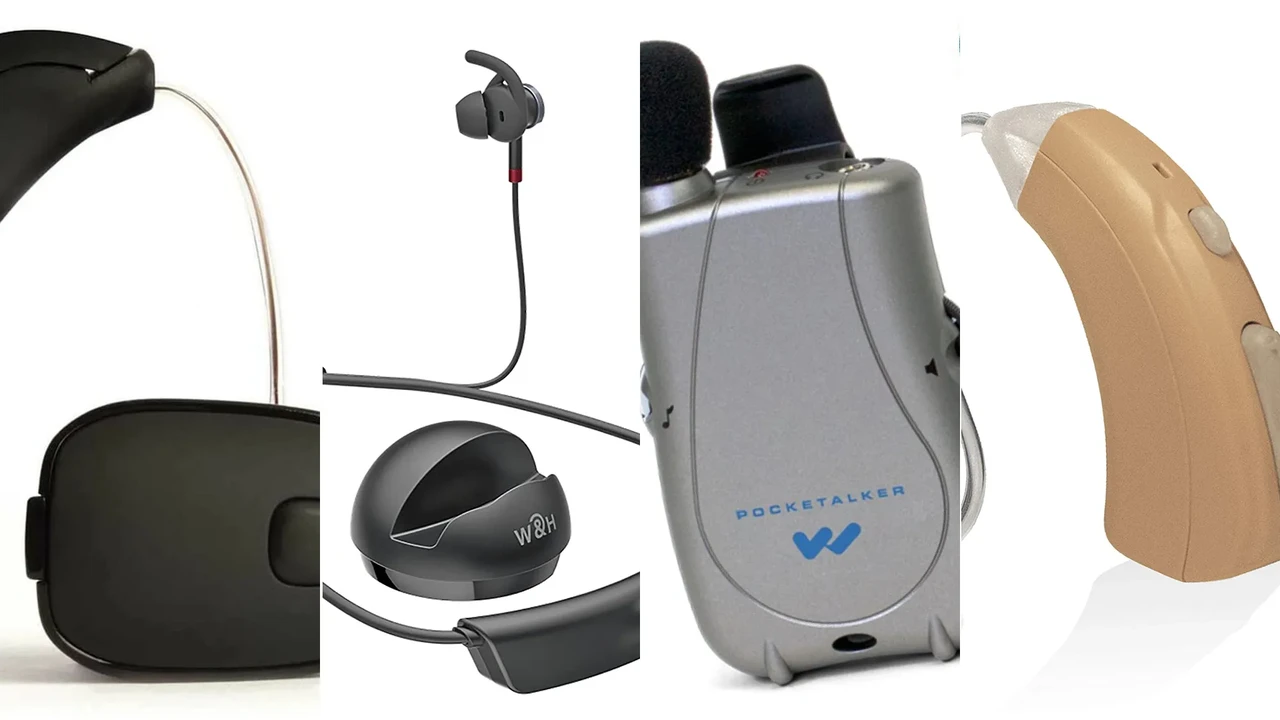
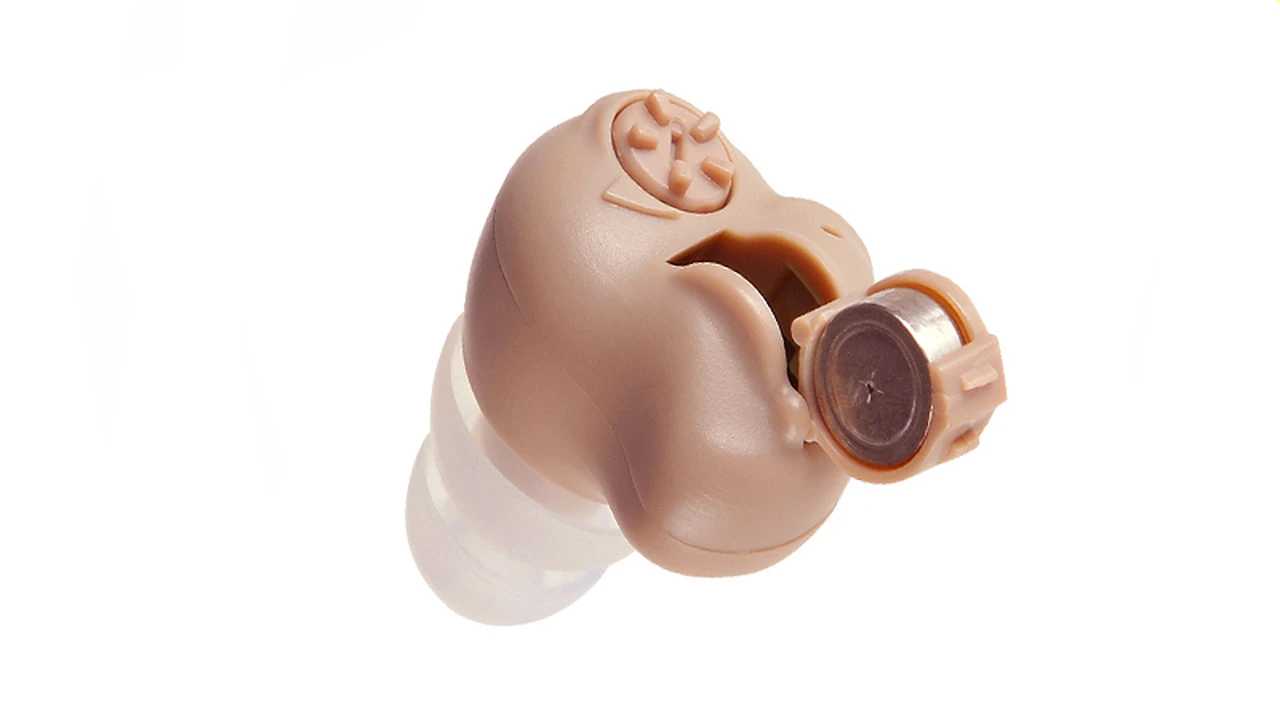
Once a diagnosis is made, if hearing aids are recommended, this is where an audiologist truly shines. It's not about picking a device off a shelf; it's about a highly personalized fitting process. They consider your specific hearing loss, lifestyle, cosmetic preferences, and budget. They'll discuss various styles – from discreet completely-in-canal (CIC) models to powerful behind-the-ear (BTE) devices. But the fitting goes beyond just choosing a style. It involves precise programming of the hearing aids to match your unique audiogram. This is done using specialized software that adjusts amplification levels across different frequencies. They'll also perform real-ear measurements (REM), which is a fancy way of saying they'll measure how the hearing aid is performing in your actual ear canal, ensuring the sound reaching your eardrum is optimized for your hearing loss. This meticulous process ensures you're getting the most out of your devices, maximizing speech clarity and comfort. It's a world away from simply buying an over-the-counter device and hoping for the best.
Ongoing Support and Rehabilitation from Your Audiologist
The audiologist's role doesn't end once you walk out with your new hearing aids. In fact, that's just the beginning of a long-term relationship. They provide crucial follow-up care, fine-tuning your devices as your brain adapts to new sounds. They'll teach you how to clean and maintain your hearing aids, troubleshoot common issues, and maximize their features. Beyond the devices themselves, audiologists offer aural rehabilitation, which includes strategies for improving communication skills, managing difficult listening situations, and understanding the psychological aspects of hearing loss. They're there to answer your questions, address your concerns, and ensure your hearing journey is as smooth as possible. This ongoing support is invaluable, helping you adapt to your new hearing and integrate your devices seamlessly into your daily life.
Comparing Audiologist Services with Other Hearing Care Providers
It's important to understand that not all hearing care providers are created equal. While hearing instrument specialists (HIS) can fit and dispense hearing aids, they typically don't have the same extensive diagnostic training as audiologists. An audiologist's comprehensive education allows them to diagnose complex hearing and balance disorders, differentiate between medical and non-medical causes of hearing loss, and provide a broader range of rehabilitative services. For instance, if your hearing loss is due to an underlying medical condition, an audiologist is better equipped to identify this and refer you to the appropriate medical specialist. While OTC hearing aids are becoming more accessible, they are generally suitable for mild to moderate hearing loss and don't offer the personalized fitting and ongoing support that an audiologist provides. For anyone with significant or complex hearing loss, or those seeking the most thorough and personalized care, an audiologist is undoubtedly the gold standard.
Specific Hearing Aid Products and Their Audiological Application
Let's talk about some specific hearing aid products and how an audiologist might recommend them, considering various scenarios and price points. Remember, these are just examples, and the best choice always depends on your individual needs after a thorough assessment by an audiologist.
Phonak Paradise P90: Advanced Features and Connectivity
The Phonak Audeo Paradise P90 is often a top recommendation for individuals seeking advanced features and excellent connectivity. These are Receiver-In-Canal (RIC) hearing aids, known for their discreet design and powerful performance. An audiologist might recommend the P90 for someone with moderate to severe hearing loss who leads an active lifestyle and values seamless integration with their digital world. The P90 boasts universal Bluetooth connectivity, allowing direct streaming from virtually any smartphone (iOS and Android), TV, and other Bluetooth-enabled devices. It also features excellent speech understanding in noisy environments, thanks to its AutoSense OS 4.0 operating system, which automatically adapts to different soundscapes. For someone who frequently attends social gatherings, works in a busy office, or enjoys listening to podcasts directly through their aids, the P90 is a strong contender. The rechargeable option is also a huge plus for convenience. Price range: Typically in the higher tier, around $3,000 - $7,000 per pair, depending on the provider and included services.
Oticon More 1: BrainHearing Technology for Natural Sound
The Oticon More 1 is another premium RIC hearing aid that an audiologist might suggest, especially for those who prioritize a natural sound experience. Oticon's unique 'BrainHearing' technology aims to give your brain more of the soundscape, rather than just focusing on speech. This means you get a fuller, more balanced sound environment, which can be less fatiguing over time. An audiologist would recommend the More 1 for individuals with mild to severe hearing loss who struggle with understanding speech in complex environments but also want to hear the nuances of their surroundings. It's great for music lovers or those who enjoy being immersed in nature's sounds. It also offers direct streaming from iOS and select Android devices. The rechargeable version provides a full day of power. Price range: Similar to Phonak P90, often $3,000 - $7,000 per pair.
Starkey Evolv AI: AI-Powered Personalization and Health Tracking
For the tech-savvy individual or someone interested in health monitoring, an audiologist might introduce the Starkey Evolv AI. These hearing aids come in various styles, including RIC and custom In-The-Ear (ITE) models. What sets Evolv AI apart is its integration of artificial intelligence. It offers features like fall detection, activity tracking, and even translation services through its companion app. An audiologist would consider Evolv AI for someone with mild to severe hearing loss who wants a highly personalized listening experience that adapts to their environment, along with the added benefits of health and wellness tracking. The Edge Mode feature, activated by a tap, uses AI to instantly optimize sound for challenging listening situations. For older adults living alone, the fall detection can be a significant peace of mind feature. Price range: High-end, typically $3,000 - $7,000 per pair.
ReSound ONE: M&RIE for Enhanced Sound Localization
The ReSound ONE, particularly with its Microphone & Receiver-In-Ear (M&RIE) design, is a unique offering that an audiologist might recommend for those seeking improved sound localization and a more natural hearing experience. The M&RIE places a third microphone inside the ear canal, utilizing the natural shape of your ear to collect sound, just like an unaided ear. This can significantly improve sound localization and provide a more natural perception of your surroundings. An audiologist would suggest ReSound ONE for individuals with mild to severe hearing loss who struggle with pinpointing where sounds are coming from, or who desire a very open and natural sound. It's excellent for outdoor enthusiasts or those who frequently engage in conversations in varied environments. It also offers direct streaming and rechargeable options. Price range: Upper-mid to high tier, often $2,500 - $6,500 per pair.
Widex Moment: Pure, Undelayed Sound for Clarity
The Widex Moment is a strong recommendation from an audiologist for individuals who complain about the artificial or 'tinny' sound often associated with hearing aids. Widex's PureSound™ technology aims to eliminate processing delay, delivering a more natural and pure sound experience. This can be a game-changer for first-time users or those sensitive to sound processing artifacts. An audiologist would recommend the Moment for mild to severe hearing loss, especially for those who prioritize sound quality and clarity above all else. It's particularly good for music appreciation and understanding speech in quiet environments. It comes in various styles, including rechargeable RIC and custom ITE options, and offers direct streaming. Price range: Mid to high tier, typically $2,500 - $6,000 per pair.
Entry-Level and OTC Options: When an Audiologist Might Guide You
While audiologists primarily work with prescription-level devices, they can also guide you on appropriate entry-level or over-the-counter (OTC) options for mild to moderate hearing loss. For example, an audiologist might suggest a product like the Jabra Enhance Plus (around $799 per pair) for someone with very mild hearing loss who is looking for a discreet, self-fitting solution that also functions as earbuds. Or they might discuss the Lexie B2 Powered by Bose (around $999 per pair) for those seeking a user-friendly OTC option with app-based customization. While these don't offer the same level of personalization and power as prescription aids, an audiologist can help you determine if they are suitable for your specific hearing profile and provide advice on how to get the most out of them, or when it's time to consider a more comprehensive solution. They can also perform the initial hearing test to confirm if OTC is even appropriate for your hearing loss type.
The Importance of Regular Audiological Check-ups for Hearing Aid Users
Just like you get regular check-ups for your car or your teeth, your hearing aids and your hearing health need consistent attention. Regular visits to your audiologist are crucial. These appointments allow them to monitor your hearing, make any necessary adjustments to your hearing aid programming, and address any changes in your hearing loss. They can also perform professional cleaning and maintenance on your devices, which is vital for their longevity and optimal performance. Think of it as preventative care for your hearing. These check-ups ensure that your hearing aids continue to meet your evolving needs and that you're always getting the best possible hearing experience. It's an investment in your long-term hearing health and overall quality of life.
Advocacy and Education: Audiologists Empowering Patients
Beyond the clinical aspects, audiologists also play a significant role as advocates and educators. They empower patients by providing clear, understandable information about their hearing loss, treatment options, and communication strategies. They can help you navigate insurance complexities, understand your rights, and connect you with support groups or resources. They advocate for better accessibility and understanding of hearing loss in the community. This educational component is vital, as it helps individuals and their families cope with the challenges of hearing loss and live more fulfilling lives. They're not just treating ears; they're supporting people.
Choosing Your Audiologist: Key Considerations
So, how do you choose the right audiologist? Look for someone with proper credentials (Au.D. is a good indicator). Consider their experience, especially with your specific type of hearing loss or age group. Read reviews and ask for recommendations. A good audiologist will have excellent communication skills, be patient, and make you feel comfortable asking questions. They should offer a comprehensive range of services, from diagnostics to fitting and ongoing support. Most importantly, they should listen to your concerns and work collaboratively with you to find the best solutions for your unique hearing journey. Your relationship with your audiologist is a partnership, and finding the right one can make all the difference in achieving optimal hearing health.
The Future of Audiology and Hearing Technology
The field of audiology is constantly evolving, with exciting advancements on the horizon. We're seeing more integration of artificial intelligence, leading to even smarter and more adaptive hearing aids. Tele-audiology is expanding, making hearing care more accessible, especially in remote areas. Personalized medicine is becoming more prevalent, with treatments tailored to an individual's genetic profile. Audiologists are at the forefront of these innovations, continuously updating their knowledge and skills to bring the latest and best solutions to their patients. This means even more effective diagnoses, more sophisticated hearing aids, and ultimately, a better quality of life for those with hearing loss. The future of hearing care is bright, and audiologists will continue to be the guiding light.
:max_bytes(150000):strip_icc()/277019-baked-pork-chops-with-cream-of-mushroom-soup-DDMFS-beauty-4x3-BG-7505-5762b731cf30447d9cbbbbbf387beafa.jpg)