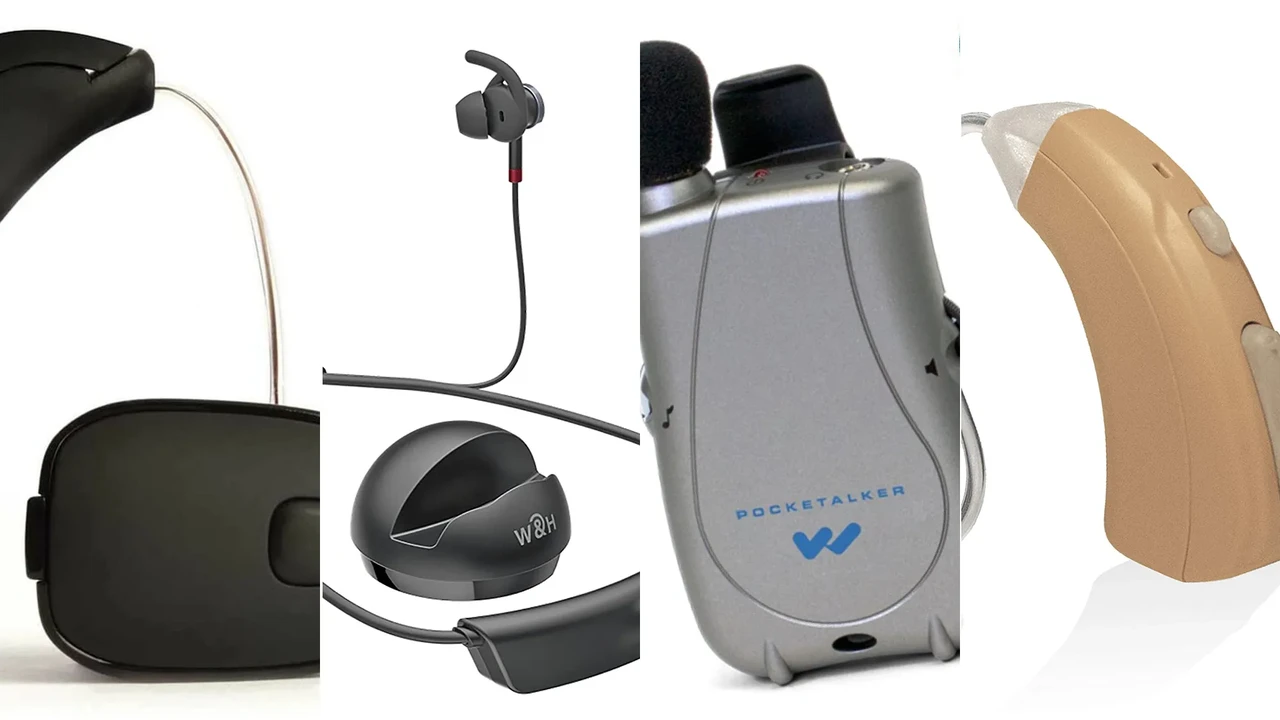
Refurbished Hearing Aids Are They Worth It
Consider refurbished hearing aids. Learn about the pros and cons, where to buy them safely, and if they offer good value for your hearing needs.
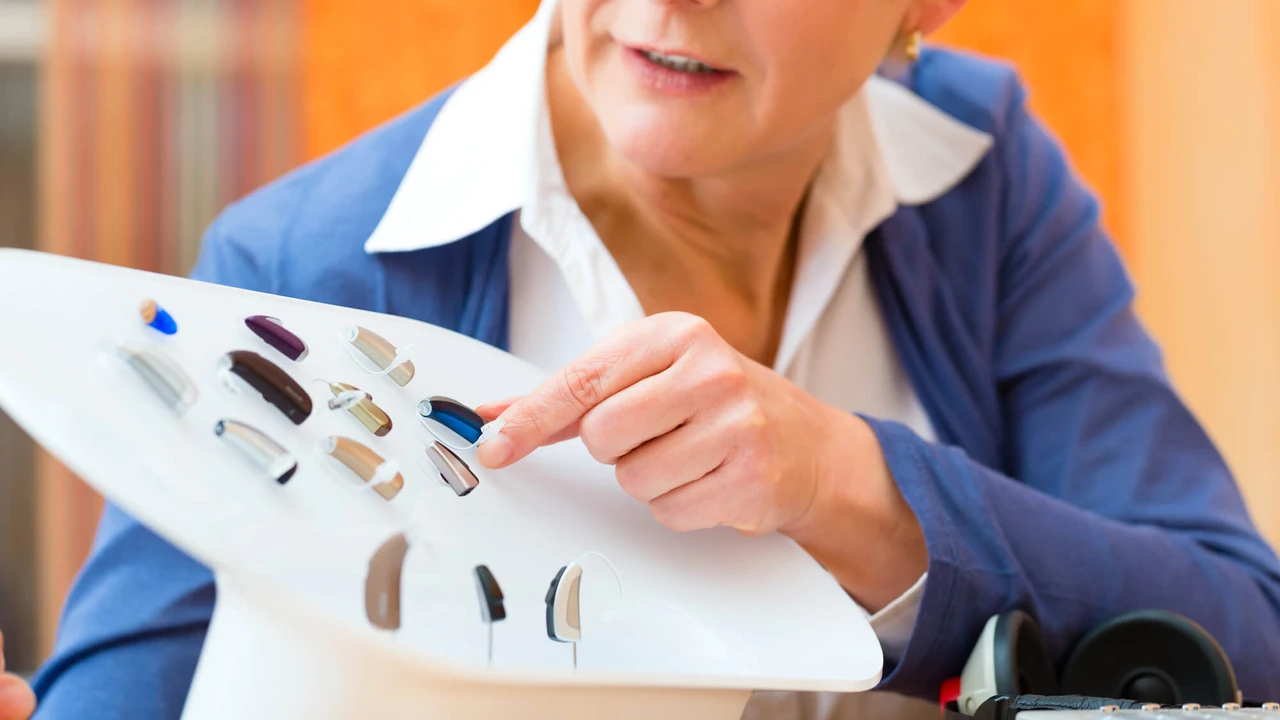
Consider refurbished hearing aids. Learn about the pros and cons, where to buy them safely, and if they offer good value for your hearing needs.
Refurbished Hearing Aids Are They Worth It
Hey there! So, you're thinking about getting hearing aids, but the price tag on new ones is making your wallet wince? You're not alone. Many people are exploring alternatives, and refurbished hearing aids often pop up as a potential solution. But what exactly are they? Are they safe? And most importantly, are they actually worth your hard-earned cash? Let's dive deep into the world of refurbished hearing aids and figure it all out.
What Exactly Are Refurbished Hearing Aids Understanding the Basics
First things first, let's clear up what 'refurbished' means in the context of hearing aids. It's not the same as 'used' or 'second-hand' in the way you might think of a used car. When a hearing aid is refurbished, it typically goes through a rigorous process to bring it back to a like-new condition. This usually involves:
- Thorough Cleaning and Sanitization: Every nook and cranny is cleaned and disinfected to ensure it's hygienic for the next user.
- Component Inspection and Replacement: Technicians check all internal and external components. Any worn-out or faulty parts, like microphones, receivers, or battery doors, are replaced with new, original manufacturer parts.
- Software Reset and Update: The device's software is reset to factory settings and often updated to the latest version, ensuring optimal performance.
- Calibration and Testing: The hearing aid is calibrated and tested using specialized equipment to ensure it meets the original manufacturer's specifications for sound quality, amplification, and functionality.
- New Accessories: Often, refurbished hearing aids come with new ear domes, tubes, wax guards, and sometimes even a new case and charger.
So, while they might have had a previous owner, a properly refurbished hearing aid should function just like a brand-new one. The key here is 'properly refurbished,' which we'll get into more later.
The Big Question The Pros of Choosing Refurbished Hearing Aids
Why would anyone opt for refurbished over new? Well, there are some pretty compelling reasons:
Significant Cost Savings Making Hearing Aids More Affordable
This is usually the number one reason. Refurbished hearing aids can be significantly cheaper than their brand-new counterparts, often saving you anywhere from 30% to 70% off the original retail price. For many, this makes high-quality hearing technology accessible when it otherwise wouldn't be. Imagine getting a top-tier model for the price of a mid-range new one!
Access to Premium Features and Technology High End Hearing Solutions
Because of the cost savings, you might be able to afford a more advanced model than you could if you were buying new. This means access to features like advanced noise reduction, Bluetooth connectivity, rechargeable batteries, and sophisticated sound processing that might have been out of your budget otherwise. This is a huge plus if you're looking for specific functionalities to improve your listening experience in challenging environments.
Environmentally Friendly Sustainable Hearing Aid Choices
Choosing refurbished is also a greener option. It reduces electronic waste and extends the life cycle of existing devices, contributing to a more sustainable planet. If you're someone who cares about your environmental footprint, this is a definite bonus.
Shorter Waiting Times Quick Access to Hearing Improvement
Sometimes, popular new models can have waiting lists. Refurbished units are often readily available, meaning you can get your hearing aids and start improving your hearing sooner.
The Potential Downsides What to Watch Out For with Refurbished Hearing Aids
It's not all sunshine and rainbows, though. There are some potential drawbacks and risks you need to be aware of:
Varying Quality and Reliability Ensuring a Good Refurbishment
This is the biggest concern. The quality of refurbishment can vary wildly depending on where you buy them. Some sellers do a fantastic job, while others might cut corners. A poorly refurbished hearing aid might not perform as expected, could have a shorter lifespan, or might even have underlying issues that weren't properly addressed. This is why choosing a reputable seller is absolutely critical.
Limited Warranty and Support Understanding Your Coverage
While many reputable sellers offer a warranty on refurbished units, it's often shorter than the warranty on new hearing aids. New devices typically come with a 1-3 year warranty, while refurbished ones might only have 6 months to a year. After-sales support, including free adjustments or repairs, might also be more limited or come at an additional cost compared to buying new from an audiologist.
Older Technology Considerations for Advanced Features
While you might get a premium model for less, it's important to remember that it might be a premium model from a few years ago. Hearing aid technology evolves rapidly, so a refurbished device might not have the absolute latest features or processing capabilities. For example, a refurbished model from 3 years ago might not have the most advanced AI-driven sound processing or the newest Bluetooth LE Audio standard.
Fewer Customization Options Personalizing Your Hearing Aids
New hearing aids often come with a wider range of color options, styles, and custom earmold choices. With refurbished units, you might be limited to what's available. While the internal components are standardized, the external casing might show minor cosmetic wear, though reputable refurbishers usually ensure they look as good as new.
Fitting and Programming Challenges The Importance of Professional Help
This is a crucial point. Hearing aids, whether new or refurbished, need to be professionally fitted and programmed to your specific hearing loss. Buying a refurbished hearing aid online without the support of an audiologist for fitting and follow-up care is a recipe for disappointment. Even if the device itself is perfectly functional, if it's not programmed to your unique audiogram, it won't provide optimal benefit. Some online sellers might offer remote programming, but in-person adjustments are often superior, especially for first-time users.
Where to Buy Refurbished Hearing Aids Safely and Smartly
If you decide to go the refurbished route, where you buy from is paramount. Here are your best bets:
Reputable Online Retailers and Specialized Refurbishers Trusted Sources
There are online companies that specialize in refurbishing and selling hearing aids. Look for those with a strong track record, positive customer reviews, and clear policies on refurbishment processes, warranties, and returns. Examples might include sites like HearStore (though always verify current offerings and reputation) or other specialized hearing aid resellers. Always check their BBB rating and independent review sites.
Audiologist Clinics and Practices Professional Guidance
Some audiologist clinics might offer refurbished hearing aids, often trade-ins from patients who upgraded. This is an excellent option because you get the benefit of professional fitting, programming, and ongoing support, which is invaluable. They'll ensure the device is suitable for your hearing loss and provide the necessary aftercare.
Manufacturer Certified Refurbished Programs Official Channels
Occasionally, major hearing aid manufacturers might have their own certified refurbished programs. These are usually the safest bet, as the devices are refurbished by the original manufacturer using genuine parts and tested to their exact standards. Check the websites of brands like Phonak, Oticon, Signia, or ReSound for such programs.
Avoid Unverified Sellers and Auction Sites Risky Purchases
Be very wary of buying refurbished hearing aids from unverified sellers on general auction sites or marketplaces. You have no guarantee of the quality of refurbishment, the authenticity of the parts, or any after-sales support. It's a high-risk gamble that often doesn't pay off.
Key Considerations Before Making Your Refurbished Purchase
Before you click 'buy,' ask yourself (and the seller) these questions:
- What is the warranty period? A minimum of 6 months is advisable.
- What is the return policy? Look for a generous trial period (e.g., 30-60 days) so you can test them out.
- Who performs the refurbishment? Is it an in-house team, a certified third party, or the original manufacturer?
- Are new accessories included? (e.g., domes, tubes, wax guards, charger).
- What kind of after-sales support is offered? Does it include programming, adjustments, or cleaning services?
- Is a recent audiogram required? A reputable seller will insist on this to ensure proper fitting.
- What is the exact model and age of the device? Knowing this helps you research its features and capabilities.
Specific Product Examples and Scenarios Exploring Refurbished Options
Let's look at some hypothetical scenarios and product types where refurbished hearing aids might be a great fit, along with typical price ranges (these are estimates and can vary widely):
Scenario 1 The Budget Conscious First Time User
User Profile: Someone with mild to moderate hearing loss, new to hearing aids, looking for basic amplification and improved speech clarity without breaking the bank. They might not need all the bells and whistles of the latest models but want reliable performance.
Recommended Refurbished Models (Examples):
- Phonak Audeo B-R (Rechargeable RIC): This was a popular model a few years back, known for its reliable performance and rechargeable option. A refurbished unit might offer excellent value.
- Oticon Opn 1 (RIC): While not the absolute newest, the Opn series introduced groundbreaking open sound experience. A refurbished Opn 1 could provide premium sound processing at a mid-range new price.
- Signia Pure 13 BT (RIC with Bluetooth): Offers solid performance and direct streaming to smartphones, which is a great feature for many users.
Typical Refurbished Price Range: $800 - $1500 per aid (compared to $1800 - $3000+ new).
Why it's a good fit: These models, even a few generations old, offer significant improvements over untreated hearing loss. The cost savings allow the user to experience the benefits of hearing aids without a huge initial investment. The focus here is on core functionality and reliability.
Scenario 2 The Tech Savvy User on a Moderate Budget
User Profile: Someone who wants more advanced features like Bluetooth streaming, better noise reduction, and perhaps a companion app for control, but still wants to save money compared to buying the absolute latest models new.
Recommended Refurbished Models (Examples):
- ReSound LiNX Quattro (RIC/BTE): Known for its excellent sound quality, direct streaming to both iOS and Android, and advanced app control. A refurbished Quattro could be a fantastic deal.
- Starkey Livio AI (RIC/BTE): These models introduced AI features like fall detection and language translation. A refurbished Livio AI could offer these innovative features at a more accessible price point.
- Widex Moment (RIC/BTE): Praised for its natural sound processing and quick sound delivery. A refurbished Moment could provide a very satisfying listening experience.
Typical Refurbished Price Range: $1200 - $2000 per aid (compared to $2500 - $4000+ new).
Why it's a good fit: These models, while perhaps not the very latest generation, still pack a punch with advanced features that significantly enhance the user experience. The refurbished price makes these premium features attainable for a wider audience.
Scenario 3 The User Needing Specific Power or Style
User Profile: Someone with severe to profound hearing loss needing powerful BTE aids, or someone looking for a very discreet IIC/CIC style, where new custom models can be very expensive.
Recommended Refurbished Models (Examples):
- Phonak Naída Link M (Power BTE): A robust power BTE from a few generations ago, still offering excellent amplification and connectivity for severe losses.
- Oticon Xceed (Power BTE): Another strong contender for severe to profound loss, known for its open sound approach even in high-power devices.
- Custom IIC/CIC Models (Various Brands): Finding refurbished custom-fit aids can be trickier as they are molded to an individual ear. However, some specialized refurbishers might offer them, often requiring a new shell to be made from your ear impression. This can still be cheaper than a brand-new custom aid.
Typical Refurbished Price Range: $1000 - $2500 per aid (compared to $2000 - $5000+ new, especially for custom or high-power models).
Why it's a good fit: For specific needs like high power or extreme discretion, new models can be prohibitively expensive. Refurbished options can provide the necessary amplification or desired form factor at a more manageable cost, allowing users to get the specific type of aid they require.
Comparing Refurbished to New and OTC Hearing Aids
It's helpful to put refurbished hearing aids into context with the other options available:
Refurbished vs New Hearing Aids Value and Features
- Cost: Refurbished wins significantly on price.
- Latest Tech: New wins, always having the absolute cutting-edge features.
- Warranty: New typically has a longer, more comprehensive warranty.
- Customization: New offers more choices in color, style, and often custom molds.
- Aftercare: Buying new from an audiologist usually includes extensive aftercare. Refurbished might require separate arrangements.
When to choose refurbished over new: When budget is a primary concern, and you're comfortable with slightly older (but still excellent) technology, or if you're looking for a specific premium feature that's now affordable as a refurbished unit.
Refurbished vs Over The Counter OTC Hearing Aids Accessibility and Performance
- Cost: OTC hearing aids are generally the cheapest option, often ranging from $200 - $1500 per pair. Refurbished can be more expensive but offer better technology.
- Fitting: OTCs are designed for self-fitting for mild to moderate loss. Refurbished aids, especially from reputable sources, still benefit greatly from professional fitting.
- Technology: Refurbished aids (even older models) often have more advanced processing, noise reduction, and directional microphone capabilities than most OTCs.
- Suitability: OTCs are best for mild to moderate, uncomplicated hearing loss. Refurbished aids can address a wider range of hearing losses, depending on the original model.
- Professional Support: OTCs offer minimal to no professional support. Refurbished aids, especially from audiologists, come with professional care.
When to choose refurbished over OTC: If your hearing loss is beyond mild to moderate, if you need more advanced features like strong noise reduction or Bluetooth, or if you value professional fitting and ongoing support. Refurbished often provides a significantly better hearing experience than most OTC options, bridging the gap between basic OTC and expensive new prescription aids.
Making the Smart Choice for Your Hearing Needs
So, are refurbished hearing aids worth it? Absolutely, for many people! They offer a fantastic middle ground between the high cost of new prescription hearing aids and the often-limited capabilities of OTC devices. They can provide access to high-quality technology and significantly improve your hearing and quality of life, all while being kinder to your wallet.
The key takeaway here is due diligence. Do your research, choose a reputable seller, understand the warranty and return policies, and most importantly, ensure you get professional fitting and programming. A refurbished hearing aid, when properly selected and fitted, can be an excellent investment in your hearing health. Don't let the 'refurbished' label scare you off; it often represents smart savings on a perfectly capable device. Happy hearing!
:max_bytes(150000):strip_icc()/277019-baked-pork-chops-with-cream-of-mushroom-soup-DDMFS-beauty-4x3-BG-7505-5762b731cf30447d9cbbbbbf387beafa.jpg)