Protecting Your Hearing Aids From Moisture Damage
Learn essential tips to protect your hearing aids from moisture damage. Understand the risks and preventative measures for device longevity.
Learn essential tips to protect your hearing aids from moisture damage. Understand the risks and preventative measures for device longevity.
Hey there, fellow hearing aid users! Let's talk about something super important but often overlooked: protecting your precious hearing aids from moisture. Whether you live in a humid climate, love a good workout, or just have a tendency to forget your aids in steamy bathrooms, moisture is the arch-nemesis of these tiny, sophisticated devices. Water, sweat, and even high humidity can wreak havoc on the delicate electronics inside, leading to costly repairs or even complete device failure. Nobody wants that, right? So, let's dive into how we can keep our hearing aids dry, happy, and working perfectly for years to come.
H2 Why Moisture Is The Enemy Understanding Hearing Aid Vulnerability
First off, why is moisture such a big deal for hearing aids? Well, these aren't just simple amplifiers. They're packed with micro-electronics, tiny microphones, receivers, and sophisticated digital processors. When moisture gets inside, it can cause corrosion, short circuits, and mineral buildup. Think of it like getting your smartphone soaking wet – it's usually not a good outcome. Even a little bit of condensation can be problematic over time. Sweat, in particular, is a double whammy because it contains salts and other minerals that can be even more corrosive than plain water.
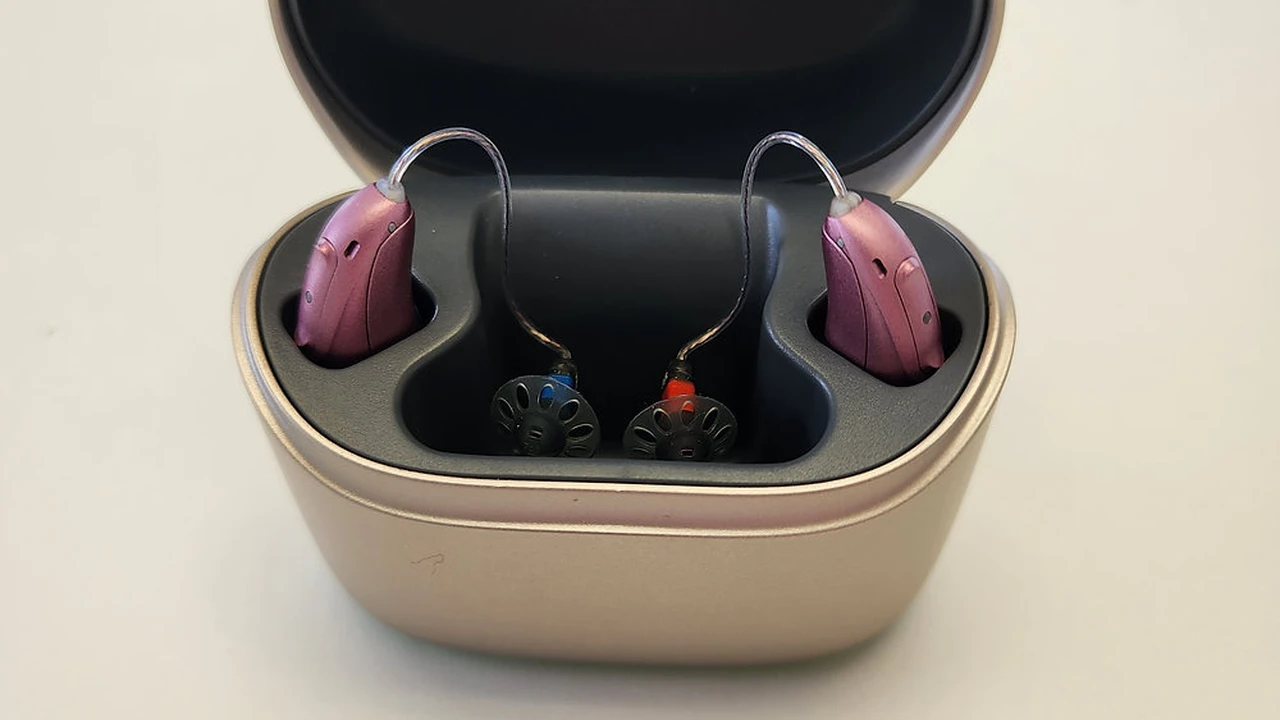
Different types of hearing aids have varying levels of vulnerability. In-the-ear (ITE) and completely-in-canal (CIC) models might seem more protected because they're nestled in your ear, but they're still exposed to earwax and sweat. Behind-the-ear (BTE) and receiver-in-canal (RIC) models have components that sit outside the ear, making them susceptible to rain, sweat, and environmental humidity. Even if your hearing aids are advertised as 'water-resistant,' that doesn't mean 'waterproof.' It usually means they can withstand a splash or light rain, but definitely not a swim or a shower.
H2 Daily Habits For Moisture Prevention Hearing Aid Care Routine
The best defense is a good offense, and that means incorporating some simple habits into your daily routine. These small steps can make a huge difference in the longevity of your hearing aids:
- Always remove your hearing aids before showering, bathing, or swimming: This might seem obvious, but it's the number one rule. Keep them far away from the bathroom sink when you're washing your face or brushing your teeth too.
- Take them out during intense workouts: If you're a heavy sweater, consider removing your hearing aids during strenuous exercise. If you absolutely need them, use a sweatband or a specialized hearing aid cover (more on those later).
- Wipe them down daily: Every evening, before putting your hearing aids away, gently wipe them with a soft, dry cloth. This removes any surface moisture, earwax, or debris.
- Store them in a dry place overnight: Never leave your hearing aids in the bathroom. The humidity from showers can linger for hours. A bedside table in your bedroom is usually a much better spot.
- Open the battery door (for disposable batteries): If your hearing aids use disposable batteries, opening the battery door overnight not only helps conserve battery life but also allows air to circulate, helping any trapped moisture evaporate.
H2 Essential Moisture Protection Products Hearing Aid Dryers And Kits
Beyond daily habits, there are some fantastic products specifically designed to combat moisture. These are highly recommended, especially if you live in a humid area, sweat a lot, or just want extra peace of mind.
H3 Desiccant Drying Kits Affordable Hearing Aid Moisture Removal
These are the simplest and most affordable option. A desiccant drying kit usually consists of a small container with a desiccant material (like silica gel) that absorbs moisture. You place your hearing aids in the container overnight, and the desiccant beads do their job.
- How they work: The desiccant material draws moisture out of the hearing aids. The beads often change color when they're saturated, indicating it's time to replace or reactivate them (usually by baking them in an oven or microwaving them, following manufacturer instructions).
- Pros: Inexpensive, no electricity needed, portable.
- Cons: Less effective than electronic dryers for heavy moisture, desiccant needs regular replacement or reactivation.
- Recommended Products:
- Dri-Aid Hearing Aid Dehumidifier: A classic, simple jar with desiccant pellets. Very affordable, usually around $10-$15. Good for light daily moisture.
- Hal-Hen Super Dri-Aid: Similar to the above, often comes in a larger container for multiple aids. Price point is similar.
H3 Electronic Drying Boxes Advanced Hearing Aid Dehumidifiers
These are a step up from desiccant kits. Electronic dryers use gentle heat and/or UV light to dry and sanitize your hearing aids. They're more effective for removing stubborn moisture and can also kill bacteria and germs.
- How they work: Most use a fan to circulate warm, dry air around the hearing aids. Some also incorporate UV-C light, which is great for sanitization. You typically plug them in and let them run for a few hours or overnight.
- Pros: Highly effective at removing moisture, often include UV sanitization, no desiccant replacement needed.
- Cons: More expensive than desiccant kits, requires electricity, less portable.
- Recommended Products:
- Dry & Store Global II: This is a popular and highly regarded option. It uses warm, dry air and a desiccant brick (which lasts for months) to dry and dehumidify. It also has a UV-C light for sanitization. Price: Around $100-$150. Great for all types of hearing aids, especially if you have significant moisture exposure.
- PerfectDry Lux: A compact and efficient electronic dryer that uses forced air convection drying and UV-C light. It's very user-friendly with a short drying cycle (around 30-45 minutes). Price: Around $70-$90. Excellent for daily use and travel.
- Serene Innovations Renew Hearing Aid Dryer and Freshener: Another good option that combines heat and UV-C light. It's often a bit more budget-friendly than the Dry & Store. Price: Around $50-$70.
H3 Sweat Bands And Covers Active Lifestyle Hearing Aid Protection
If you're an active individual, these are a must-have. They provide a physical barrier against sweat and moisture while you're wearing your hearing aids.
- How they work: These are typically made from moisture-wicking fabric that fits snugly over your BTE or RIC hearing aids. They absorb sweat before it can reach the delicate electronics.
- Pros: Protects during wear, comfortable, washable.
- Cons: Only for BTE/RIC styles, might slightly alter sound quality for some users.
- Recommended Products:
- Ear Gear: These are probably the most well-known brand. They offer various sizes and colors for different hearing aid models, including Cochlear implants. Made from a durable, water-resistant spandex blend. Price: Around $20-$30 per pair.
- Hearing Aid Sweat Bands: Generic versions are available on Amazon or specialty stores, often at a lower price point. Just ensure they are made from breathable, moisture-wicking material.
H2 Special Considerations And Advanced Tips Maximizing Hearing Aid Lifespan
Beyond the basics, here are a few more advanced tips and considerations to keep your hearing aids in top shape:
- Humidity control at home: If you live in a very humid environment, consider using a dehumidifier in your home, especially in the rooms where you spend the most time or store your hearing aids.
- Be mindful of hair products: Hairspray, gels, and other styling products can not only clog microphones but also introduce moisture. Always apply these products before putting your hearing aids in, and make sure your hair is dry.
- Check for condensation in tubing (BTE users): For BTE hearing aids, moisture can sometimes condense in the tubing that connects to the earmold. You can buy a small 'puffer' or air blower to clear this out if you notice it.
- Regular professional cleaning: Your audiologist can perform a thorough cleaning and check for any moisture-related damage. They have specialized tools to remove stubborn earwax and debris that might trap moisture.
- Consider IP ratings: When buying new hearing aids, look for their Ingress Protection (IP) rating. This two-digit number indicates how well a device is protected against solids (first digit) and liquids (second digit). For example, an IP68 rating means it's dust-tight (6) and can withstand immersion in water up to a certain depth (8). While no hearing aid is truly 'waterproof' for swimming, higher IP ratings offer better protection against sweat and splashes.
- Travel smart: When traveling, especially to humid climates, always bring your drying kit or electronic dryer. Consider a waterproof travel case for extra protection against accidental spills or rain.
- Avoid extreme temperature changes: Moving from a cold, air-conditioned room to a hot, humid outdoor environment can cause condensation to form inside your hearing aids, similar to how eyeglasses fog up. Try to avoid drastic temperature shifts when possible, or give your aids a quick wipe down after such transitions.
- Don't try to dry them in the microwave or oven: Seriously, don't do it! Extreme heat can melt the plastic components and destroy the electronics. Stick to purpose-built drying solutions.
- What to do if they get wet: If your hearing aids accidentally get soaked, immediately turn them off, remove the batteries (if applicable), and gently wipe off any surface moisture. Then, place them in a desiccant drying kit or an electronic dryer for an extended period (24-48 hours). Do NOT use a hairdryer or put them in rice (rice can leave starchy residue). If they still don't work, contact your audiologist.
By being proactive and incorporating these tips and products into your routine, you can significantly extend the life of your hearing aids and ensure they continue to provide you with clear, consistent sound. Your hearing health is worth the effort, and a little moisture prevention goes a long way in protecting your investment!
:max_bytes(150000):strip_icc()/277019-baked-pork-chops-with-cream-of-mushroom-soup-DDMFS-beauty-4x3-BG-7505-5762b731cf30447d9cbbbbbf387beafa.jpg)