The Value of Professional Hearing Aid Fittings
Discover the critical value of professional hearing aid fittings. Learn how expert adjustments and support ensure optimal performance and comfort.
Discover the critical value of professional hearing aid fittings. Learn how expert adjustments and support ensure optimal performance and comfort.
The Value of Professional Hearing Aid Fittings
Hey there! So, you're thinking about getting hearing aids, or maybe you've already got them and you're wondering if you're getting the most out of them. One of the biggest decisions you'll make, and often one of the most overlooked, is whether to go for a professional fitting. Trust me, it's a game-changer. We're talking about more than just picking up a device; we're talking about a personalized journey to better hearing. Let's dive into why professional hearing aid fittings are absolutely essential for ensuring optimal performance, comfort, and ultimately, your satisfaction.
Why Professional Hearing Aid Fittings Are Non-Negotiable for Optimal Performance and Comfort
You might be thinking, “Can’t I just buy them online and pop them in?” While over-the-counter (OTC) hearing aids are becoming more accessible, especially for mild to moderate hearing loss, they simply can’t replicate the precision and personalization that a professional fitting offers. Think of it like buying a suit off the rack versus getting one custom-tailored. Both might cover you, but one will fit perfectly, look great, and feel comfortable, while the other might be a bit… off. Your hearing is far too important to settle for 'off'.
A professional fitting involves a series of steps, each designed to ensure your hearing aids are perfectly matched to your unique hearing loss, ear anatomy, and lifestyle. This isn't just about turning up the volume; it's about fine-tuning frequencies, managing feedback, and ensuring the sound is natural and clear, not just loud.
The Comprehensive Process of a Professional Hearing Aid Fitting What to Expect
So, what exactly happens during a professional fitting? It's a multi-faceted process, typically conducted by a licensed audiologist or hearing aid specialist. Here’s a breakdown:
Initial Assessment and Audiological Evaluation Understanding Your Unique Hearing Profile
Before any fitting, there’s a thorough audiological evaluation. This isn't just a quick online test; it's a comprehensive assessment of your hearing health. The audiologist will perform a series of tests, including:
- Pure-tone audiometry: To determine the softest sounds you can hear at different pitches.
- Speech audiometry: To assess your ability to hear and understand speech in quiet and noisy environments.
- Tympanometry: To check the function of your middle ear.
- Otoacoustic emissions (OAEs): To test the function of your inner ear.
This detailed evaluation provides a precise map of your hearing loss, including its type, degree, and configuration. This information is crucial for selecting the right type of hearing aid and for the subsequent programming.
Hearing Aid Selection and Customization Choosing the Right Device for Your Needs
Based on your audiogram, lifestyle, budget, and aesthetic preferences, the audiologist will recommend suitable hearing aid models. This is where their expertise truly shines. They'll consider factors like:
- Type of hearing aid: Behind-the-Ear (BTE), Receiver-in-Canal (RIC), In-the-Ear (ITE), Completely-in-Canal (CIC), or Invisible-in-Canal (IIC).
- Technology level: Basic, mid-range, or advanced, depending on your listening environments and desired features (e.g., noise reduction, Bluetooth connectivity, rechargeable batteries).
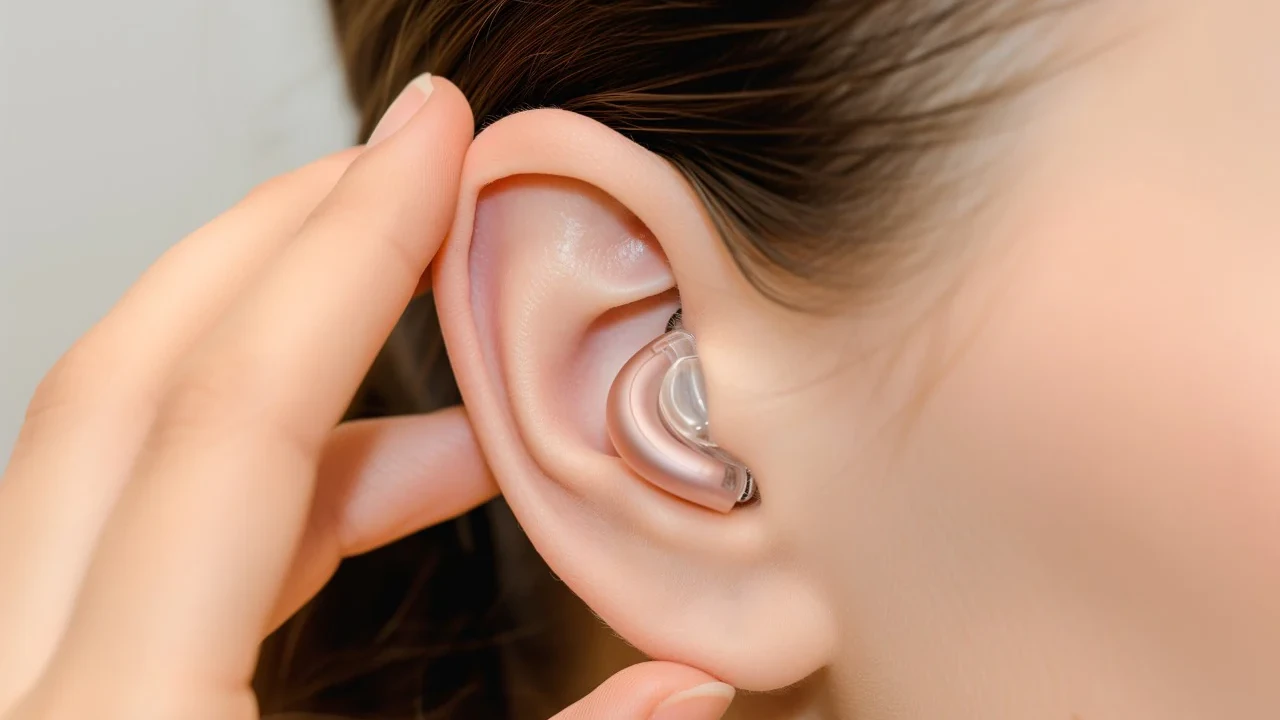
- Physical fit: For custom-molded devices (ITE, CIC, IIC), impressions of your ear canal will be taken to ensure a perfect, comfortable fit that prevents feedback and maximizes sound delivery. Even for BTE/RIC styles, the ear molds or domes need to be correctly sized and fitted.
Precise Programming and Fine-Tuning Maximizing Sound Quality and Clarity
This is the heart of the professional fitting. Using specialized software, the audiologist will program your hearing aids based on your audiogram. This isn't a one-size-fits-all approach. They'll adjust various parameters, including:
- Gain (volume) at different frequencies: To ensure all sounds are audible without being uncomfortably loud.
- Compression settings: To make soft sounds audible and loud sounds comfortable.
- Noise reduction algorithms: To minimize background noise and enhance speech clarity.
- Directional microphone settings: To help you focus on sounds from the front in noisy environments.
- Feedback cancellation: To eliminate whistling sounds.
During this stage, the audiologist will use real-ear measurements (REM), also known as probe microphone measurements. This involves placing a tiny microphone near your eardrum while the hearing aid is in place to measure the actual sound levels reaching your eardrum. This objective measurement ensures the hearing aids are delivering the prescribed amplification precisely, accounting for the unique acoustics of your ear canal. This is something you simply cannot achieve with an online purchase.
Patient Counseling and Orientation Learning to Live with Your Hearing Aids
A professional fitting isn't just about the technology; it's also about empowering you. The audiologist will provide comprehensive counseling on:
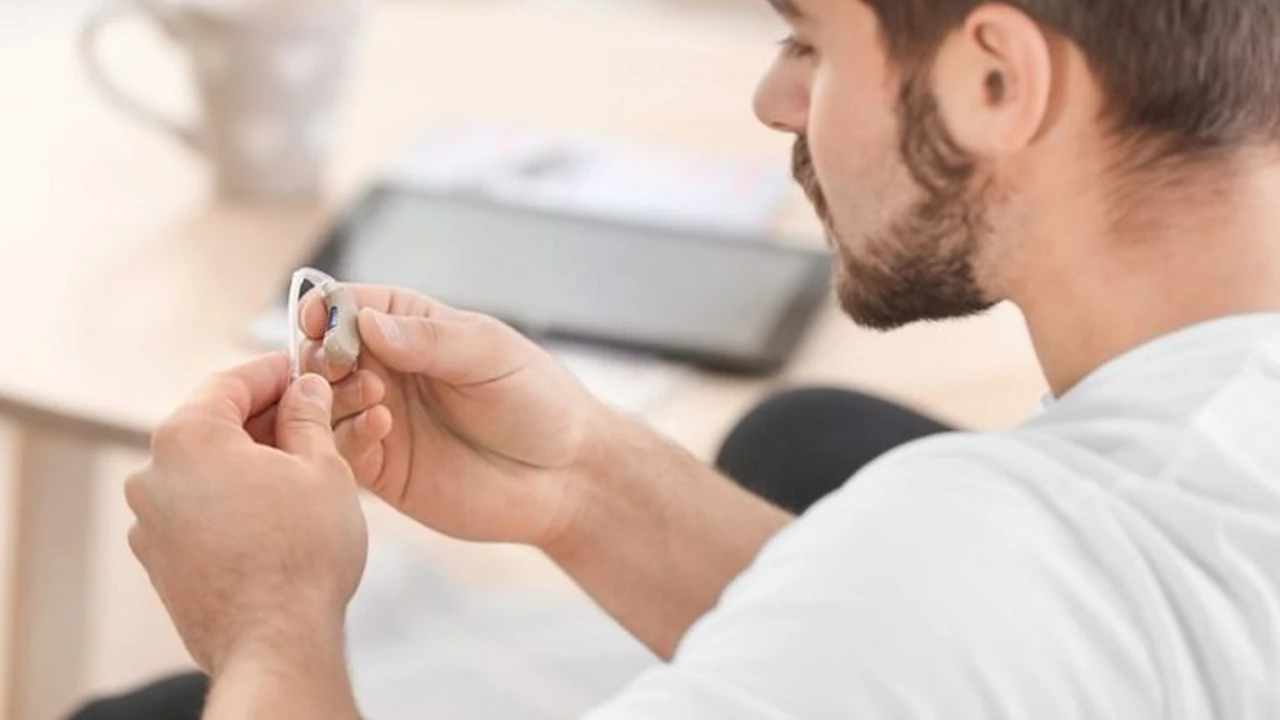
- Insertion and removal: How to comfortably put in and take out your hearing aids.
- Care and maintenance: Cleaning, battery replacement (or charging), and storage tips to prolong the life of your devices.
- Understanding features: How to use different programs, volume controls, and connectivity options.
- Realistic expectations: What to expect during the adaptation period and how to gradually adjust to new sounds.
- Communication strategies: Tips for improving communication in various listening environments.
Follow-Up Appointments and Ongoing Support Your Journey to Better Hearing
The fitting process doesn't end when you walk out the door. Professional care includes crucial follow-up appointments. During these visits, the audiologist will:
- Assess your progress: Discuss your experiences, challenges, and successes with the hearing aids.
- Make further adjustments: Fine-tune the programming based on your feedback and real-world listening situations.
- Address any issues: Troubleshoot problems like discomfort, feedback, or sound quality concerns.
- Conduct further testing: If needed, to ensure the hearing aids continue to meet your evolving hearing needs.
This ongoing support is invaluable. Your hearing can change over time, and your listening needs might evolve. A professional audiologist will be there to ensure your hearing aids adapt with you.
Comparing Professional Fittings to DIY or Online Purchases The Hidden Costs of Going It Alone
While the upfront cost of professionally fitted hearing aids might seem higher than some online options, consider the long-term value and potential pitfalls of a DIY approach:
Lack of Accurate Diagnosis and Prescription The Foundation of Effective Hearing Care
Online purchases often rely on self-administered hearing tests or basic questionnaires. These cannot provide the detailed audiological profile needed for precise amplification. Without an accurate diagnosis, you risk:
- Under-amplification: Not getting enough sound, leading to continued communication difficulties.
- Over-amplification: Potentially damaging your residual hearing or causing discomfort.
- Missing underlying medical conditions: Some hearing loss can be a symptom of more serious health issues that require medical intervention, which an audiologist would identify.
Suboptimal Fit and Comfort The Key to Consistent Use
A poorly fitting hearing aid can cause physical discomfort, irritation, and even sores. It can also lead to:
- Feedback (whistling): Annoying and embarrassing.
- Sound leakage: Reducing the effectiveness of the amplification.
- Device loss: If it doesn't sit securely in your ear.
Professional fittings ensure a custom or perfectly sized fit, maximizing comfort and retention.
Inadequate Programming and Sound Quality The Difference Between Hearing and Understanding
Generic programming or limited self-adjustment options from online devices often result in a less natural and clear sound experience. You might hear sounds, but struggle to understand speech, especially in noisy environments. Professional programming, especially with real-ear measurements, ensures:
- Optimal speech clarity: Enhancing the sounds you want to hear.
- Effective noise reduction: Minimizing distracting background noise.
- Personalized sound profiles: Tailored to your specific listening preferences and environments.
Lack of Ongoing Support and Troubleshooting Your Lifeline to Better Hearing
When you buy online, who do you call when you have a problem? Professional clinics offer:
- Expert troubleshooting: For technical issues, discomfort, or sound quality concerns.
- Repairs and maintenance: On-site services or guidance for sending devices for repair.
- Adjustments as needed: As your hearing changes or you encounter new listening situations.
- A trusted partner: Someone who understands your hearing journey and can provide consistent care.
Recommended Products and Scenarios The Best Fit for Your Lifestyle
While a professional fitting is crucial, let's talk about some general product categories and scenarios where certain types of hearing aids, when professionally fitted, truly shine. Remember, these are examples, and your audiologist will make the final recommendation based on your specific needs.
For the Discreet User Invisible-in-Canal (IIC) and Completely-in-Canal (CIC) Hearing Aids
If discretion is your top priority, IIC and CIC models are excellent choices. They sit deep within the ear canal, making them virtually invisible. However, their small size means they have smaller batteries and fewer features (like directional microphones or Bluetooth connectivity) compared to larger models. They are best suited for mild to moderate hearing loss.
- Example Product: Phonak Virto Paradise P-Titanium (IIC/CIC).
- Key Features: Custom-made from titanium for a super-durable and discreet fit. Excellent sound quality for their size.
- Typical Scenario: A professional who wants their hearing aids to be completely unnoticeable during meetings or social interactions. Someone with an active lifestyle who doesn't want their hearing aids to interfere with glasses or hats.
- Estimated Price Range (per aid, professionally fitted): $2,500 - $4,000+ USD.
For Versatility and Advanced Features Receiver-in-Canal (RIC) Hearing Aids
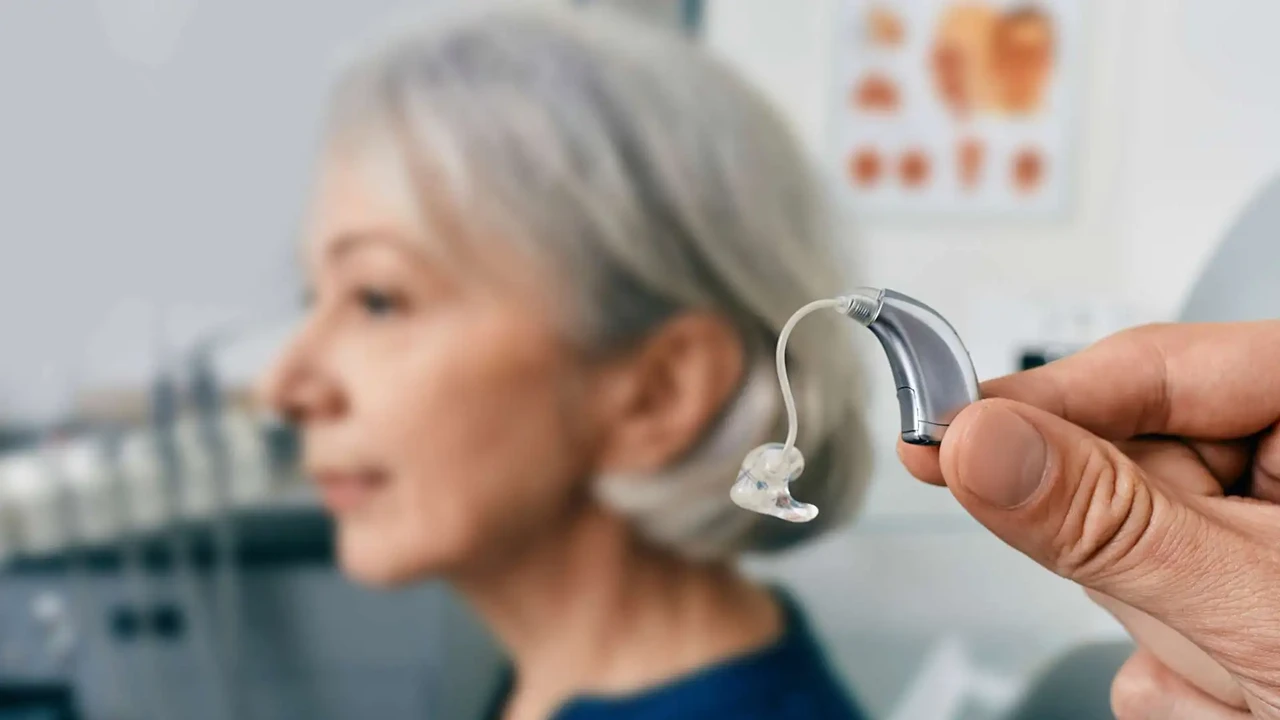
RIC hearing aids are incredibly popular due to their balance of discretion, power, and features. The main body sits behind the ear, connected by a thin wire to a receiver (speaker) in the ear canal. This design allows for a smaller behind-the-ear component and often better sound quality.
- Example Product: Oticon More (RIC).
- Key Features: Advanced AI-powered sound processing (MoreSound Intelligence), direct streaming to iPhone and Android, rechargeable options, Tinnitus SoundSupport.
- Typical Scenario: Individuals with mild to severe hearing loss who want excellent sound quality, seamless smartphone connectivity, and rechargeable convenience. Great for social gatherings, music lovers, and those who value advanced technology.
- Estimated Price Range (per aid, professionally fitted): $2,800 - $4,500+ USD.
For Power and Robustness Behind-the-Ear (BTE) Hearing Aids
BTE hearing aids are the most traditional style, with all components housed in a case behind the ear. They are known for their durability, longer battery life, and ability to provide significant amplification, making them suitable for severe to profound hearing loss. They are also often easier to handle for those with dexterity issues.
- Example Product: Resound Enzo Q (BTE).
- Key Features: Powerful amplification, Made for iPhone connectivity, direct streaming, Tinnitus Manager, robust design.
- Typical Scenario: Individuals with severe to profound hearing loss who need maximum power and reliability. Also a good choice for children due to their durability and ease of handling.
- Estimated Price Range (per aid, professionally fitted): $2,000 - $4,000+ USD.
For Active Lifestyles and Water Resistance Specialized Hearing Aids
Some manufacturers offer hearing aids designed with enhanced water and dust resistance, perfect for those with active lifestyles or who live in humid climates.
- Example Product: Starkey Genesis AI (RIC/BTE options).
- Key Features: Industry-leading water, dust, and sweat protection (IP68 rating), advanced AI features for health tracking and fall detection, superior sound processing.
- Typical Scenario: Athletes, outdoor enthusiasts, or anyone who needs a hearing aid that can withstand challenging environments. Also great for those who want integrated health monitoring.
- Estimated Price Range (per aid, professionally fitted): $3,000 - $5,000+ USD.
The Long-Term Benefits of Professional Hearing Aid Care A Sound Investment
Investing in professional hearing aid fittings and ongoing care is an investment in your quality of life. It leads to:
- Improved communication: Leading to better relationships and reduced social isolation.
- Enhanced cognitive health: By keeping your brain engaged and reducing the effort required to hear.
- Greater independence: Allowing you to participate fully in daily activities.
- Increased confidence: In social and professional settings.
- Optimal device longevity: Proper care and maintenance from professionals can extend the life of your expensive devices.
Think of your audiologist as your partner in hearing health. They're not just selling you a device; they're providing a service that ensures that device works optimally for you, day in and day out. So, when you're considering your options, remember that the expertise, precision, and ongoing support of a professional fitting are truly invaluable. It's the difference between simply having hearing aids and truly hearing the world around you with clarity and comfort.
:max_bytes(150000):strip_icc()/277019-baked-pork-chops-with-cream-of-mushroom-soup-DDMFS-beauty-4x3-BG-7505-5762b731cf30447d9cbbbbbf387beafa.jpg)